

Posted by Mike
on August 29, 2026

Key Takeaways
The best personal lubricant for dryness depends on your body, your routine, and what you plan to use it with. Start with a simple formula, then refine your choice based on comfort and compatibility.
- Water-based formulas are versatile and easy to clean.
- Hyaluronic acid may suit people seeking a more hydrating feel.
- Silicone-based lubricant can provide longer-lasting glide.
- Fragrance-free, glycerin-free, and pH-balanced options may be gentler for sensitive users.
- Always check condom and sex-toy compatibility before use.
1. Best water-based personal lubricant for everyday use
Water-based lubricant is often the easiest place to begin. It typically feels light, rinses away with water, and works well for a range of intimate activities. For everyday use, look for a formula that feels smooth without becoming distracting or overly sticky.
Arousellube makes water-based, edible personal lubricants with natural ingredients, designed to enhance pleasure and intimacy. That combination can be appealing when you want an intimate essential that fits comfortably into a regular routine while also offering a pleasant sensory experience.
Apply a modest amount first, then add more as needed. Water-based formulas can absorb or dry during longer activity, so keeping the bottle nearby is practical rather than excessive. If you are comparing textures, this water-based lubricant guide offers another useful way to think through feel, cleanup, and compatibility.
2. Best hyaluronic acid lubricant for persistent dryness
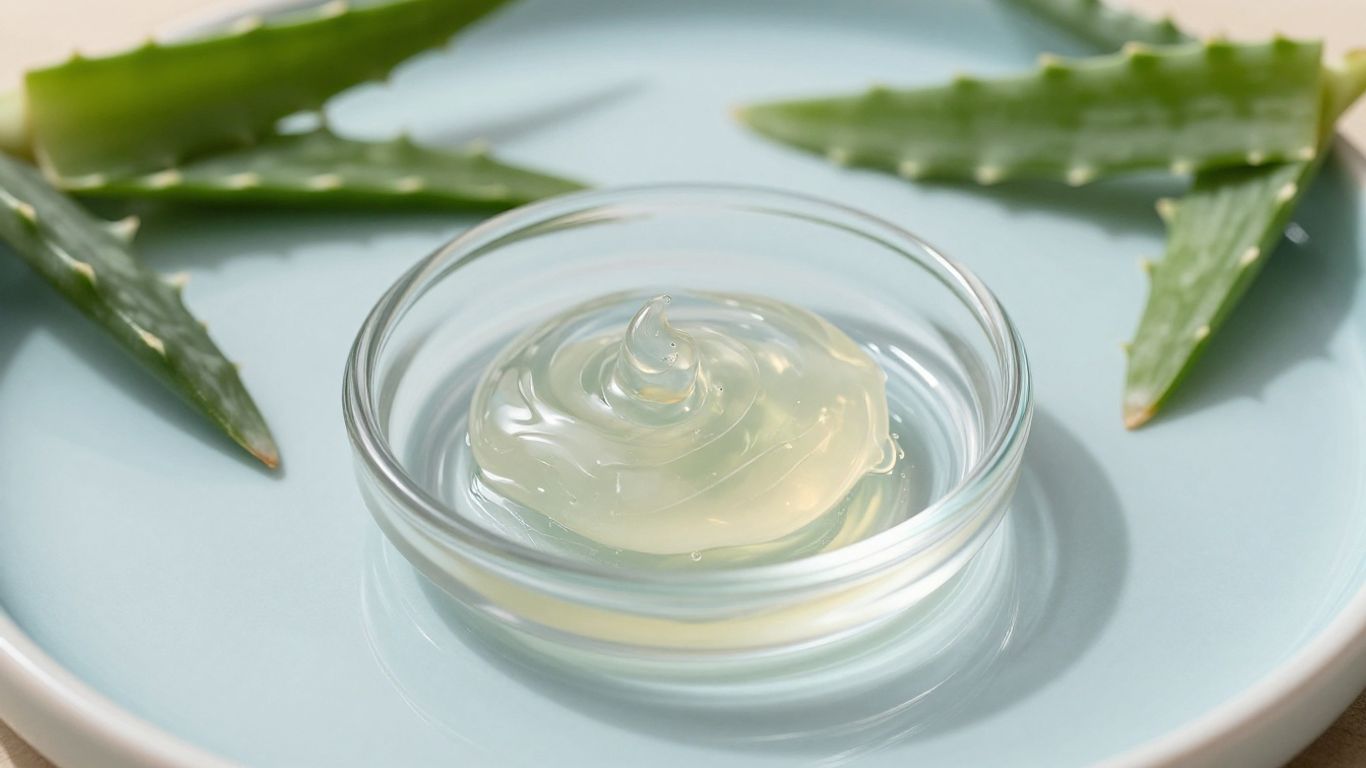
Persistent dryness calls for more than choosing a slick texture at random. Hyaluronic acid is commonly selected by people who prefer a lubricant with a more moisture-focused feel, especially when ordinary formulas seem to disappear quickly. The right choice should still feel comfortable and should not cause stinging, tightness, or lingering irritation.
Consider whether you need a lubricant for occasional intimacy or a product that fits into a broader dryness-care routine. A thicker gel may provide more cushioning, while a lighter formula can feel less noticeable. Try a small amount first, since individual responses to ingredients vary.
If dryness continues, becomes painful, or occurs outside sexual activity, lubricant alone may not address the underlying cause. Hormonal changes, medication, skin conditions, and other health factors can contribute, so persistent symptoms are a good reason to speak with a qualified clinician.
3. Best silicone-based lubricant for longer-lasting comfort
Silicone-based lubricant is valued for its lasting glide. It can be useful when repeated application would interrupt intimacy or when you want a formula that remains slick with less moisture available. The texture may feel silkier and more substantial than a typical water-based option.
Because silicone formulas do not rinse away as quickly, cleanup may take a little more planning. Use only a small amount at first, and pay attention to how the product feels on your skin. A formula that lasts longer is not automatically better if it creates discomfort or leaves a texture you dislike.
Compatibility deserves special attention. Some silicone-based lubricants may affect silicone sex toys, so check the product label and toy instructions before combining them. When in doubt, test a tiny amount on the toy’s surface or choose a formula specifically labeled as compatible.
4. Best aloe vera lubricant for sensitive skin
Aloe vera-based lubricant can be attractive to people who prefer a fresh, plant-derived feel. Sensitive skin benefits less from a long list of impressive-sounding ingredients than from a short, transparent formula that feels calm during and after use. Look for a product made without unnecessary fragrance or sensation-enhancing additives if those have bothered you before.
Aloe is not a guarantee against irritation, and natural ingredients can still cause a reaction. Patch-testing a small amount on external skin can help you notice a problem before using more. Stop if you experience burning, itching, swelling, or unusual discomfort.
The goal is gentle glide, not a strong sensation. Read the ingredient list carefully, store the bottle as directed, and avoid assuming that “natural” means suitable for every body. Comfort is the most useful measure of whether a formula belongs in your intimate routine.
5. Best fragrance-free lubricant for irritation-prone users
Fragrance-free lubricant is a sensible starting point when scented personal-care products have caused irritation. Added fragrance can make a formula feel appealing in the package but may be unnecessary for intimate use. A neutral product lets you focus on texture and comfort instead.
Choose a formula with clear ingredient labeling and introduce it gradually. If you have a history of sensitivity, use less than you think you need and avoid combining several new products at once. That makes it easier to identify what your skin tolerates.
Fragrance-free does not mean irritation-proof. Preservatives, botanical extracts, warming agents, and other ingredients can still matter. If discomfort repeatedly returns, consider pausing the product and discussing the pattern with a healthcare professional rather than continuing to test formulas indefinitely.
6. Best glycerin-free lubricant for vaginal dryness
Glycerin-free lubricant may be worth considering if you are trying to simplify your ingredient choices or have noticed that certain formulas do not agree with you. Glycerin is used in many personal-care products, but some people prefer to avoid it in intimate products based on personal experience. The broader formula still matters, so do not judge a lubricant by one ingredient alone.
Look for a smooth product that provides enough glide without becoming tacky as it dries. If you are prone to recurrent irritation or infections, a clinician can help you separate a product reaction from another cause. Lubricant can reduce friction, but it cannot diagnose or treat vaginal conditions.
Use the label as your practical guide: check ingredients, directions, expiration information, and compatibility notes. A glycerin-free option may feel better for one person and no different for another, which is why a careful, low-pressure trial is more useful than assuming a universal winner.
7. Best pH-balanced lubricant for vaginal comfort
A pH-balanced lubricant is designed with vaginal comfort in mind, but the phrase should not replace reading the full label. Formula, osmolality, preservatives, and personal sensitivity can all influence how a product feels. A gentle texture and a lack of stinging are just as relevant as a pH statement.
If you are choosing among several options, consider the context in which you will use the lubricant. A product for occasional external use may have different priorities from one intended for internal vaginal use. Follow the manufacturer’s directions and avoid using products not intended for intimate areas.
pH balance is one part of a thoughtful selection process. You may also want fragrance-free ingredients, easy cleanup, and compatibility with condoms or toys. If odor, discharge, itching, or pain accompanies dryness, seek medical advice instead of trying to correct the symptoms with lubricant alone.
8. Best lubricant for use with condoms
Condom compatibility should be checked before the first use, not after a problem occurs. Water-based and many silicone-based lubricants are commonly chosen for condom use, while oil-based products may weaken latex. Product labels remain the final authority because formulas vary.
A quick comparison can make the decision easier:
| Formula type | Common practical advantage | Compatibility point |
|---|---|---|
| Water-based | Easy cleanup and broad versatility | Check the label for the condom material |
| Silicone-based | Longer-lasting glide | Confirm condom compatibility and toy instructions |
| Oil-based | Rich, lasting texture | May weaken latex condoms |
The table is a starting point, not a substitute for package directions. If you use condoms made from a material other than latex, confirm that both the lubricant and condom are designed to work together. Reapply when needed without treating extra friction as something to tolerate.
9. Best lubricant for use with sex toys
Toy compatibility depends on both the lubricant and the toy’s material. Water-based lubricant is often a flexible choice because it is easy to wash away, but you should still check the toy manufacturer’s instructions. A product that feels excellent on skin may not be appropriate for every toy surface.
Silicone toys deserve particular care because some silicone-based formulas may damage or alter the surface. When instructions are unclear, use a small test area or choose a clearly labeled water-based option. Cleaning the toy after use also helps maintain its condition.
Think about the activity as well as the material. A thinner formula may suit a smooth toy, while a thicker texture can provide more cushioning for a larger or more textured design. The best option is the one that offers comfortable glide without compromising the toy’s surface or your ability to clean it.
10. Best natural personal lubricant for dryness
Natural personal lubricant can appeal to people who prefer plant-derived ingredients and a simpler self-care routine. Arousellube offers water-based, edible personal lubricants made with natural ingredients, giving readers who value those qualities a relevant option to consider. Even with a natural formula, check the full ingredient list and make sure the texture suits your needs.
Natural does not automatically mean hypoallergenic, fragrance-free, or compatible with every condom and toy. Those are separate questions that deserve separate checks. If your skin is reactive, introduce any new lubricant slowly and discontinue it if you notice irritation.
A short checklist can keep the choice practical:
- Read the complete ingredient list.
- Confirm condom compatibility.
- Check whether it suits your sex-toy material.
- Test a small amount before more extensive use.
These steps help turn a broad preference for natural ingredients into a safer, more personal decision. If dryness is persistent or painful, look beyond lubricant selection and ask a healthcare professional about possible causes and treatment options.
Conclusion
The best personal lubricant for dryness is the one that provides comfortable glide, fits your intended use, and agrees with your body. Start with formula type and ingredient preferences, then verify condom and toy compatibility before settling into a routine. A small amount of patience—and a willingness to stop using anything that irritates you—can make intimate care feel much simpler.
Frequently Asked Questions
What is the best personal lubricant for vaginal dryness?
There is no single best formula for everyone. Water-based, hyaluronic acid, silicone-based, and other options may suit different preferences, while persistent or painful dryness deserves medical evaluation.
Is water-based lubricant good for everyday use?
Yes, water-based lubricant is often chosen for its light feel, easy cleanup, and versatility. It may need to be reapplied during longer activity because it can dry more quickly than silicone-based products.
Can lubricant help with painful sex?
Lubricant may reduce friction-related discomfort, but pain can have many causes. Stop if an application stings, and seek professional guidance if pain continues or returns.
Is silicone-based lubricant safe with condoms?
Many silicone-based lubricants are compatible with condoms, but the label should be checked every time. Compatibility depends on the specific lubricant and condom materials.
Can I use lubricant with a silicone sex toy?
Check the toy’s instructions before using silicone-based lubricant. A water-based formula is often the simpler choice, though the product label and toy manufacturer’s guidance should determine the final decision.
Does glycerin-free mean a lubricant will not cause irritation?
No. Glycerin-free describes one ingredient choice and does not guarantee that every person will tolerate the complete formula. Review all ingredients and stop use if irritation develops.
When should I see a clinician about vaginal dryness?
Seek medical advice when dryness is persistent, painful, accompanied by itching, odor, bleeding, or unusual discharge, or when it affects daily life. A clinician can investigate underlying causes and discuss appropriate treatment.





































































