

Posted by Mike
on September 30, 2026

Key Takeaways
The right lubricant depends on your body, the activity, and what you want from its texture. Read labels closely, especially when condoms or toys are involved.
- Water-based formulas are versatile and usually easy to clean up.
- Silicone-based options tend to last longer, but check toy-material compatibility.
- Fragrance-free and glycerin-free labels can help narrow choices, though neither guarantees irritation-free use.
- Check the product label to confirm condom and toy compatibility.
- Lubricant can ease friction, but persistent dryness or pain is worth discussing with a healthcare professional.
1. Water-based lubricant for everyday versatility
Water-based lubricant is a practical starting point for many people because it tends to work across a range of intimate activities and is usually easy to rinse away. It can feel light rather than coating, though some formulas dry sooner than others. If you are searching for the “best lubricant personal” option, consider the situations where you want to use it first.
Arousellube offers water-based, edible personal lubricants made with natural ingredients. That makes the Arousellube water-based, edible format one example to assess by its ingredient label and directions; it does not replace a compatibility check. A quick water-based lubricant guide can also help you compare the qualities shoppers often weigh.
A few simple questions can bring the choice into focus before you buy:
- Do you want a formula that rinses off easily?
- Will you use it with a condom or a particular toy?
- Do you have ingredients you already know you prefer to avoid?
The answers are more useful than choosing by a broad label like “everyday.” Check the package for use directions and compatibility, and add more lubricant if friction returns rather than pushing through discomfort.
2. Silicone-based lubricant for longer-lasting glide
Silicone-based lubricants are often chosen for a glide that lasts longer than many water-based formulas. They can be useful when frequent reapplication would interrupt the moment, and they are not rinsed away as readily by water. A small amount is often enough to start, so follow the package directions.
The trade-off is that cleanup may take more effort, and silicone formulas are not automatically suitable for every toy. Some silicone toys may be affected by silicone lubricant, so check the toy maker’s care guidance and the lubricant label before combining them. For a wider comparison, compare lubricant bases alongside the specific materials you use.
A longer-lasting feel is not a substitute for checking ingredients or noticing how your body responds. If the sensation becomes uncomfortable, pause and wash the area with water. Try a different formula if irritation recurs, and seek professional advice for ongoing symptoms.
3. Hybrid lubricant for a balance of comfort and staying power
Hybrid lubricants combine water-based and silicone ingredients, but the proportions and feel can vary by product. Some people like the middle ground: a glide that may last longer than a simple water-based formula without feeling quite as slick as some silicone-only options. The word “hybrid” alone does not tell you exactly how a product will perform.
Read the ingredient list and directions rather than assuming every hybrid formula behaves the same way. If you plan to use it with condoms or toys, verify the specific product’s compatibility and the toy manufacturer’s advice. When in doubt, use a formula clearly labeled for that purpose.
A small amount on the outside of a toy or on the skin can help you get a sense of texture before using more. There is no need to keep using a product that feels tacky, irritating, or otherwise wrong for you; personal comfort is a useful part of the decision.
4. Glycerin-free lubricant for people prone to irritation
Some shoppers look for glycerin-free lubricant when they want to avoid a particular ingredient or have experienced discomfort with a previous formula. The label can help narrow the options, but it does not establish that a lubricant will suit everyone. Formulas can contain many other ingredients that affect how they feel on sensitive skin.
Check the full ingredient list, and consider trying a small amount externally before broader use if you have had reactions before. Glycerin-free does not mean hypoallergenic, and it does not guarantee that irritation will not occur. If a product stings or causes discomfort, stop using it and rinse the area.
The goal is to learn what works for your own body, not to follow a single ingredient rule. Recurrent irritation, unusual discharge, or persistent burning deserves medical advice rather than repeated product experiments. A clinician can help identify possible causes and discuss appropriate care.
5. Fragrance-free lubricant for sensitive skin
A fragrance-free formula may be a sensible choice if scents tend to bother your skin or you simply prefer an unscented product. Fragrance can appear under different ingredient names, so reading the full label is more useful than relying on a front-of-package claim alone. “Unscented” and “fragrance-free” may not always mean the same thing across products.
Keep the rest of the formula in view, too. A product without added fragrance may still contain ingredients that do not agree with you, and sensitive skin varies from person to person. Choose products with clear labeling and directions, and stop using one that produces an unpleasant reaction.
A fragrance-free label is one helpful filter, not a promise of comfort for every body. If you are unsure, start with a small amount and avoid layering several new products at once. That makes it easier to notice what feels comfortable and what does not.
6. Condom-compatible lubricant for safer sex
When using condoms, compatibility is a must-check rather than a guess based on texture or marketing language. Different condom materials and lubricant ingredients can interact differently, so look for clear compatibility information on the package. Follow both the condom and lubricant instructions, and use a fresh condom if one breaks or slips.
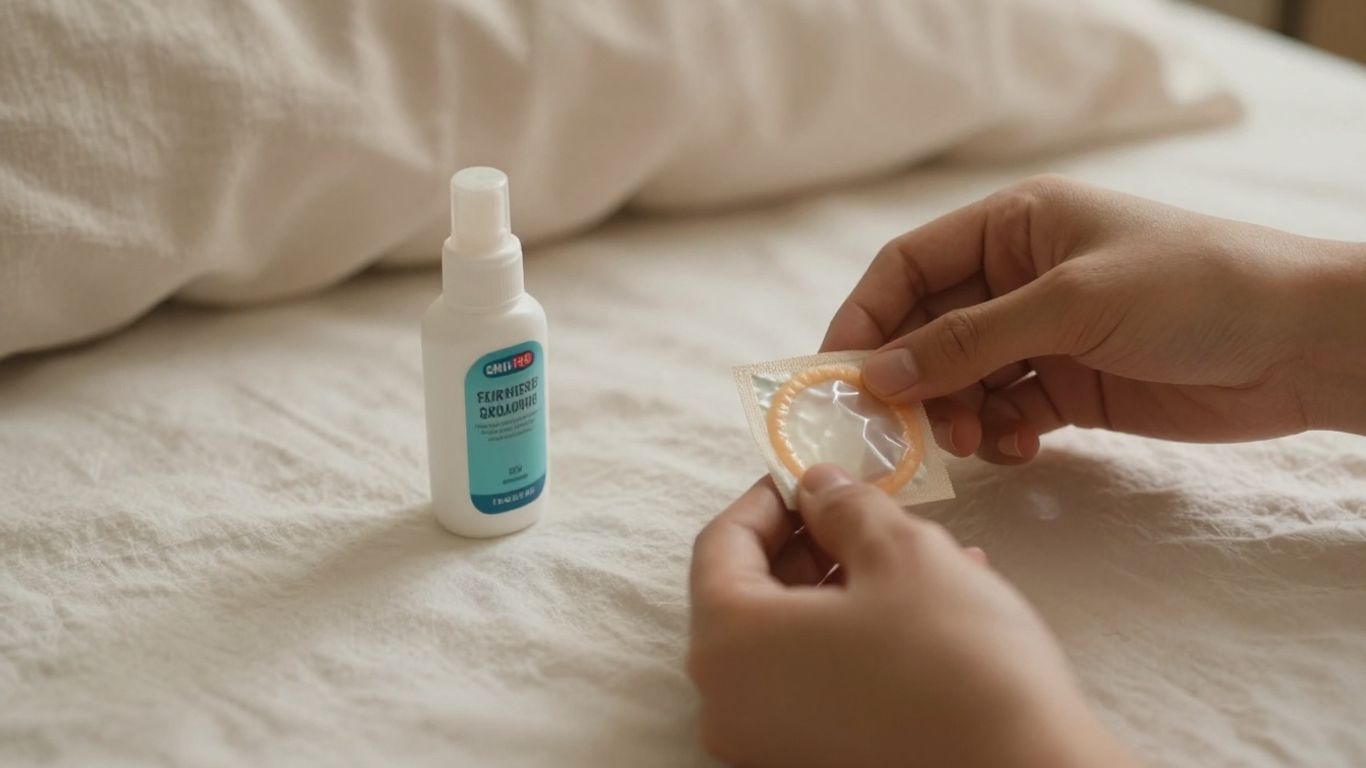
This quick reference can help organize what to verify, but the product label remains the deciding source:
| Lubricant type | What to check | Practical note |
|---|---|---|
| Water-based | Condom and product directions | Often a versatile option; reapply if needed |
| Silicone-based | Condom and product directions | May last longer; check toy material separately |
| Oil-based | Condom material and package warnings | Oils can weaken latex condoms |
Use the guidance for the specific condom you have, since materials and product instructions vary. If a label does not clearly confirm compatibility, choose a product that does rather than assuming it is safe to pair.
7. Toy-compatible lubricant for use with sex toys
Sex toys are made from different materials, and lubricant compatibility can depend on that material. Water-based products are commonly used as a versatile starting point, but the toy manufacturer’s instructions are still the best guide. Check the lubricant label, too, since products vary.
Silicone lubricant may not be suitable for every silicone toy, while other toy materials can have their own care requirements. Avoid treating “toy-safe” as a universal guarantee for every item in a collection. When the directions are unclear, contact the manufacturer or choose a lubricant whose label explicitly supports the intended use.
Clean toys according to their care instructions after use, and store them as directed. If the toy’s surface changes, becomes sticky, or shows damage, stop using it until you can assess the issue. Compatibility is about the specific pairing, not just one product category.
8. Anal lubricant for added cushion and comfort
Because the anus does not self-lubricate in the same way as the vagina, added lubricant can help reduce friction during anal activity. People may prefer a thicker-feeling product or one that lasts longer, but personal preference and the product’s stated use both matter. Use enough to maintain comfortable glide and reapply when needed.
Do not use a numbing product to mask discomfort. Pain is a signal to pause, adjust, or stop, rather than something to push through. Take time, communicate with a partner, and use a lubricant labeled as compatible with any condom or toy involved.
Afterward, notice how your body feels. Ongoing soreness, bleeding, or pain should be discussed with a healthcare professional. Lubricant can support comfort, but it cannot resolve every cause of discomfort or replace attentive, unhurried communication.
9. Vaginal moisturizer-lubricant for dryness
Lubricants and vaginal moisturizers can both help with dryness, but they are used differently. Lubricant is typically applied around sexual activity to reduce friction, while a moisturizer is generally used on a schedule according to its label. Some products are designed to serve both purposes, so read the directions before choosing one.
Dryness can have different causes, and a product that feels comfortable for one person may not suit another. Look for clear instructions and ingredient information, and consider asking a clinician or pharmacist about persistent symptoms. Pain during sex is not something you have to simply accept.
If dryness continues despite trying a suitable product, or appears alongside other new symptoms, seek medical guidance. A healthcare professional can discuss possible causes and options with you. Use a lubricant as directed in the meantime, and stop if it causes irritation.
10. Organic lubricant for shoppers who prefer plant-based ingredients
“Organic” can refer to how ingredients were grown or how a product was certified, so the word alone does not tell the whole story. Look for details about the ingredients and any certification, and distinguish a certified organic claim from a general description such as “natural.” The label and supporting product information should make the claim clear.
Arousellube describes its personal lubricants as made with natural ingredients, but that wording alone does not establish an organic certification. Shoppers who prefer products described as natural should still review the full ingredient list and check any certifications they specifically want. Plant-based wording and organic certification are not interchangeable.
Regardless of how ingredients are sourced, compatibility and personal comfort still matter. Check condom and toy directions, and pay attention to your body’s response. A transparent label and a formula that suits your needs are more useful than a broad natural or organic label by itself.
Conclusion
Choosing a personal lubricant is less about finding one universal winner and more about matching a formula to your preferences, ingredients, and intended use. Read the label, confirm condom and toy compatibility, and let comfort guide you; persistent pain or irritation is a reason to seek professional advice.
Frequently Asked Questions
What type of lubricant is best for everyday use?
Water-based lubricant is a versatile starting point for many people and is generally easy to clean up. Your preferred texture, ingredients, and intended use can change what works best for you.
Does water-based lubricant dry out faster?
Some water-based formulas may need reapplication sooner than longer-lasting silicone-based options. Product formulas differ, so follow the label and add more if comfortable glide fades.
Can I use silicone lubricant with a sex toy?
It depends on the toy material and its care instructions. Some silicone toys may not be compatible with silicone lubricant, so check both product labels before use.
Is fragrance-free lubricant always safe for sensitive skin?
No. Fragrance-free can be a useful ingredient filter, but other ingredients may still cause irritation for some people. Stop using a product that causes discomfort.
Does glycerin-free mean a lubricant will not cause irritation?
No. Glycerin-free does not guarantee a formula will suit every person, since reactions can relate to other ingredients or individual sensitivities.
What should I check before using lubricant with a condom?
Check the lubricant label and the condom package for compatibility with the condom’s material. If the information is unclear, choose a product with explicit compatibility directions.
When should I seek medical advice about dryness or pain?
Seek advice if dryness or pain persists, or if you notice ongoing irritation, bleeding, or other concerning symptoms. A healthcare professional can help assess possible causes and options.





































































