

Posted by Mike
on July 25, 2026

Key Takeaways
Transitioning to natural intimate products requires an understanding of ingredients, safety standards, and personal needs to ensure comfort and long-term health.
- Prioritize water-based or aloe-based formulas for maximum compatibility with protective barriers.
- Always check ingredient lists for hidden synthetic chemicals or shared allergens.
- Assess your specific friction or hydration needs before settling on a texture.
- Conduct patch tests on small areas of skin to identify potential reactions early.
- Avoid using kitchen items like standard oils or sugars, which can encourage bacterial growth.
Understanding the ingredients in natural lubricants
Navigating the world of intimate care starts with looking at what you are putting on your body. When you prioritize clean, body-safe ingredients, you allow yourself to focus on the experience rather than worrying about harsh additive side effects. Seeking out formulas that emphasize plant-derived comfort is the first step toward a more mindful approach to your wellness routines.
Identifying safe plant-based bases
Many high-quality products utilize aloe vera or plant-derived cellulose to create a smooth texture that mirrors the body's natural moisture. These bases are often preferred for their biocompatibility and gentle interaction with delicate membranes. For example, ArouselLube utilizes these carefully sourced elements to ensure a glide that is both effective and non-irritating, embodying the company's commitment to the scientific edge to intimacy.
Avoiding common synthetic preservatives
Synthetic preservatives like parabens or phenoxyethanol can sometimes trigger sensitivities in intimate areas, even if they are well-tolerated on the rest of the skin. By looking for labels that prioritize stability without these additives, you can reduce the likelihood of discomfort. Natural stabilization is often achieved through advanced pH-balanced formulas that keep the product fresh without relying on outdated chemical agents.
The role of pH balance in natural formulas
Maintaining the natural environment of the body during intimate activity is crucial for avoiding disruption to the microbial flora. A properly balanced personal lubricant natural matches the acidity levels of human tissue, ensuring that your intimate health remains protected while you enjoy your time. These formulas help support natural wellness instead of simply acting as a mechanical barrier.
Benefits of aloe-based versus oil-based ingredients
Understanding the difference between these two categories helps you decide what is right for your specific activities. Aloe-based lubricants are generally water-soluble and easy to wash away, while oil-based products are thicker and longer-lasting but may have limited compatibility with certain materials. The following table provides a quick reference for common composition types.
| Lubricant Type | Primary Use Case | Material Compatibility | Cleanup Ease |
|---|---|---|---|
| Water-Based | General Intimacy | High | Excellent |
| Silicone-Based | Long-Lasting Use | High | Moderate |
| Oil-Based | Massage/Specialty | Low (Latex Risk) | Thorough |
Selecting the right composition is essential for avoiding accidental damage to your gear or barrier protections.
Benefits of switching to natural options
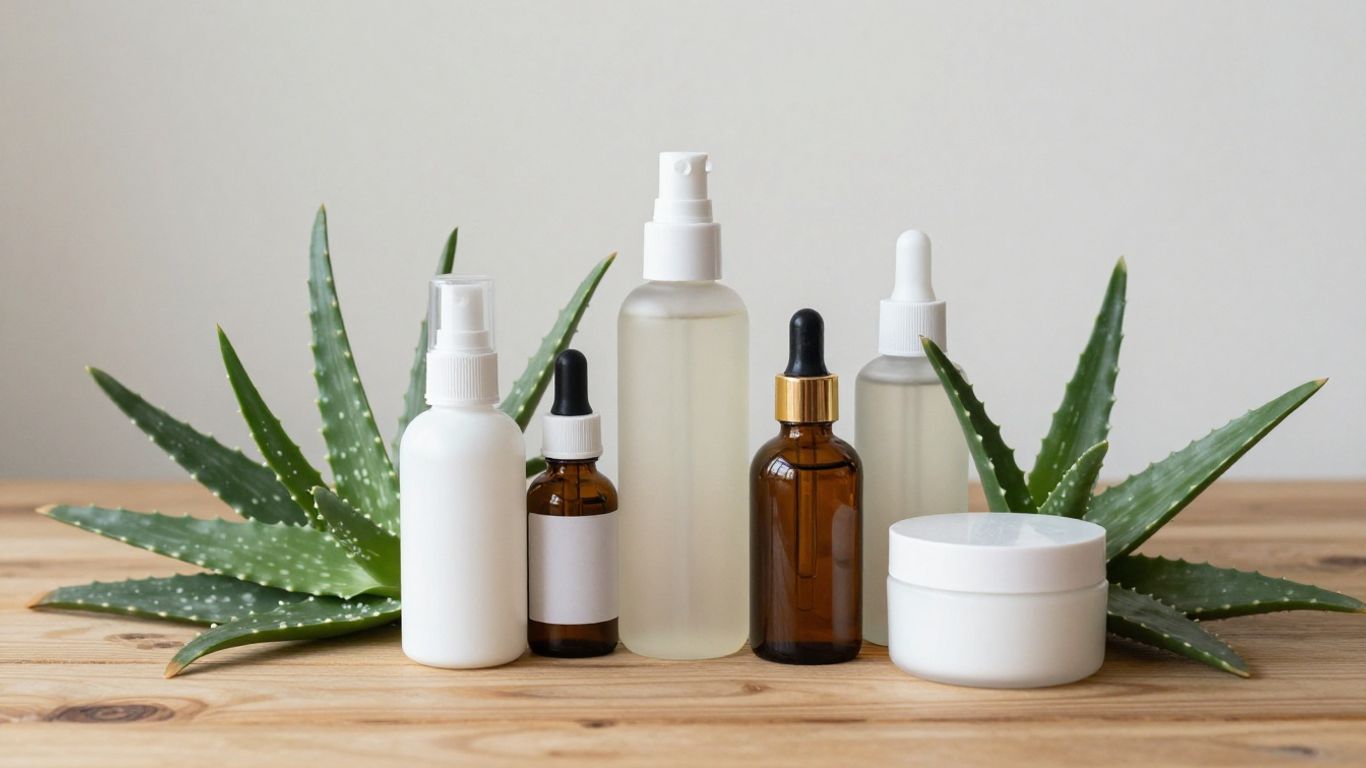
Making the move toward clean, organic components can significantly improve your overall comfort level when you are looking to enhance your pleasure. By removing questionable additives and focusing on high-quality botanical sources, you ensure that your body-safe ingredients work in tandem with your natural chemistry. It is a simple shift that often leads to a deeper sense of confidence and relaxation during intimate moments.
Reduced risk of irritation and sensitivities
When we minimize exposure to synthetic fragrances and harsh stabilizers, we naturally lower the risk of unwanted inflammation or localized irritation. Many users find that products clearly labeled as free from unnecessary chemicals offer a more comfortable, skin-soothing experience than conventional alternatives. This is why ArouselLube focuses on minimalist ingredient lists that respect the fragility of sensitive tissues.
Eco-friendly sourcing and sustainable manufacturing
Choosing products from ethical companies that prioritize plant-derived comfort not only supports your health but also reflects a commitment to the planet. Sustainable manufacturing means that your personal products are created under strict standards that minimize chemical runoff and waste. It allows for a guilt-free experience that feels good both inside and out during your most private moments.
Avoiding parabens and glycerin-free preferences
Many commercial lubricants contain glycerin, which can sometimes provide a breeding ground for yeast in susceptible individuals. Selecting a glycerin-free formula naturally mitigates this risk while providing a clean glide that does not dry out or leave behind a sticky residue. These thoughtful formulations are designed specifically to support long-term intimate comfort.
Enhanced skin health and moisture retention
Your skin requires consistent, gentle hydration to stay supple and healthy. By utilizing natural emollients, these premium products help retain moisture levels throughout your activity, preventing the chafing that can occasionally occur with low-quality substitutes. Utilizing a well-formulated, body-focused natural aid makes a noticeable difference in how your skin feels after use.
How to choose the right natural lubricant for your needs
Selecting a product is highly personal, and it depends heavily on what you intend to do and with what tools. The most effective approach involves assessing your unique physical needs and verifying the compatibility of your chosen lubricant with any items you plan to use. By taking the time to match the product to the task, you prevent interruptions and enhance the quality of your intimate experience.
Assessing specific hydration versus friction needs
Different scenarios call for different types of glide; some individuals prefer deep, sustained moisture, while others require high-slip performance. Think about what your body is signaling during your routine and select a viscosity that meets that demand. You might consider the following steps for evaluating your preference:
- Identify if you primarily need help with superficial dryness or deep, friction-heavy comfort.
- Note the duration of your typical activity to decide if a thick, slow-absorbing formula is better.
- Test the texture on your skin to ensure it does not feel too sticky or tacky.
- Check if the formula remains stable at body temperature throughout your session.
By following these steps, you can tailor your wellness routine to be truly satisfying.
Matching lubricant composition with toy materials
Not every product is safe for use with every material, and incompatibility can lead to degradation of your favorite items. Silicone toys, for instance, should always be used with water-based lubricants to avoid surface damage. Always reach for a trusted brand that provides clear guidelines on what their formulas are compatible with.
Considerations for latex barrier method compatibility
Safety is the absolute priority when using barrier methods during intimate play. If your product is oil-based, it can dissolve latex and increase the risk of tearing, which is why water-based ArouselLube is often the safest bet for those using standard protections. Always double-check labels to ensure that your choice does not affect the integrity of your barrier.
Evaluating certifications like organic or non-GMO
Certifications provide an external layer of confidence that you are choosing products that meet strict purity standards. Choosing non-GMO, organic-certified options ensures that the chemicals you are applying to your body have been screened for quality and safety. This scientific edge to intimacy is why certification is a crucial factor for discerning users.
Important safety precautions and application tips
Even with the safest, most effective natural ingredients, consistency is key to avoiding issues. Incorporating a few simple hygiene practices and test-driven habits ensures that your routine remains safe and beneficial over the long term. Treat your intimacy products with the same care you would apply to any other high-quality skincare product.
Performing a patch test for new ingredients
Before you use an unfamiliar product on your most sensitive areas, apply a small amount to your inner forearm or wrist. Wait for at least 24 hours to observe any signs of redness, itching, or swelling. This simple habit is the best way to catch an allergic reaction before it becomes an issue for more delicate tissues.
Correct application techniques for maximum comfort
Applying lubricant should be a seamless part of your preparation to maintain the flow of your intimacy. Use a small, coin-sized amount initially, and add more as needed to maintain the desired level of slip. Applying the product directly to the desired areas or onto your barrier of choice prevents waste and ensures that it is exactly where it needs to be.
Managing shelf life and storage for organic products
Because natural formulations often rely on fewer synthetic stabilizers, they can be more sensitive to light and heat. Store your bottles in a cool, dark place away from direct sunlight and humidity. Keep an eye on expiration dates provided by the manufacturer, and if the product changes significantly in smell or appearance, it is time to discard it safely.
Identifying early signs of an allergic reaction
If you find that an area becomes tender or you notice persistent burning after use, stop using the product immediately and rinse the area gently with warm water. It is helpful to track which ingredients might have been the culprit so you can avoid them in future purchases. If discomfort persists, do not hesitate to contact a medical professional for guidance.
When to avoid certain natural DIY alternatives
While the internet is full of home remedies for intimate care, not all household items are appropriate for use in the bedroom. Certain kitchen staples can physically mimic a lubricant but behave poorly when confronted with the biological reality of intimate zones. It is critical to differentiate between food-grade items and products specifically engineered for, and tested on, the human body.
Dangers of using kitchen oils with latex condoms
Common cooking oils like olive or vegetable oil should never be paired with latex-based protection. The chemical structure of these oils causes latex, which is porous and delicate, to break down very quickly, leading to an almost certain risk of condom failure. Stick to water-based products when barriers are in use.
Risks of yeast infections from unrefined coconut oil
Though popular in natural beauty trends, unrefined coconut oil can influence the pH balance of the body. For some people, this environment promotes the overgrowth of unwelcome bacteria or yeast. If you are prone to imbalances, it is much safer to rely on [pH-balanced][f04d] lubricants that are specifically designed for intimate use.
Why food-grade additives do not equal body-safe standards
Just because an item is safe to eat does not mean it is safe for delicate mucous membranes. The skin and internal tissues have vastly different requirements for absorption and protection than the digestive tract. Always look for products that carry safety certifications, as these indicate thorough testing that simple kitchen goods have not undergone.
Hazards of common sweeteners or flavorings for internal use
Added sugars, honeys, or artificial flavorings are a major hazard for intimate health because they can cause immediate irritation and disrupt the long-term microbial balance of the body. Never attempt to flavor your own lubricant with pantry sweeteners, as the resulting bacterial growth can lead to serious and uncomfortable infections.
Conclusion
Choosing a natural lubricant is a powerful step toward taking ownership of your intimate wellness and comfort. By sticking to scientifically vetted ingredients and maintaining high standards for what you put on your body, you ensure that every experience remains safe, pleasurable, and entirely without worry. Remember that the best products are those that support your body’s needs rather than just acting as a temporary fix. Take the time to explore options that align with your health goals, and do not be afraid to switch until you find a formula that truly resonates with you and your partner.
Frequently Asked Questions
Can I use natural lubricant with all toys?
It depends entirely on the material of your toy, as some natural ingredients like certain oils can degrade silicone or rubber surfaces over time.
Does natural always mean safer for sensitive skin?
Not necessarily, as even natural ingredients can cause allergic reactions in some individuals, which is why a patch test is always necessary.
How often should I check the expiration date?
Check the bottle before each use; natural products without strong synthetic preservatives tend to have a shorter shelf life than conventional versions.
Is organic certification really important?
Yes, organic certification ensures that the ingredients were farmed without harmful pesticides, reducing chemical exposure when you apply them to your body.
Should I avoid all glycerin in lubricants?
If you have a history of yeast infections or feel itchy after using generic brands, opting for a glycerin-free formula can be a helpful and safe change.
Can I use essential oils to scent my natural lubricant?
You should avoid adding your own scents, as essential oils can be extremely irritating and potentially burn delicate tissues in the intimate zone.
Where is the best place to store my organic lubricant?
Keep your products in a drawer or cabinet where they are protected from sunlight and heat to preserve their stability until the expiration date.





































































