

Posted by Mike
on July 14, 2026

Key Takeaways
Choosing the right personal care products involves understanding ingredient labels and prioritizing your long-term health. The following summary highlights the most important aspects of integrating natural intimacy aids into your self-care routine.
- Natural lubricants utilize plant-derived ingredients like aloe and plant-based oils.
- pH-balanced formulas protect your vaginal microbiome and maintain moisture.
- Avoiding harsh synthetics like parabens is crucial for users with sensitive skin.
- Proper storage and hygiene ensure the integrity of organic ingredients over time.
- Always perform a patch test when trying a new natural personal lubricant formula.
Defining natural personal lubricant
How the term natural is categorized in the intimate care industry
The label natural lacks a strict legal definition in the intimate care sector, leading many people to explore what truly constitutes a clean product. Generally, when brands refer to natural intimacy products, they imply the exclusion of petroleum derivatives, synthetic dyes, and harsh preservatives. Understanding this categorization allows you to identify natural personal lubricants that prioritize skin-safe, plant-derived components over commodity chemicals.
Differences between water-based and botanical-based formulas
Water-based lubricants remain the industry standard because they feel most similar to natural moisture and are generally easy to clean. While basic water formulas are light, botanical-based options often integrate extracts and plant oils to provide extra glide. A notable example, Arousellube, provides a water-soluble delivery method that benefits from natural vitamins and antioxidants for a more nourishing experience.
Common additives to avoid when shopping for cleaner products
When reading labels, look closely for ingredients that might trigger sensitivity or disrupt your natural balance. Common additives to avoid include parabens, which act as preservatives but may not suit everyone's physiology, and artificial fragrances, which are frequent culprits for intimate irritation. By opting for products that specify clean, body-safe ingredients, you remove the guesswork and lower the risk of unwanted reactions.
Benefits of choosing organic ingredients for long-term intimate health
Organic ingredients offer a level of purity that supports your body’s delicate ecosystems, helping to prevent the environmental impact associated with synthetic waste. Choosing certified organic plants ensures your lubricant is free from pesticides, making them a preferred choice for daily comfort. Investing in high-quality, sustainable solutions means you are not only supporting your immediate physical satisfaction but also opting for long-term wellness.
Best natural ingredients to look for
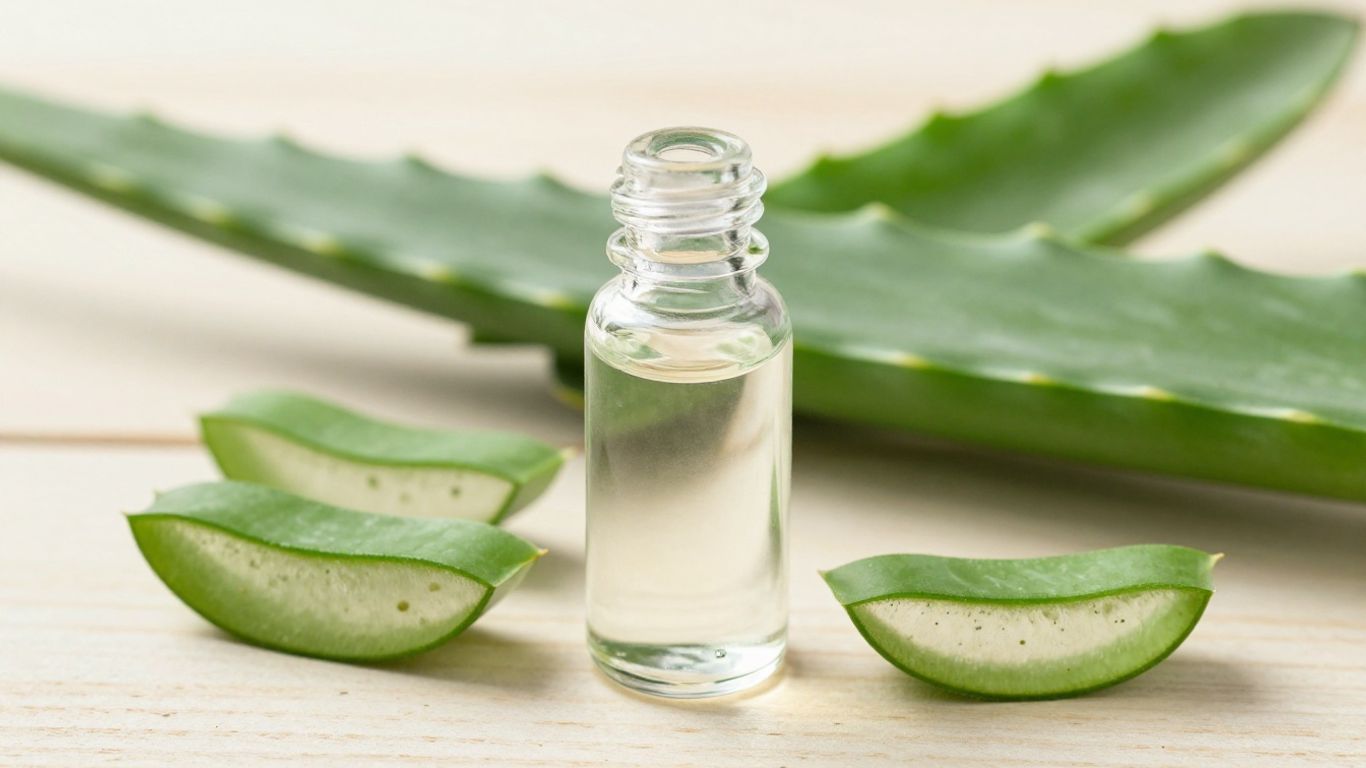
The role of aloe vera in moisture retention
Aloe vera has long been celebrated for its incredible ability to calm irritation and hold hydration in the surface layers of the skin. This plant-derived powerhouse provides a soothing sensation that makes intimacy feel seamless and natural. Because it is water-soluble, aloe-based formulas provide a gentle and effective experience that is often favored by gynecologists for those with dry or sensitive tissues.
Coconut, hemp, and plant-based oils for long-lasting glide
Plant-based oils like coconut and hemp offer a thicker, more luxurious consistency that stays put during extended play sessions. These oils are rich in fats that nourish the skin while providing a natural barrier against friction. While oils are excellent for massage, it is necessary to remember that they often require specialized cleansing compared to their water-soluble counterparts.
Plant-derived hyaluronic acid for enhanced comfort
Hyaluronic acid is a remarkable molecule capable of holding significant amounts of water, making it a standout additive in premium personal products. In lubricant formulas, this ingredient ensures that the surface remains hydrated for longer periods, reducing the need for constant reapplication during intimate moments. It mimics the body's own natural secretions to provide a smooth, comfortable glide that feels completely organic.
Selecting pH-balanced formulas that mimic natural secretions
Maintaining the correct pH balance is the secret to a comfortable, infection-free intimate life, as it ensures your natural microbiome remains stable. Formulas designed with this scientific rigor often incorporate lactic acid to mirror the body’s internal health markers. Many shoppers look for the best lubes for comfort, and finding best lubes that prioritize this internal compatibility is a essential step for long-term user health.
Safety and compatibility considerations
Strategies for testing skin sensitivity before first use
Any new personal product should undergo a simple patch test on a less sensitive area of your skin before full application. Apply a small amount to your inner wrist or forearm and wait 24 hours to ensure there are no signs of redness or itching. This proactive step helps identify potential allergens or sensitivities you may not have been aware of previously.
Evaluating compatibility with silicone toys and latex condoms
It is vital to match your lubricant type to the accessories you are using to prevent degradation of materials. For example, oil-based lubricants can compromise the structural integrity of latex condoms and some silicone toys, causing them to break or tear. Water-based solutions like Arousellube are typically safe for all varieties of toys and condoms, offering a versatile choice without the risk of material damage.
Identifying potential allergens in specific herbal extracts
While herbal additives can be wonderful, they can also present risks for individuals with specific plant allergies. Always review the full ingredient list for items like essential oils or nut extracts if you have known triggers. When in doubt, choosing fragrance-free and dye-free formulas significantly minimizes the probability of a contact dermatitis reaction.
Consulting a healthcare provider about intimate hygiene products
If you have a history of recurrent infections or chronic dryness, professional medical advice is always the safest route. A doctor can help determine if your dryness is related to hormonal changes or medication and may suggest specific, pH-balanced lubricants to support your healing. They can also offer guidance on the best brands for your particular physical profile.
How to choose the right formula for your needs
Selecting lubricants based on individual sensitivity and dryness levels
Identifying what your body needs is the first step in finding a lubricant that enhances your pleasure. Those with hyper-sensitivity should opt for minimal-ingredient profiles that are water-soluble and free from glycerin. Use the table below to compare the properties of common lubricant types to decide which fits your specific requirements.
| Lubricant Type | Primary Benefit | Best For | Cleanup Complexity |
|---|---|---|---|
| Water-Based | Easy cleaning | All toys & condoms | Very low |
| Oil-Based | Long duration | Non-condom play | High |
| Silicone-Based | High slip | Waterproof activities | Moderate |
Matching viscosity and consistency to your preferred activities
Different activities may benefit from varying levels of thickness in your lubricant. Thinner, watery consistencies are often preferred for quick sensations, while thicker gels provide the cushion needed for longer sessions. Consider whether your preference leans toward a product that absorbs quickly or one that stays on the skin surface for extended periods.
Weighing the importance of flavor-free versus flavored options
Flavor-free formulas are generally considered the safest choice when you want to avoid artificial sweeteners or dyes. If you do choose a flavored option, look for those that use natural flavorings derived from fruits or botanicals to avoid potential irritation. For many, simply avoiding additional flavors is the best way to maintain peace of mind regarding intimate health.
Sustainability criteria and eco-friendly packaging choices
Many consumers now look toward brands that offer recyclable packaging or refillable systems to reduce environmental impact. Ethical production also encompasses cruelty-free and vegan certification, which aligns the product with your personal values. Here are a few ways to ensure your purchase meets sustainable standards:
- Look for certifications like vegan or cruelty-free symbols on the label.
- Choose refillable containers to lower the amount of plastic waste.
- Check for biodegradable formulations that won't harm local waterways.
- Support companies that maintain transparent ingredient sourcing practices.
When to avoid common synthetic additives
The physiological impact of parabens and glycerol
Synthetic preservatives like parabens are used to extend product shelf life, but they can be problematic for delicate tissues sensitive to chemical stabilizers. Similarly, while glycerol is a common additive, its high sugar content may lead to an imbalance in the vaginal flora for some users. Arousellube intentionally excludes these additives, focusing on a clean, water-based approach that respects your intimate harmony.
Risks associated with synthetic fragrances and artificial dyes
Artificial fragrances and dyes are primary contributors to chemical-induced irritation. These agents add no clinical value, yet they remain prevalent in mass-market products. Choosing lubricants without these additions ensures you are treating your body to straightforward, effective components rather than unnecessary filler molecules.
Why some petroleum-based products cause irritation for sensitive skin
Petroleum-based lubes are occlusive, meaning they trap heat and moisture in a way that doesn't allow the skin to breathe. This can lead to increased discomfort or infections when used on sensitive areas. Moving away from heavy mineral oils to lighter, water-based alternatives is a simple modification that can drastically improve your comfort level.
Recognizing the early symptoms of a contact dermatitis reaction
If you experience abnormal burning, itching, or swelling shortly after applying a product, your skin may be signaling an allergic response. A contact dermatitis reaction can occur suddenly, even if you have used the product successfully before. If symptoms persist for more than a few hours, gently clean the area with mild soap and water, and avoid using the product until you can identify the culprit ingredient.
Proper application and lifestyle tips
How to apply lubricant for maximum efficacy and comfort
Application is an art that contributes significantly to the final outcome of your intimate moments. Use a small amount at first, then add more as needed to ensure the surface stays slick without becoming messy. Warming the product in your palms before application can also make the experience feel more natural and attentive to your partner's response.
Storage practices to preserve the integrity of natural ingredients
Natural lubricants contain ingredients that can degrade when exposed to heat, sun, or large temperature fluctuations. To keep your product safe and consistent, store it in a cool, dark cabinet away from the bathroom window. Always ensure the cap is tightly sealed after each use to prevent bacterial contamination.
Maintaining hygiene when using organic or refillable products
Refillable systems are excellent for the environment but require diligent cleaning to be kept safe. Ensure that any pump or container is thoroughly washed with mild soap and dried completely before refilling with a new batch. Keeping your accessories in a designated, clean storage bag also helps to keep them free from lint and dust.
Managing cleanup and skin care after use
Post-intimacy cleanup should be gentle to avoid irritating the area after the pH has been balanced by our natural secretions. A quick rinse with lukewarm water is usually sufficient for water-based products. If you feel any lingering soreness, applying a gentle, fragrance-free moisturizer can aid in recovery and keep your skin soft for next time.
Conclusion
Selecting the right natural personal lubricant is an important step in prioritizing your intimate wellness and long-term physical comfort. By becoming a more informed consumer—one who understands the difference between synthetic additives and plant-derived, pH-balanced formulas—you can ensure every experience is safe, pleasurable, and entirely customized to your body’s unique needs.
Frequently Asked Questions
Is it safe to use natural lubricant every day?
Yes, provided the formula ispH-balanced and free from harsh synthetic chemicals that might irritate delicate tissues over time.
Can natural ingredients truly replace synthetic lubes?
Many natural ingredients are just as effective as synthetic counterparts because they provide excellent lubrication properties while being much gentler on the skin.
Do organic lubricants expire faster than standard ones?
They may have a slightly shorter shelf life because they lack aggressive synthetic preservatives, so always check the manufacturing date and follow storage instructions.
Are oil-based natural lubricants safe with condoms?
Oil-based products are generally not condom-safe, as they can weaken the latex material, so always check your lubricant label before use.
Why does my lubricant have a specific smell?
Pure natural formulas often have a very subtle scent derived from their organic ingredients, such as aloe, which is completely normal and safe.
Can I make my own lubricant at home?
Yes, there are several simple, water-based recipes you can make safely using ingredients like aloe vera, though shop-bought versions often feature shelf-stabilizing testing.
What should I do if a natural lubricant causes burning?
If you experience any burning, immediately cease use, gently wash the area with lukewarm water, and discontinue that specific product to avoid further irritation.
For More Arousellube Blogs Please Click here
For Arousellube Collection Please Click here





































































