

Posted by Mike
on August 11, 2026

Key Takeaways
Choosing a vegan personal lubricant ensures your intimate choices align with your ethical values and personal wellness goals. This guide covers how to select safe, plant-based products for everyday intimacy.
- Vegan lubes exclude animal-derived components like glycerin, lanolin, and casein.
- Plant-based formulas offer superior biocompatibility for those with sensitive skin.
- High-quality vegan ingredients include aloe vera, hyaluronic acid, and botanical extracts.
- Verified certifications, such as the Leaping Bunny, help avoid misleading marketing claims.
- Proper patch testing and storage are essential steps for maintaining product stability and safety.
Understanding what makes a personal lubricant vegan
Selecting a vegan personal lubricant involves looking beyond the surface to understand the specific components used in manufacturing. When products are labeled as vegan, it means they are formulated entirely without animal-derived additives, which are traditionally used to achieve specific viscosity or shelf-life characteristics. By prioritizing plant-derived comfort, you ensure that your intimate essentials align with an ethical approach to wellness.
Defining vegan-certified intimate products
Vegan intimate products are formulated using strictly plant-based or synthetic alternatives that do not require animal testing or animal-derived source material. Brands like You & Me Romeo Vegan Lubricant prioritize these standards, offering formulations that respect the intimate environment without compromising on efficacy. These products often rely on botanical bases that provide long-lasting glide while maintaining a clean, cruelty-free production cycle.
The importance of avoiding animal-derived glycerin
Many conventional lubricants utilize glycerin, which can sometimes be sourced from animal fats. If a product does not specify its source, it may contain hidden animal-based ingredients that vegans prefer to avoid. Opting for glycerin-free or plant-derived glycerin alternatives allows for a more consistent, allergy-conscious experience while ensuring the product remains compliant with strict vegan standards.
Differences between vegan and cruelty-free standards
It is common to confuse vegan and cruelty-free labels, though they serve different functions. A vegan label confirms that no animal ingredients are present, while a cruelty-free label ensures that the product—and often its individual ingredients—was never tested on animals during development. A high-quality product often maintains both, providing a transparent manufacturing path that protects both the consumer and animal welfare.
Key ingredients to look for in vegan lubricants
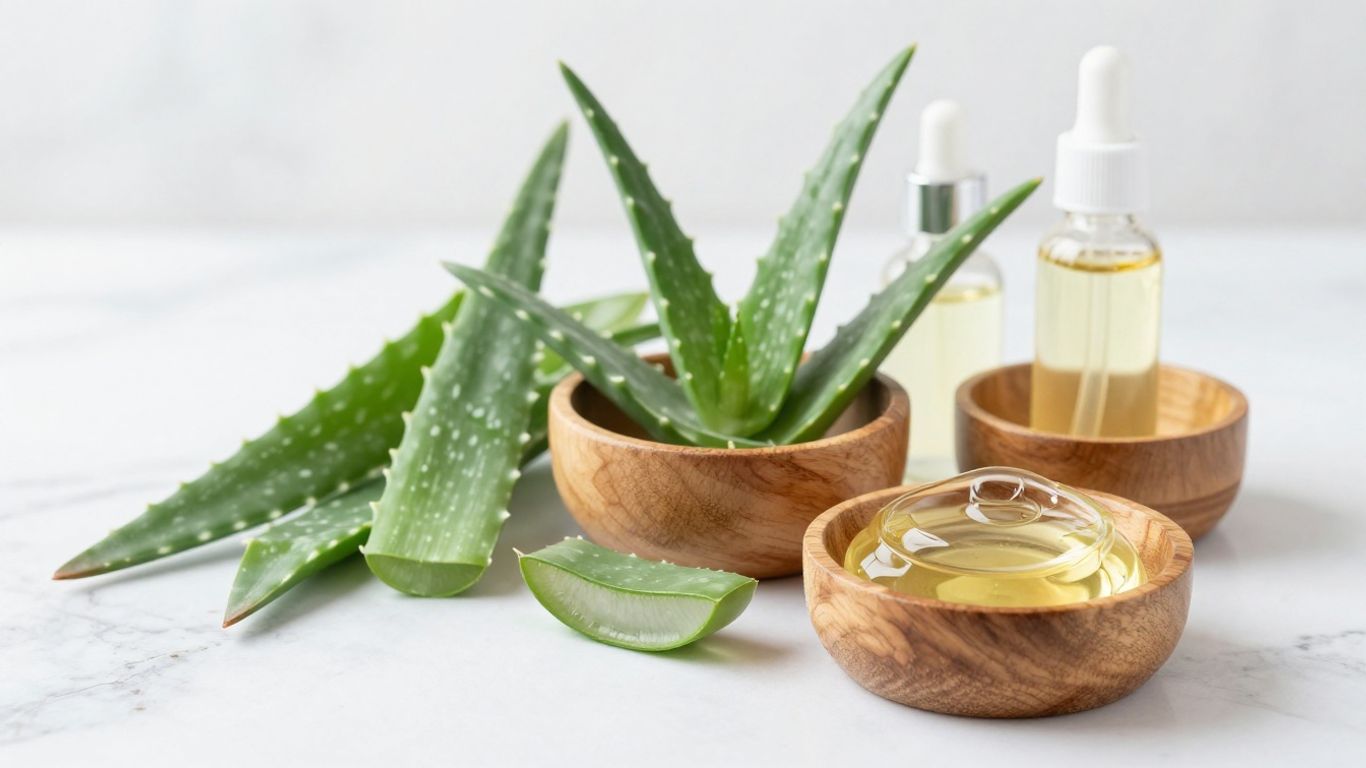
Finding the right vegan lubricant requires prioritizing effective, bio-mimetic ingredients that soothe the skin. Rather than relying on harsh synthetics, modern plant-based formulations use natural moisturizers that perform well under varied conditions. When evaluating products, consider these essential components that enhance your pleasure while remaining gentle on your body.
Aloe vera for natural hydration
Aloe vera is a cornerstone of many ArouseLube formulations because of its soothing and hydrating properties. It naturally mimics the body's own moisture, providing a silky, comfortable glide without the stickiness found in some traditional chemical-based products. Its lightweight nature makes it ideal for frequent or prolonged use.
Hyaluronic acid for long-lasting moisture
Hyaluronic acid is a powerful humectant that draws moisture into the skin, helping to keep tissues soft and lubricated over extended periods. Because it is naturally found in the human body, it is exceptionally biocompatible, reducing the risk of irritation while ensuring the product does not dry out prematurely during use.
Natural plant-based oils and botanical extracts
Plant oils provide excellent slip and can be chosen based on their unique nourishing qualities. The following ingredients are commonly recommended for those seeking a natural, non-toxic addition to their intimate care routine:
- Coconut oil for long-lasting smoothness
- Jojoba oil for its resemblance to natural sebum
- Chamomile extract for its soothing anti-inflammatory effects
- Vitamin E for skin-barrier support and healing
These ingredients allow for a truly luxurious, nourishing experience that leaves the skin feeling cared for long after the product has been wiped away.
Ingredients to avoid in standard personal lubricants
Avoiding certain chemicals is a vital step toward maintaining your intimate health. Many standard lubricants incorporate ingredients that can disrupt the natural balance of the vaginal flora or cause irritation in sensitive cases. By steering clear of these common offenders, you can protect your body from unnecessary chemical exposure.
Parabens and potential endocrine disruptors
Parabens are sometimes used as preservatives to prolong shelf life, but some studies suggest that these compounds may act as endocrine disruptors. Because the tissues involved are highly absorbent, choosing paraben-free formulas is a prudent strategy for long-term health and wellness. Always check labels to ensure your product is free from these potentially concerning additives.
Synthetic fragrances and artificial dyes
Fragrances and dyes are purely aesthetic but frequently cause contact dermatitis or allergic reactions. These synthetic additives offer no functional benefit during intimacy and significantly increase the likelihood of irritation. A focus on LoveSlick Intimate Personal Lubricant reminds us that high-quality, fragrance-free, and dye-free formulas are actually superior for sensitive individuals and those prone to discomfort.
Animal-derived ingredients like lanolin or casein
Lanolin, derived from sheep's wool, and casein, a milk protein, are sometimes used for texture control in cheaper lubricants. These are incompatible with a vegan lifestyle and can also trigger unexpected allergies in individuals who are sensitive to milk or wool-based proteins. Authentic vegan lubricants completely exclude these ingredients in favor of clean, plant-derived alternatives.
Benefits of choosing plant-based luxury products
Choosing luxury, plant-based products offers more than just ethical satisfaction; it provides a tangible improvement in the quality of your intimate interactions. The shift toward natural ingredients often correlates with higher manufacturing standards and better dermatological safety profiles. By prioritizing quality, you invest in products designed to safely maximize sensation.
Improved biocompatibility for sensitive skin
Plant-based formulas are less likely to contain the harsh chemical cross-linkers that lead to allergic reactions or tissue inflammation. Their composition often reflects the body’s own natural state, ensuring that the lubricant works with your chemistry rather than against it. The following table highlights why these products represent a healthier choice for consumers:
| Feature | Conventional Lube | Plant-Based Luxury |
|---|---|---|
| Tissue Irritation | Common | Very Low |
| pH-Balance | Often Distorted | Naturally Supported |
| Absorbency | High/Unpredictable | Consistent/Gentle |
| Animal Testing | Potential | Certified None |
This table illustrates the fundamental differences that define today’s high-end, conscious approach to intimacy.
Environmental impact of ethically sourced formulas
Ethically sourced, vegan-friendly lubricants often utilize sustainable farming practices for their botanical ingredients. This reduces the carbon footprint associated with mass-market chemical manufacturing and promotes the use of renewable resources. Choosing products that prioritize an ecological perspective is a simple way to extend your values into every part of your lifestyle.
Enhanced product safety and manufacturing transparency
Luxury brands often go the extra mile to provide transparency about their ingredient provenance and testing protocols. Consumers can rely on third-party verification to confirm that the product is indeed safe and ethically produced. This heightened level of oversight provides peace of mind that a product is free from contaminants and held to the highest possible standard.
How to identify verified vegan and cruelty-free certifications
Navigating marketing terminology can be tricky, as terms like "natural" are often unregulated. Relying on verified, third-party logos is the most reliable way to ensure a product actually meets the standards of being vegan and cruelty-free. These stamps of approval represent significant effort by manufacturers to validate their claims.
Recognizing the Leaping Bunny logo
The Leaping Bunny logo is the gold standard for cruelty-free verification. It indicates that the company has committed to a standard that prohibits animal testing at every stage of the product development process, including the sourcing of individual ingredients from suppliers.
Checking PETA’s cruelty-free database
PETA maintains an extensive, searchable database of companies that have pledged to remain cruelty-free. If you are ever unsure about a brand’s practices, a quick search through this register can confirm their status and help you make a decision based on real, substantiated information.
Distinguishing third-party labels from unregulated marketing claims
Avoid packages that simply state "natural" without providing a certification seal from an established organization. Anyone can claim a product is "naturally inspired," but true botanical integrity is validated by organizations like the V-Label or certified organic standards. Always look for the seal to protect your health and your wallet.
Best practices for testing and using new lubricants
Even with the safest, most natural ingredients, individual sensitivities vary. It is always wise to approach new products as you would any other skincare item, by taking the time to test them briefly. Adopting a methodical approach to trying new formulas will pay dividends in your overall experience.
Conducting a patch test for allergy prevention
Before using a new lubricant during intimate activity, apply a small amount to the inside of your wrist or elbow. Wait twenty-four hours to check for any signs of redness, itching, or swelling. This simple act of prevention can save you from potential irritation in more sensitive areas.
Prioritizing pH-balanced formulations
Maintain your natural balance by selecting products that explicitly state their pH-balanced status. Your body has its own delicate internal chemistry; as ArouseLube demonstrates, maintaining this balance is crucial for comfort and preventing unwanted infections or discomfort. Products that have been third-party tested for safety generally outperform alternatives that do not account for vaginal chemistry.
Proper storage to maintain ingredient stability
Essential oils and botanical extracts are sensitive to light and high temperatures. To keep your lubricants fresh, store them in a cool, dark cabinet away from direct sunlight or heavy humidity.
Properly stored lubricants maintain their texture and chemical balance for longer periods. By keeping your products in an optimal environment, you protect your investment and ensure that the formulation remains as effective and gentle as the day you first opened it.
Conclusion
Opting for a vegan personal lubricant is a meaningful way to harmonize your intimate health with your ethical values. By selecting high-quality, plant-based formulas that prioritize botanical purity and safe pH levels, you provide your body with the respect it deserves, ensuring that your experiences remain pleasurable, comfortable, and conscious.
Frequently Asked Questions
Why should I consider switching to a vegan lubricant?
Vegan lubricants are often cleaner, featuring fewer synthetic additives and harsh chemicals compared to traditional options, making them a better choice for skin health.
Can vegan lubes be used with latex condoms?
Most water-based vegan lubes are fully compatible with latex condoms, but you should always check the label, as oil-based vegan formulas can cause latex degradation.
Are botanical ingredients always better than synthetic ones?
Botanical ingredients often offer superior soothing and nourishing benefits, but it is the overall formulation that matters most, particularly concerning pH-balance and biocompatibility.
Is patch testing necessary if the ingredients are natural?
Yes, absolutely, because natural extracts can still trigger individual allergies or sensitivities that vary strictly from person to person.
How long can I keep my vegan lubricant once opened?
Most lubricants have a shelf-life indicated on the packaging, but they should generally be used within six to twelve months of opening to ensure freshness.
Should I be worried about glycerin in vegan products?
While glycerin is a common moisture agent, you should look for "plant-derived" labels if you are strictly vegan, as generic glycerin might be sourced from animal fats.
Does vegan certification mean the product is also organic?
No, vegan certification specifically addresses the absence of animal products and testing; if you want organic ingredients, look for a separate secondary organic certification.





































































