

Posted by Mike
on September 23, 2026

Key Takeaways
The best personal water based lubricant is the one that feels comfortable for you and fits your plans. A few careful checks can help narrow the options.
- Water-based formulas are easy to wash off and often work across different kinds of intimacy.
- Texture, ingredients, and personal sensitivity matter as much as the product’s base.
- Check the label for condom and toy compatibility rather than assuming it.
- Add more lubricant if friction returns, and stop if irritation develops.
- Persistent dryness or pain deserves a conversation with a healthcare professional.
What water-based lubricant is and how it works
Water-based lubricant uses water as its primary base to reduce friction during intimate activity. Formulas vary, so one may feel light and fluid while another has a thicker gel-like texture. For many people, the appeal is a versatile feel and straightforward cleanup, though personal preference is the real test.
How water-based formulas differ from silicone and oil
The base affects how a lubricant feels, how it cleans up, and what it can be used with. Water-based products are generally easy to rinse away, while silicone- and oil-based formulas have different textures and compatibility considerations. This quick comparison can help you decide what details to check on a label.
| Formula base | Common feel | Cleanup consideration |
|---|---|---|
| Water-based | Often light or gel-like | Usually rinses away with water |
| Silicone-based | Often smooth and more persistent | May take more effort to wash away |
| Oil-based | Often rich or slick | Can leave residue and may affect latex |
These are broad tendencies, not promises about every formula. Read the package directions, especially if you use condoms or a sex toy, and let your own comfort guide the choice.
What to expect from the texture and feel
A water-based formula can feel thin and slippery or thicker and more cushiony, depending on its ingredients and formulation. If you are unsure what suits you, try a small amount first and notice whether the glide feels comfortable without being distracting. A guide to choosing a lubricant can also help you think through feel and personal preference.
Texture descriptions on packaging are only a starting point; the same product can feel different from one person to another. This overview can help set expectations for how lubricant texture looks and feels:
Think of the first try as a low-pressure test, not a commitment. If the texture does not feel right, another water-based formula may have a different consistency.
Why some formulas dry out faster than others
Water-based lubricant can feel less slippery as moisture evaporates or is absorbed during use. Formula, amount, and the length or type of activity can all affect how often you need to reapply. If friction returns, pause and add more rather than pushing through discomfort.
Some formulas may feel tackier as they dry, while others remain comfortable for longer. There is no single reapplication schedule that works for everyone, so use the product label and your comfort as guides.
When water-based lubricant may be a practical choice
A water-based formula can be a practical option when you want easy cleanup or a lubricant that fits several kinds of intimate activity. The best personal water based lubricant is not necessarily the one with the most claims; it is the one that suits your body, preferences, and intended use. Check its specific directions if you plan to use it with condoms or toys.
How to compare formulas and ingredients
Ingredient lists and package directions can tell you more than a front-label promise. Since formulas differ, look for information that matters to your body and intended use, rather than relying on a broad claim like “gentle.” A clear label makes it easier to decide what you are comfortable trying.

Check the ingredient list for potential irritants
If you have had irritation with personal care products before, take a moment to read the full ingredient list. Fragrance, flavoring, or other additives may not suit everyone, and sensitivity can be individual. A short ingredient check can help you spot ingredients you already know you prefer to avoid.
When comparing labels, it may help to focus on a few practical questions:
- Does the ingredient list include anything you have reacted to before?
- Is the formula scented, flavored, or designed to create a warming sensation?
- Does the package clearly explain intended use and directions?
- Can you test a small amount before using more?
These checks cannot predict every reaction, but they make a first trial more considered. Arousellube water-based edible personal lubricants are made with natural ingredients; review the specific product label to understand its formula and directions.
Consider fragrance, flavor, and warming additives
Fragrance, flavor, and warming ingredients can change the experience, but they may also be unwanted if your skin or tissue is sensitive. If you have concerns, a simpler, unscented option may be a more comfortable place to start. When considering an edible lubricant, make sure the packaging identifies it as intended for that use.
Arousellube water-based edible personal lubricants are designed to enhance pleasure and intimacy. Whether an edible formula fits your plans is a personal choice, and the product’s directions should guide how it is used.
Understand pH and osmolality in vaginal lubricants
For vaginal use, pH and osmolality are two formula details that may be worth considering. pH describes acidity or alkalinity; osmolality describes the concentration of dissolved substances in a solution. These measurements are not always easy to interpret from a label, and they do not replace checking how a formula feels for you.
If a product provides pH or osmolality information, consider it alongside the ingredient list and intended use. Arousellube offers pH-balanced formulas, according to its brand information; check the individual product label for details relevant to your needs. If you are uncertain which kind of product is appropriate, a healthcare professional can help.
Compare simple formulas with added soothing ingredients
A formula with fewer extras can make it easier to identify ingredients you would rather avoid, while added ingredients may appeal to people looking for a particular feel. Neither description guarantees that a product will suit everyone. Give more weight to the full ingredient list and your own experience than to a single marketing phrase.
You can compare options by noting the base, additives, and intended use before buying. That small pause may help you avoid choosing solely on a product’s name or front-label claims.
How to match lubricant to your needs
The right formula depends on what feels comfortable, the kind of activity you have in mind, and any sensitivities you already know about. There is no universal choice, and preferences can change over time. A little trial and observation can help you find a better fit.
Choose based on skin and tissue sensitivity
If you are sensitive to scented body products or have reacted to a lubricant before, consider an unscented formula with a clear ingredient list. Start with a small amount and notice how your body responds. If you have a known allergy, avoid the relevant ingredient and ask a clinician if you are unsure about a substitute.
A product described as natural or gentle is not automatically right for every person. Individual response matters, so keep track of what feels comfortable and discontinue a product that causes irritation.
Consider vaginal dryness and other sources of discomfort
Lubricant may help reduce friction when dryness is part of the issue, but it does not explain why discomfort is happening. Changes in hormones, medications, or other health factors can contribute to vaginal dryness. You can read about common sources of vaginal dryness, but persistent pain or dryness is worth discussing with a healthcare professional.
If discomfort continues despite using lubricant, or happens repeatedly, do not treat reapplication as the only answer. A clinician can help assess possible causes and discuss options suited to your situation.
Look for a texture that suits solo or partnered use
A thinner formula may spread easily, while a thicker one may feel more cushioning to some people. Your preferred texture can depend on the activity, where you apply it, and how much glide feels comfortable. Reading reviews for specific descriptions can be more useful than relying on a broad “long-lasting” claim.
Try a small amount and adjust gradually. If you want more glide, add a little; if the texture feels too heavy or tacky, a different formula may suit you better.
Decide whether a flavored formula fits your plans
A flavored lubricant may be appealing for some kinds of intimacy, but it is not essential. Check that the product is specifically labeled for the intended use, and consider whether flavoring or other additives could bother you. If you are unsure, choose a formula without those extras.
Arousellube water-based edible personal lubricants are made for edible use, as described in the brand brief. Follow the label rather than assuming that every personal lubricant is suitable for the same purpose.
How to check condom and toy compatibility
Compatibility is a label-checking step, not something to guess based on a lubricant’s texture. Confirm what the manufacturer says about condoms and any toys you plan to use. If the package does not answer your question, contact the product maker before use.
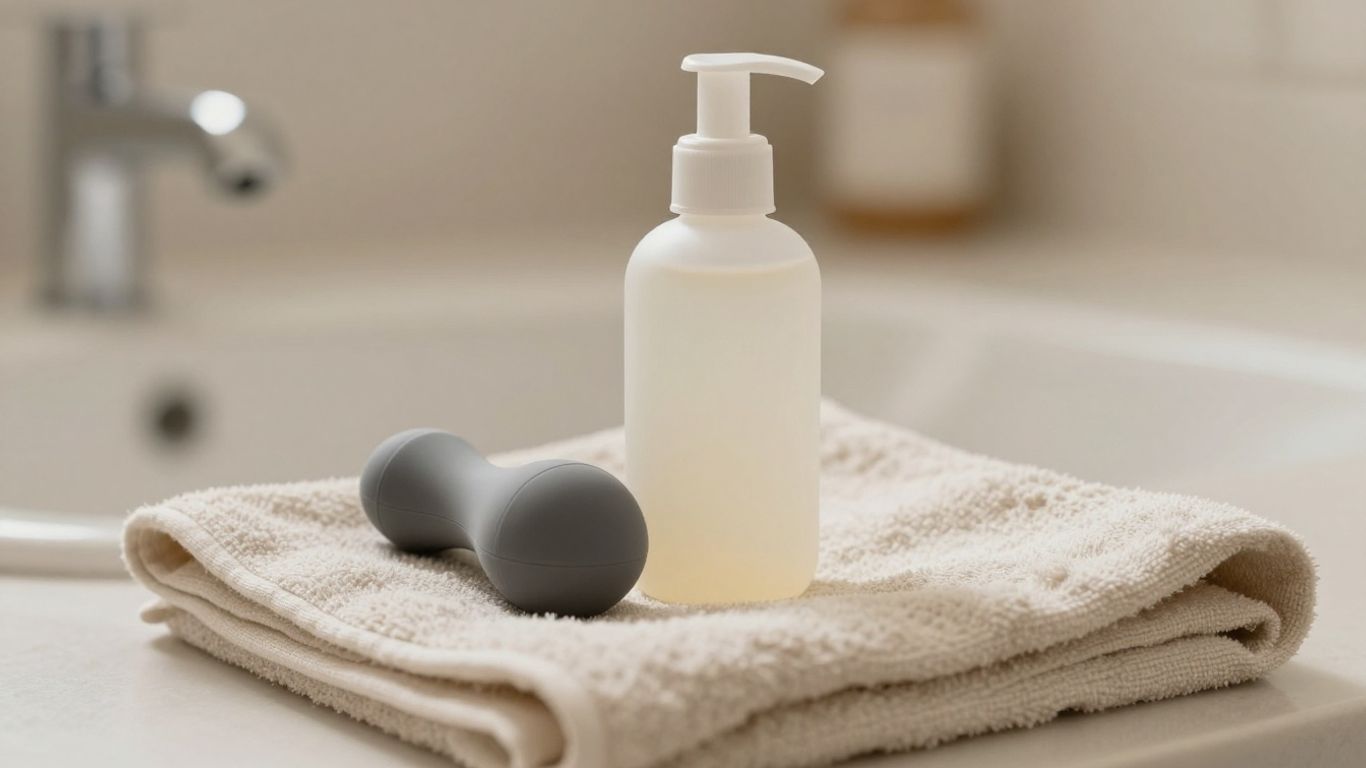
Confirm compatibility with latex condoms
Many water-based lubricants are used with latex condoms, but you should still check the specific product label for compatibility. Follow both the condom and lubricant instructions, and do not use a product that warns against latex. The package is the most direct guide for that particular formula.
If the directions are unclear, choose a product with explicit compatibility information or ask the manufacturer. This simple check helps avoid relying on assumptions about all water-based products being identical.
Check the manufacturer’s guidance for sex toys
Materials used in toys vary, and so can manufacturers’ recommendations for cleaning and lubricant use. Check the toy instructions as well as the lubricant label, particularly for toys made from silicone or other materials with specific care guidance. When the answer is uncertain, follow the toy maker’s advice.
Water-based formulas are often considered a versatile starting point, but compatibility should be confirmed for the specific products you own. Clean the toy according to its instructions after use.
Know why oil-based products can damage latex
Oil-based products can weaken latex, which may increase the chance of a condom breaking. Avoid pairing oil with latex condoms, and check the condom maker’s instructions for other materials as well. This is a useful distinction to remember when switching between lubricant types.
The base alone does not tell you every detail about a formula, so check the label before use. If you need a lubricant compatible with a particular condom, the manufacturer’s directions should take priority.
Reapply as needed during use
If a water-based lubricant begins to feel dry or friction returns, pause and add more as needed. Use enough to feel comfortable, while following the product’s directions. Reapplying is a practical adjustment, not a sign that you chose the wrong formula.
If repeated reapplication still does not feel comfortable, you may prefer a different texture or product. Stop if irritation or pain occurs rather than trying to work through it.
How to use lubricant comfortably and safely
Using lubricant does not need to be complicated. Start with a small amount, give yourself time to notice how it feels, and follow the instructions on the package. Clean hands and careful storage are simple habits that support a more comfortable experience.
Start with a small amount and add more if needed
Begin with a small amount and add more if you want additional glide. The right amount varies by person and activity, so let comfort guide you rather than measuring against someone else’s routine. If friction returns, pause and reapply.
A small first application can also help you assess the texture and your response before using more. Keep the product label nearby if it includes specific use instructions.
Apply externally or internally as appropriate
Apply lubricant where it is needed for comfort, following the product’s directions and intended use. Some people use it externally, while some products are also intended for internal use. Do not assume that every formula is suitable for every body area.
If you are using a product with a specific applicator or instructions, follow them closely. When unsure whether a product is appropriate for internal use, check the label or ask a healthcare professional.
Stop using a product if irritation occurs
If you notice burning, itching, swelling, or other irritation after applying lubricant, stop using it and rinse the area gently with water if appropriate. Avoid trying the same product again until you understand what may have caused the reaction. Seek medical advice for severe or persistent symptoms.
A reaction does not necessarily mean every lubricant will cause the same response. If irritation recurs with different products, a clinician can help you consider possible causes and next steps.
Store the bottle according to its label
Follow the storage instructions printed on the bottle, including any guidance about temperature, closing the cap, or using the product by a particular date. Keep the container clean and closed between uses. Avoid using a product if its packaging is damaged or its appearance or smell has changed unexpectedly.
Storage directions can vary by formula, so the label is more reliable than a general rule. Keeping the instructions with the product makes it easier to check them when needed.
How to choose and evaluate a product
Shopping for lubricant is easier when you compare a few concrete details rather than trying to find a perfect-sounding claim. Consider the intended use, ingredients, compatibility directions, and the amount you are likely to use. Reviews and packaging can help, but neither replaces your own comfort or medical advice when symptoms persist.
Use packaging claims as a starting point, not a guarantee
Terms such as “natural,” “gentle,” or “long-lasting” are useful prompts to investigate, not a promise about how a formula will work for you. Read the ingredient list and directions, and look for clear information about the product’s intended use. If a claim matters to your decision, see whether the package explains what it means.
Arousellube offers pH-balanced formulas, according to its brand information. Check the specific product details and evaluate any formula based on its directions and your preferences.
Read reviews for details about texture and staying power
Reviews can be useful when they describe a specific experience, such as whether a formula felt thin, tacky, or easy to rinse away. Look for patterns across multiple reviews rather than treating one person’s reaction as a prediction. Your body and preferences may differ from theirs.
Reviews are most helpful when they explain what the person noticed and how they used the product. They are less useful as a substitute for ingredient details or manufacturer guidance.
Compare bottle size, applicator, and cost per use
A larger bottle may cost more upfront but provide more product; a smaller container may be easier to handle or store. Compare the amount in each package and consider how much you typically use per application. If an applicator is included, check whether its design and use instructions suit your needs.
Cost per use can be hard to know before trying a product, so treat it as an estimate rather than a promise. A bottle that is easy to dispense and store may matter just as much as the listed price.
Ask a healthcare professional about persistent dryness or pain
Occasional dryness may be manageable with lubricant, but ongoing dryness or pain is not something you need to simply tolerate. A healthcare professional can help identify potential causes and discuss appropriate options. Seek advice sooner if symptoms are severe, new, or accompanied by other changes that concern you.
A product choice can support comfort, but it cannot diagnose or treat the reason for persistent symptoms. Bring the lubricant’s packaging or ingredient list to an appointment if you think it may be relevant.
Conclusion
Choosing a water-based lubricant is a matter of matching formula, feel, and compatibility to your body and plans. Read the label, start with a small amount, and let comfort guide your next step; if dryness or pain persists, ask a healthcare professional for help.
Frequently Asked Questions
What is water-based lubricant?
It is a personal lubricant with water as its primary base, made to reduce friction during intimate activity. Formulas vary in texture and ingredients, so check the label and choose based on your intended use and comfort.
Does water-based lubricant dry out?
It can feel less slippery as moisture evaporates or is absorbed. If friction returns, pause and add more as needed, following the product’s directions.
Is water-based lubricant compatible with latex condoms?
Many water-based lubricants are used with latex condoms, but always confirm compatibility on the specific product label and follow the condom instructions.
Can water-based lubricant be used with sex toys?
It may be suitable for some toys, but materials and care recommendations differ. Check both the lubricant label and the toy manufacturer’s guidance.
How do I know if a lubricant may irritate me?
No label can predict every individual reaction. Read the ingredients, consider any sensitivities you already know about, and stop using the product if irritation occurs.
What should I consider for vaginal use?
Check the product’s intended use, ingredients, and any available information about pH or osmolality. If you have concerns or symptoms, ask a healthcare professional for guidance.
When should I seek help for dryness or pain?
Talk with a healthcare professional if dryness or pain is persistent, recurring, severe, or concerning. Lubricant may reduce friction, but it does not identify the cause of ongoing symptoms.