

Posted by Mike
on July 20, 2026

Key Takeaways
Selecting the right product involves understanding base formulas, checking ingredient integrity, and ensuring compatibility with your current tools. Follow this guide to enhance your comfort and overall intimate well-being through informed choices.
- Prioritize water-based formulas for their versatility and safety with most materials.
- Check for pH-balanced ingredients to maintain your body's natural flora.
- Always verify compatibility before using lubricants with specific sex toys or condoms.
- Perform a patch test to prevent adverse skin reactions.
- Look for third-party tested certifications to ensure product quality and purity.
Understanding base ingredients
Choosing the right lubricant begins with identifying the primary base, as this dictates how the product feels, how long it lasts, and its compatibility with other items. Understanding the nuances of these formulas allows you to curate an experience that aligns with your specific preferences for glide and comfort. Whether you seek immediate moisture or long-term performance, scientific clarity helps narrow down your options significantly.
Water-based lubricants and their versatility
Water-based options are the gold standard for many, as they are generally gentle and easy to cleanse without residue. ArouselLube utilizes natural, plant-derived ingredients in its formulations, offering a sophisticated experience that prioritizes safety. These products are easy to reapply and do not break down materials, making them ideal for daily use and spontaneous intimacy.
Silicone-based options for long-lasting use
Silicone-based lubricants are prized for their thick, silky texture that resists drying out, even during extended activity. They provide a stable, long-lasting barrier that reduces friction significantly compared to lighter alternatives. However, they are not always compatible with silicone toys, so checking the material of your accessories is essential before application.
Oil-based formulas and potential risks
Oil-based lubricants, such as those formulated with coconut or mineral oils, offer a heavy-duty glide that many find comforting for specific types of play. These formulas can degrade latex condoms and may be harder to remove from fabric or skin. Because they are not water-soluble, their use requires careful cleanup to avoid leaving any lingering moisture or staining surfaces.
Analyzing compatibility with sex toys and condoms
Safety depends heavily on your choice of personal lubricants, especially when integrating toys or barrier methods into your routine. Using an incompatible product can physically damage high-quality sensors or silicone surfaces.
| Lubricant Base | Condom Compatibility | Silicone Toy Safety | Cleanup Ease |
|---|---|---|---|
| Water-based | Safe | Safe | High |
| Silicone-based | Safe | Not Safe | Moderate |
| Oil-based | Unsafe | Unsafe | Low |
Selecting the correct base is critical, as using the wrong one might compromise your gear or limit the effectiveness of your primary safety measures.
Identifying your specific needs
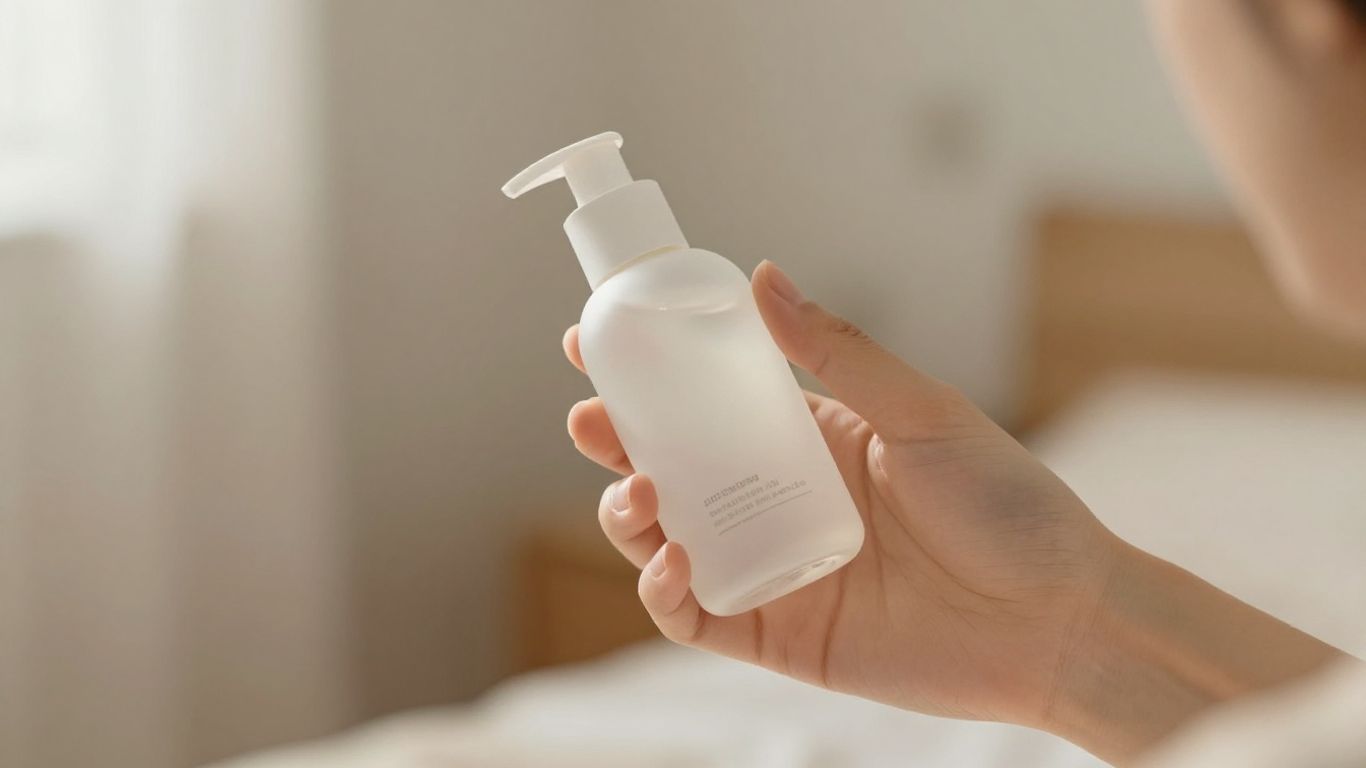
Individual physiology and activity choices often dictate which product will serve you best in the long run. Many people discover that their preferences change based on fatigue, hormone levels, or the specific activity they are engaging in. Taking a moment to assess your physical comfort is a crucial step for any individual seeking to improve their intimate experience.
Addressing issues with dryness or sensitivity
If you find yourself dealing with persistent dryness, selecting a formula that acts as a moisturizer is a smart move. Look for products that focus on retaining moisture rather than just providing a temporary surface slide. Choosing a formula that respects your natural skin barrier can alleviate irritation during and after intimacy.
Matching viscosity to personal preferences
Viscosity refers to the thickness of the lubricant and influences how it feels on the skin during movement. A thinner formula might offer a more natural, "barely-there" sensation, whereas a thicker, higher-viscosity gel might provide more cushioning. Experimenting with different textures is the best way to find your perfect match.
- Analyze your desired consistency for specific activities.
- Note if you prefer added ingredients like aloe or vitamin E.
- Verify that the product is free from harsh fragrances.
- Ensure the container style allows for precise, mess-free application.
Once you have found a viscosity that feels right, you can rely on it to provide consistent performance across various scenarios.
Considering pH-balanced or hypoallergenic options
Using a pH-balanced formula helps maintain the delicate environment of your intimate tissues. Harsh soaps and synthetic chemicals can disrupt this balance, leading to uncomfortable dryness or irritation. Opting for clean, third-party tested products ensures you are not introducing anything disruptive to your body.
Selecting products for specific sexual activities
Different sexual activities may demand different qualities in your lubricant choice. For manual play, a standard water-based formula works excellently, while certain activities might benefit from higher-viscosity options that sustain a longer grip. Always ensure your choice aligns with the intensity and materials involved in your session.
Examining ingredients and medical safety
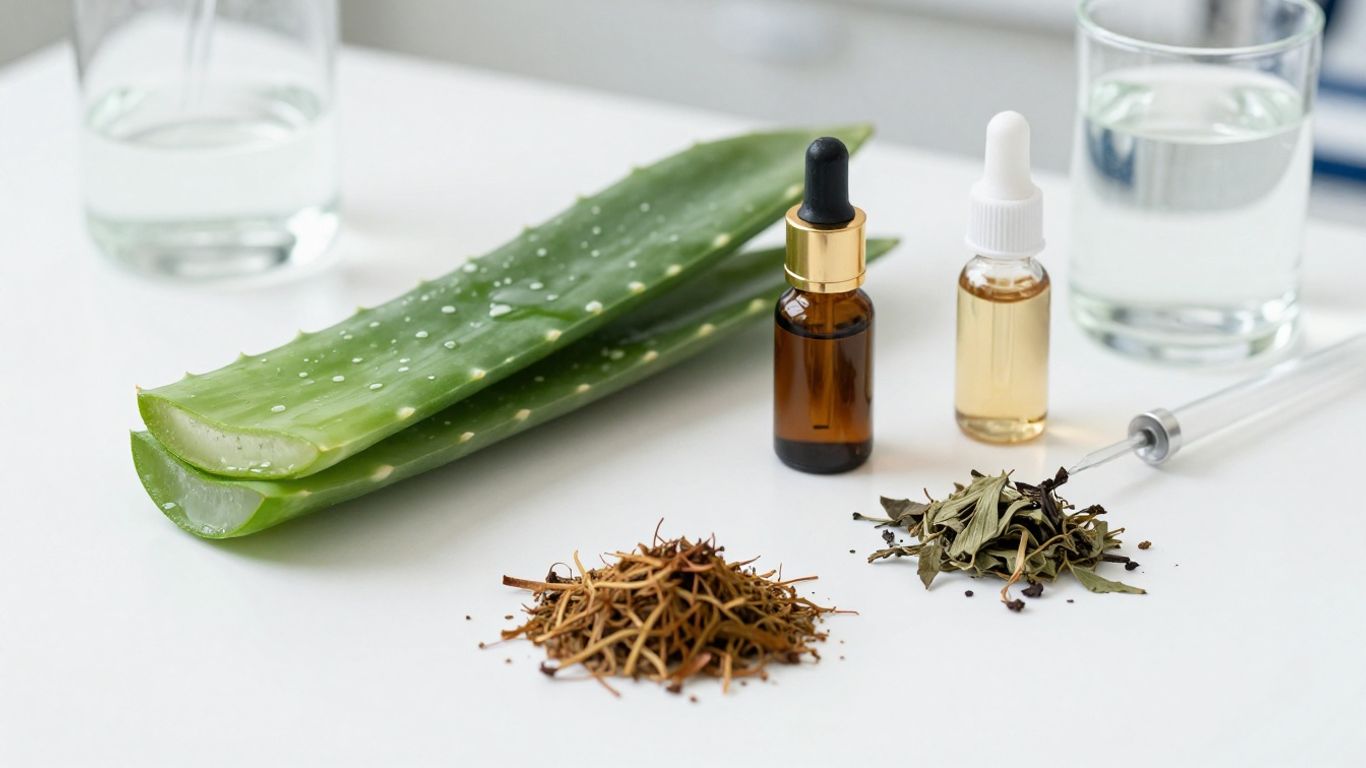
Examining the ingredient list is more than a technical requirement; it is a fundamental aspect of maintaining long-term physical health. Many common lubricants contain additives that, while functional for texture or scent, can be problematic for delicate skin. Prioritizing transparency in what you use ensures that your intimate wellness remains uncompromised.
Identifying natural versus synthetic preservatives
Manufacturers use preservatives to keep products shelf-stable, but not all are created equal. Natural preservation systems are generally preferred for their reduced impact on skin microflora. Always choose products that define their preservative systems clearly on the label.
Steering clear of irritants like glycerin and fragrances
Many users find that glycerin, despite being a common stabilizer, can contribute to yeast issues or irritation. Fragrances are similarly common triggers for those with sensitive skin. By choosing clean, unscented, and glycerin-free options, you can focus on the performance of the lubricant itself without worrying about potential allergic reactions or sensitivities.
Assessing the importance of food-grade ingredients
Choosing food-grade components provides extra peace of mind when intimacy involves skin-to-mouth contact. A sophisticated formulation prioritizes these high-quality, ingestible-safe ingredients to ensure that pleasure is never hampered by safety concerns, providing a truly worry-free experience for partners.
By ensuring ingredients are safe for ingestion, you expand the possibilities for intimacy without introducing harmful chemicals.
Checking for stability and shelf life
Lubricants contain active ingredients that can degrade over time, leading to changes in texture or efficacy. Always look for clear expiration dates on the packaging to ensure you are using a fresh product. Storing your, best lubes in a cool, dark place can also help prevent the breakdown of key ingredients between uses.
Interpreting packaging and labeling
Labels are your primary map for navigating the complex market of intimate products. While marketing language can be flashy, the technical details stored in the fine print often tell a more accurate story about the product's actual composition. Learning to filter through the jargon protects you from clever, yet potentially misleading, advertisements.
Deciphering common manufacturing certifications
Certifications like vegan, cruelty-free, or ISO standards serve as markers of quality and ethical labor. These symbols indicate that the product has undergone rigorous oversight that goes beyond brand-stated claims. Trusting verified labels reduces the guesswork involved in finding safe, high-quality supplies.
Understanding dispense styles and storage methods
Dispense styles like pump tops versus flip-top bottles vary in ease of use and hygiene. A pump top is often cleaner and provides more controlled dosing, which can be essential during active moments. Regardless of the style, storing your product in a stable temperature range keeps the formulation consistent.
Sorting through health claims and marketing language
Marketing language often promises sensations that might not align with your specific biological needs. Focus on the actual ingredient list instead of the promises printed on the front of the box. Scientific testing claims are much more significant than emotive descriptions of "unlocked pleasure."
Prioritizing transparency in ingredient lists
Transparency is the clearest indicator of a brand's commitment to your well-being. A company that readily provides a full, legible ingredient list allows you to make an educated comparison against other options. Avoid brands that rely on vague umbrella terms like "fragrance blend" or "proprietary mix."
Testing for reactions and comfort
Finally, the best way to determine the compatibility of a new product is through direct, cautious application. Everyone's skin is unique, and a formula that works beautifully for one person might cause irritation for another. Establishing a consistent testing routine helps you build a safe supply of intimate essentials.
Performing a patch test for skin sensitivity
Before using a new product widely, apply a small amount to the inside of your forearm. Leave it for twenty minutes to observe for any redness, itching, or swelling. If no reaction occurs after 24 hours, the product is likely safe for use on more sensitive areas of the body.
Evaluating the tactile feel and ease of cleanup
Consider how the product feels immediately upon application compared to how it feels after fifteen minutes of use. A quality lubricant should maintain its glide without turning tacky or sticky. Cleanup should feel effortless with warm water, without leaving a waxy residue behind.
Determining if the product leaves unwanted residue
Residue buildup can interfere with comfort and may require soap-based cleansing, which itself can be drying. Ideally, your chosen product should dissolve or wipe away cleanly. If you notice a film on your skin after use, it may be time to try a different formula that is better suited to your body's specific chemistry.
Transitioning between brands for different experiences
It is entirely normal to maintain a small rotation of different products for different intimacy needs. You might prefer a thicker, long-lasting formula for partnered sex, while opting for a simple, water-based choice for solo routines. Keep your collection organized and clearly labeled so you always know exactly which sexual lubricants are best for the moment.
Conclusion
Finding the perfect lubricant is a journey of discovery that prioritizes your physical comfort, health, and pleasure. By understanding the science behind base formulas, critically evaluating ingredient lists, and respecting your own sensitivity, you can confidently select products that enhance your experience. Focus on transparency, quality, and material compatibility to ensure every intimate encounter is both safe and enjoyable.
Frequently Asked Questions
What is the primary difference between water-based and silicone lube?
Water-based lubricants are versatile and easy to clean, while silicone lubricants offer a longer-lasting glide that is resistant to drying out.
Can I use personal lubricant with a condom?
Yes, water-based and silicone-based lubricants are generally safe to use with latex and non-latex condoms.
Should I avoid glycerin in my lubricant?
Many people with sensitive skin or prone to recurrent infections prefer glycerin-free options to avoid potential irritation.
How can I tell if a lubricant is safe for my silicone toys?
Always check the packaging for compatibility claims, as silicone-based lubricants can structurally damage toys made of silicone material.
What does pH-balanced mean for a lubricant?
It means the product is formulated to match the natural acidic environment of intimate tissue, helping prevent irritation and bacteria imbalance.
How should I store my personal lubricant?
Keep your lubricant in a cool, dry place, away from direct sunlight, to maintain the stability of the active ingredients and ensure a longer shelf life.
Is it normal to have a physical reaction to a brand I just bought?
Sensitivities can occur even with high-quality ingredients, which is why performing a patch test on a small area of skin before full use is always recommended.





































































