

Posted by Mike
on September 04, 2026

Key Takeaways
The best personal lubricant is the one that fits your body, your activity, and the barrier methods or toys you use. A little label-reading can make intimate care more comfortable and predictable.
- Choose the lubricant base according to the activity and desired lasting power.
- Check ingredients for fragrances, warming agents, and other potential irritants.
- Confirm compatibility with condoms and sex-toy materials before use.
- Reapply when needed rather than continuing through uncomfortable friction.
- Seek medical advice when dryness is persistent, painful, or accompanied by other symptoms.
Understand what personal lubricant does
Personal lubricant is designed to reduce friction during sexual activity, masturbation, and intimate touch. It can make movement feel smoother and help ease discomfort when natural moisture is limited. This definition of personal lubricants is a useful starting point because it also distinguishes personal products from sterile medical lubricants.
How lubricant reduces friction and discomfort
Friction can become noticeable when tissue, skin, or a sex toy moves repeatedly against another surface. A lubricant creates a temporary slippery layer, which may make contact feel gentler and reduce the chance that dryness turns into soreness. The right texture is personal: some people prefer a light, fluid gel, while others want a thicker cushion.
Look for discomfort as useful feedback rather than something to ignore. Adding more lubricant, slowing down, or changing the activity can help, but ongoing pain deserves attention. Comfort comes before intensity, and no lubricant should be used to push through pain.
When to use lubricant during sex or intimate activity
Lubricant can be applied before penetration, during foreplay, with external touch, or directly to a compatible sex toy. It can also be added later if the first application has absorbed, dried, or spread away. Starting with a small amount makes it easier to judge the texture, then more can be added without making the experience overly slippery.
A lubricant may be useful even when there is some natural moisture. Arousal, stress, medication, hormones, hydration, and the length or type of activity can all affect how comfortable intimacy feels from one occasion to the next. Using lubricant is not a sign that anything is wrong.
The difference between lubricant and natural arousal
Natural arousal and personal lubricant serve related but different roles. Arousal involves physical and emotional responses that can include natural moisture, while lubricant supplies additional slip on demand. One does not reliably replace the other, and natural moisture can vary without reflecting desire or attraction.
Some formulas are designed to feel close to natural moisture, while others prioritize a longer-lasting glide or a richer texture. Your preference may change with the activity, the season, or changes in your body. Treat experimentation as a comfort decision, not a performance test.
When dryness may require medical advice
Occasional dryness is common, but persistent dryness, burning, bleeding, unusual discharge, or pain during penetration should not be covered up with more product. These symptoms can have several causes, including hormonal changes, medication effects, skin conditions, or infection. A qualified clinician can help identify the cause and recommend appropriate care.
Stop using a formula if it causes repeated irritation. If symptoms continue after stopping, arrange medical advice rather than trying several new products in quick succession.
Compare the main types of personal lubricant
The three familiar bases are water, silicone, and oil, with hybrid formulas combining characteristics from more than one base. None is best for every situation. Consider how long you want the glide to last, whether cleanup matters, and what condoms or toys will be involved.
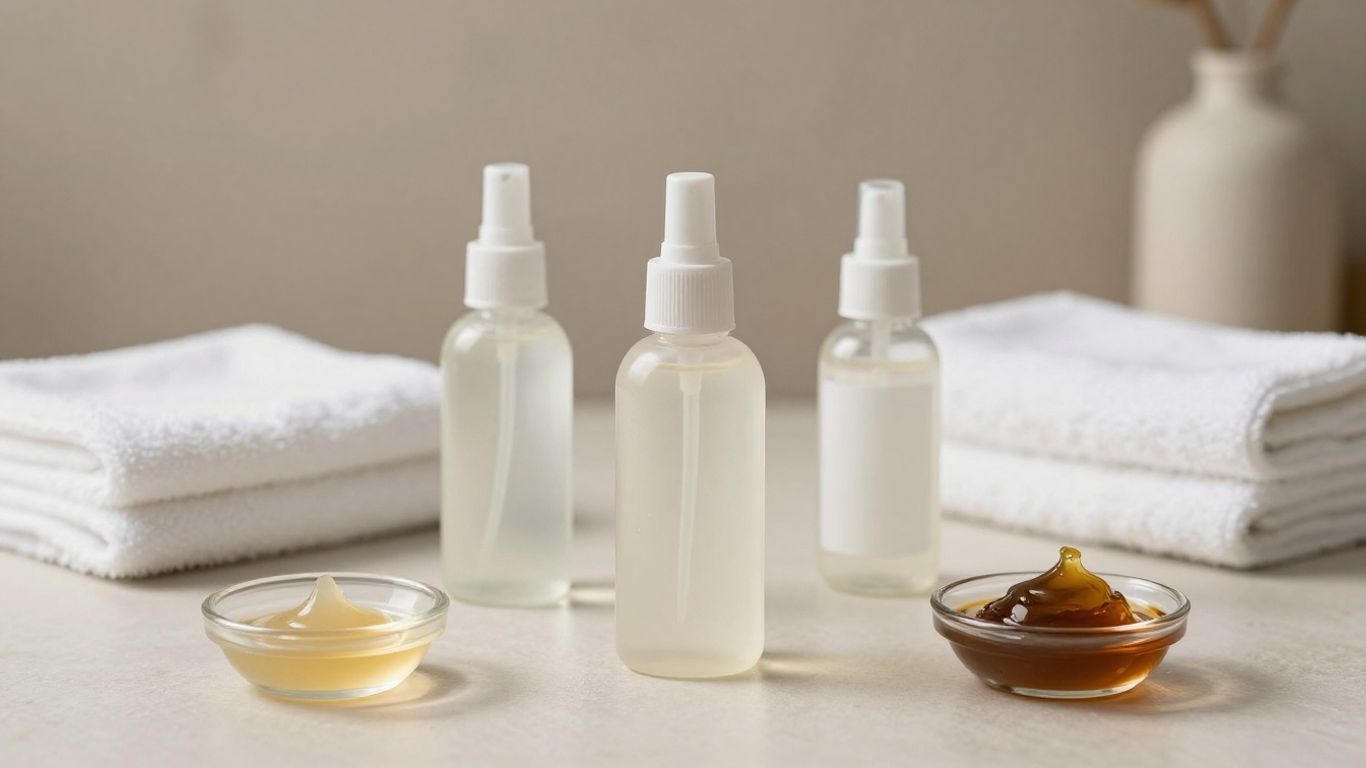
Water-based lubricant for versatility and easy cleanup
Water-based lubricant is often a practical first choice because it is generally easy to rinse away and works across many kinds of intimate activity. It can be used with latex condoms, and many water-based formulas are suitable for a wide range of sex toys, although the label remains the final authority. Because water-based products may dry during extended activity, reapplication can be part of normal use.
Arousellube personal lubricant is presented as a water-based option in its product guidance, with attention to texture, application, toy compatibility, and storage. Those are useful qualities to assess when comparing a formula, but your own comfort still determines whether it is a good match.
Silicone-based lubricant for long-lasting glide
Silicone-based lubricant tends to remain slippery longer than many water-based formulas, making it appealing for extended activity or situations where frequent reapplication is inconvenient. It is commonly considered compatible with latex condoms, but it may be difficult to wash from some fabrics. Silicone products also need extra care around silicone toys because formulas and materials can react differently.
If you use a silicone toy, check the toy maker’s guidance before applying a silicone-based lubricant. When there is uncertainty, test a small amount on a less visible area of the toy or choose a clearly compatible alternative.
Oil-based lubricant for specific intimate uses
Oil-based lubricant can provide a rich, cushioned feel and may last for a long time. Its limitations are just as relevant as its texture: oil can weaken latex, stain fabric, and take more effort to remove from skin. It may be suitable for some external activities, but the product label and barrier method should guide the decision.
Never assume that a kitchen oil or body oil is appropriate for internal intimate use. Food-safe does not automatically mean tissue-safe, pH-appropriate, or compatible with condoms and toys.
Hybrid formulas and how they combine benefits
Hybrid lubricants combine two bases, often water and silicone, to balance a lighter feel with more lasting glide. They can be useful when a water-based formula feels too quick to dry but a full silicone formula is not ideal for a particular toy or cleanup routine.
Read the complete ingredient list rather than relying only on the word “hybrid.” The proportions and additional ingredients affect texture, compatibility, and how the product behaves during use.
| Lubricant base | Common advantage | Main point to check |
|---|---|---|
| Water-based | Versatile and easy to rinse | May need reapplication |
| Silicone-based | Long-lasting glide | Check silicone-toy compatibility |
| Oil-based | Rich, cushioned feel | Avoid with latex barriers |
| Hybrid | Balances different textures | Review the full formula |
This comparison is a shortcut, not a substitute for the label. A formula’s additives, viscosity, and intended use can matter as much as its base.
Check the ingredients before you buy
The front of a package may highlight natural, warming, flavored, or long-lasting qualities, but the ingredient list gives you a clearer picture of what will touch your body. If you have reacted to products before, compare labels and keep notes about what caused trouble. This personal lubricant buying guide can help organize questions about bases, additives, pH, and osmolality.
Ingredients that may cause irritation
Some people find glycerin, certain preservatives, alcohol, or botanical extracts irritating, while others use products containing them without difficulty. A single ingredient is not automatically unsafe for every person, but a history of sensitivity makes a simpler formula worth considering. Do not rely on “natural” as a synonym for gentle; plant-derived ingredients can still trigger a reaction.
Choose products made for the intended area and follow the directions. If burning or itching starts, rinse with water if appropriate, stop using the product, and monitor the symptoms.
Fragrance, flavor, warming, and cooling additives
Fragrance, flavor, warming, cooling, and tingling ingredients can add sensation, but they also add variables. Vulvar, vaginal, and anal tissue may be more sensitive than the skin on an arm, especially when a product is used repeatedly or for a long time.
If you are new to lubricant or prone to irritation, an unscented, unflavored formula with fewer extras is often a sensible starting point. You can explore sensory additives later if your body tolerates them.
pH and osmolality considerations for vaginal use
For vaginal use, pH and osmolality are worth checking because the vaginal environment has its own balance and sensitive tissue may respond poorly to an unsuitable formula. Product packaging does not always provide every detail, so manufacturer information may be necessary. A pH-balanced claim is helpful, but it should be considered alongside the complete ingredient list and your symptoms.
No lubricant prevents sexually transmitted infections or replaces condoms. If recurrent irritation, odor, discharge, or discomfort follows use, stop the product and seek clinical advice.
Choosing a formula for sensitive skin
Sensitive skin usually benefits from a gradual approach: select a short ingredient list, avoid unnecessary fragrance, and introduce one new product at a time. Arousellube’s published positioning emphasizes natural ingredients and body-safe formulation, but even a carefully made product can feel different from person to person. Individual tolerance remains the most useful test.
Keep the packaging so you can refer back to the ingredients if a reaction occurs. The goal is not the most elaborate formula; it is a formula that feels comfortable and predictable.
Match personal lubricant with condoms and sex toys
Compatibility is a safety issue, not merely a matter of texture. The same lubricant can work well for one activity and be unsuitable for another because condoms and toys are made from different materials. Check both the lubricant label and the manufacturer’s instructions before using a new combination.
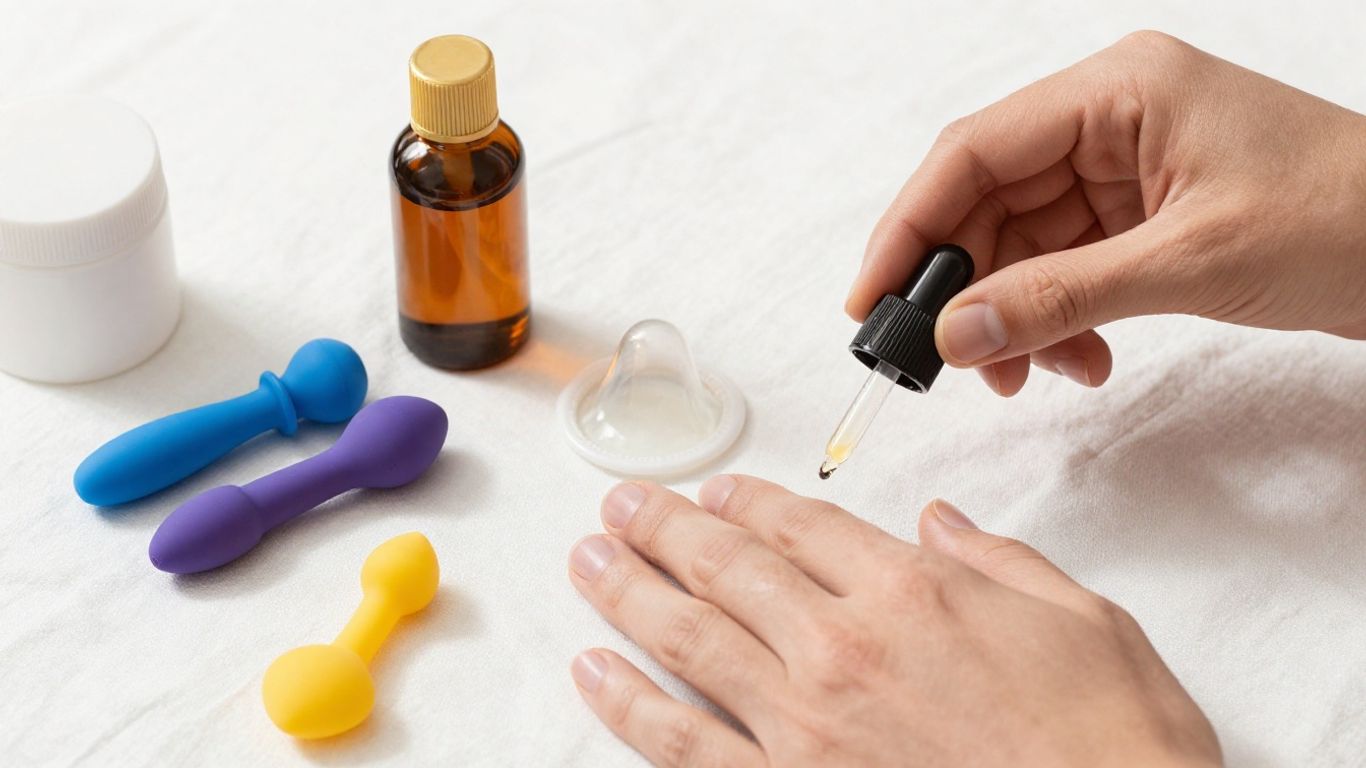
Which lubricants are compatible with latex condoms
Water-based and silicone-based lubricants are commonly used with latex condoms, but packaging should confirm the intended combination. Use enough lubricant to reduce friction without compromising the condom’s fit, and add more if the surface begins to feel dry. Oil-based products should be treated as incompatible with latex unless the manufacturer explicitly states otherwise.
Remember that a lubricant does not provide contraceptive or infection protection by itself. Condoms still need to be used correctly and replaced when required.
Why oil-based lubricant can weaken latex
Oil can degrade latex, increasing the likelihood that a condom will fail even when there is no visible tear. This includes products marketed for skin, massage, or natural care, as well as many household oils. If latex is part of the plan, select a lubricant labeled compatible with latex instead.
When oil-based lubricant is used with a non-latex barrier, verify that barrier’s specific guidance. “Non-latex” covers several materials, and they do not all have identical compatibility rules.
Choosing lubricant for silicone, glass, and other toys
Glass and many hard, nonporous toys are compatible with a broad range of lubricants, but porous materials may absorb product and retain residue. Silicone toys deserve special care because a silicone-based lubricant may affect the toy’s surface. Water-based lubricant is often the simpler choice when material information is limited.
Clean the toy according to its instructions after use. A lubricant that feels excellent on skin is not automatically suitable for every toy surface.
How to check product labels and manufacturer guidance
Look for explicit statements about condoms, toy materials, intended body areas, and cleanup. If the label is vague, consult the manufacturer rather than guessing. Arousellube’s product guidance specifically addresses application, toy compatibility, and storage, which are the kinds of practical details worth finding before purchase.
Keep a record of combinations that work well for you. That small habit can save time and reduce the chance of repeating an irritating or incompatible pairing.
Choose a personal lubricant for your specific needs
The right choice depends on what you need the lubricant to do, not on which formula sounds most luxurious. Vaginal dryness, anal sex, fertility planning, toy use, and sensitive skin each raise different questions. Start with the body area and activity, then narrow the options by ingredients and compatibility.
Lubricant for vaginal dryness
For occasional vaginal dryness, a water-based lubricant can provide immediate slip and is usually simple to clean. If dryness is frequent or uncomfortable outside sexual activity, a clinician may discuss a vaginal moisturizer or another treatment rather than relying on lubricant alone. Hormonal changes, breastfeeding, medication, and stress can all affect moisture.
Choose a formula without unnecessary irritants and pay attention to how your body feels during and after use. Burning or persistent discomfort is a reason to stop and reassess.
Lubricant for anal sex
Anal tissue does not self-lubricate in the same way as the vagina, so a generous amount of compatible lubricant and regular reapplication can help reduce friction. Go slowly, communicate clearly, and stop if there is sharp pain or bleeding. A thicker formula may feel more protective, while a longer-lasting silicone formula may reduce interruptions.
If using condoms, confirm compatibility before applying an oil-based product. The lubricant should support comfort, never encourage continuing through pain.
Lubricant for fertility-conscious couples
Couples trying to conceive may want to look for products specifically labeled as fertility-friendly or sperm-friendly. Not every standard lubricant has been evaluated for use around conception, and household oils are not a reliable substitute. Read the manufacturer’s claims carefully and ask a fertility clinician if you need guidance tailored to your circumstances.
Lubricant can make intimacy more comfortable while you are trying to conceive, but comfort and fertility considerations should be assessed separately. Avoid assuming that a natural or organic label answers the fertility question.
Lubricant for sensitive skin or recurring irritation
For recurring irritation, simplify rather than adding more sensations. Choose an unscented formula, patch-test it first, and introduce no other new intimate products at the same time. If irritation keeps returning, a healthcare professional can help distinguish contact sensitivity from infection or another condition.
A product marketed as gentle may still not suit you. Your own response, along with clear manufacturer information, is more useful than a broad marketing promise.
Use, store, and replace personal lubricant correctly
Good technique helps even a well-formulated product perform better. Apply lubricant where friction is occurring, use enough for the activity, and reapply before discomfort develops. Keep the container clean and follow its storage instructions so the formula remains as the maker intended.
How much lubricant to apply and when to reapply
Begin with a small amount, spread it over the relevant skin or toy, and add more gradually. Water-based products may need more frequent application, while silicone-based formulas often last longer. For anal sex, reapplication is especially important because reduced friction helps protect comfort.
There is no universal correct quantity. If movement starts to feel draggy, pause and add more rather than continuing through irritation.
How to patch-test a new formula
Patch-testing can help identify skin reactions before a product is used for intimate activity. Apply a small amount to an area of less sensitive external skin according to the product’s directions, then wait and observe for redness, itching, burning, or swelling. A patch test cannot guarantee that internal tissue will tolerate the formula, but it is a useful first screen.
Introduce only one new product at a time. This makes it easier to identify a possible trigger if your skin reacts.
Cleaning up and preventing contamination
Wash hands before handling lubricant, avoid touching the nozzle to skin or surfaces, and close the container promptly after use. Do not share a container in a way that transfers bodily fluids, and follow the product’s directions for cleaning toys and skin. A pump or squeeze bottle should remain free from water and debris.
Arousellube’s published guidance includes storage as part of responsible product use, a reminder that care continues after application. Clean, dry handling protects both the formula and the people using it.
Storage, expiration dates, and signs of product changes
Store lubricant as directed, away from excessive heat, cold, sunlight, and moisture. Check the expiration date and discard the product if its smell, color, texture, or separation changes noticeably. A damaged seal or leaking container is another reason to replace it.
These four habits make routine use easier:
- Read the compatibility instructions before combining products.
- Keep the cap, nozzle, or pump clean and closed.
- Record when a product was opened if the package gives a use-after-opening period.
- Replace lubricant that has expired or changed in appearance.
Treat the list as basic product care, not a complicated ritual. When a formula is stored properly and used according to its directions, you can focus more fully on comfort and intimacy.
Conclusion
Choosing a personal lubricant becomes simpler when you start with comfort, match the base to the activity, read the ingredients, and verify condom and toy compatibility. A thoughtful formula should support pleasure without asking you to ignore irritation or uncertainty. If dryness or pain persists, professional medical advice is the safest next step.
Frequently Asked Questions
What is personal lubricant used for?
Personal lubricant reduces friction during sexual activity, masturbation, intimate touch, and sex-toy use. It can make movement feel smoother and more comfortable when natural moisture is limited.
Is water-based lubricant a good first choice?
Water-based lubricant is often a versatile starting point because it is generally easy to clean and commonly compatible with condoms and many toys. It may dry sooner than other bases and can require reapplication.
Can oil-based lubricant be used with latex condoms?
Oil-based lubricant can weaken latex and should not be used with latex condoms unless the manufacturer explicitly confirms compatibility. Check the barrier and lubricant instructions before combining them.
Is silicone lubricant safe with silicone toys?
Not always. Some silicone-based lubricants can affect certain silicone toy surfaces, so check the toy manufacturer’s guidance or use a clearly compatible alternative.
What ingredients should sensitive skin avoid?
There is no universal list because sensitivities differ, but fragrance, flavor, warming agents, cooling agents, some preservatives, and certain botanical ingredients may cause problems for some people. A simpler, unscented formula is often a sensible place to begin.
Can lubricant help with vaginal dryness?
Yes, lubricant may provide short-term comfort during intimacy. Persistent or painful dryness may have an underlying cause and should be discussed with a healthcare professional rather than managed only by adding more lubricant.
When should lubricant be replaced?
Replace it after the expiration date, when the container is damaged, or when the smell, color, texture, or consistency changes. Store it according to the label to help preserve its quality.





































































