

Posted by Mike
on September 03, 2026

Key Takeaways
K-Y personal lubricant jelly is a water-based option intended to add slip and comfort during intimate activity. The best choice depends on the formula, your body’s response, the activity, and compatibility with condoms or toys.
- Water-based jelly can reduce friction and is usually easy to rinse away.
- Apply a small amount first, then add more as needed.
- Lubricant does not protect against sexually transmitted infections.
- Read the label for ingredients, condom guidance, and storage directions.
- Ongoing pain, burning, or unusual dryness deserves medical attention.
What K-Y personal lubricant jelly is
K-Y personal lubricant jelly is a water-based personal lubricant used to supplement natural moisture and make intimate activity more comfortable. Its gel texture gives it a noticeable presence compared with very thin liquids, while its water-soluble base generally makes cleanup straightforward. The exact ingredients and directions can vary by product, so the package remains the final reference.
How water-based lubricant works
A water-based lubricant creates a slippery layer between skin and other surfaces, helping movement feel smoother when natural lubrication is limited or changes during intimacy. It can be used for partnered or solo activity, and it is often a practical starting point because it rinses away with water. Since water-based formulas can lose slip as they dry, keeping the bottle nearby makes reapplication easier.
Common uses for sexual comfort
People may use lubricant when they experience temporary dryness, want to make penetration more comfortable, or simply prefer a smoother sensation. It can also help reduce tugging during external touch and make toy use feel more comfortable. A K-Y Jelly overview offers additional product background, but personal comfort and the current package directions should guide use.
The difference between lubricant and moisturizer
Lubricant is used during sexual activity to reduce friction in the moment. A vaginal moisturizer, by contrast, is intended for more regular use to address ongoing feelings of dryness and is not simply a thicker lubricant. If dryness persists outside sexual activity, choosing a lubricant alone may not address the underlying reason.
What the classic jelly formula is designed to do
The classic jelly style is designed to add glide where friction would otherwise cause discomfort. It is not a treatment for infection, a contraceptive, or a replacement for barrier protection. For readers comparing intimate essentials, the K-Y personal lubricant guide discusses application, texture, ingredients, and compatibility in one place.
How to use K-Y personal lubricant jelly
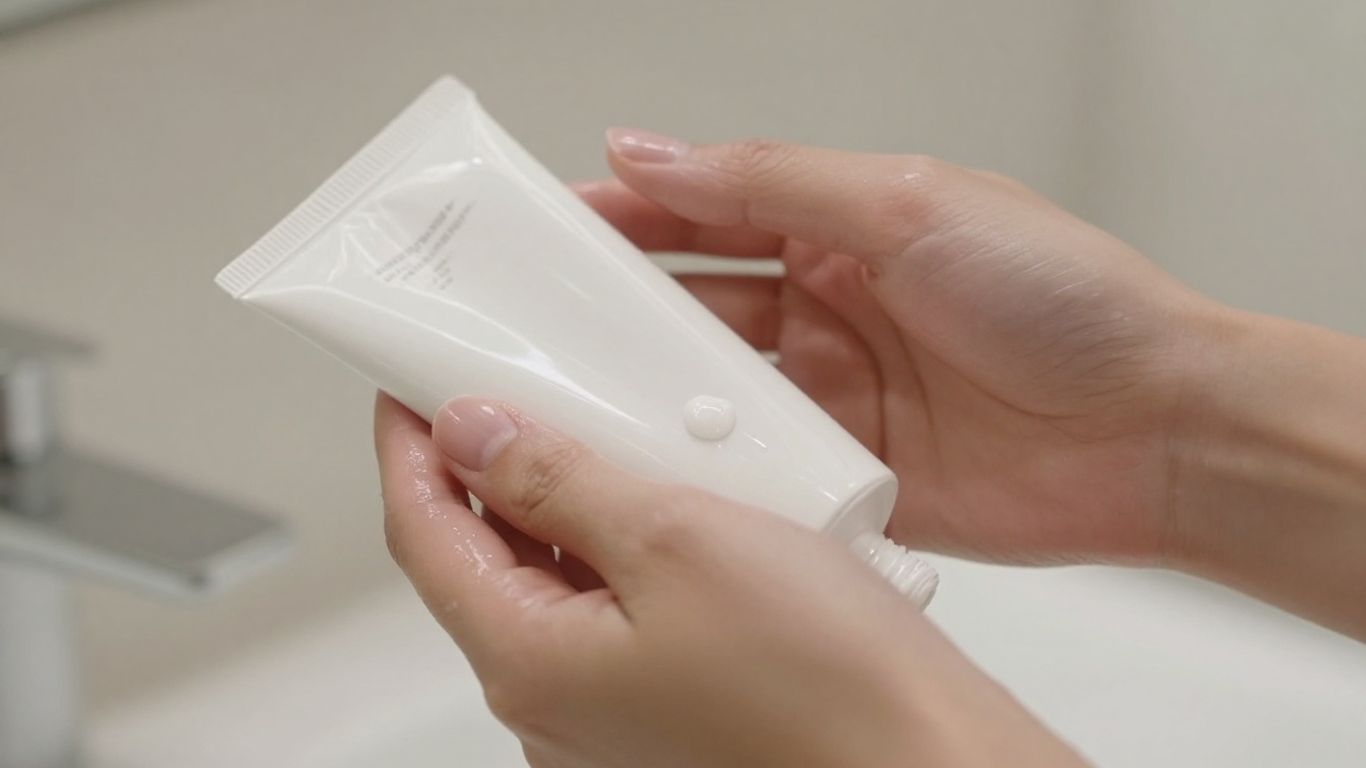
Using lubricant is usually simple, but a little attention to timing and cleanup can make the experience more comfortable. Start with clean hands and a small amount, then adjust according to how the product feels. Comfort should guide application, rather than a fixed amount that works for everyone.
How much lubricant to apply
Begin with a small dab on the external area, a condom, or a toy, depending on the activity and the product directions. Spread it gently and add more if movement still feels dry or uncomfortable. Applying too much at once is not dangerous for most people, but starting small gives you better control and reduces unnecessary mess.
When to reapply during sex
Water-based lubricant may become less slippery as it absorbs or dries, particularly during longer sessions or when there is considerable friction. Pause whenever the sensation changes and add another small amount rather than pushing through discomfort. Reapplication is normal and can be part of maintaining a comfortable experience.
How to combine it with condoms
Place the condom on before sexual contact and add lubricant to the outside as needed. Check the lubricant label to confirm compatibility with the condom material; water-based products are commonly suitable with latex, but formula-specific instructions still matter. Do not rely on lubricant as protection from pregnancy or infection.
How to clean up after use
Most water-based lubricants can be removed from skin with warm water and mild, unscented soap if desired. Rinse toys according to their material and the manufacturer’s care instructions rather than assuming every toy can be submerged. Clean hands and any reusable accessories after use, and close the container before storing it.
K-Y personal lubricant jelly and sexual health
Lubricant is one part of sexual comfort, not a complete sexual-health plan. It can make activity feel easier, but it cannot diagnose the reason for dryness or protect against infections. Pay attention to patterns: occasional dryness may be situational, while recurring pain, bleeding, or irritation calls for a different conversation with a clinician.
How lubricant can reduce friction
By adding slip, lubricant can lessen rubbing between skin, condoms, and toys. That may help reduce discomfort caused by dryness or repeated movement, though it cannot guarantee a pain-free experience. If pain continues despite adequate lubrication, stop and consider whether another issue needs attention.
When dryness or discomfort may need medical attention
Seek medical advice for persistent dryness, repeated pain, burning, sores, bleeding, unusual discharge, or symptoms that appear after using a particular product. These signs can have many possible causes, including irritation, infection, hormonal changes, or a condition unrelated to lubricant. A clinician can assess the symptoms instead of asking you to guess from the ingredient list.
Why lubricant does not prevent sexually transmitted infections
Lubricant reduces friction, but it does not kill or block every organism that causes a sexually transmitted infection. It also does not replace condoms, dental dams, testing, vaccination, or communication with partners. Use the barrier method appropriate to the activity and follow its instructions.
How to pair lubricant with safer-sex practices
A simple routine can support both comfort and safer sex. Consider these practical steps:
- Discuss boundaries, testing, and barrier use before sexual activity.
- Check the package for material compatibility before applying lubricant.
- Use a new condom for each act and replace it if it breaks or slips.
- Stop if either partner experiences pain, burning, or unexpected irritation.
These measures work together: lubricant may improve comfort, while barriers and testing address infection and pregnancy concerns that lubricant cannot address.
Compatibility and product considerations
Compatibility depends on both the lubricant base and the material it touches. A formula that feels good on skin may not be appropriate for every condom or toy, and a product’s name alone does not answer every material question. Read the current label and keep the packaging available when trying a new combination.
Water-based lubricant and latex condoms
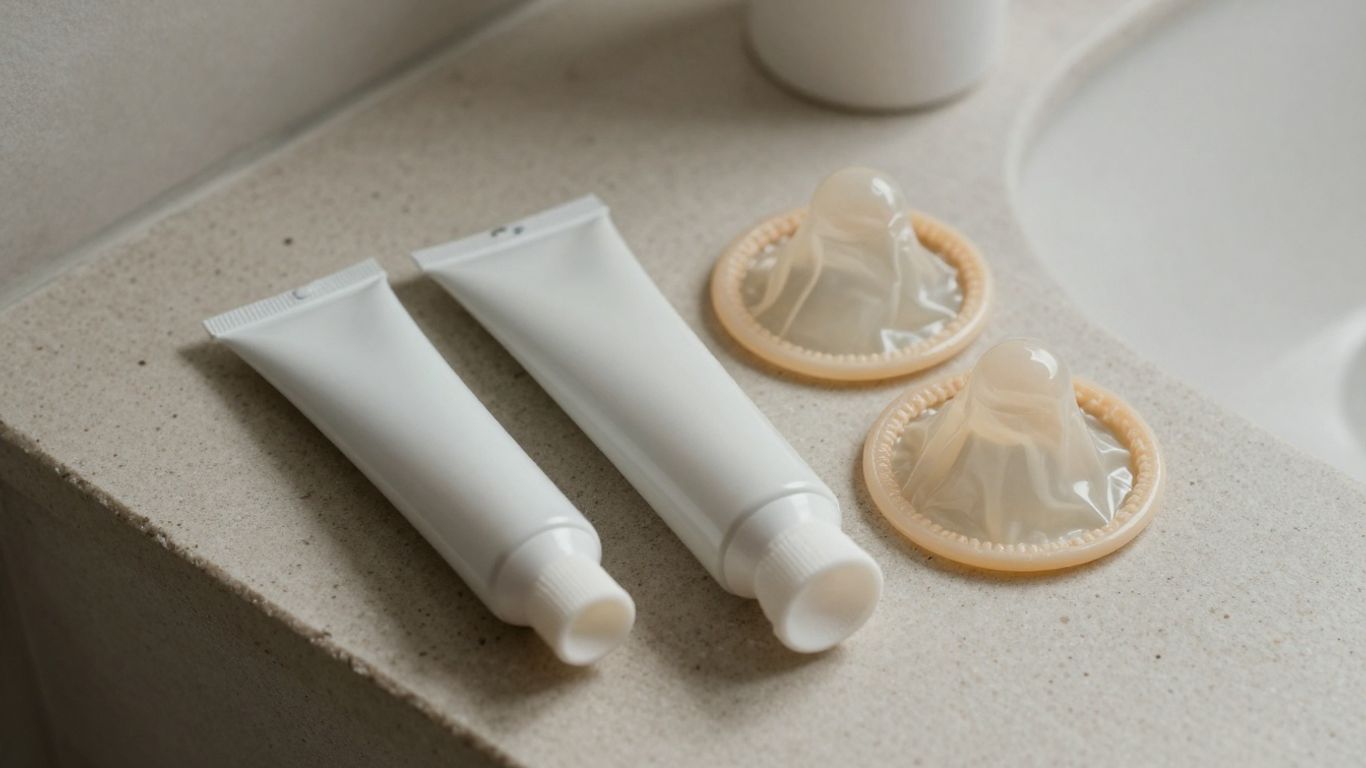
Water-based lubricants are generally used with latex condoms because they do not contain the oils that can weaken natural rubber latex. Still, inspect the label for the specific formula and condom materials named there. Use enough lubricant to reduce friction, since excessive dryness can contribute to condom breakage.
Using lubricant with sex toys
Toy compatibility varies by material, finish, and the manufacturer’s guidance. When uncertain, use the toy maker’s instructions and consider a condom over a toy that is difficult to clean. A water-based formula is often convenient for cleanup, but “water-based” by itself does not guarantee compatibility with every material or coating.
Why oil-based products may not be suitable substitutes
Oil-based household products are not interchangeable with personal lubricants. Oils may be difficult to wash away, can stain fabrics, and can weaken latex condoms. They may also contain fragrances or additives that sensitive tissue does not tolerate well, so a purpose-made lubricant is usually the more predictable option.
Checking the product label for formula-specific guidance
The label can answer practical questions that broad category names cannot. Compare the information before choosing a product:
| What to check | Why it matters | Where to look |
|---|---|---|
| Base or formula | Helps assess feel, cleanup, and material compatibility | Front and back label |
| Ingredients | May reveal fragrances or ingredients you prefer to avoid | Ingredient panel |
| Condom guidance | Confirms whether named materials are supported | Directions or warnings |
| Storage instructions | Helps preserve the product after opening | Package directions |
After checking those details, test a small amount on the skin before a longer session if you are prone to sensitivity. The package for the product in your hand is more reliable than assumptions about an entire product family.
Possible sensitivities and precautions
Even a product made for intimate use can feel wrong for an individual. Sensitivity may relate to an ingredient, friction, an existing skin condition, or an infection rather than the lubricant alone. Introduce one new product at a time so you can more easily identify what your body is reacting to.
Common signs of irritation
Possible signs include itching, stinging, burning, redness, swelling, soreness, or a rash. Discomfort that begins during use is a reason to pause rather than add more product. Symptoms that continue after washing should be treated seriously, especially if they are worsening or accompanied by discharge or sores.
Fragrance-free and ingredient considerations
If your skin is easily irritated, you may prefer a formula without added fragrance and with an ingredient list you can understand. “Natural” does not automatically mean non-irritating, and botanical ingredients can still cause reactions. Arousellube offers water-based, edible personal lubricants made with natural ingredients, while its Arousellube Premium Personal Lubricant is described as water-based, body-safe, free from harsh chemicals, oils, and silicones, and latex-condom compatible.
What to do after an uncomfortable reaction
Stop using the product and gently rinse the area with lukewarm water. Avoid adding other fragranced products while the skin settles, and do not resume use simply to confirm the reaction. If symptoms are severe, persistent, or involve swelling or breathing difficulty, seek prompt medical care.
When to consult a healthcare professional
A healthcare professional can help when irritation keeps returning, dryness affects daily life, or sex remains painful despite changing products. They can also evaluate symptoms that might indicate infection or another condition. Bring the product container or a photograph of its ingredient list if you suspect a specific ingredient.
How to choose the right K-Y lubricant
Choosing among lubricants is less about finding a universally best product and more about matching texture and ingredients to your needs. Think about the activity, how often you want to reapply, whether you use condoms or toys, and how your skin responds. Arousellube’s water-based personal lubricants are another documented option for people who value natural ingredients and an edible format, but every product should still be checked against its own label.
Comparing jelly with thinner water-based formulas
A jelly texture may feel more substantial and stay noticeable on the skin, while a thinner water-based formula may spread quickly and feel lighter. Neither texture is automatically superior. If you dislike tackiness, prefer a lighter feel, or need more staying power, those preferences can narrow the choice more effectively than marketing language.
Choosing a product for vaginal or anal sex
For vaginal use, consider comfort, pH-related guidance on the label, and whether the formula causes irritation. Anal tissue does not self-lubricate in the same way, so generous application and reapplication may be especially important; proceed slowly and stop with pain or bleeding. For either activity, use a formula compatible with the condom or toy involved.
Considering personal preferences and sensitivities
Texture, scent, flavor, warming or cooling sensations, and ingredient preferences can all affect whether a lubricant becomes a useful part of your routine. If you have reacted to products before, choose a simpler formula and patch-test a small amount externally first. Personal preference is not a minor detail—it often determines whether you use enough lubricant and feel comfortable doing so.
Checking size, packaging, and storage instructions
Choose a package that is easy to close and practical for where you intend to keep it. Check the expiration information, storage temperature, and any discard guidance after opening. A pump, tube, or flip-top can each work well; the best format is the one that allows clean, controlled application without leaving the container open.
Conclusion
K-Y personal lubricant jelly can be a straightforward way to add water-based glide, but safe use depends on more than texture alone. Apply gradually, reapply when needed, pair lubricant with appropriate safer-sex practices, and read the label for ingredients and compatibility. If discomfort persists, let a healthcare professional help identify the cause.
Frequently Asked Questions
Is water-based lubricant safe with latex condoms?
Many water-based lubricants are designed for use with latex condoms, but check the specific product label before use. Compatibility guidance can vary by formula and by the materials named in the package instructions.
Can lubricant prevent sexually transmitted infections?
No. Lubricant may reduce friction, but it does not prevent sexually transmitted infections. Use appropriate barriers, testing, vaccination, and partner communication as part of safer-sex planning.
How often should lubricant be reapplied?
Reapply whenever the product begins to feel dry or movement becomes uncomfortable. There is no universal schedule; pause, add a small amount, and continue only if the experience remains comfortable.
Can lubricant replace a vaginal moisturizer?
No. Lubricant is intended for short-term glide during sexual activity, while a vaginal moisturizer is designed for more regular management of dryness. Persistent dryness should be discussed with a healthcare professional.
Is a thicker lubricant always better for anal sex?
Not necessarily. A thicker texture may suit some people, but comfort also depends on quantity, reapplication, pace, condom compatibility, and individual sensitivity. Stop if there is pain or bleeding.
Can lubricant be used with sex toys?
Often, but compatibility depends on the toy’s material and the lubricant formula. Follow the toy manufacturer’s instructions and clean the toy according to its care guidance after use.
What should I do if lubricant causes burning?
Stop using it and rinse gently with lukewarm water. Avoid applying additional products until the area settles, and seek medical advice if symptoms are severe, persistent, or accompanied by swelling, sores, or unusual discharge.





































































