

Posted by Mike
on October 14, 2026

Key Takeaways
The right lubricant can make intimacy more comfortable, but the best choice depends on your body, preferences, and what you use it with.
- Lubricant can reduce friction and support comfort during sex.
- Water-, silicone-, oil-, and hybrid-based formulas have different textures and tradeoffs.
- Check ingredient labels and product guidance, especially if you have sensitive skin or use condoms or toys.
- Apply a little at first and add more if friction returns.
- Persistent dryness, pain, bleeding, or unusual discharge are reasons to seek medical advice.
What lubricant does and when it may help
Lubricant adds moisture where friction might otherwise make sexual activity uncomfortable. It can be useful even when the body produces some natural lubrication, and needing it does not say anything about desire or arousal. The best reason to use one is simple: it feels more comfortable for you.
How lubricant reduces friction during sex
During sex, lubricant creates a slippery layer that helps reduce rubbing between sensitive tissues, a condom, or a sex toy. Less friction can make movement feel more comfortable, though it does not treat the underlying cause of ongoing dryness or pain. A small amount may be enough to change how an activity feels.
Situations where added moisture can improve comfort
A person may choose lubricant for vaginal dryness, longer or different kinds of sexual activity, or simply to make touch feel smoother. Natural moisture can vary from one day to another, so using lubricant sometimes and not others is ordinary. For a broader overview of why lubricant can improve comfort, consider how the added glide feels for you rather than treating it as something you must need.
How lubricant differs from vaginal moisturizers
Personal lubricants are generally used during sexual activity to reduce friction. Vaginal moisturizers are intended for regular use to help with ongoing dryness, according to their product directions; they are not necessarily a substitute for lubricant during sex. If dryness persists, a clinician can help you decide whether a lubricant, moisturizer, or another approach makes sense.
Why needing lubricant is normal at any age
There is no age at which someone should be expected to produce a particular amount of natural lubrication. Arousal, stress, hormonal changes, medications, and health conditions can all affect moisture, and people’s experiences differ. Using a lubricant is a practical comfort choice, not a measure of health, attraction, or intimacy.
The main types of personal lubricant
Personal lubricants are commonly described by their base: water, silicone, oil, or a combination. Their texture, cleanup, and compatibility can differ, so it helps to consider how and where you plan to use one. Arousellube offers water-based, edible personal lubricants made with natural ingredients; as with any product, read its label and directions before use.
Water-based formulas for everyday versatility
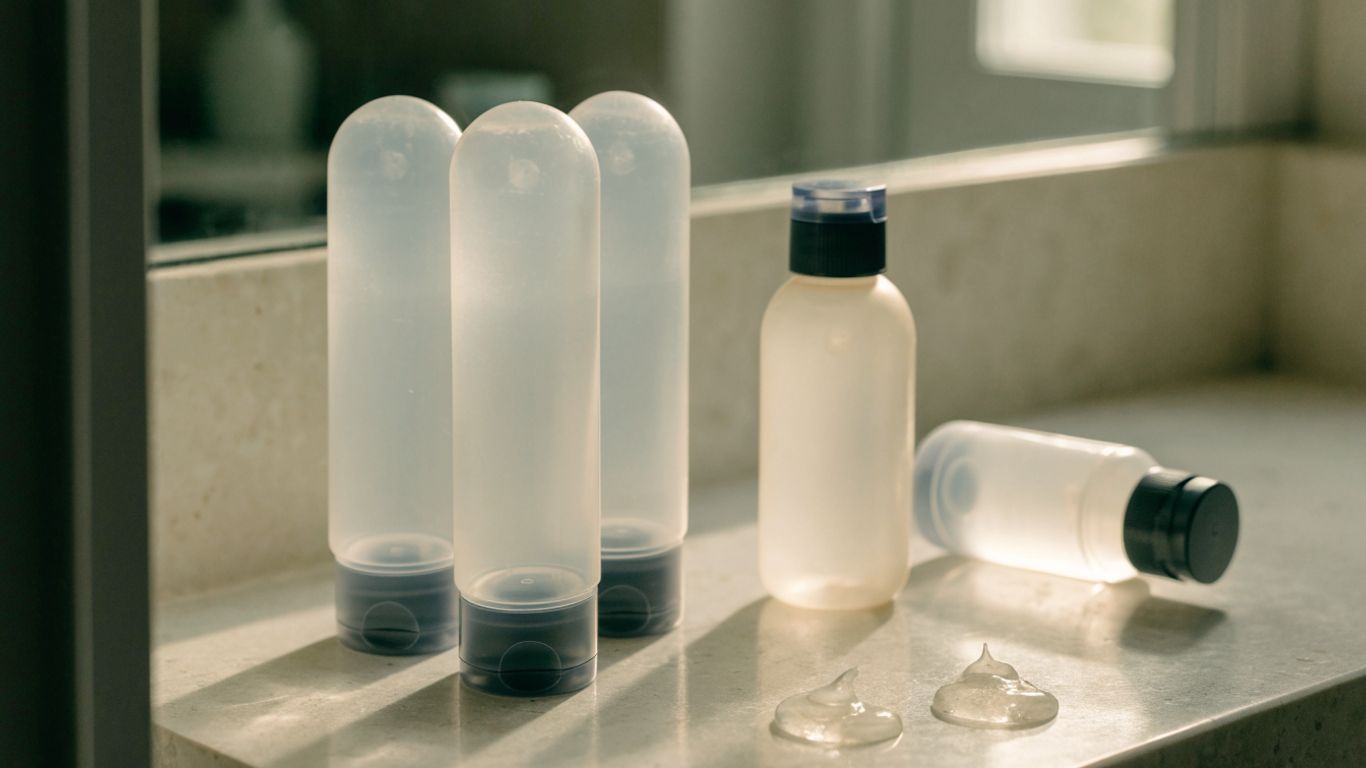
Water-based lubricants are often easy to wash away and are commonly used with condoms and many sex toys, but check the specific product guidance. They may feel less slippery over time as they dry, so you might need to reapply. Arousellube offers water-based, edible personal lubricants made with natural ingredients, one example of a product type to consider when comparing labels.
Silicone-based formulas for longer-lasting glide
Silicone-based formulas can provide a longer-lasting slippery feel and are not washed away as readily by water. They may be useful when you prefer less frequent reapplication, but check compatibility before pairing them with a silicone toy. Product instructions matter because materials and formulations vary.
Oil-based formulas and their key limitations
Oil-based lubricants may feel rich and last longer, but they are not compatible with latex condoms because oil can weaken latex. Some oils may also be difficult to wash off, and toy compatibility depends on the toy material and product directions. If you are comparing formulas, this overview of lubricant bases can help frame the tradeoffs without replacing label instructions.
Hybrid formulas that combine ingredients
Hybrid lubricants combine ingredients, often drawing on more than one base, so their feel and compatibility depend on the particular formula. The word “hybrid” alone does not tell you whether a product works with a specific condom or toy. Check the package for the ingredients and compatibility guidance, especially if you have had irritation before.
How to choose a lubricant
Start with the use you have in mind, then weigh comfort, ingredients, cleanup, and compatibility. No single formula is best for everyone, and a product that feels pleasant for one person may not suit another. Arousellube offers water-based, edible personal lubricants made with natural ingredients, but the label and your own comfort should guide your choice.
Match the formula to your body and preferences
Consider whether you want a light feel, longer-lasting glide, easy cleanup, or a formula intended for a particular activity. This quick comparison can help organize the options; the product’s own instructions still take priority.
| Formula | Common feature | Consider checking |
|---|---|---|
| Water-based | Usually washes off with water | Whether it needs reapplying |
| Silicone-based | Often provides lasting glide | Toy material compatibility |
| Oil-based | May feel rich and persistent | Latex condom compatibility |
| Hybrid | Combines ingredients | The complete product directions |
Use the table as a starting point, not a guarantee that every formula behaves the same way. For a more detailed lubricant selection guide, compare the product’s stated use with your own preferences and any materials involved.
Check ingredients if you have sensitive skin
If you have sensitive skin, read the full ingredient list and avoid ingredients you already know cause a reaction. Fragrances, warming or cooling additives, and flavorings may not suit everyone, even when they are included in products designed for intimate use. Arousellube offers water-based, edible personal lubricants made with natural ingredients; natural ingredients can still affect different bodies differently, so review the label rather than assuming a formula will suit you.
Consider texture, feel, and how easily it washes off
A lubricant can feel silky, thin, or more gel-like, and preferences vary. Think about whether you want it to rinse away easily or remain slippery longer, and whether you are comfortable reapplying if it dries. If trying something new, a modest amount can help you assess the texture before using more.
Choose products labeled for vaginal use
Look for a product intended for the type of use you have in mind and follow its directions. A product labeled for external skin use may not be meant for vaginal use, and “natural” by itself does not establish that a product is appropriate internally. When the label is unclear, ask a pharmacist or clinician rather than guessing.
Compatibility with condoms and sex toys
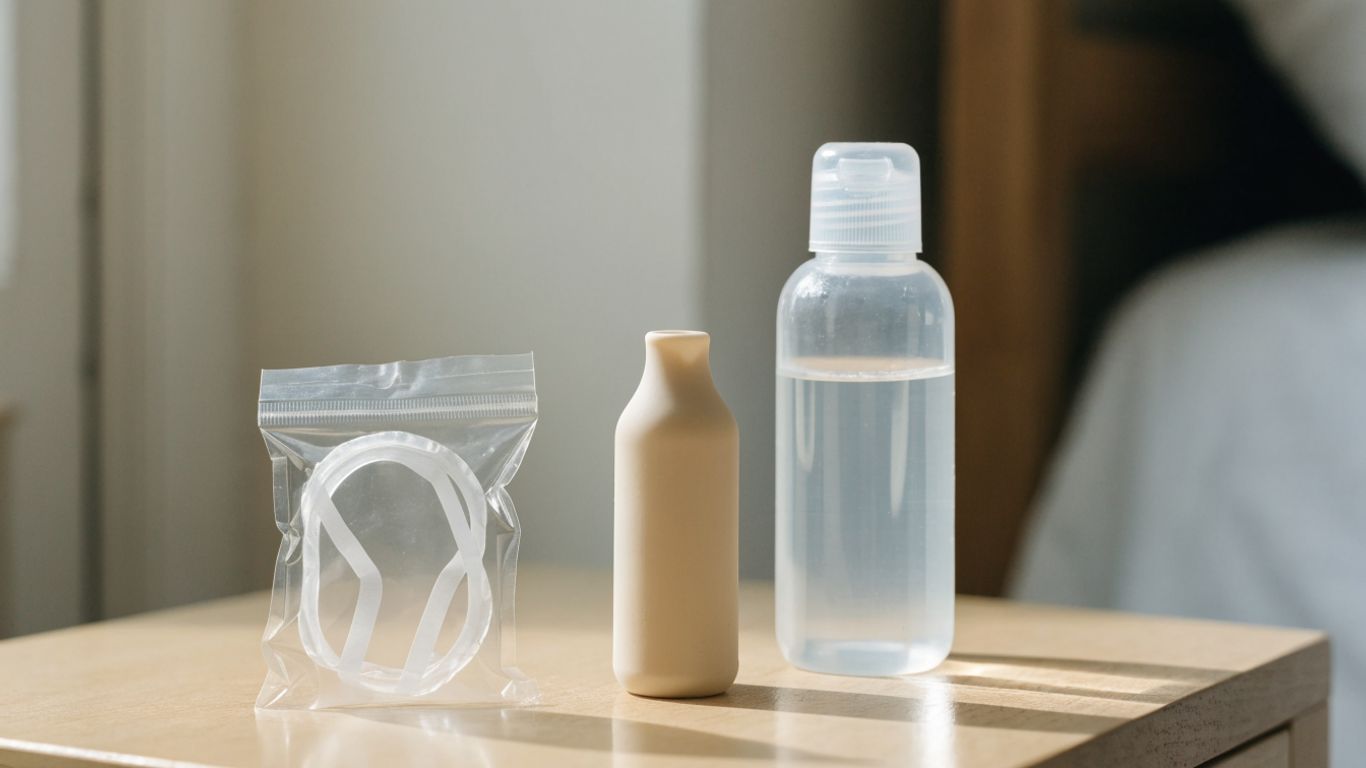
A lubricant can feel comfortable yet still be unsuitable for a condom or toy material. Compatibility depends on the lubricant ingredients and the specific barrier or toy, so check both sets of instructions. When in doubt, use a product explicitly labeled as compatible with the item you plan to use.
Which lubricants work with latex condoms
Water-based and many silicone-based lubricants are generally suitable with latex condoms, but follow the condom and lubricant labels. Do not assume a particular product is compatible just because it belongs to one of these broad categories. If the package offers specific directions, those directions are the clearest guide.
How oil can weaken latex
Oil can weaken latex and raise the chance that a latex condom will break. Avoid pairing oil-based lubricants with latex condoms, including when the oil is a household product rather than a lubricant. Check the condom packaging for compatible options and use a different lubricant if needed.
What to check before using lubricant with a toy
Toy materials vary, and some lubricants may not be recommended with certain materials. Read the toy maker’s care instructions and the lubricant label before combining them. If compatibility is uncertain, choose a lubricant the toy maker identifies as suitable rather than testing an unknown combination on the toy.
When to follow the product’s compatibility guidance
Follow the package guidance whenever it is more specific than general advice about a lubricant type. Instructions may distinguish among condom materials, toy materials, or intended uses. If directions conflict or are unclear, pause and check with the manufacturer or a healthcare professional before proceeding.
How to use lubricant comfortably
There is no precise amount that works for everyone. Start with a little, notice how it feels, and adjust as needed; using lubricant should be a comfortable choice rather than a performance test. Keeping the product within reach can make it easier to reapply without interrupting the moment.
Apply a small amount and add more as needed
Begin with a small amount and spread it where you want more glide. You can add more if friction continues, since the right amount depends on the formula and activity. Check the label for directions, particularly if the product has a special applicator or intended use.
Where to apply lubricant during sex
Depending on the product directions, lubricant may be applied to the vaginal opening, the penis, a condom’s outer surface, or a sex toy. Avoid putting lubricant inside a condom, which can make it more likely to slip. Choose placement based on comfort and compatibility, and follow the instructions for both the lubricant and any barrier or toy.
Reapply when friction returns
Some formulas dry or absorb more quickly than others, so reapplication may be useful if friction returns. Pause and add a little more rather than continuing through discomfort. If the lubricant repeatedly feels irritating or does not suit the activity, stop and consider a different product after checking its directions.
Stop if you notice irritation or discomfort
Stop using the product if you notice burning, itching, swelling, or increased discomfort. Rinse gently with water if appropriate, and avoid adding another product that might further irritate the area. If symptoms are severe, persist, or recur, contact a healthcare professional for advice.
When dryness or discomfort may need medical attention
Occasional dryness can happen, but persistent dryness or pain deserves attention rather than being something you have to tolerate. Lubricant may ease friction, but it cannot identify or treat every possible cause. A clinician can help assess symptoms and discuss suitable options.
Possible causes of persistent vaginal dryness
Ongoing dryness can have several possible causes, including hormonal changes, medication effects, irritation from products, or certain health conditions. Sometimes the reason is not obvious without a conversation and assessment. Avoid self-diagnosing based on one symptom, especially if dryness comes with pain or other changes.
Symptoms that warrant a clinician’s advice
Seek medical advice for persistent or worsening dryness, pain during sex, unexplained bleeding, unusual discharge, or symptoms that continue after stopping a product that may have caused irritation. Sudden or severe pain should be assessed promptly. These symptoms can have different explanations, so a clinician is better placed to recommend next steps.
How menopause, medications, or health conditions can play a role
Menopause can involve hormonal changes that affect vaginal moisture, and some medications or health conditions may also contribute to dryness. Do not stop a prescribed medication without discussing it with the prescriber. If the timing of symptoms seems connected to a treatment or health change, mention that when you seek care.
What to discuss with a healthcare professional
It may help to describe when symptoms began, what makes them better or worse, and whether you have noticed pain, bleeding, discharge, or irritation. Bring the names of any lubricants, cleansers, medications, or other products you use. Those details can help a healthcare professional consider possible causes and discuss options that fit your needs.
Conclusion
A comfortable lubricant is one that suits your body, feels good to you, and is compatible with any condoms or toys you use. Check ingredients and directions, start with a small amount, and reapply if friction returns. If dryness or discomfort persists, seek medical advice rather than trying to push through it.
Frequently Asked Questions
What is the best lubricant for women?
There is no single best option for everyone. Consider the formula’s feel, ingredients, intended use, and compatibility with any condoms or toys, then follow the product directions.
Is it normal to need lubricant during sex?
Yes. Natural moisture can vary with arousal, stress, hormones, medications, and other factors, and using lubricant is a normal way to support comfort.
Is water-based lubricant safe to use with condoms?
Many water-based lubricants are compatible with condoms, but check the lubricant and condom labels to confirm compatibility for the specific products.
Can I use oil with a latex condom?
No. Oil can weaken latex, so do not use oil-based lubricant with latex condoms. Check the condom package for compatible lubricant types.
How often should I reapply lubricant?
Reapply when friction returns or the lubricant no longer feels comfortable. How often that happens depends on the formula and the activity.
Can lubricant cause irritation?
It can. If you notice burning, itching, swelling, or increased discomfort, stop using it. Seek medical advice if symptoms are severe, persist, or recur.
When should I talk with a clinician about vaginal dryness?
Talk with a healthcare professional if dryness is persistent or worsening, or if it comes with pain during sex, bleeding, unusual discharge, or other concerning symptoms.





































































