

Posted by Mike
on September 05, 2026

Key Takeaways
Choosing personal lubricants K-Y becomes easier when you start with the activity, texture, ingredients, and materials involved rather than the product name alone.
- Water-based formulas are versatile and usually simple to clean up.
- Silicone-based formulas may offer longer-lasting slip, but material compatibility still matters.
- Read the label for intended use, ingredients, condom guidance, and storage information.
- Apply enough lubricant to reduce friction, then reapply whenever comfort changes.
- Stop using a product if it causes burning, itching, pain, or persistent irritation.
Understanding K-Y personal lubricants
Personal lubricants are designed to supplement natural moisture and reduce friction during intimate activity. The right choice depends on where and how the lubricant will be used, as well as how your body responds to its ingredients. This guide to choosing and using personal lubricants can help put those decisions into a practical order.
What K-Y lubricant is designed to do
A personal lubricant can make intimate contact feel more comfortable when natural moisture is not enough or when an activity creates additional friction. The aim is not to mask pain or replace medical care, but to support a smoother experience. Comfort should guide the choice from the first application through the end of intimacy.
A water-based jelly such as K-Y Jelly is commonly selected when a person wants a familiar, water-soluble texture. It may feel slightly thicker at first and can require reapplication as it dries, so keep additional lubricant nearby rather than waiting for discomfort to build.
How water-based, silicone-based, and hybrid formulas differ
The base affects glide, cleanup, and how a lubricant behaves with condoms or accessories. Water-based products are generally easy to rinse away, while silicone-based products tend to stay slippery for longer. Hybrid formulas combine characteristics of more than one base, so the label deserves close attention.
A simple comparison can make the differences easier to see:
| Formula type | Typical feel | Cleanup | Main check before use |
|---|---|---|---|
| Water-based | Light to gel-like | Usually rinses away easily | Reapplication and ingredient sensitivity |
| Silicone-based | Smooth and long-lasting | May need more washing | Compatibility with silicone accessories |
| Hybrid | Varies by formula | Depends on the ingredients | Read the full product instructions |
No category is automatically best for everyone. Choose the base that fits the activity and your preferred feel, then confirm the product-specific directions before using it with a condom or toy.
Choosing between gel, liquid, and long-lasting textures
Gels tend to feel more substantial, while liquids spread quickly across skin and surfaces. A long-lasting texture can be useful when frequent reapplication would interrupt intimacy, but a heavier feel is not necessarily more comfortable. Start with a small amount and assess the glide before adding more.
Texture also affects control. A thicker gel may stay where it is placed, whereas a thinner liquid may distribute more easily but run farther than expected. Personal preference, body sensitivity, and the activity itself should all be part of the decision.
What product labels can tell you
Labels provide the most reliable starting point for understanding a lubricant. Look for the base, intended uses, directions, expiration information, storage guidance, and any compatibility statements. Ingredient lists can also help you avoid substances that have irritated you in the past.
Marketing language may describe a sensation or texture, but it does not replace instructions. If the package gives different advice from a general rule, follow the product label and ask a healthcare professional when the instructions are unclear.
Choosing the right K-Y formula for your needs
There is no single best lubricant for every person or every kind of intimacy. A useful choice balances desired staying power with cleanup, material compatibility, and personal sensitivity. Think of the formula as one of several intimate essentials, not as a promise that discomfort will never occur.
Options for everyday intimacy
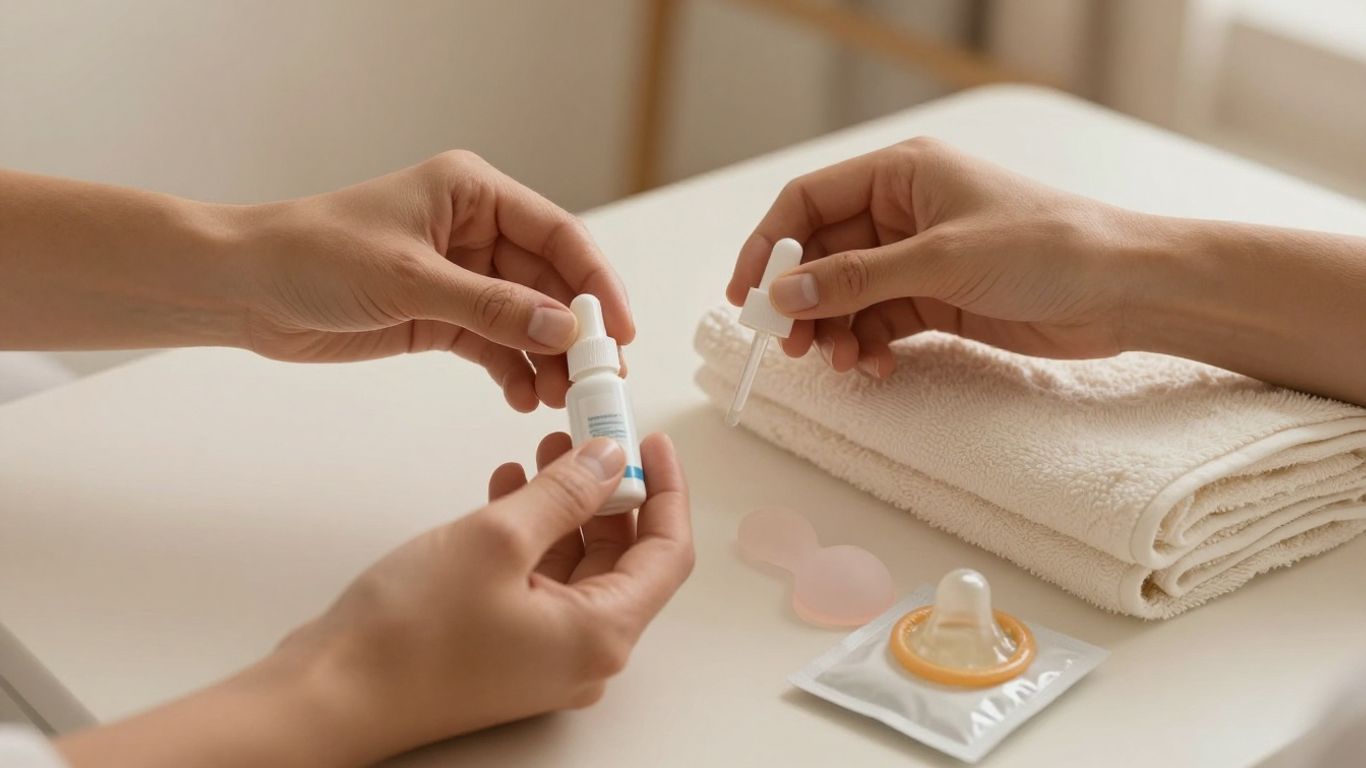
For everyday intimacy, many people begin with a water-based formula because it is versatile and generally easy to clean. K-Y Jelly is a water-based option with a classic jelly texture, making it a reasonable reference point for comparing thickness and reapplication needs.
Consider how often you want to reapply, whether you prefer a light or substantial feel, and whether the lubricant will be used with a condom or toy. A small trial amount can tell you more about comfort than choosing by packaging alone.
Formulas for vaginal dryness
Vaginal dryness can have many causes, including hormonal changes, medication, stress, irritation, or insufficient arousal. A lubricant can reduce friction during sexual activity, but it does not diagnose or treat the reason for persistent dryness. If dryness continues, worsens, or occurs with pain or bleeding, professional advice is appropriate.
K-Y Natural Feeling is described in the available product information as a moisturizing lubricant made with hyaluronic acid. Even with a moisturizing formulation, use only as directed and pay attention to how your body responds.
Lubricants designed for anal sex
Anal tissue does not produce vaginal lubrication, so adequate product and steady communication are especially important for anal sex. Use a lubricant intended for the activity, apply generously enough to maintain comfort, and pause whenever there is pain rather than trying to push through it.
A thicker or longer-lasting texture may suit some people, but the specific label remains the deciding authority. Condoms, toys, and the materials they contain should also be considered before applying any formula.
Selecting a condom-compatible product
Condom compatibility depends on both the lubricant base and the condom material. Oil-based products can damage some latex condoms, while silicone-based lubricant may require extra care with silicone accessories. Check the package for explicit compatibility guidance instead of relying on a product category alone.
If you are using a condom for pregnancy or infection prevention, lubricant is an addition to that protection, not a replacement for it. Store both products properly and inspect the condom before use.
How to use personal lubricants safely
Using lubricant safely is mostly a matter of paying attention to amount, timing, location, and sensation. Apply it before friction becomes uncomfortable, and treat reapplication as a normal part of intimacy rather than a sign that something has gone wrong. Communication makes these small adjustments easier and less disruptive.
How much lubricant to apply
Begin with a modest amount, spread it over the relevant external areas, and add more when the glide feels insufficient. The ideal amount varies with the formula, the activity, and personal preference. More is not always better, but too little can create unnecessary friction.
A practical sequence keeps application simple:
- Start with a small amount on clean fingers or the intended surface.
- Spread it over the areas that will experience friction.
- Add more if movement begins to feel dry, sticky, or uncomfortable.
- Pause and reassess if the product causes stinging or burning.
This approach lets you adjust gradually instead of applying a large quantity at once. Keep the container within reach, particularly during longer activity or when using a formula that may dry more quickly.
When to reapply during sex
Reapply whenever the lubricant no longer feels sufficiently slippery. Water-based formulas may need more frequent application, while other textures may remain comfortable for longer. A change in sensation is a useful signal; you do not need to wait for pain.
Reapplication is also a chance to check the condom or toy and make sure the product has not migrated into an uncomfortable place. If the lubricant repeatedly dries too quickly, consider whether a different texture or base would better suit the activity.
Where lubricant can be used
Use a lubricant only in the areas and situations listed on its packaging. Some products are intended for external intimate use, while others may include more specific directions. Never assume that a formula is suitable for every body area, internal use, oral use, or use with every accessory.
Keep lubricant away from eyes and broken skin unless the label specifically says otherwise. If you are uncertain about internal use or have a medical condition affecting the area, ask a qualified healthcare professional.
How to clean up after use
Water-based lubricants are often convenient to clean with warm water and mild, unscented soap, though product instructions should come first. Silicone-based formulas may need more thorough washing from skin or surfaces. Pat dry rather than scrubbing sensitive tissue.
Clean reusable toys according to their own care instructions and allow them to dry completely before storage. Avoid sharing containers or applicators in ways that could transfer bodily fluids, and replace products that are expired, contaminated, or noticeably changed in smell or texture.
K-Y lubricants and sexual health considerations
Sexual comfort includes more than immediate glide. Ingredients, scent, flavor, warming sensations, and compatibility can all affect whether a product feels appropriate for your body. Read the label before use and keep track of any pattern between a new product and a change in comfort.
Checking ingredients for potential irritants
Sensitive skin may react to preservatives, fragrances, flavors, warming agents, or other ingredients. A product that feels fine for one person may cause irritation for another, so previous experience matters. If you have known allergies or recurrent irritation, compare ingredient lists carefully and consider professional guidance.
Do not test a new formula during an activity where you would have difficulty stopping. A small amount on an external area, used according to the label, may help you notice an immediate reaction, but it cannot guarantee that internal use will be comfortable.
Understanding fragrance, flavor, and warming ingredients
Fragrance and flavor can change the sensory experience, while warming or tingling ingredients are intended to create a noticeable sensation. Noticeable does not always mean pleasant, especially for people with sensitive skin. A plain formula may be the better starting point when predictability is the priority.
Burning, swelling, persistent itching, or pain is not a sensation to tolerate in the hope that it will improve. Wash the area gently, discontinue the product, and seek medical advice if symptoms continue or are severe.
Using lubricant with condoms and sex toys
Compatibility is a material question, not just a brand question. Read the lubricant and accessory instructions together, especially when using latex condoms or silicone toys. When the label is unclear, contact the manufacturer or choose a product with explicit compatibility information.
A lubricant can improve comfort but cannot make a damaged condom safe. Use a new condom if it breaks, slips, or appears compromised, and follow the instructions for any toy used during the same activity.
When to stop using a product
Stop if you notice burning, itching, rash, swelling, unusual discharge, bleeding, or pain. Remove the product gently and avoid adding another scented or medicated product that might make the reaction harder to understand. Symptoms that are intense, recurrent, or slow to resolve deserve medical attention.
If irritation happens repeatedly with different lubricants, a clinician can help consider infection, dermatitis, hormonal changes, or other causes. Lubricant selection should support health, not delay care.
Common mistakes to avoid with personal lubricants
Most lubricant problems come from a mismatch between the formula and the situation, rather than from the basic idea of using lubricant. People may apply too little, overlook material compatibility, or continue using a product after their body has objected. A few simple checks can prevent those avoidable problems.
Using too little lubricant
Too little product can leave skin exposed to friction, especially during extended activity or anal sex. Apply enough to maintain a smooth feel and reapply before discomfort becomes pronounced. If you need a large amount repeatedly, the formula or activity may not be the right match.
Do not interpret dryness as a need to move faster. Slowing down, adding lubricant, and communicating about comfort are usually more useful responses.
Mixing incompatible products
Combining different lubricants can change texture, irritation potential, or compatibility with condoms and toys. This is particularly relevant when mixing water-based, silicone-based, or oil-based products. Use one formula at a time unless the product directions clearly support combining them.
When changing products, clean the relevant area and accessory first. That makes the new formula easier to evaluate and reduces the chance that residues will affect its feel.
Substituting household products for personal lube
Household oils, lotions, soaps, and other improvised products may contain ingredients that irritate sensitive tissue or weaken certain condoms. They are also not formulated with intimate use in mind. Choose a product labeled for personal lubrication instead.
The same caution applies to products that seem harmless because they are made for skin elsewhere on the body. Facial or body moisturizers may include fragrance, alcohol, or other ingredients that are uncomfortable in intimate areas.
Ignoring changes in comfort or irritation
Discomfort is information, not an inconvenience to ignore. If a familiar product suddenly feels different, check its expiration date, storage conditions, and appearance before using it again. A change in your own sensitivity can also make a previously acceptable formula unsuitable.
Persistent symptoms should be assessed by a healthcare professional rather than managed only by switching products. A lubricant can reduce friction, but it cannot resolve every cause of intimate discomfort.
How to find the best K-Y product for you
Finding the right option is a process of matching practical needs with personal comfort. Start with the activity, then consider base, texture, ingredients, staying power, and cleanup. A product finder or comparison guide can organize the choices, but your body’s response remains the most useful feedback.
Matching the formula to your activity
Choose a formula according to whether you need everyday versatility, support for dryness, longer-lasting glide, or compatibility with a particular condom or toy. K-Y Liquibeads is described in the available product information as offering soothing lubrication for up to 48 hours, which is a specific product claim to review against the package directions rather than a general expectation for all lubricants.
The activity also determines how much attention to give staying power and cleanup. A formula that works well in one setting may feel inconvenient or unsuitable in another.
Comparing comfort, texture, and staying power
Compare products by using the same questions each time: Does the texture feel comfortable? Does it remain slippery long enough? Is cleanup manageable? Does the formula create any sensation you do not want?
Keep notes if you are testing several options, especially when dryness or sensitivity is part of the decision. Small differences in thickness and reapplication can become more noticeable over repeated use.
Considering allergies and sensitivities
People with sensitive skin may prefer to begin with a simpler ingredient list and avoid added fragrance or strong sensory effects. Review the label for ingredients you already know cause problems, and do not assume that “natural” automatically means irritation-free.
If you have a history of reactions, introduce only one new product at a time. That makes it easier to identify the likely trigger and decide whether to stop using it.
Knowing when to ask a healthcare professional
Ask a healthcare professional about persistent dryness, pain, bleeding, recurrent irritation, unusual discharge, or symptoms that begin after using a lubricant. A clinician can help distinguish friction from an underlying condition and suggest appropriate care.
Professional advice is also useful during pregnancy, after surgery, with known allergies, or when medications affect sexual comfort. Product selection should fit your broader health needs rather than stand apart from them.
Conclusion
The best personal lubricants K-Y choice is the one that fits the activity, feels comfortable, works with the materials involved, and does not irritate your body. Read the label, apply enough, reapply when needed, and treat persistent discomfort as a reason to seek care rather than simply change products.
Frequently Asked Questions
What is personal lubricant used for?
Personal lubricant supplements natural moisture and reduces friction during intimate activity. It can improve comfort, but it does not treat every cause of dryness or pain.
How do I choose between water-based and silicone-based lubricant?
Consider desired staying power, cleanup, and compatibility with condoms or toys. Always check the specific product label because formulas within the same category can differ.
Can lubricant be used with condoms?
Some lubricants are compatible with certain condoms, while others may weaken particular materials. Confirm compatibility on the lubricant and condom packaging before use.
How often should I reapply lubricant?
Reapply whenever the product no longer provides enough glide or comfort. The timing varies with the formula, activity, and individual body response.
Can personal lubricant cause irritation?
Yes. Fragrance, flavor, warming ingredients, preservatives, or individual sensitivities may cause irritation. Stop using a product if you develop burning, itching, swelling, rash, or pain.
Is lubricant the same as a vaginal moisturizer?
No. Lubricant is generally used around sexual activity to reduce friction, while a vaginal moisturizer is intended for ongoing moisture support. Follow each product’s specific directions.
When should I speak with a healthcare professional about dryness?
Seek advice when dryness is persistent, painful, associated with bleeding or unusual discharge, or accompanied by recurring irritation. Professional assessment can identify causes that lubricant alone cannot address.