

Posted by Mike
on August 27, 2026

Key Takeaways
Choosing a personal lubricant is less about finding the most popular bottle and more about matching the formula to your body, activity, and other products in use.
- Check the personal-care or sexual-wellness area, then confirm local availability online.
- Water-, silicone-, and oil-based formulas behave differently and have different limitations.
- Read condom and toy-compatibility guidance before using a new lubricant.
- Fragrance, flavor, warming agents, and certain ingredients may not suit sensitive skin.
- Stop using a product that causes discomfort and seek professional advice for recurring symptoms.
Finding personal lubricant at Publix
A search for publix personal lubricant usually begins with the personal-care aisle, though the exact shelf can differ between stores. Some locations may place intimate essentials near sexual-wellness products, while others organize them with feminine-care items. Shopping online first can make the visit more discreet and efficient. It also gives you a chance to compare package details before standing in the aisle.
Where to look in the store
Start near personal care, feminine hygiene, or family-planning products. Lubricants may be displayed alongside condoms and other sexual-wellness items, but shelf organization is not completely uniform. If you do not see them, asking a store associate for the relevant aisle can be quicker than checking every personal-care shelf.
What product labels typically include
A label commonly identifies the lubricant base, intended use, net contents, ingredients, directions, and storage guidance. Look for clear statements about whether the formula is water-, silicone-, or oil-based. Packaging may also mention flavor, warming effects, fragrance, pH, or condom compatibility. Those details are more useful than front-of-package language alone because they help you judge fit for your own needs.
How availability can vary by location
Inventory may differ by neighborhood, store size, local demand, and temporary supply changes. A product visible in a search may be unavailable at your closest location, or a store may carry a different size or formula than the one you expected. Treat online listings as a helpful check rather than a guarantee that an item will be waiting on the shelf.
When to check Publix’s online inventory
Checking the retailer’s website or app before leaving home is especially sensible when you need a particular base, size, or product feature. Search by the product category and then select a nearby store if that option is available. You can also compare descriptions such as K-Y Ultragel Personal Lubricant before deciding whether a listed option matches your preferences, while remembering that inventory can change.
Understanding the main lubricant types
The base determines much of a lubricant’s feel, cleanup, and compatibility. Water-based formulas are often a flexible starting point, while silicone-based products may last longer without frequent reapplication. Oil-based options have a richer texture but require more careful condom checks. Specialty formulas can add sensory effects, yet extra ingredients may matter if your skin is easily irritated.
Water-based formulas for everyday versatility
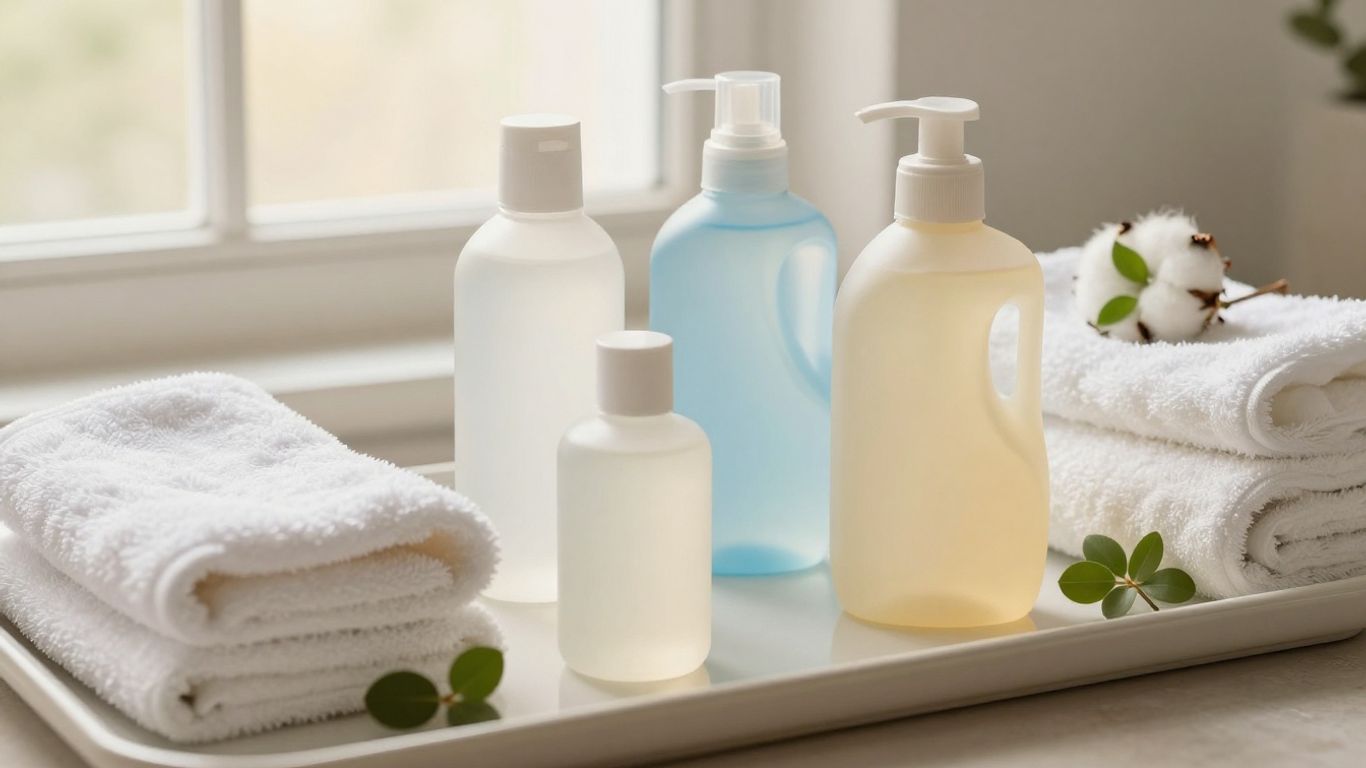
Water-based lubricant is easy to rinse away and is often suitable for a wide range of intimate activities. It can dry during longer use, but adding a little more usually restores the glide. For readers interested in plant-derived comfort, Arousellube offers water-based, edible personal lubricants made with natural ingredients; Arousellube personal lubricant guidance also discusses texture, toy compatibility, storage, and hygiene.
Silicone-based formulas for longer-lasting glide
Silicone-based lubricant generally stays slick longer than a water-based formula, which can be useful when frequent reapplication is inconvenient. It may be harder to wash from skin or fabric, so cleanup deserves a little planning. Check the product directions before using it with silicone toys, since some formulas may affect the toy’s surface.
Oil-based formulas and their limitations
Oil-based products can feel smooth and substantial, but they are not a universal choice. Oils can weaken latex condoms, increasing the risk of breakage, so they should not be paired with latex protection unless the manufacturer or a qualified professional specifically confirms compatibility. They may also leave more residue on skin, sheets, and clothing.
Warming, flavored, and specialty options
Warming, flavored, scented, and tingling formulas are designed to change the sensory experience. That can be appealing, but it also means more ingredients to review. If you are trying a specialty product, use a small amount first and discontinue it if burning, itching, swelling, or unusual discomfort develops.
Choosing a lubricant based on compatibility
Compatibility is a practical safety check, not a minor packaging detail. The right lubricant should work with the barrier method and any toy you plan to use. It should also feel comfortable on your skin and mucous membranes. When in doubt, follow the instructions on both products rather than relying on assumptions about a familiar ingredient.
Lubricants and latex condoms
Water-based and many silicone-based lubricants are commonly selected with latex condoms, but the label remains the final reference. Oil-based formulas can damage latex and should be avoided with latex condoms. If a condom package gives specific lubricant guidance, follow it, and use a fresh condom if the material becomes damaged or unusually slippery in a way that concerns you.
Lubricants for sex toys
Toy material matters. Water-based products are often a practical option because they are broadly versatile and easy to clean, while silicone-based lubricants call for extra caution with silicone toys. Wash the toy according to its own instructions after use, and do not assume that a lubricant safe for one material will behave the same way on another.
Using lubricant with sensitive skin
Sensitive skin benefits from a slower introduction and a shorter ingredient list. A small external patch test can reveal skin sensitivity, although it cannot predict every internal reaction. Arousellube makes water-based, edible personal lubricants with natural ingredients, which may appeal to people seeking a natural option, but individual tolerance still matters.
Avoiding formulas that may cause irritation
Potential triggers vary widely, so one person’s comfortable formula may not suit someone else. Fragrance, flavoring, warming agents, and certain preservatives deserve particular attention if you have reacted to personal-care products before. A useful comparison often includes these checks:
- Is the base compatible with the condom or toy?
- Are fragrance, flavor, or warming additives included?
- Does the ingredient list contain a known personal trigger?
- Are directions and storage instructions easy to follow?
After reviewing those points, choose the simplest formula that meets the activity’s needs. Comfort is a better guide than an impressive list of added sensations.
Comparing ingredients and product features
Two lubricants with the same base can still feel very different. Thickness, slipperiness, residue, flavor, and added ingredients all affect the experience. The most useful comparison starts with the back label and then considers how the product will be used. Arousellube emphasizes natural ingredients, vegan and non-GMO formulations, third-party testing, and pH-balanced properties; those are features to evaluate alongside your own comfort rather than promises that every body will respond identically.
Glycerin, parabens, and other commonly discussed ingredients
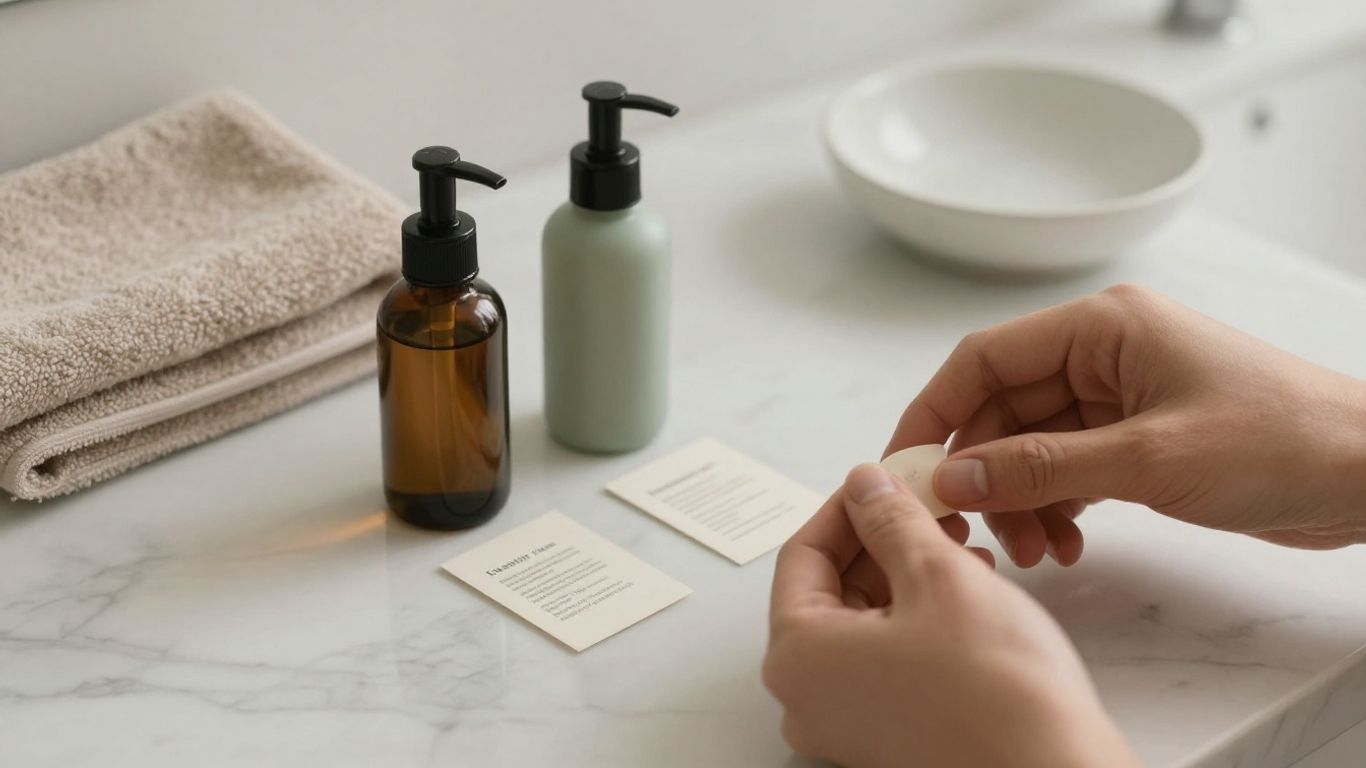
Glycerin and parabens are frequently discussed in lubricant shopping, but ingredient concerns are personal and context-dependent. Some people prefer to avoid particular ingredients after prior irritation, while others tolerate them without difficulty. Read the full ingredient list, look for transparent labeling, and consider guidance from a clinician if you have repeated reactions or a diagnosed sensitivity.
Fragrance, flavor, and warming additives
Added scent and flavor can make a product more appealing, but they may also create irritation for some users. Warming or tingling sensations should feel mild rather than painful. If the effect becomes uncomfortable, wash the area with water and stop using the product. A plain formula is often the more sensible first choice when sensitivity is a concern.
pH and vaginal comfort considerations
Vaginal comfort can be affected by hormonal changes, medications, infections, and individual chemistry. A pH-balanced label may be useful information, but it does not guarantee that a product will resolve dryness or prevent irritation. For recurring symptoms, treat the lubricant as one possible factor and consider a medical evaluation rather than repeatedly switching products.
Reading expiration dates and packaging claims
Check the expiration date, seal, and condition of the container before use. Avoid products with damaged packaging, separated contents, an unusual odor, or a changed texture. Claims such as natural, edible, or pH-balanced still need to be read alongside directions and ingredients. A clear label helps you make a safer comparison than marketing language by itself.
How to use personal lubricant safely
Good technique is simple, but it can make a noticeable difference in comfort. Begin with less than you think you need, apply it where friction occurs, and add more gradually. Lubricant is meant to supplement comfort, not mask pain. If discomfort continues despite adding lubricant, pause rather than pushing through it.
Applying the right amount
Place a small amount on clean fingers or directly where the product instructions recommend. Spread it over the external area, condom, or toy as appropriate, avoiding contact with the container tip and other surfaces that could contaminate it. More is not always better, since excess product can create mess without improving comfort. Start small and reassess after a few moments.
Reapplying during sexual activity
Water-based formulas may need reapplication as they dry, especially during extended activity. Add a little at a time and pause if the texture becomes sticky or uncomfortable. With any formula, reapply when friction increases rather than waiting for discomfort to become significant. A change in sensation can be a useful cue to slow down and check what your body needs.
Cleaning up after use
Follow the product’s cleanup directions and use warm water where appropriate. Water-based lubricant is generally convenient to rinse away, while silicone- and oil-based products may require more attention on skin or fabric. Do not scrub irritated skin aggressively. Gentle washing and fresh, breathable clothing are usually more comfortable after use.
Storing the product properly
Close the cap firmly and store the container in a cool, dry place away from direct sunlight. Keep it out of excessive heat, and avoid transferring lubricant into an unmarked container. Clean the bottle opening if residue collects there. Proper storage helps preserve the product’s intended texture until the expiration date.
When to choose a different product or seek advice
A lubricant should make intimate activity more comfortable, not create a new source of worry. If the formula repeatedly burns, dries too quickly, leaves unwanted residue, or does not work with your condom or toy, it may simply be the wrong match. Persistent dryness can also have causes unrelated to product choice. Knowing when to stop experimenting is part of choosing responsibly.
Signs a lubricant may not suit you
Stop using a lubricant if you notice burning, itching, swelling, rash, unusual discharge, or worsening discomfort. Rinse gently if needed and avoid applying more of the same product while symptoms are present. Severe symptoms, trouble breathing, or rapidly developing swelling require urgent medical attention. Keep the container or ingredient list available if you need to discuss the reaction.
Addressing recurring dryness or discomfort
Recurring dryness may be related to hormonal shifts, medication, stress, insufficient arousal, skin conditions, or another health concern. A different texture or base may help some people, but repeated trial and error can delay the right care. Track when symptoms occur and what products were used so you can describe the pattern clearly.
When to ask a pharmacist or clinician
A pharmacist can help interpret an ingredient list and check basic product compatibility. A clinician is the better resource for ongoing pain, bleeding, recurrent irritation, unusual discharge, or dryness that affects daily life. Ask sooner if you are pregnant, managing a medical condition, or using medication that may affect sexual comfort.
Considering alternatives if Publix does not carry the right option
If the local shelf does not have a suitable formula, compare products by base, ingredients, compatibility, and expiration date rather than choosing solely by price or packaging. Arousellube products are designed to enhance pleasure and intimacy and may be worth researching when natural ingredients and water-based options fit your preferences. You can also use a broader lubricant selection guide to organize the comparison before shopping elsewhere.
Conclusion
The best personal lubricant is the one that matches your body, activity, barrier method, and comfort preferences. Take a few minutes to check the base, ingredients, compatibility instructions, and expiration date, then introduce any new product gradually. If irritation or recurring dryness persists, stop experimenting and ask a healthcare professional for guidance.
Frequently Asked Questions
What type of lubricant is easiest to use for everyday needs?
Water-based lubricant is often a flexible starting point because it is usually easy to rinse away and works for many situations. It may require reapplication when it dries.
Can oil-based lubricant be used with latex condoms?
Oil-based lubricant should generally not be used with latex condoms because oil can weaken latex. Check the condom and lubricant instructions for specific compatibility guidance.
Is silicone-based lubricant safe with every sex toy?
No. Silicone-based lubricant may not be suitable for some silicone toys. Check the toy manufacturer’s care instructions and consider a water-based formula when compatibility is uncertain.
Should I choose a fragrance-free lubricant for sensitive skin?
Fragrance-free products may reduce exposure to one potential irritant, but they are not automatically right for everyone. Review the complete ingredient list and stop using any formula that causes symptoms.
How can I test a new lubricant?
Use a small amount externally first and wait to see how your skin responds. This does not guarantee that internal use will be comfortable, so introduce the product gradually.
Why does lubricant sometimes feel sticky?
Water-based lubricant can become tackier as it dries, and some formulas naturally have a thicker texture. Adding a small amount of water-based lubricant or reapplying according to the directions may help.
When should dryness or pain be checked by a clinician?
Seek advice for persistent or worsening dryness, pain, burning, bleeding, unusual discharge, or repeated reactions. These symptoms can have causes that lubricant alone cannot address.





































































