

Posted by Mike
on October 07, 2026

Key Takeaways
Silicone lubricant creates a slick, water-resistant film, but the right formula depends on the surface and the job. Check the label before use, especially for personal lubricants, plastics, and painted surfaces.
- Silicone lubricant can help reduce friction and resist water, but products vary by use.
- Choose a formula labeled for the material and application.
- Clean and dry surfaces, then apply sparingly and test before regular use.
- Keep silicone-based personal lubricants away from silicone toys unless the toy and lubricant labels say they are compatible.
- Silicone-based personal lubricants are generally compatible with latex condoms; check the product label for confirmation.
What silicone lubricant is and how it works
Silicone lubricant is a broad label for products made with silicone compounds, but formulas intended for machinery are not the same as personal lubricants. Their shared quality is a slippery feel that can reduce friction, while the ingredients and intended use differ. The silicone lubricant basics guide offers another overview of formula types and surface considerations.
Silicone oil, spray, and personal lubricant formulas
Silicone lubricants come in several forms, including oils, sprays, and personal lubricant formulas. An industrial spray is intended for equipment or surfaces, while a personal lubricant is formulated and labeled for intimate use. Never substitute one for the other; the intended application on the label matters more than the word “silicone.”
How silicone creates a slick, water-resistant film
Silicone compounds can leave a smooth film between surfaces, helping them move with less friction. Many silicone formulas resist water better than water-based products, which can make them useful in damp settings, though resistance and staying power vary by formulation. The film can also be difficult to remove with water alone, so plan for suitable cleanup.
How it differs from petroleum- and water-based lubricants
The base affects feel, cleanup, and compatibility. Water-based products typically rinse away more easily, while silicone formulas tend to resist water; petroleum-based products have different material and condom considerations. Arousellube offers water-based, edible personal lubricants made with natural ingredients; these are a different formula category, not silicone lubricants.
Common uses for silicone lubricant
Silicone lubricant is used in both household maintenance and intimate settings, but those applications call for different products. A lubricant suitable for a hinge should not be used on the body, and a personal formula is not designed to service equipment. Match the label to the task before opening the container.
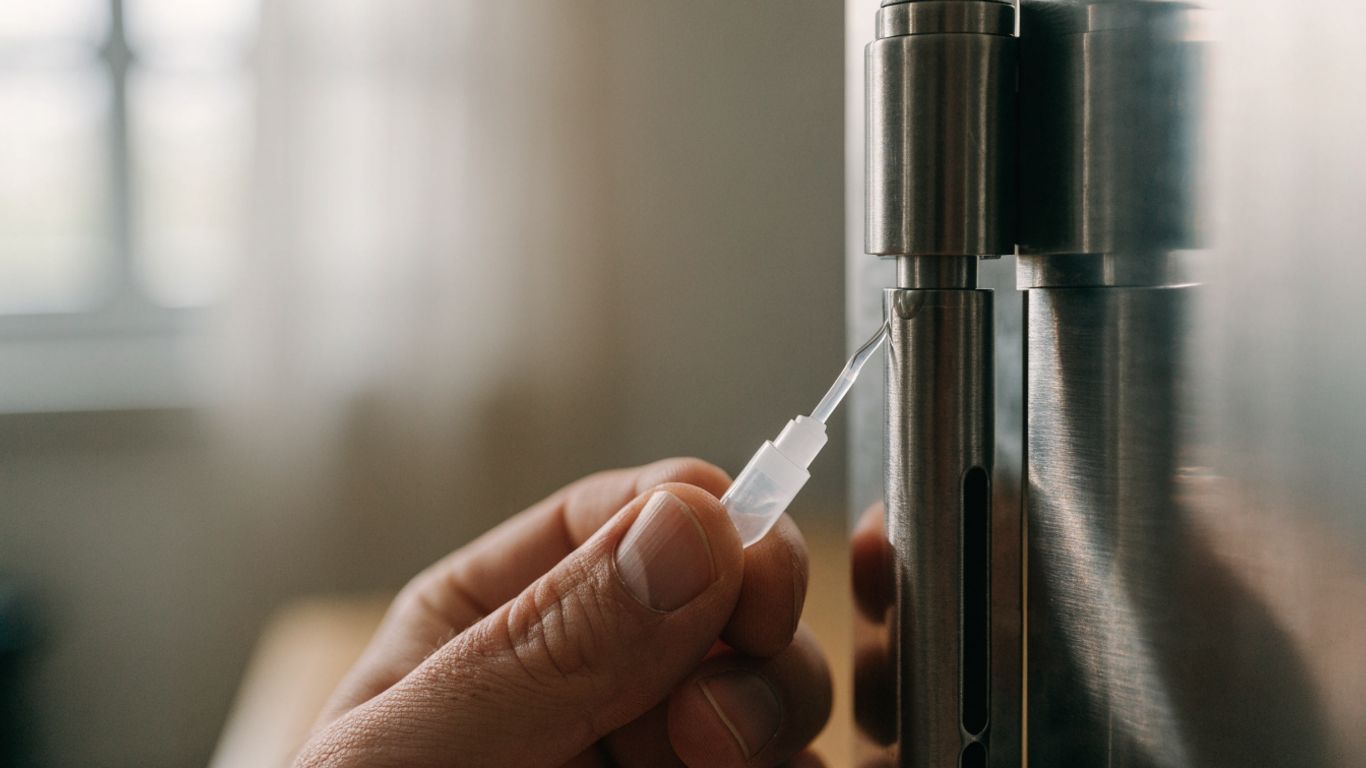
Reducing friction on hinges, tracks, and moving parts
A product labeled for mechanical use may help quiet squeaks or ease movement on compatible hinges, tracks, and other parts. Use only where the manufacturer permits lubrication, and avoid applying it to surfaces that need traction, such as steps or handles. For more on spray applications and their limits, see this spray lubricant guide.
Protecting rubber seals and plastic components
Some silicone lubricants are made for use with rubber seals or selected plastic components, but that does not mean every formula is suitable for every material. Product labels can identify approved surfaces, and a small inconspicuous test can reveal an unwanted change in appearance or feel. Arousellube offers water-based, edible personal lubricants made with natural ingredients for intimate use, not for maintaining seals or mechanical components.
Using silicone-based personal lubricants safely
A personal lubricant labeled silicone-based can provide a smooth glide and may be useful when a water-resistant formula is preferred. Confirm that the product is intended for intimate use and check compatibility with toys and other products. Arousellube offers water-based, edible personal lubricants made with natural ingredients as a separate type of intimate essential; choose according to your preferences and the relevant product labels.
How to choose the right formula
Start with the surface or activity, not the product’s texture or packaging. Products sold under the same broad silicone label may have different ingredients and instructions. Reading the use directions first helps prevent applying a formula to a material or body area for which it was not designed.
Match the product to the material and application
For household parts, look for an explicit indication that the product is suitable for the material and task. For personal use, select a formula specifically labeled as a personal lubricant and check its compatibility information. If you are comparing intimate options, Arousellube offers water-based, edible personal lubricants made with natural ingredients; this is distinct from a silicone-based formula.
Compare sprays, liquids, and gels
The format affects where a product is easiest to apply and how much control you have. This comparison is a starting point, not a substitute for checking the actual label, since individual products can differ.
| Format | Often useful for | What to check |
|---|---|---|
| Spray | Reaching a spread-out or hard-to-reach surface | Overspray and approved materials |
| Liquid | Applying a measured amount to a small area | Whether it is intended for mechanical or personal use |
| Gel | Keeping product in a more localized area | Application directions and compatibility |
Use the format that suits the task while following the product’s own instructions. A spray’s convenience, for example, does not make it appropriate for every surface or indoor setting.
Check product labels for additives and intended uses
Labels help distinguish a mechanical lubricant from a personal one and may list materials, warnings, and cleanup directions. For personal formulas, also review the ingredient list and any stated compatibility guidance, especially if you have known sensitivities. Avoid assuming that two products are interchangeable simply because both contain silicone.
How to apply silicone lubricant
Good application is less about using a lot and more about placing the product where it is needed. For mechanical use, protect nearby surfaces from overspray or drips; for personal use, follow the directions on the product itself. In either case, begin with a small amount and adjust only if the label allows.

Clean and dry the surface first
Dust, grit, or old residue can interfere with a smooth application. Wipe the surface using a method appropriate for its material, then let it dry before applying lubricant. Keeping the area clean also makes it easier to spot any unexpected change caused by the product.
Apply a small amount and spread it evenly
A thin, even layer is usually easier to control than a heavy coating. For mechanical surfaces, direct the product only to the point of contact and shield nearby areas. These simple steps can help keep application tidy:
- Read the label and confirm the intended use.
- Protect adjacent surfaces from drips or overspray.
- Start with a small amount rather than coating the whole area.
- Wipe away excess with a suitable cloth if the directions allow.
Then follow the package directions before adding more. Excess product can leave a slippery residue where it is not wanted, so apply gradually and reassess.
Allow the product to settle before testing the surface
Give the formula the time specified on its label before testing movement or comfort. Test mechanical parts gently and check that the lubricant has not reached a surface that needs grip. For personal use, follow the package instructions and stop if irritation or discomfort occurs.
Materials and situations to avoid
Silicone lubricant is not universally compatible with every finish, plastic, or personal product. A spot test and a careful label check can prevent surprises, especially when the surface will later be painted, bonded, or repaired. If the intended use is unclear, do not assume a product is safe for the material.
When silicone can damage paint or affect later repairs
Some silicone residues can interfere with paint adhesion or later finishing work, even if no immediate damage is visible. Keep lubricant away from surfaces that will be painted or refinished unless the product specifically says it is suitable. When preparing an area for repair, follow the repair product’s cleaning guidance rather than relying on a quick wipe.
Why some silicone products are unsuitable for certain plastics
Plastic materials vary, and a formula that works on one type may affect another. Check the lubricant’s compatibility instructions and the component manufacturer’s guidance before use. When neither source gives a clear answer, test a hidden area first or choose a product explicitly labeled for that material.
Why silicone-based personal lubricants are not compatible with latex condoms
This heading reflects a common point of confusion: silicone-based personal lubricants are generally compatible with latex condoms, whereas oil-based products can damage latex. Still, check the lubricant and condom packaging for specific compatibility directions, and use only products labeled for intimate use. Silicone-based personal lubricants may be unsuitable for some silicone toys, so check the toy manufacturer’s instructions as well.
Safety, cleanup, and storage
Treat silicone products as slippery residues, not just as lubricants. Keep them off floors, grips, and other surfaces where traction matters, and use the product only as directed. These habits apply across household and personal use, though the relevant safety instructions differ by formula.
Use sprays with ventilation and away from ignition sources
When using an aerosol, follow its warnings about ventilation, heat, and ignition sources. Avoid breathing the spray or directing it toward people, pets, or unintended surfaces. If you are working indoors, take the precautions stated on the container before spraying.
Remove residue without spreading it to nearby surfaces
Wipe up excess with an absorbent cloth or paper towel, taking care not to drag the residue across a larger area. Then clean the surface using a method suitable for that material and the product label. Check the floor and nearby handles too; a thin film can make them unexpectedly slick.
Store the product according to its label
Keep the container closed and stored as directed, away from heat or other conditions listed in the warnings. Store mechanical and personal lubricants separately so the intended use remains clear. Discard or replace a product if its package is damaged or its label directions can no longer be read.
Conclusion
Silicone lubricant can provide a useful, water-resistant glide, but the safest choice depends on the formula, material, and intended task. Check the label, apply a small amount, and take extra care around paint, plastics, and surfaces where a slippery film could create a problem.
Frequently Asked Questions
These quick answers cover common questions about silicone lubricant, from household use to personal formulas. When a product’s label gives specific directions, follow those instructions over general guidance.
What is silicone lubricant used for?
Depending on its formulation, it may reduce friction on compatible mechanical parts or provide glide as a personal lubricant. Use only a product labeled for the specific application.
Does silicone lubricant wash off with water?
Many silicone formulas resist water, so water alone may not remove all residue. Cleanup methods vary by product and surface; check the label.
Can silicone lubricant be used on plastic?
Some products are suitable for certain plastics, but compatibility varies. Check the product and component instructions, and test an inconspicuous spot if needed.
Can silicone lubricant damage paint?
Silicone residue can interfere with some painting or refinishing work. Keep it away from surfaces that will be painted unless the product explicitly permits that use.
Is silicone-based personal lubricant safe with latex condoms?
Silicone-based personal lubricants are generally compatible with latex condoms, unlike oil-based lubricants, which can weaken latex. Confirm compatibility on the product packaging.
Can silicone lubricant be used with silicone toys?
Some silicone-based personal lubricants may not be compatible with silicone toys. Check the toy manufacturer’s instructions and the lubricant label before use.
How much silicone lubricant should I apply?
Start with a small amount and spread it only where needed. Follow the product directions, and add more only if appropriate for that specific use.





































































