

Posted by Mike
on October 19, 2026

Key Takeaways
A silky feel can come from different kinds of formulas, so the label matters as much as the texture. Start with your preferences and intended use, then follow the product’s directions.
- “Silky” describes a feel, not one specific lubricant base.
- Check ingredients and choose a formula that suits your sensitivities and preferences.
- Begin with a small amount and add more if needed.
- Confirm condom and sex-toy compatibility on the product label.
- Stop using a product if it causes discomfort, and seek medical advice for persistent symptoms.
What silky personal lubricant is and how it feels
“Silky” is a description of texture rather than a standardized formula type. It often refers to a smooth, gliding feel, but products with that description can have different ingredients and bases. Your experience also depends on how much you use and what feels comfortable to you. Reading the label helps connect the sensation you want with the product’s actual formulation.
How texture and glide affect comfort
A smooth texture can make movement feel more comfortable by reducing friction. Some people prefer a light, fluid feel; others like a more cushioning or lingering glide. There is no single texture that works best for everyone, and a silky feel alone does not tell you how long a product will last. Consider what feels comfortable for your body and the activity, and use the label to understand the formula.
How silky formulas compare with water- and silicone-based lubricants
“Silky” can describe water-based, silicone-based, or hybrid lubricants, so it does not identify the base on its own. A quick comparison can help you know what to check on the packaging before deciding. These are general tendencies, not guarantees about every product.
| Formula base | Feel and staying power | Cleanup consideration |
|---|---|---|
| Water-based | Often feels light; may need reapplication | Usually rinses away with water |
| Silicone-based | Often has a smooth, longer-lasting glide | May take more effort to wash off |
| Hybrid | Combines water and silicone ingredients; feel varies | Check the product label for cleanup guidance |
The product’s ingredients and directions matter more than the category alone. For a broader overview of formula differences, compare the label with your preferences and intended use.
Why ingredients and personal preferences matter
People may respond differently to the same ingredients, and scent or flavor can influence whether a formula feels pleasant to use. Read the full ingredient list if you have known sensitivities, and do not assume that a “silky” or “natural” description means a product will suit everyone. Arousellube offers water-based, edible personal lubricants made with natural ingredients. For more help choosing by texture and ingredients, consider what you like and what the product is designed for.
How to choose a formula
Choosing a formula is easier when you start with the product label rather than a marketing description. Check the base, the ingredient list, and the directions for use. Then consider your sensitivities and the activity you have in mind. A silky personal lubricant may feel appealing, but the details of its formulation help you decide whether it fits your needs.

Check the base and ingredient list
Look for whether the lubricant is water-based, silicone-based, or a combination, and scan the full ingredient list for anything you prefer to avoid. If you have a history of sensitivity, use that information to guide your choice rather than relying on broad labels such as “gentle.” Arousellube offers water-based, edible personal lubricants made with natural ingredients; as with any product, review its specific label before use. The [Arousellube product information] is not linked here; follow the package details available for the product you select.
Consider fragrance, flavor, and sensitivity
Fragrance and flavor are personal preferences, but they can also be relevant if you know certain ingredients bother you. When you are unsure, compare labels and consider choosing a simpler formula without ingredients you have previously reacted to. Keep in mind that an ingredient being plant-derived or familiar does not guarantee that it will be comfortable for every person. If you have a known allergy, avoid products containing that ingredient.
Match the formula to your intended use
Think about where and how you intend to use the lubricant, then check that the product directions cover that use. If you want an edible product, verify that the label explicitly describes it that way rather than assuming a lubricant is suitable for oral use. Arousellube offers water-based, edible personal lubricants made with natural ingredients. Do not infer condom or toy compatibility from the base alone; check the instructions for the specific product and device.
How to use it
A comfortable application can be simple: follow the label, start modestly, and adjust based on how it feels. The amount needed varies with the product and the situation. Use clean hands and avoid letting the container opening touch skin or other surfaces. If you are trying a formula for the first time, take your time and pay attention to how your body responds.
Start with a small amount
Dispense a small amount onto clean fingers or the area indicated by the product directions. This gives you a chance to assess the texture before applying more. Use the product only as directed, and avoid contact with irritated or broken skin unless a clinician or the label advises otherwise. A measured start can help prevent unnecessary mess and make it easier to find a comfortable amount.
Apply more as needed
If the glide begins to feel less comfortable, pause and add a little more according to the product directions. A small adjustment is often easier than applying a large amount at once. These steps can keep the process practical without turning application into guesswork:
- Pause if friction or dryness becomes noticeable.
- Add a small amount rather than a large squeeze.
- Spread it gently where the label says it can be used.
- Reassess the feel before adding more.
Let comfort guide the amount, while keeping the product’s directions in view. If added lubricant does not resolve discomfort, stop and consider whether another factor may be involved.
Follow product directions for reapplication and cleanup
Products can differ in how often they need to be reapplied and how they clean up, so follow the label rather than assuming all silky formulas behave alike. Use water or another cleanup method only as directed. If any residue remains or causes discomfort, stop using the product and follow its package guidance. A short visual explainer can also help make application steps easier to follow.
How to check compatibility
Compatibility is specific to the products being used together. A lubricant that feels right may still not be suitable for every condom, barrier product, or sex toy. Check the instructions for both items before use, especially if the packaging lists limitations. When guidance is unclear, contact the manufacturer or choose products whose labels clearly address the combination.
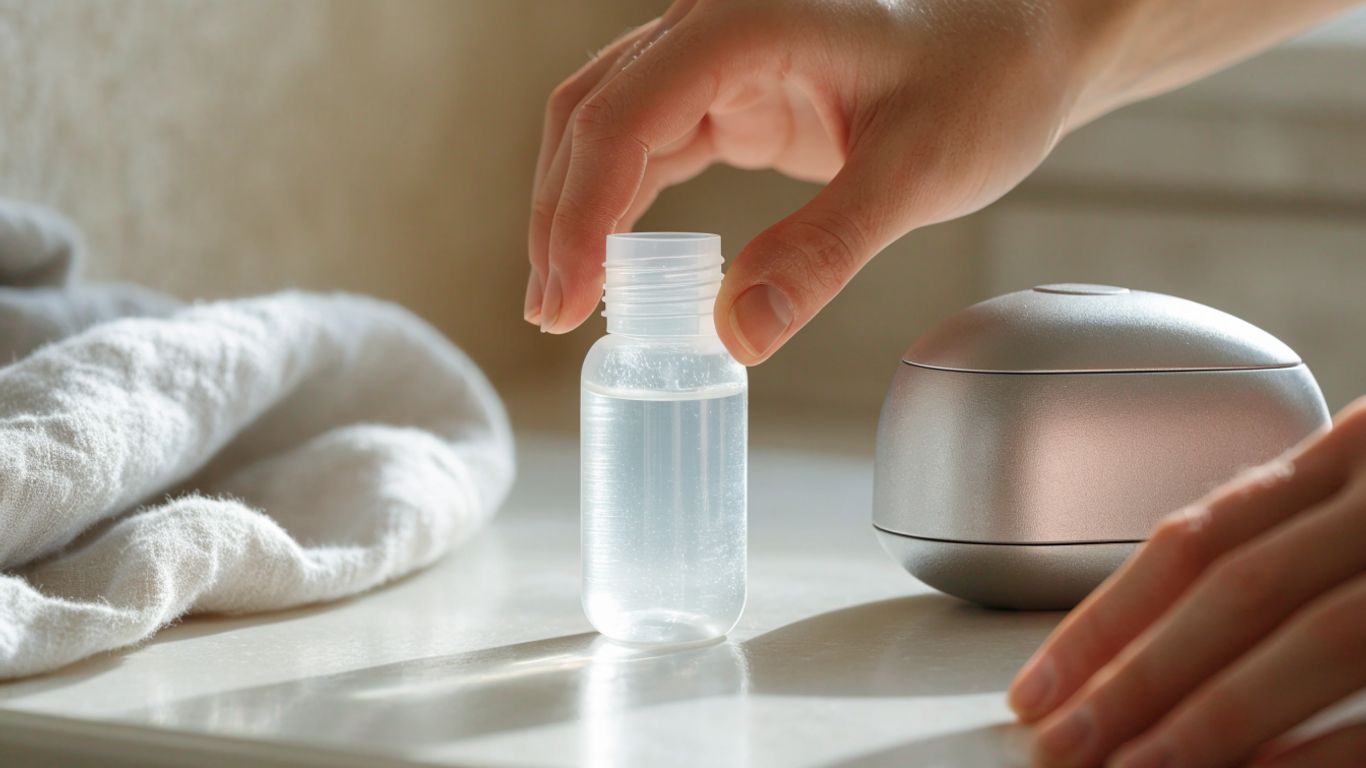
Review condom and barrier-product instructions
Read the lubricant label and the condom or barrier-product packaging, and make sure both instructions allow the combination. Do not assume compatibility based only on the lubricant’s texture or on a general description such as “silky.” If either label advises against using the products together, follow that guidance. When in doubt, consult the manufacturer before use.
Check whether it is suitable for sex toys
Look for explicit guidance about sex-toy use on the lubricant label and, where available, the toy’s instructions. Materials and product formulations vary, so a lubricant that works with one item may not be recommended for another. If the label does not make compatibility clear, contact the product maker rather than guessing. Cleaning directions for the toy should also be followed after use.
Avoid mixing products unless their labels say they are compatible
Combining lubricants or adding another personal-care product can make it harder to know how the mixture will feel or whether it is appropriate for the intended use. Use one product at a time unless both labels specifically allow mixing. If you are changing products, clean the area or device as directed before applying the next one. This keeps compatibility questions clearer and makes it easier to identify a product that causes discomfort.
How to reduce the chance of irritation
No formula can be assumed to suit every person. A careful first use, attention to ingredients, and a willingness to stop if discomfort appears can help you make a more informed choice. Avoid applying products in ways not covered by their directions. If irritation persists after you stop using a lubricant, seek medical advice rather than repeatedly trying new products.
Patch-test a small amount when appropriate
If you are concerned about skin sensitivity, you may test a small amount on an area of external skin, provided the product instructions do not advise against it. A skin test cannot guarantee that use elsewhere will be comfortable, and it is not a substitute for following the label. Do not patch-test on broken or already irritated skin. If you have a history of allergic reactions, ask a healthcare professional about choosing products safely.
Stop using it if discomfort develops
Stop applying the lubricant if you notice burning, itching, swelling, or other new discomfort. Rinse the area gently if the product directions recommend it, and avoid using additional products to mask the reaction. Arousellube offers water-based, edible personal lubricants made with natural ingredients, but any formula can be unsuitable for an individual; check the ingredients and discontinue use if symptoms occur. Seek urgent care for a severe reaction or trouble breathing.
Get medical advice for persistent symptoms
If discomfort continues after stopping the product, returns repeatedly, or is accompanied by unusual symptoms, contact a healthcare professional. Persistent irritation can have causes that are not solved by switching lubricants, so a clinician can help assess what is going on. Share the product name and ingredient list if you can. This information may help guide the conversation.
How to store and replace it
Good storage helps you follow the product’s intended use over time. Keep the package and directions, and check the expiration date before using a lubricant that has been stored for a while. Changes in smell, color, or consistency can be a reason to stop using it, even if the printed date has not passed. When in doubt, follow the manufacturer’s guidance.
Follow the label’s storage guidance
Store the product as directed on its packaging, including any instructions about temperature, sunlight, or moisture. Avoid leaving it in places where conditions may be very hot or cold if the label advises against that. Keep it away from children and pets. The package is the best source for storage instructions specific to that formula.
Check the expiration date and packaging
Before use, look for the expiration date and check whether the bottle or seal is damaged. Do not use a product past its date or one whose packaging appears compromised. If the formula has changed noticeably in color, smell, or texture, set it aside and consult the manufacturer’s instructions. Replacing a questionable product is a sensible precaution.
Keep the product clean and close the container after use
Use clean hands when handling the container, and avoid touching the opening directly to the body or another surface. Close the cap securely after each use so the product stays protected as directed. Do not share applicators unless the product instructions explicitly allow it and they can be cleaned properly. These small habits help keep the container in good condition between uses.
Conclusion
A silky feel can be a useful starting point, but the right lubricant is the one whose ingredients, directions, and compatibility suit your body and intended use. Read the label, begin with a small amount, and stop if discomfort develops. A little care at each step can make choosing and using an intimate essential feel more straightforward.
Frequently Asked Questions
What does “silky” mean in a personal lubricant?
It usually describes a smooth, gliding texture, not a particular ingredient base. Check the product label to learn whether the formula is water-based, silicone-based, or hybrid.
Is a silky personal lubricant water-based?
Not necessarily. “Silky” describes how a product may feel, while the base is determined by its ingredients and labeling.
How much lubricant should I use at first?
Start with a small amount and follow the product directions. Add more gradually if needed and if it remains comfortable.
Can I use personal lubricant with condoms?
Only use a lubricant that the condom and lubricant labels indicate are compatible. Check both packages rather than relying on texture or general product descriptions.
Can I use personal lubricant with sex toys?
Check the instructions for both the lubricant and the toy. If compatibility is not clear, ask the manufacturer before combining them.
What should I do if lubricant causes irritation?
Stop using it and follow the product’s cleanup directions. Seek medical advice if symptoms persist, recur, or are severe.
How should I store personal lubricant?
Follow the package’s storage guidance, keep the container closed after use, and check the expiration date and packaging before using it.


