

Posted by Mike
on July 28, 2026

Key Takeaways
Creating intimate products at home requires careful attention to hygiene and ingredient safety to ensure both physical comfort and delicate tissue health. This guide highlights the essential steps for crafting your own solutions with natural components.
- Prioritize pH-balanced ingredients to maintain vaginal health.
- Always sterilize your equipment to prevent microbial growth.
- Perform a patch test before full-body use.
- Use water-based formulas to ensure compatibility with various barrier methods.
- Monitor your mixture daily for signs of spoilage or smell changes.
The fundamentals of personal lubricants
Understanding what makes an intimate product effective is the first step toward successful DIY efforts. Many people turn to crafting their own solutions to ensure clean, high-quality, and reliable ingredients, much like the approach taken by Arousellube with their refined water-based, edible personal lubricants made with natural ingredients. By focusing on scientific principles rather than just texture, you ensure the product serves its purpose effectively.
Exploring the importance of osmolality and pH balance
Maintaining the delicate chemical equilibrium of the vaginal environment is vital to prevent irritation and infection. When you evaluate intimate wellness, you must consider how an ingredient’s concentration affects the cells of the body. Products that are too concentrated can actually pull moisture out of tissues, leading to dryness even while using a lubricant.
Comparing water-based and oil-based formulations
Choosing between these two primary types changes how your body experiences the product and how it interacts with other items. Water-based options are generally easier to clean and wash away without leaving residue behind. Meanwhile, as discussed in professional buying guides, oil-based formulas provide a different, often longer-lasting glide, but they require careful handling with certain materials.
Understanding the risks of store-bought additives and parabens
Many mass-market products include preservatives like parabens or synthetic fragrances that can trigger sensitivity. Choosing to avoid these, as Arousellube does by focusing on non-GMO, vegan third-party tested formulations, helps reduce the risk of discomfort. Consider the differences in standard components:
| Ingredient Type | Function | Potential Risk |
|---|---|---|
| Glycerin | Humectant | Fungal growth |
| Parabens | Preservative | Irritation |
| Synthetic Dyes | Aesthetics | Allergic reaction |
By prioritizing transparent ingredient profiles, you avoid these common pitfalls in your intimate preparation routines.
Choosing safe and natural ingredients
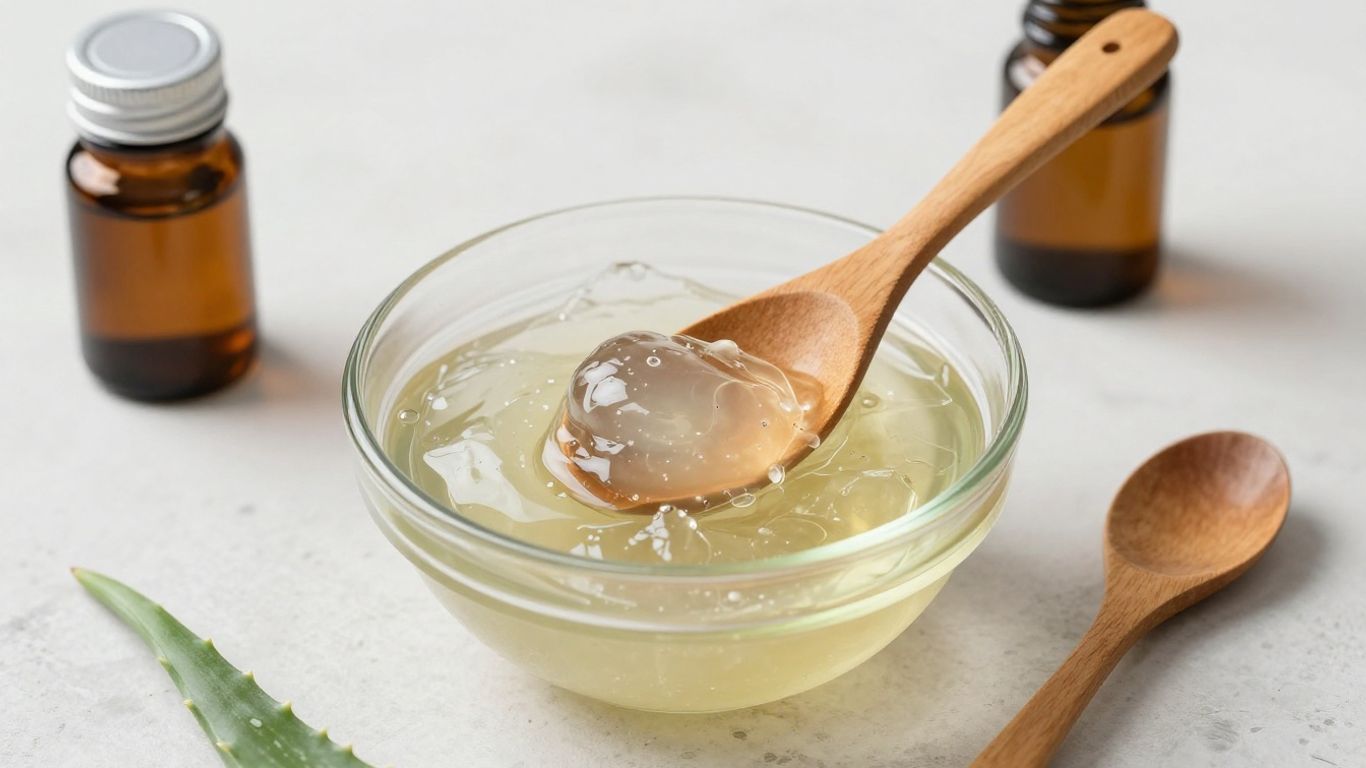
Selecting your base components is where you truly control the safety and quality of your results. When exploring homemade alternatives, it is crucial to select elements known for being mild and compatible with bodily tissues. For those who find the DIY process daunting, Arousellube offers an accessible Scientific Edge to Intimacy that leverages these same quality standards as personal lubricant gel.
Benefits of using pharmaceutical-grade aloe vera
Aloe vera serves as a gentle, hydrating base that mimics natural moisture levels quite effectively. Its soothing properties make it a staple for those seeking a light, non-sticky texture. You can feel confident in your essential safety considerations when using high-quality, pure extract for your intimate needs.
Evaluating the use of vegetable-grade glycerin
While glycerin is a popular humectant, it is widely debated in intimate care circles due to its propensity to encourage yeast growth if left in the canal for too long. If you must use it, ensure the quality is high and the concentration is kept low to avoid disrupting the protective flora. For a safer transition, many people look for natural lubricants that specifically exclude this ingredient.
Testing natural thickeners like guar gum or cornstarch
To achieve the viscosity that mirrors professional products, natural gums or starches are often integrated. These thickeners allow the lubricant to remain in place during use rather than running off immediately. Consider these preparation tips for the best results:
- Incorporate the thickening agent gradually to avoid clumping.
- Stir under low heat to ensure complete dissolution of particles.
- Allow the mixture to fully cool to check final consistency.
- Filter the mixture if you notice any gritty texture remaining.
If the texture is too thin, it may not last long enough; if it is too thick, it might feel unnatural.
Ingredients that should never be used on delicate tissue
Never use household items that are not specifically intended for intimate contact. Common kitchen items like sugar, honey, or butter are notorious for creating a breeding ground for bacteria. Furthermore, using advanced tape for any DIY gear modification is never appropriate for body contact, nor should you use moving logistics methods or pregnancy support measures without consulting medical experts first.
Techniques for crafting your own lubricant
Precision matters just as much as the ingredients themselves when mixing your supplies. Taking the time to prepare your environment reduces the risk of contaminating your final product before it is even used. For those seeking expert results without the mess of home-mixing, Arousellube provides reliable options that uphold the standard of care needed for delicate body areas.
Sterilization methods for mixing surfaces and tools
Before you gather your supplies, ensure that all glassware and stirrers are sterilized by boiling them in water or using an alcohol-based cleanser. This simple step is the most effective way to ensure that your final mixture remains stable and safe for several days. Even tiny traces of bacteria from non-sterilized tools can spoil a batch prematurely.
Precision in ingredient ratios for desired texture
Cooking your lubricant is a process of balancing humectants with water. Follow your recipe strictly, using a kitchen scale for accuracy if possible, to achieve the right viscosity. If you are interested in how professionals achieve consistent results, see our guide to lubricant selection.
Incorporating natural stabilizers for consistent viscosity
Adding natural stabilizers helps keep your mixture homogeneous throughout its brief lifespan. Without these, your lubricant might separate into watery or thick phases that feel unpleasant during use. You can observe how these additives behave in this tutorial here.
Prioritizing safety and compatibility
Conducting an initial patch test for skin sensitivity
Before applying any new product to sensitive mucous membranes, always test a small amount on your inner forearm. Observe the area for 24 hours to ensure there is no redness, itching, or swelling. This simple training technique is the best way to avoid unexpected reactions.
Checking compatibility with latex, polyisoprene, and silicone
Understanding material science is vital if you use barriers during intimacy. Oil-based lubricants, while common in some DIY recipes, can compromise the integrity of latex condoms by causing them to break down. Always confirm that your formula is water-based if it will come in contact with standard health barriers.
Monitoring for signs of vaginal flora disruption
If you experience strange odors or persistent discomfort, discontinue use immediately. The vaginal canal is a sensitive ecosystem that relies on a very specific balance of bacteria to stay healthy, and introducing external substances can sometimes cause a temporary shift.
When to seek clinical advice regarding persistent irritation
If an irritation does not subside within a day of stopping use, consult a healthcare provider. It is better to seek professional guidance early rather than waiting for a minor inflammation to develop into something more troublesome.
Storage and shelf life best practices
Selecting appropriate UV-protected or BPA-free containers
Exposure to light and air can degrade the quality of your handmade product rapidly. Using a dark, glass, or high-quality BPA-free plastic container is essential to shielding the contents from light-induced oxidation. Proper vessel selection ensures that you can safely store your intimate essentials for the limited time they are viable.
Managing expectations regarding product shelf life
Unlike commercial products that contain engineered preservatives, natural homemade lubricants are intended for immediate, short-term use. Plan to make small batches that you can finish within a few days to avoid the risk of bacterial proliferation. Treat your creations like fresh food, not like shelf-stable cosmetics.
Identifying visual and sensory changes that indicate spoilage
Look closely every time you retrieve your container. If you notice any changes, such as a shift in color, a sour smell, or any visible cloudiness that wasn't there when you made it, discard the batch immediately. Your health is the priority, and the risk of using an expired substance is simply too high.
Conclusion
Crafting your own lubricant offers a rewarding way to customize your intimate wellness with natural, high-quality ingredients you control. By consistently applying the safety and hygiene practices outlined here—maintaining pH balance, ensuring proper sterilization, and respecting the limits of organic shelf life—you create an experience that feels personal and soothing. Whether you choose to refine your techniques through meticulous DIY preparation or rely on trusted third-party tested solutions for convenience, the most important aspect of intimacy remains your comfort and long-term health.
Frequently Asked Questions
Can I use coconut oil as a lubricant?
While coconut oil is a popular pantry staple, it is not recommended for use with latex condoms or toys. The oil can break down the molecular structure of latex materials, leading to tears during use, and it is also heavier than many people prefer.
How long does homemade lubricant last in the fridge?
Most homemade lubricants should be stored in the refrigerator and are safe to use for approximately 3 to 5 days. Since they typically lack synthetic preservatives to fight microbial growth, it is crucial to dispose of them once this period has passed.
Why does pH balance matter in intimate lubricants?
An improper pH can disturb the body's natural flora, potentially leading to yeast infections or bacterial vaginosis. A product that mimics the natural acidity of the vaginal environment helps keep tissues healthy and protected during intimate activity.
Is it safe to add essential oils for scent?
Adding essential oils to an intimate product is generally not recommended, even when diluted. Sensitive tissues can react harshly to the concentrated plant compounds, leading to stinging or allergic contact dermatitis in the intimate area.
Can I make a water-based lubricant without a thickener?
Yes, you can create a simple base using just filtered water and certain natural plant extracts. While it may not feel as "silky" as a thicker gel, it provides hydration and can be safely used without the risk of adding starches or gums.
Should I prioritize organic ingredients for my DIY lube?
Choosing organic ingredients can help you avoid pesticides and herbicides, which is a great goal for any homemade product. Prioritizing pure, high-quality ingredients reduces the likelihood of introducing unnecessary toxins to your sensitive tissues.
What should I do if my eyes or skin react to a DIY lubricant?
If you experience any burning, rashes, or discomfort, immediately wash the area with lukewarm water. If symptoms persist or worsen after several hours, contact your physician for an evaluation to rule out a sensitivity or potential infection.





































































