

Posted by Mike
on July 20, 2026

Key Takeaways
Understanding intimate wellness requires knowledge about the products used on sensitive body tissues. These insights summarize the essential considerations for selecting and applying safe, food-grade lubricants.
- Edible lubricants are specifically formulated to be safe for oral ingestion during intimate play.
- Always prioritize water-based formulas to ensure compatibility with most toys and condoms.
- Sugar-based products can disrupt vaginal flora, making sugar-free alternatives the healthier choice.
- Performing a patch test is a vital step toward ensuring your skin remains comfortable and free of reactions.
- Ingredients like natural aloe vera or plant-derived components often provide a superior experience compared to artificial additives.
Defining edible lubricants
What makes a lubricant edible
When discussing what is edible lubricant, the focus shifts to formulations designed for oral contact. Unlike standard friction reducers, these items rely on food-grade ingredients to ensure they are safe if swallowed. Arousellube represents this category by utilizing components meant for ingestion, ensuring peace of mind during intimate moments.
Common flavor profiles found in products
Flavor profiles in these products range from subtle fruit essences like strawberry and peach to more complex blends that mimic dessert pairings. Manufacturers aim to create a pleasant taste sensation without masking the natural experience, often using natural extracts rather than concentrated chemical flavorings. This adds a playful dimension to foreplay while keeping the experience clean and light.
Intended purposes during intimacy
These lubricants serve to both reduce friction and act as a flavorful enhancer during oral or external activities. They are designed for versatility, allowing partners to transition smoothly between different types of stimulation. By prioritizing high-quality, body-safe ingredients, these products help maximize sensation and focus on comfort rather than just slickness.
Understanding ingredients and safety
Sugar-based versus sugar-free formulations
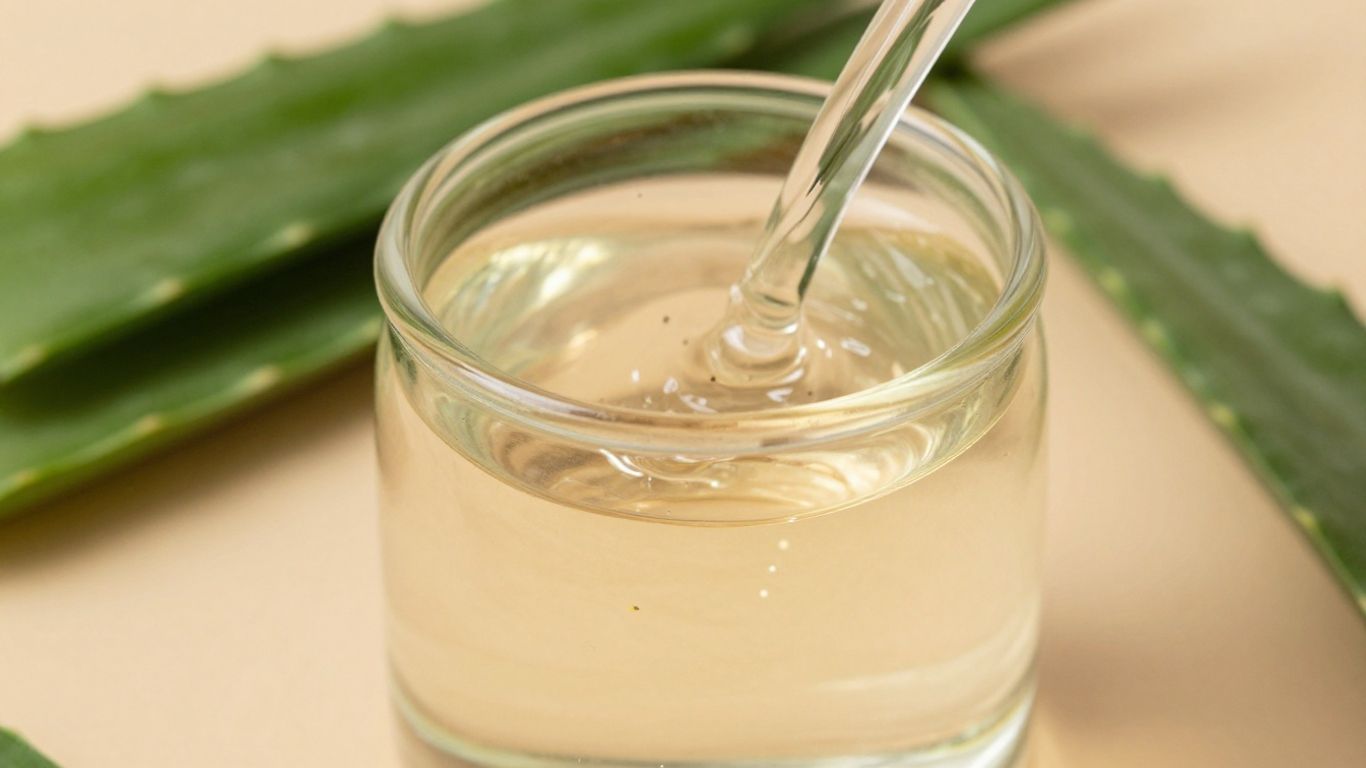
Many conventional flavorings rely heavily on glucose or fructose to provide taste, which can lead to bacterial growth in sensitive areas. It is far better to seek out sugar-free formulations that utilize natural sweeteners like stevia or erythritol to provide the same enjoyment without the long-term risk of yeast imbalances. Selecting a product that avoids processed sugars is a fundamental step in maintaining your intimate health.
Natural components versus artificial additives
When evaluating what goes onto your skin, consider the following list of common desired features for high-quality lubricants:
- Plant-derived base materials like organic aloe vera.
- Absence of harsh parabens or heavy chemical preservatives.
- Utilization of non-GMO ingredients for sensitive skin support.
- Transparent labeling that highlights food-safe qualities.
The importance of pH balance
Maintaining the delicate environment of intimate tissue is essential to preventing irritation and infection. Arousellube utilizes pH-balanced formulas to match the body’s natural requirements, effectively ensuring that the lubricant supports rather than clashes with delicate biological systems. A balanced pH helps prevent the disruptive effects that can occur with improperly formulated products.
Checking for common allergens
Even with food-grade ingredients, it is imperative to read labels for potential triggers such as nut oils, soy derivatives, or specific fruit allergens. Everyone reacts differently to topical substances, so knowing your personal sensitivities is a key part of safe usage. Always verify the ingredient list before trying a new product, especially if you have a known history of cutaneous allergies.
Edible lubricants versus traditional personal lubricants
Differences in viscosity and texture
Edible versions tend to focus on a lighter, more fluid consistency to facilitate oral play. Conversely, traditional personal lubricants are often engineered for extended duration and higher friction reduction during penetrative sex, resulting in thicker textures that may leave behind a synthetic residue.
Durability and drying time
Because edible lubricants are often water-based to maintain their ingestibility, they may dry out faster than heavy-duty silicone options. Users should plan for reapplication if the play session lasts for an extended period, as these products are designed to wash away easily.
| Feature | Edible Lubricant | Traditional Lubricant |
|---|---|---|
| Primary Use | Oral & External Play | Penetrative Comfort |
| Residue | Minimal | Moderate to High |
| Key Ingredient Type | Food-Grade | Often Clinical-Grade |
| Ease of Removal | Water-Soluble | May Require Soap |
The data above highlights why selecting the right product for the specific activity is vital for comfort. If your activities transition frequently, consider keeping options readily available that cater to both specific needs.
Cleaning requirements and residue
One distinct advantage of these products is how simple they are to manage after use. Because they are designed to be ingested, they generally wash away with just water and a soft cloth, keeping your linens and toys clean without the need for intensive scrubbing or specialized cleaners.
Compatibility with condoms and sex toys
It is crucial to verify that any lubricant is compatible with the materials you are using. Water-based formulas are generally safe for silicone toys and latex condoms, but always verify the packaging. Arousellube provides a reliable water-based solution that is both body-safe and compatible with most sex toys for a stress-free experience.
Best practices for safe application
Preparing for oral-genital contact
Preparation is key to ensure the experience is as enjoyable as possible. Ensure the area is clean and dry before initial application to prevent any irritation from residual sweat or skin debris. Gentle, rhythmic application sets a pleasant tone for the interaction.
Assessing partner sensitivity and skin reactions
Before using a new product, apply a small amount to the inner forearm or wrist and wait fifteen minutes. This simple, common-sense test allows you to monitor for redness or itching, ensuring that your delicate tissues are not exposed to ingredients that may cause discomfort.
Incorporating edibles into foreplay routines
These lubricants work best when treated as an enhancement to the natural rhythm of sexual play. Use them to explore new sensations or to draw attention to erogenous zones, letting the flavor and texture guide the natural progression of intimacy.
Managing lubrication during extended use
Keep an extra bottle nearby if you expect a long evening, as water-based options may require a light touch-up occasionally. Staying mindful of hydration and the product's feel allows you to enjoy the process without the need to rush or break the mood.
Potential risks and health considerations
Preventing bacterial growth from high sugar content
Sugars are excellent substrates for bacteria, which can cause significant irritation if introduced to sensitive regions. Choosing sugar-free options eliminates this risk, protecting your personal wellness while allowing for a sweet, pleasant experience. Always prioritize ingredient purity over sweetness.
Risks to vaginal flora and yeast imbalances
Maintaining an optimal vaginal environment depends on avoiding products that alter natural pH or introduce foreign irritants. Products meant for ingestion should be labeled as body-safe, ensuring they do not contain harsh preservatives that might negatively interact with sensitive, protective flora.
Recognizing signs of a negative reaction
Symptoms of a sensitivity or reaction include sudden stinging, persistent itching, or localized redness that does not dissipate after washing. If you notice any of these signs, gently cleanse the area with mild, fragrance-free soap and warm water, and avoid using the product again until you have consulted with a provider.
Avoiding harmful dyes and heavy preservatives
Not everything that is edible is safe for intimate use if it contains synthetic additives like artificial dyes or parabens. Look for clear, uncolored, and simple formulas that focus on safety and efficacy rather than superficial aesthetics, as dyes can cause unnecessary irritation in delicate tissues.
How to choose the right edible lubricant
Identifying high-quality water-based options
Seek out products that highlight their water-based, natural formulation right on the front of the packaging. Quality lubricants often come from manufacturers who provide full ingredient disclosures, allowing you to confirm that no hidden fillers or additives are included.
Interpreting ingredient labels for additives
When reading a label, prioritize products where the first few ingredients are water, organic aloe, or plant-based extracts. If the list contains long, unpronounceable chemical names, it may be safer to skip those in favor of more transparent, wholesome alternatives.
Testing for skin sensitivities before full use
Perform a quick spot test once you’ve purchased the product, regardless of how many endorsements it has. This ensures that the individual combination of ingredients is compatible with your own body chemistry, which is the ultimate test of product safety.
Selecting based on specific flavor preferences
Finally, choose a flavor that sounds genuinely appealing to both partners to make the experience truly enjoyable. Whether you prefer the classic Strawberry flavored lube or something more sophisticated like a natural botanical extract, the best choice is one that adds to your comfort and helps you connect.
Conclusion
Selecting a high-quality edible lubricant is a simple but impactful way to introduce new sensations into your intimate life. By focusing on food-grade ingredients, avoiding sugar-based additives, and performing a quick patch test, you can enjoy these products with complete confidence. Whether you opt for a tried-and-true formula or look for the latest flavor experience, prioritizing your physical wellness ensures that your intimate experiences remain safe and consistently pleasurable.
Frequently Asked Questions
Is edible lubricant as effective as medical-grade lubricant?
Edible lubricants are designed primarily for taste and oral contact, meaning they may not have the same long-lasting friction reduction as clinical-grade products. For activities requiring prolonged moisture, you may need to reapply more frequently.
Can I use flavored lubes for penetrative sex?
Most flavored lubes are water-based and safe for entry, but always ensure they are sugar-free to avoid the risk of infection. Some formulas are optimized specifically for external play, so checking the manufacturer's guidance is recommended.
How does glycerin affect edible lubricants?
Glycerin is a common sugar alcohol used to improve texture, but it can contribute to fungal growth in the vaginal area. Many modern high-quality edible lubes are formulated as glycerin-free to prevent this issue entirely.
Should I store edible lubricant in the refrigerator?
Unless the manufacturer specifically requires it, a cool, dark cupboard or drawer is sufficient. Extreme cold can sometimes alter the texture, while extreme heat may break down the consistency of natural ingredients.
How do I know if an edible lubricant is toy-safe?
Water-based lubricants are generally safe for almost all sex toy materials, including silicone. Avoid products with heavy oils or alcohols if you are unsure, as these can damage certain surfaces on high-end toys.
Are there any side effects to using flavored lubricants?
Rare side effects include mild skin irritation or allergic reactions to flavor extracts. Using a small patch test before full application helps you verify how your skin reacts to the specific natural flavorings used.
Do flavored lubricants stain fabric?
Because most edible lubricants are water-based and lack synthetic dyes, they are designed to be non-staining. However, it is always a good practice to use a towel, especially if your linens are delicate or light-colored.
For More Blogs Please Click here





































































