

Posted by Mike
on September 07, 2026

Key Takeaways
The best personal lubricant is the one that suits your body, activity, and accessories without creating new discomfort. Start with the formula, then check ingredients, compatibility, and how your skin responds.
- Water-based formulas are versatile and easy to clean.
- Silicone and oil formulas can offer longer-lasting glide, but compatibility matters.
- Fragrance, flavor, warming agents, and high-osmolality ingredients may irritate sensitive tissue.
- Always check lubricant compatibility with condoms and sex toys.
- Persistent pain, dryness, or unusual symptoms deserve medical attention.
Start with the main types of personal lubricant
Personal lubricants are usually grouped by their base: water, silicone, oil, or a blend. Each type creates a different feel and behaves differently around condoms, toys, water, and clothing. If you are wondering what is the best personal lubricant, begin by thinking about where and how you expect to use it rather than choosing by popularity alone.
A helpful personal lubricant guide can make the first comparison less confusing, but your own comfort is still the deciding factor. A small bottle of one formula may suit everyday use, while another may be better for extended activity or a particular accessory.
Water-based lubricants for versatility and easy cleanup
Water-based lubricant is often the simplest starting point. It generally works with many condom and toy materials, feels light, and can be rinsed away with water. It may need reapplication during longer sessions because it can dry as moisture evaporates, though adding a little water can sometimes restore its slip.
This category includes very different textures, from thin and fluid to thicker gels. Read the ingredient list if you have sensitive skin, and avoid assuming that every water-based formula will feel identical. A water-based, edible formula such as ArouselLube may be appealing when versatility and a natural-ingredient approach are priorities, but the label should still guide your decision.
Silicone-based lubricants for long-lasting comfort
Silicone-based formulas tend to stay slippery for longer, making them useful when you do not want to pause frequently for reapplication. They can also be practical in the shower or bath because they do not rinse away as quickly as water-based products.
Their main limitation is material compatibility. Some silicone lubricants may damage silicone sex toys, especially when used repeatedly, so check the toy maker’s instructions before applying them. A small amount often goes a long way, and too much can make surfaces feel difficult to grip.
Oil-based lubricants and their compatibility limits
Oil-based lubricants can feel rich and persistent, and some people like them for external massage or activities that do not involve latex barriers. They are not a universal option, however. Oils can weaken latex condoms and may be difficult to wash from fabric or porous toys.
If you are considering an oil formula, identify the barrier and accessory materials first. Also consider whether you are prone to irritation or recurrent vaginal symptoms, since a product that feels pleasant initially may not suit every body or every type of use.
Hybrid formulas that combine different benefits
Hybrid lubricants combine bases, most commonly water and silicone, to create a balance between easy cleanup and longer-lasting glide. They can be a useful middle ground when a plain water-based formula dries too quickly but a fully silicone-based product is not suitable for your toys.
The word “hybrid” does not remove the need to check the label. Look for the ingredients, intended uses, condom guidance, and toy-material warnings. The exact ratio and texture vary, so a sample or smaller package can be sensible if you are unsure.
Match the lubricant to your needs
The right formula depends on more than the base. Dryness, sensitivity, the type of sexual activity, and whether you use condoms or toys all affect the choice. Lube can reduce friction and make intimate activity more comfortable, but it should never be used to push through pain.
Use this section as a practical filter rather than a ranking. The most suitable product is usually the one that feels comfortable, stays where you need it, and does not create irritation afterward.
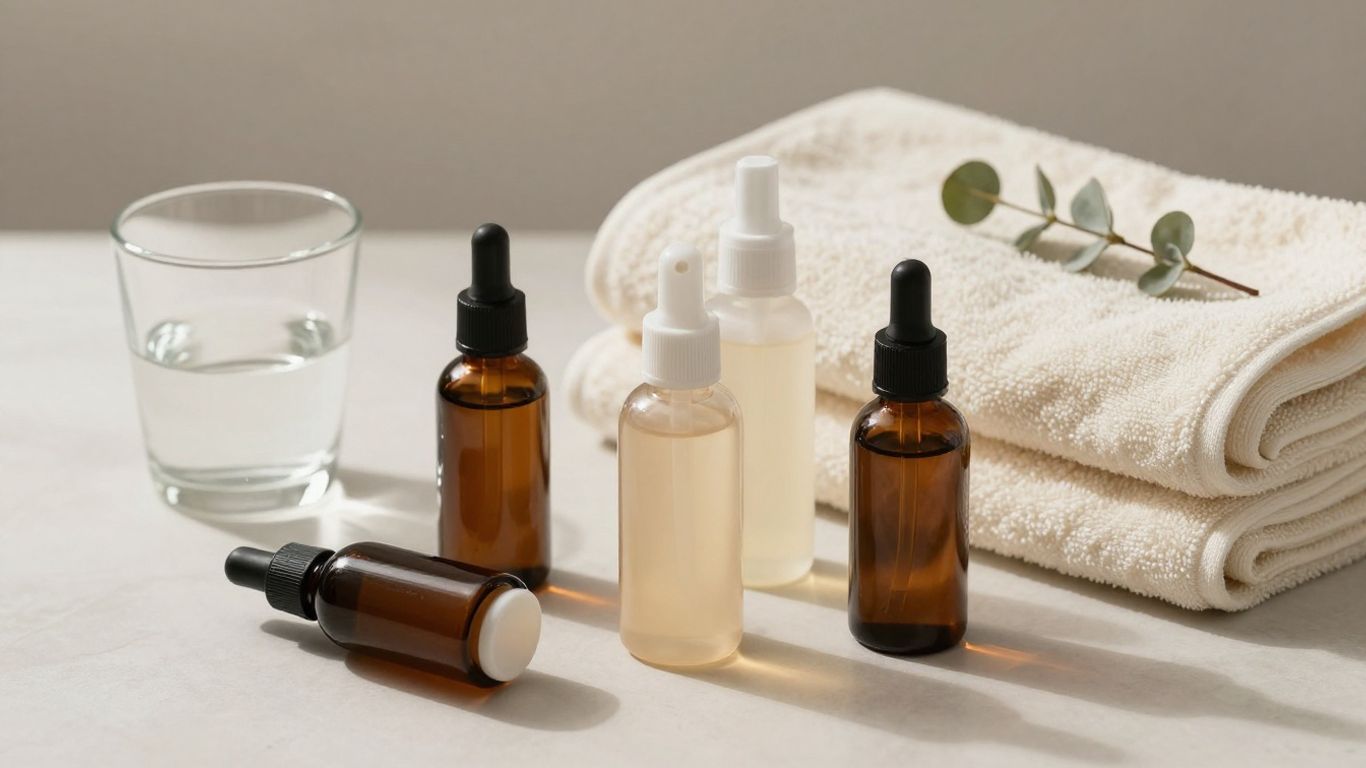
Choosing lube for vaginal dryness or sensitivity
For vaginal dryness or sensitive skin, begin with a short ingredient list and a formula without unnecessary fragrance or strong sensory additives. A water-based lubricant can be a reasonable first choice because it is easy to remove and available in many textures. If dryness is persistent, lubricant may improve comfort during activity but will not necessarily address the underlying cause.
Hormonal changes, medications, stress, skin conditions, and other health factors can affect moisture and comfort. If a product stings, burns, or leaves you feeling sore, stop using it rather than trying to tolerate the reaction. Look for body-safe ingredients and, where appropriate, a formula designed with vaginal pH in mind.
Selecting a formula for anal sex
Anal tissue does not produce the same natural lubrication as the vagina, so generous lubrication and reapplication are particularly important. Many people prefer a thicker water-based or silicone-based formula that provides cushioning and does not disappear immediately.
Go slowly and add more lubricant whenever friction increases. If condoms are part of the plan, confirm that the formula is compatible with the specific condom material. Pain is a signal to pause, add preparation or lubrication, and reassess—not a sensation that should be ignored.
Finding options for oral sex
For oral sex, taste and texture may matter as much as glide. Choose a product that is specifically labeled for oral use if that is a priority, and be cautious with flavors or sweeteners if you are prone to irritation. “Edible” does not automatically mean that every ingredient will suit every person.
A small amount gives you a better sense of the taste and after-feel before applying more. If either partner notices burning, numbness, or an unpleasant reaction, rinse the area and discontinue that formula.
Considering sex toys, condoms, and other accessories
Accessories turn compatibility into a central question. The lubricant must suit the barrier material, the toy material, and the body area involved. Before buying, make a quick check of these four details:
- The condom material, such as latex, polyisoprene, or polyurethane.
- Whether the toy is silicone, glass, metal, plastic, or porous.
- Whether the lubricant is intended for internal, external, oral, or general use.
- Whether the formula contains an ingredient you already know irritates you.
That short review can prevent a damaged toy, a weakened condom, or an avoidable skin reaction. If the label is unclear, the manufacturer’s instructions are more reliable than a general assumption based only on the lubricant’s base.
Check the ingredients and safety features
The front label is designed to attract attention, but the ingredient panel often tells you more about how a lubricant will behave. Terms such as natural, clean, or organic can be useful clues, yet they are not substitutes for reading the full formula. Consider your own sensitivities, the intended body area, and whether the product has clear safety information.
A water-based lubricant comparison can help you think through texture, ingredients, and intended use. Still, even a highly reviewed product may not be right for your skin, so introduce anything new gradually.
Ingredients that may cause irritation
Some people react to fragrance, preservatives, glycerin, propylene glycol, or other ingredients used to create texture and stability. These ingredients are not automatically harmful for everyone, but a history of irritation makes a simpler, fragrance-free formula a reasonable place to start.
Pay attention to what happens after use rather than relying only on marketing language. Stinging, itching, redness, or soreness can indicate that the formula is not agreeing with you. Your comfort is useful evidence when deciding whether to continue.
Fragrance, flavor, warming, and cooling additives
Warming, cooling, tingling, and flavored products can add sensation, but they also introduce more potential triggers. A cooling sensation is not the same as relief from irritation, and a warming feeling should not become painful or intense.
If you are sensitive, try an unflavored and unscented product first. When experimenting with a specialty formula, use a small amount and stop at the first sign of burning, itching, or swelling. Do not apply a product designed for external skin to internal tissue unless the label explicitly permits it.
Osmolality, pH, and vaginal comfort
Osmolality describes how concentrated a product is compared with body fluids, while pH indicates how acidic or alkaline it is. These technical details can matter for vaginal comfort, especially when a product is used frequently or internally. A label that provides pH information can make comparison easier, although pH alone does not guarantee that a formula will suit you.
If you regularly experience irritation after using lubricant, ask a healthcare professional whether a different formula or an evaluation would be appropriate. It is also sensible to avoid treating a lubricant as a medical product unless it is specifically labeled and recommended for that purpose.
When “natural” or organic labels may be misleading
Natural ingredients can be appealing, but natural does not automatically mean hypoallergenic, pH-balanced, or compatible with condoms. Essential oils and botanical extracts can still irritate delicate tissue, and organic certification may cover only particular ingredients or production steps.
Look for a complete ingredient list, clear directions, material warnings, and information about testing. A thoughtful natural formula should be transparent about what it contains rather than relying on the label alone to communicate safety.
Make sure the lubricant is compatible
Compatibility is one of the easiest details to overlook and one of the most consequential. A lubricant can feel excellent but still weaken a condom or affect a toy’s surface. Check the materials before use, especially when combining an oil, silicone formula, or porous accessory.
When in doubt, use the manufacturer’s guidance for the condom or toy, not just the lubricant’s front label. Compatibility information can vary by material and product construction.
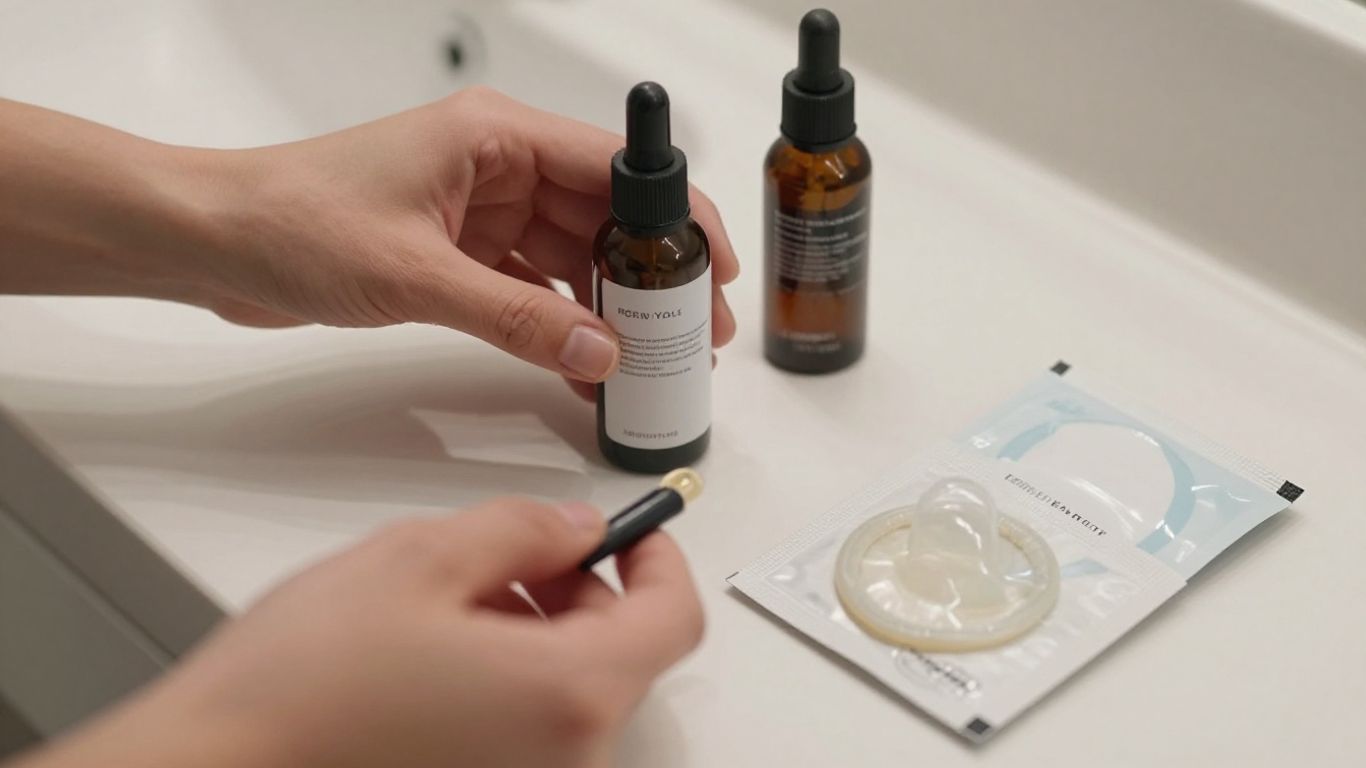
Lubricants and latex condoms
Oil-based lubricants can weaken latex, increasing the risk that the condom will break. For latex condoms, choose a water-based or compatible silicone-based lubricant unless the condom manufacturer states otherwise. Avoid assuming that a product labeled “natural” is safe for latex; coconut oil and other plant oils are still oils.
Apply lubricant to the outside of the condom as needed, and use more if friction increases. If the condom feels unusually dry, sticky, or damaged, replace it rather than continuing.
Lubricants and polyisoprene or polyurethane condoms
Polyisoprene and polyurethane are different materials from latex, and their compatibility guidance may differ. Read the condom packaging and the lubricant label together. Some products that are unsuitable for latex may be acceptable with a particular non-latex condom, while others may still be discouraged.
This is an area where a confident guess is not worth the risk. Keep the packaging available until you know which combinations work, and replace any barrier that has been exposed to an incompatible product.
Lubricants and silicone sex toys
Silicone toys require particular care because some silicone-based lubricants may interact with the toy’s surface. If the manufacturer recommends water-based lubricant, follow that instruction. A patch test on a small, inconspicuous section may provide an additional check, but it does not replace the manufacturer’s advice.
Clean the toy according to its instructions after use. If its surface becomes tacky, cloudy, or otherwise changed, stop using that combination and contact the maker if needed.
How to read product labels and manufacturer guidance
A useful label should tell you what the product is made for, how to apply it, and what materials to avoid. It should also provide an expiration date or batch information and basic storage instructions. If a claim is vague, look for more specific information on the manufacturer’s product page.
Arousellube is described as a water-based, edible lubricant made with natural ingredients, so those are the relevant features to verify against the product packaging before use. The product’s own directions remain the final reference for its intended applications and material compatibility.
Use and evaluate personal lubricant effectively
Even a well-chosen lubricant can feel disappointing if too little is used or if it is stored poorly. Begin with a modest amount, notice how it feels, and add more rather than applying a large quantity all at once. The aim is comfortable movement without excessive mess or loss of control.
Think of the first use as a trial, not a permanent commitment. Bodies change, and a formula that suits one activity may not be the best choice for another.
How much to apply and when to reapply
Apply lubricant to the body, barrier, toy, or hand according to the activity. Start with a small amount and spread it evenly; add more when friction returns, the product begins to dry, or movement no longer feels comfortable. Anal activity often calls for more frequent checks and reapplication than external touch.
Warm the product between your fingers if that improves the feel, but do not heat it in a way the manufacturer does not recommend. More lubricant is usually easier to manage than continuing through dryness.
Testing a new product before regular use
Try a small amount on an area of external skin before using a new lubricant more broadly. This is not a perfect allergy test, but it may reveal an obvious reaction. Give yourself time to notice delayed redness, itching, or soreness, particularly if your skin is reactive.
Introduce only one new product at a time. That makes it easier to identify the cause if something feels wrong, and it prevents a disappointing experience from becoming a confusing investigation.
Cleaning up after use
Water-based formulas are usually the easiest to rinse away, while silicone and oil-based products may need more soap or laundering attention. Follow the product and toy instructions, and avoid aggressive scrubbing on sensitive skin. Pat dry rather than rubbing if the area feels tender.
If lubricant gets on bedding or clothing, rinse the fabric according to its care instructions before heat-setting a stain. Cleaning should restore comfort, not create more irritation.
Storing lubricant and checking its expiration date
Keep lubricant closed in a cool, dry place away from direct sunlight and extreme heat. Do not share an opened container in a way that could transfer bacteria, and avoid touching the nozzle to skin or surfaces unnecessarily. Check the expiration date before use and discard a product that has changed color, smell, texture, or consistency.
Arousellube’s product information includes guidance on application, toy compatibility, and storage, so review those directions rather than treating all water-based products as identical. Proper storage helps preserve the formula, but it cannot make an expired product safe to use.
Know when to switch products or seek medical advice
Lubricant should make intimate activity more comfortable, not mask a problem that keeps returning. A single mild reaction may resolve after stopping the product, but repeated symptoms deserve closer attention. Persistent discomfort can have causes that a different lubricant alone will not fix.
Keep a simple record of what you used, where it was applied, and what symptoms followed. That information can help you decide whether to switch products and can give a healthcare professional a clearer starting point.
Signs of irritation or an allergic reaction
Stop using a lubricant if you develop burning, itching, redness, swelling, rash, or new soreness. Rinse the area gently with lukewarm water if appropriate, and avoid adding another scented or medicated product to the irritated skin without advice.
Seek urgent care for severe swelling, trouble breathing, widespread hives, or other signs of a serious allergic reaction. A mild reaction that does not settle after stopping the product also warrants medical guidance.
Persistent dryness, pain, or discomfort
If dryness continues despite using lubricant, consider whether medications, hormonal changes, skin conditions, pelvic floor tension, or another health issue could be involved. Pain during sex is not something you need to accept as the price of intimacy. A thicker formula may change friction, but it will not diagnose the reason for pain.
Switching to a simpler product can be reasonable while you arrange care, especially if the current formula stings. Do not keep increasing the amount to overcome pain that is persistent or worsening.
Symptoms that may indicate an infection
Unusual discharge, strong odor, sores, persistent itching, burning during urination, pelvic pain, or symptoms that continue after stopping a product may point to an infection or another condition. Lubricant can sometimes irritate tissue, but it should not be used to self-treat unexplained symptoms.
Pause sexual activity that worsens discomfort and seek appropriate medical advice. Avoid using leftover medication or someone else’s treatment, since different conditions can look similar but require different care.
When a healthcare professional can help identify the cause
A clinician can assess recurring dryness, pain, irritation, or infection-like symptoms and help distinguish a product reaction from an underlying condition. Bring the lubricant packaging or a photo of its ingredient list if you suspect a connection. It may also help to mention condom use, toy materials, recent medications, and when symptoms began.
Getting advice does not mean you have chosen badly. It is a practical way to protect your comfort and find an intimate essential that suits your body more reliably.
Conclusion
The best personal lubricant is not a universal winner; it is a formula that matches your activity, body, barriers, and preferences while remaining comfortable over time. Compare the base, read the ingredients, confirm compatibility, start with a small amount, and take persistent symptoms seriously.
Frequently Asked Questions
What is the best personal lubricant for beginners?
A water-based, fragrance-free formula is often a practical starting point because it is versatile, easy to clean, and commonly compatible with condoms and toys. Check the specific label before use.
Is water-based lubricant better than silicone-based lubricant?
Neither is universally better. Water-based lubricant is usually easier to clean and more broadly versatile, while silicone-based lubricant often lasts longer and can work well in water. Toy and condom compatibility should guide the choice.
Can personal lubricant cause irritation?
Yes. Fragrance, flavor, warming or cooling additives, preservatives, and other ingredients may irritate some people. Stop using a product that causes burning, itching, redness, swelling, or persistent soreness.
Is oil-based lubricant safe with condoms?
Oil-based lubricant is not safe with latex condoms because it can weaken the material. For any non-latex condom, check the condom and lubricant manufacturers’ compatibility instructions rather than guessing.
How often should lubricant be reapplied?
Reapply whenever friction returns, the product dries, or movement becomes uncomfortable. The amount and timing depend on the formula, activity, body area, and personal preference.
How long does personal lubricant last?
Follow the expiration date and storage directions on the package. Discard lubricant if it is expired or has changed in smell, color, texture, or consistency, even if the date has not passed.
When should I see a healthcare professional about discomfort?
Seek medical advice for persistent dryness or pain, repeated irritation, unusual discharge or odor, sores, burning with urination, pelvic pain, or symptoms that do not improve after stopping a product.