

Posted by Mike
on September 24, 2026

Key Takeaways
Water-based lube is usually the simplest choice for silicone toys, but labels, toy-care instructions, condoms, and your own comfort matter too.
- Water-based lube is generally the safest starting point for silicone toys.
- Silicone-based lube may affect some silicone toy surfaces; check guidance and patch-test if unsure.
- Oil-based products can create compatibility issues, especially with latex condoms and some toy materials.
- Check ingredients and stop using a product if it causes irritation or discomfort.
- Wash, dry, and store toys according to the manufacturer’s care instructions.
Why water-based lube is usually the safest choice
When you’re wondering what lube is safe for silicone toys, a water-based formula is usually the practical first pick. It works well across many toy materials and is typically easy to wash off afterward. Still, formulas differ, so consider both the lube label and the toy maker’s care guidance. A water-based lubricant guide can offer more detail on choosing a formula for different needs.
How water-based formulas interact with silicone
Water-based lubricants are generally compatible with silicone toys, which makes them a straightforward option when you don’t know how a different formula might affect a surface. They can also be used with many other nonporous toy materials, though it’s wise to check the toy’s instructions. Arousellube is a water-based, edible personal lubricant made with natural ingredients. In general, water-based formulas rinse away with water, though the exact cleanup depends on the product and toy.
When water-based lube may need reapplication
Some water-based lubricants dry or become tacky during use, so you may need to add more. That can happen sooner with extended play or when the formula is exposed to water. Start with a small amount, notice how it feels, and reapply if friction returns. The silicone-toy compatibility guide also discusses why the lube base matters when choosing a toy-safe option.
What to check on the product label
A quick label check helps you avoid assumptions based on texture or marketing language. For silicone toys, confirm that the product is water-based and review any warnings about toy materials, condoms, or personal sensitivities. Arousellube offers a water-based option made with natural ingredients, but whichever product you choose, read its own directions. These label details are useful to compare before settling on a formula:
| Label detail | Why it matters | What to do |
|---|---|---|
| Lubricant base | The base affects toy compatibility | Prefer water-based for a silicone toy |
| Condom compatibility | Materials differ across barrier products | Check the condom and lube labels |
| Ingredients | Some ingredients may not suit your skin | Avoid known personal triggers |
| Use and cleanup directions | Products and toys have different care needs | Follow both sets of instructions |
Use the product’s wording rather than guessing from a claim such as “natural” or “gentle.” If the label doesn’t answer a compatibility question, check the toy maker’s instructions or contact the manufacturer.
When silicone-based lube may damage a toy
Silicone-based lube can offer a long-lasting glide, but pairing it with a silicone toy may be risky. The effect can vary with the particular lubricant and toy, so a confident guess from appearance alone isn’t enough. When compatibility is unclear, choose water-based lube or ask the toy’s manufacturer. A separate silicone lube guide explains the formula’s uses and compatibility considerations.
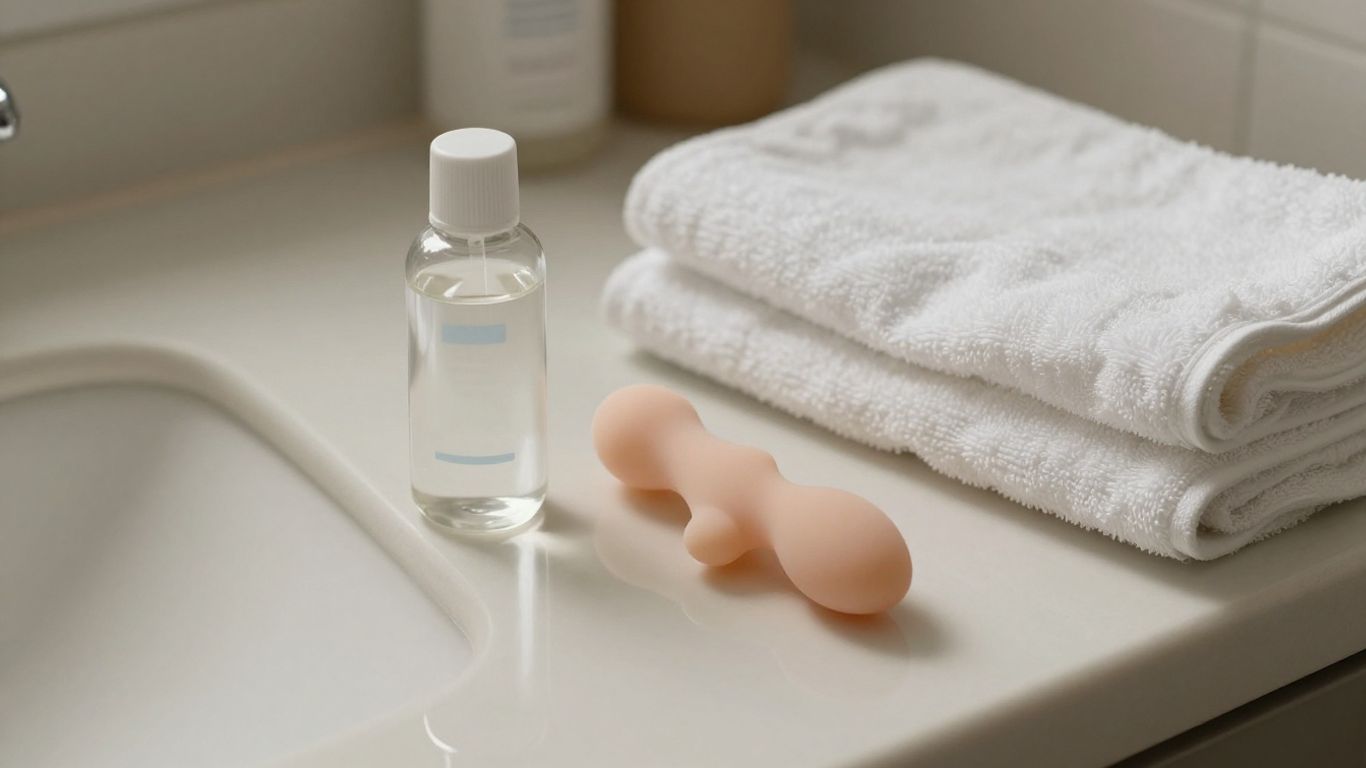
Why some silicone formulas can affect silicone toys
Some silicone-based formulas may interact with silicone toy surfaces, potentially changing their texture or finish. That risk is one reason water-based lube is usually the safer default. Silicone-based lube is not automatically unsuitable for every toy, but the combination should be treated cautiously unless the maker says it is compatible. If a surface becomes tacky, swollen, or otherwise changed, stop using that pairing.
How to patch-test in an inconspicuous spot
If the toy maker permits testing, apply a small amount of lube to a discreet area and wait for the period recommended in the toy’s care guidance. Then wash the test spot as directed and inspect it for changes in texture, color, or feel. Keep the test cautious and don’t rely on it to override a clear manufacturer warning. A simple sequence keeps the check focused:
- Choose a discreet spot that will not affect the toy’s function.
- Apply only a small amount of the lubricant.
- Wait, then clean the area according to the toy’s care instructions.
- Check for a change in texture or appearance before deciding whether to proceed.
A patch test can help flag an obvious reaction, but it cannot guarantee long-term compatibility. If you’re uncertain, use a water-based formula instead.
When to avoid silicone lube altogether
Avoid silicone-based lube when the toy instructions say not to use it, or when the toy’s material is uncertain and you cannot confirm compatibility. It’s also sensible to stop if a test area changes or if you notice a surface becoming sticky or rough. For those situations, switching to a water-based option is the lower-guesswork choice. You can review the product and toy guidance before using the pairing again.
How to choose lube for other toy materials
A toy’s material is an important part of choosing lube, but it isn’t the only detail: coatings, finishes, and construction can matter too. Water-based formulas are often a versatile starting point for nonporous materials such as glass and metal. Oil-based products and specialty finishes call for more care. When in doubt, follow the toy maker’s instructions rather than applying a general rule to every item.
Water-based lube for glass, metal, and hard plastic
Water-based lube is generally a convenient option for glass, metal, and hard plastic toys, and it is typically easy to rinse away. Even with these durable materials, check whether the toy has a coating, seam, or component with separate care requirements. The toy maker’s directions should take precedence over a broad compatibility claim. A little extra checking is worthwhile when a toy combines more than one material.
Oil-based lube and porous or coated materials
Oil-based products are not a universal fit for toys or condoms. They can be incompatible with latex condoms, and certain finishes or materials may need specific care. Rather than assuming that a household oil or moisturizer will work, use a lubricant intended for intimate use and check its label. If the toy is porous or has a coating, consult its manufacturer before trying a new product.
Checking manufacturer guidance for specialty finishes
Specialty finishes and mixed-material toys are good reasons to pause before choosing a lubricant. Look for explicit instructions about the toy’s surface, cleaning method, and compatible products; if those details are missing, ask the manufacturer. Online guides cover many unrelated subjects, including Saakshi's Kitchen, Dr. Zoot, women's income protection, Oli6Goat, and inherited-home tax, but none can replace toy-specific care directions. For a general overview of choosing lube, use a resource that addresses personal lubricant selection alongside the product’s own instructions.
How condoms and personal sensitivities affect your choice
The best choice needs to work for the toy, any barrier method, and your body. Check compatibility on both the lube and condom packaging rather than assuming all products behave alike. If you have sensitive skin or a history of irritation, ingredient lists deserve a close look. Arousellube makes edible personal lubricants with natural ingredients, but personal comfort still varies, so check any formula against your own sensitivities.
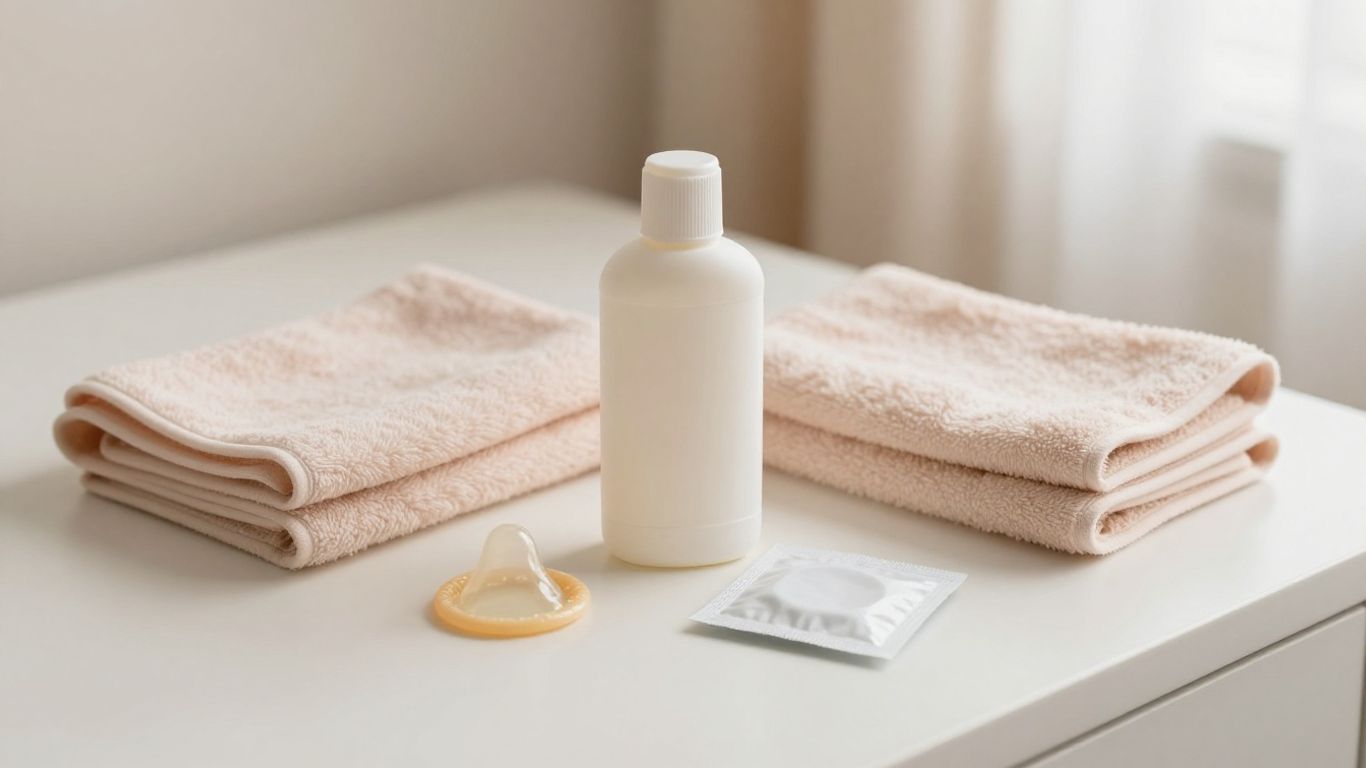
Pairing lube with latex and non-latex condoms
Oil-based lubricants can weaken latex condoms, so avoid that pairing. Water-based lubricants are commonly compatible with latex condoms, but follow the instructions on the specific condom and lube. Non-latex condoms are made from different materials, and compatibility can vary by type; check the packaging for guidance. If the label is unclear, use a product explicitly identified as compatible with that condom.
Avoiding ingredients that may irritate sensitive skin
A product can be safe for a toy yet still not suit your body. Scan the ingredient list for anything you already know causes irritation, and introduce a new formula cautiously. Stop using it if you notice burning, itching, or discomfort; persistent symptoms are a reason to seek medical advice. Arousellube’s water-based, edible formula is made with natural ingredients, but that description alone cannot predict an individual reaction.
Choosing fragrance-free formulas when needed
If fragrance has irritated you before, choosing a fragrance-free formula may make it easier to avoid a known trigger. “Unscented” and “fragrance-free” can mean different things on product labels, so read the ingredients rather than relying only on front-of-pack wording. Start with a small amount and pay attention to how your body responds. There is no need to keep using a product that feels uncomfortable.
How to use lube with a silicone toy
Using lube can reduce friction and make toy use more comfortable, but a little attention at the start can prevent guesswork later. Choose a product that is compatible with the toy and any condom or barrier you plan to use. Keep the toy’s directions nearby, especially if it has a special coating or care requirements. Adjust the amount gradually instead of applying more than you need at once.
Applying a small amount and adding more as needed
Begin with a small amount on the toy or the relevant area of the body, then add more if friction returns. Water-based lube may need reapplication as it dries, so notice changes in glide rather than waiting until use feels uncomfortable. Avoid touching the bottle opening directly to the toy or body if you want to keep the product clean. Follow the product’s directions for application and storage.
Using lube for external and internal play
For external use, apply enough to create comfortable glide and adjust according to how it feels. For internal use, use a lubricant intended for that purpose and follow the toy’s instructions, including any guidance about condoms or barriers. More lube is not automatically better; comfort and control matter more than a fixed amount. If you are using a toy anally, use adequate lubricant and proceed gently.
Stopping if you notice irritation or discomfort
Stop if you feel burning, itching, pain, or an unexpected change in sensation. Rinse the area and toy as directed, and don’t add more of the same product to try to cover the discomfort. If symptoms continue or are severe, seek advice from a healthcare professional. A different formula may be appropriate, but first give irritated skin time and attention.
How to clean and store toys after use
Cleaning and storage help preserve a toy’s surface and keep it ready for next time. The right method depends on the toy’s material, construction, and whether it is waterproof or has electrical parts. Follow the maker’s care instructions rather than assuming every toy can be washed the same way. Check the lubricant label too, especially if it leaves residue.
Washing lube off according to the toy’s care instructions
After use, wash away lubricant using the cleaning method recommended for that toy. Some toys can be cleaned with mild soap and water, while others require different handling, particularly around batteries, charging ports, or coatings. Rinse thoroughly if the instructions allow it, and avoid harsh cleaners unless the manufacturer recommends them. The goal is to remove residue without damaging the material.
Drying the toy fully before storage
Dry the toy completely before putting it away. Use a clean, lint-free towel or let it air-dry in a clean place, depending on the care guidance. Moisture left in seams or around openings can make storage less hygienic. Take a moment to check that no residue remains and that the surface feels as it should.
Keeping silicone toys separate to protect their surfaces
Store silicone toys separately when the manufacturer advises it, since direct contact between some toy surfaces may cause sticking or changes over time. A clean storage pouch or individual compartment can help keep toys from rubbing together and collecting dust. Keep them in a cool, dry place and follow any guidance about avoiding particular materials. Before the next use, inspect the toy for damage or an unexpected surface change.
Conclusion
For most silicone toys, water-based lube is the easiest safe starting point, while silicone-based and oil-based formulas deserve closer compatibility checks. Read the toy and lubricant instructions, consider condoms and personal sensitivities, and stop if anything feels wrong. A little care with cleaning and storage helps keep the toy in good condition.
Frequently Asked Questions
What lube is safest for silicone toys?
Water-based lube is generally the safest starting point because it is typically compatible with silicone toys. Check the toy’s instructions and the lubricant label before use.
Can silicone lube be used with a silicone toy?
It may affect some silicone toy surfaces, so avoid the combination unless the toy manufacturer says it is compatible. If unsure, choose water-based lube.
Is water-based lube compatible with glass toys?
Water-based lube is generally suitable for glass toys. Check the toy’s care instructions, especially if it has a coating or components made from other materials.
Does water-based lube dry out?
Some water-based formulas can dry or become tacky during use. You can reapply as needed, following the product’s directions.
Can I use oil-based lube with a latex condom?
No. Oil-based lubricants can weaken latex condoms. Check the condom packaging for compatible lubricant types.
What should I do if lube causes irritation?
Stop using it and rinse the area gently. If discomfort persists or is severe, contact a healthcare professional.
How should I store a silicone toy after cleaning?
Follow the maker’s care instructions, and make sure the toy is fully dry before storage. Store it in a clean, dry place, separate from other toys if recommended.





































































