
Posted by Mike
on October 23, 2026

Key Takeaways
Choosing a lubricant starts with the machine, its operating conditions, and the maker’s specifications—not a brand name alone. The names below are useful points of comparison, but this overview does not claim a ranked winner or make unsupported product-specific comparisons.
- Match the lubricant type to the equipment and its operating environment.
- Check the equipment manufacturer’s requirements before choosing a product.
- Compare documented specifications, approvals, and intended applications.
- Plan for storage, handling, maintenance intervals, and disposal.
- Treat brand lists as a starting point for research, not a substitute for technical verification.
1. Shell
A brand list can help organize research, but it cannot tell you whether a lubricant is suitable for a particular machine. That decision depends on the equipment maker’s requirements and the conditions the lubricant will face. The names in this guide are comparison headings, not a ranking or an endorsement.
A practical first step is to describe the application in plain terms: what parts need lubrication, how they operate, and what the equipment documentation specifies. A comparison is more useful when every candidate is assessed against the same requirements. For a broader explanation of the categories involved, see this guide to lubricant types.
The table below offers a simple way to structure that initial review. Its questions are intentionally general; the answer should come from the relevant equipment documentation and the candidate product’s published technical information.
| Comparison point | What to establish | Where to verify |
|---|---|---|
| Application | Which component or system is involved | Equipment documentation |
| Operating conditions | Temperature, load, and exposure conditions | Operating manual and technical data |
| Compatibility | Required material or system compatibility | Equipment maker and product documentation |
| Service needs | Inspection and change requirements | Maintenance schedule |
Use the table as a screening aid rather than a substitute for technical review. If the available documents do not answer a key question, ask the equipment maker or a qualified lubricant supplier before making a change.
2. Mobil
The name in this heading is one of the labels readers may encounter while surveying the automotive and industrial lubricant market. Without product-level documentation in the material available for this article, it would be misleading to attach a specific capability, approval, or application to it. The sound approach is to compare exact products and published specifications, not to infer them from a company name.
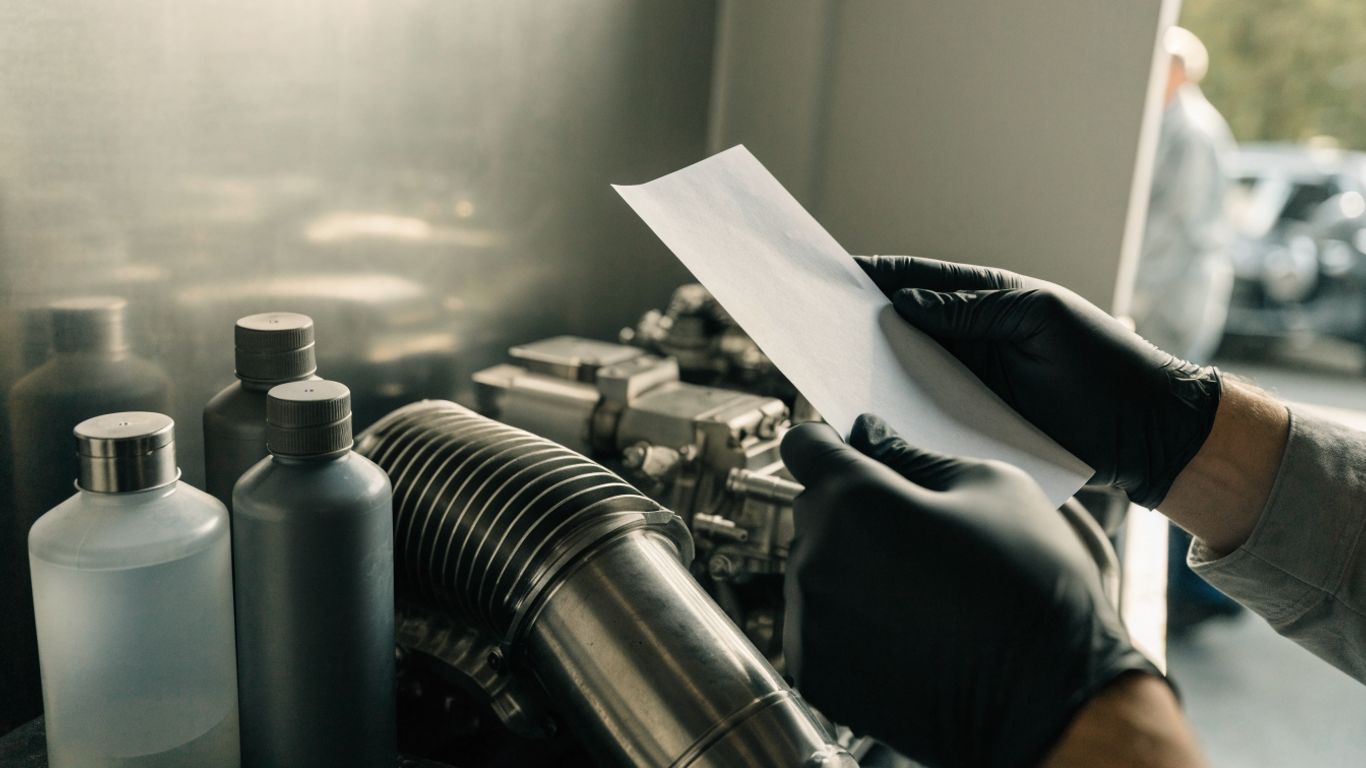
For each candidate, note the product name, stated application, and the specification it claims to meet. Keep those notes tied to the source document and its date, since product information can change. That small bit of discipline makes a shortlist easier to review with a maintenance team.
A market overview can provide context for why a name appears in a list, but it is not proof that a particular lubricant fits a particular machine. One external industrial lubricant brand overview is useful as a broad starting point; confirm any product-level detail against current technical information and equipment requirements.
3. Castrol
The same caution applies to every heading in a brand roundup: a familiar name does not identify a product’s formulation, specification, or approved use. Those details belong to individual product documents. In a careful comparison, avoid reading a general brand label as a promise about every lubricant sold under it.
Selection also depends on the system around the lubricant. The equipment manual may specify a category, performance level, or approval, and using a different type without confirmation can create avoidable maintenance risk. When the requirement is unclear, seek clarification before substituting a product.
Search results can also mix automotive maintenance with unrelated floor-care questions. For example, engineered-wood sanding guidance concerns flooring assessment and refinishing, not lubricant selection. Keeping those subjects distinct helps readers avoid treating every maintenance recommendation as relevant to machinery.
4. Valvoline
A useful comparison is built around evidence rather than reputation. Start with the equipment’s documented requirement, then check whether a candidate’s current technical information states that it meets the requirement. If the documents use different terminology, ask a qualified source to interpret the mismatch rather than assuming the terms are interchangeable.
For a first-pass review, a short checklist can keep the discussion focused:
- Record the equipment and the component being serviced.
- Copy the required specification from the equipment documentation.
- Compare it with the current product technical sheet.
- Confirm compatibility and service instructions before switching.
This sequence is deliberately conservative: it separates a product’s stated information from assumptions based on its name. Keep the documentation with the maintenance record so the reason for a selection remains clear later.
Floor markings are another area that can surface in broad facility-maintenance searches, but they are not lubricants. A court line-marking paint comparison addresses paint choice and floor compatibility, a separate decision from selecting an oil or grease for equipment.
5. Chevron
The needs of a vehicle and those of industrial machinery can differ, even when people use the same broad term, “lubricant.” A useful shortlist therefore starts by defining the application before comparing products. Avoid assuming that a candidate suited to one setting is appropriate in another.
The relevant vehicle details may include the component being serviced and the manufacturer’s written requirements. For industrial equipment, the maintenance manual and operating conditions are central. In either case, verify the exact product and the specific requirement rather than relying on a broad company description.
Searches about vehicle care may also lead to content about vehicle makers themselves. A guide to British car makers, for instance, covers automotive companies and their histories; it is not a source for lubricant specifications. Keeping the research question narrow makes product comparisons clearer and more dependable.
6. TotalEnergies
A company name alone cannot establish a lubricant’s suitability, and the information here does not support product-specific claims about this heading. Treat it as one entry in the comparison framework, then look for current documentation covering the exact product, application, and required specification. If that information is not available, leave the question open rather than filling the gap with an assumption.

The context of a comparison matters as much as the names included. A list of companies does not say which products are suitable for a given engine, transmission, bearing, or industrial process. For a closer look at one product, use its technical documentation and confirm that its stated use aligns with the equipment maker’s instructions.
The word “lubricant” appears in searches about many unrelated subjects. Laser therapy near you, for example, refers to a pain-relief service rather than automotive or industrial lubrication. Recognizing that distinction keeps a general search from being mistaken for technical product guidance.
7. FUCHS
For any candidate, compare the information that can be checked: the stated application, specification, compatibility notes, and handling instructions. Avoid ranking names based on claims that are not supported by current documentation. That restraint is especially useful when a list covers several sectors and product types.
A maintenance team can also consider how a proposed selection fits its existing service process. The right questions may include how the product will be identified, stored, documented, and reviewed during routine maintenance. These are practical checks, not claims about any particular brand.
Some search results mix machinery maintenance with property decisions. A page about a direct property sale addresses real estate transactions, not lubricant selection. The distinction is a reminder to check the subject and source of a result before using it to support a technical decision.
8. Motul
A brand heading is only a starting point; the product-level evidence does the real work. Confirm that the specific lubricant’s stated application matches the equipment and that the required specification is clearly documented. If a product sheet is missing or ambiguous, do not treat the uncertainty as confirmation.
The same care applies when comparing information from different sources. Check that the documents refer to the same product and are current, then keep a record of what was reviewed. A brief note about the selection basis can make later maintenance decisions easier to understand.
The wider market includes many companies and types of lubricant, and a market list can help readers see the range of names they may encounter. It should not be treated as an endorsement or a technical shortlist. A closer review always returns to the specific equipment, its requirements, and the product’s own documentation.
9. AMSOIL
The best comparison process is repeatable. Define the use case, identify the applicable equipment requirements, and check each candidate against the same criteria. This avoids letting familiarity or broad marketing language stand in for a technical match.
If the equipment documentation allows more than one option, compare the available product information carefully and consider getting qualified advice where compatibility is uncertain. Keep the decision grounded in the documents rather than assuming that a lubricant category or brand name settles every detail.
A video can offer background on how lubricant selection is discussed, but it should not replace the equipment maker’s instructions or current product documentation. Use general explanations to understand terms, then verify the requirements that apply to the machine in front of you.
10. PETRONAS
This final entry follows the same standard as the others: the name alone cannot tell you which product is appropriate or what specifications it meets. Review the current documentation for the exact lubricant under consideration, and confirm the choice against the equipment maker’s stated requirements. No broad brand-level conclusion can replace that check.
It is also worth separating the question “Which names should I research?” from “Which product meets this requirement?” A list can help with the first question. The second requires product-specific evidence and, where necessary, advice from a qualified technical source.
Taken together, the ten headings provide a map for further research, not a verdict about quality or suitability. Compare documented details, keep the application in view, and pause when an important specification or compatibility question remains unanswered.
Conclusion
A useful guide to top lubricants brands should help readers ask better questions, not promise a universal winner. Start with the equipment’s requirements, compare current product documentation, and confirm uncertain details before making a change; that method is more dependable than choosing by name alone.
Frequently Asked Questions
What should I compare when choosing an automotive or industrial lubricant?
Start with the equipment maker’s stated requirements, then compare the candidate’s documented application, specifications, compatibility information, and handling instructions.
Is one lubricant suitable for every vehicle or machine?
No single choice should be assumed to fit every application. Equipment and operating conditions differ, so verify the requirements for the specific system being serviced.
How can I tell whether a lubricant meets a required specification?
Check the current technical documentation for the exact product and compare its stated specifications with the equipment manual. Ask a qualified source if the wording is unclear.
Should I choose a lubricant based on its brand name?
A brand name can help identify candidates for research, but it does not establish that a particular product fits a particular application. Product-level documentation is needed.
Can I switch to a different lubricant without checking first?
Check the equipment maker’s instructions before switching. If compatibility or specification requirements are uncertain, get qualified guidance before making the change.
Why do maintenance requirements matter when comparing lubricants?
The correct choice needs to fit not only the equipment’s stated requirements but also its service instructions. Keeping records of the selection and maintenance schedule supports consistent decisions.
What should I do if product information is incomplete?
Do not guess. Ask the equipment maker, the product supplier, or another qualified technical source for the missing information before deciding whether the lubricant is suitable.


