

Posted by Mike
on October 20, 2026

Key Takeaways
Lubricant is a broad category, not another word for oil. The right choice depends on the surfaces, materials, conditions, and intended use.
- Oils are one type of lubricant; grease, dry-film products, and water-based formulas are others.
- Lubricants can reduce friction and wear, but their properties and uses vary.
- Match a lubricant to its specific application rather than assuming one product works everywhere.
- Check material compatibility, product directions, and safety information before use.
- Personal lubricants are made for intimate use and should not be confused with automotive or industrial products.
What lubricant means
A lubricant is a substance used to reduce friction between surfaces that move against one another. Some lubricants are oils, but the category also includes materials with different textures and ingredients. Their purpose and performance depend on the job. Knowing that distinction makes the question “is lubricant oil” easier to answer: sometimes, but not always.
How lubricants reduce friction and wear
When two surfaces slide or roll against each other, friction can create resistance and wear. A lubricant can form a layer between those surfaces, helping them move with less direct contact. Some lubricants also help carry away heat or particles, depending on their formulation and use. The basic idea is simple, but the right lubricant depends on context: a product suitable for one machine or material may not suit another.
Why not all lubricants are oils
Oil is a familiar lubricant, but the term covers a wider range of substances. Greases are thicker, dry-film products leave a solid lubricating layer, and water-based products are used in applications where an oil is not appropriate. Lubricants can also be formulated for different purposes, from reducing friction in machinery to improving comfort during intimacy. A broad explanation of what lubricants do helps clarify why the category includes so many forms.
How lubricant differs from grease
Grease is a type of lubricant with a thicker, semi-solid consistency. Compared with a free-flowing oil, it tends to stay where it is applied, which can make it useful in some applications where a liquid would run off. That does not make grease universally better; it has to suit the equipment and its operating conditions. In everyday speech, people may use “lubricant” to mean oil, but grease belongs under the same wider umbrella.
Common types of lubricants
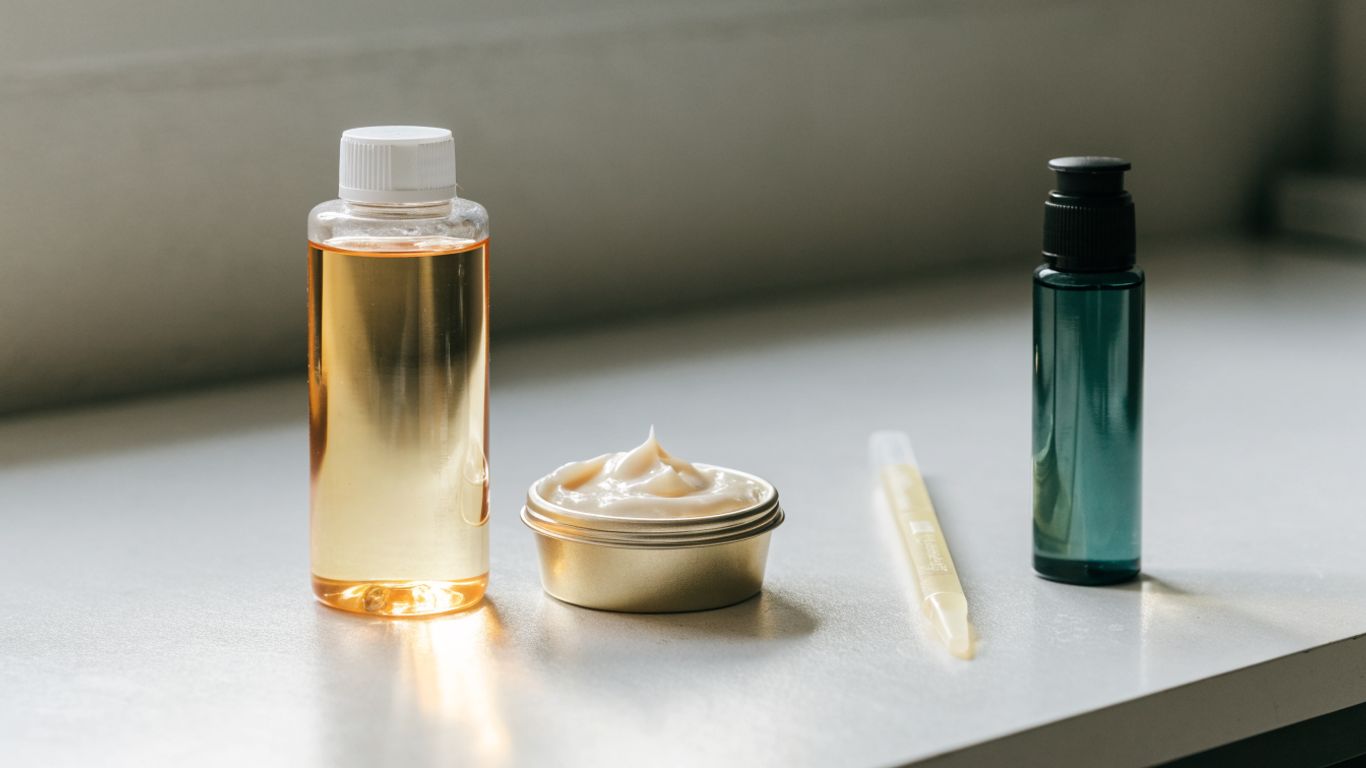
Lubricants come in forms that behave differently on a surface and under different conditions. Some are liquids that flow, while others stay in place or leave a thin coating. A product’s base and formulation can influence how it spreads, cleans up, and interacts with materials. The image below offers a visual overview of some common forms.
Mineral and synthetic oils
Mineral oils are derived from refined petroleum, while synthetic oils are manufactured through chemical processes. Both can be formulated for particular applications, and the label—not the broad category alone—indicates intended use. Vegetable-derived oils are another possible base in some products. This table gives a general comparison; it is not a substitute for a product specification.
| Type | General description | What to check |
|---|---|---|
| Mineral oil | Refined from petroleum | Equipment requirements and grade |
| Synthetic oil | Made through chemical processes | Application and operating conditions |
| Vegetable-derived oil | Made from plant sources | Intended use and material compatibility |
| Water-based lubricant | Uses water as its base | Ingredients and directions for use |
These categories describe broad differences, not a ranking from best to worst. Even two products within the same category can have different intended uses, so read the label before applying one.
Greases and semi-solid lubricants
Grease combines a lubricating base with a thickener, giving it a consistency that can help it remain in place. It is used in some mechanical applications where a liquid lubricant would not stay put. Greases also vary in their composition and suitability for heat, water, and load, so the word “grease” alone is not enough to identify the right product. For a practical contrast among oils and greases, see this guide to oil and grease differences.
Dry-film and water-based lubricants
Dry-film lubricants leave a thin solid layer on a surface rather than a wet, flowing film. Water-based lubricants use water as their base and are common in personal-care applications, though the intended use should always be verified on the label. Arousellube offers water-based, edible personal lubricants made with natural ingredients and designed to enhance pleasure and intimacy. These are personal products, not substitutes for lubricants intended for engines or machinery.
Where lubricants are used
Lubricants appear in settings as different as workshops, vehicles, factories, and personal care. Their shared purpose may involve reducing friction, but that does not make the products interchangeable. The material being lubricated, the surrounding conditions, and the intended use all matter. A useful first step is to identify the setting before comparing products.
Engines and vehicle components
Engines and other vehicle components require lubricants selected for their specific design and operating requirements. Motor oil, for example, is formulated for engine use; a general-purpose oil or personal lubricant is not an equivalent choice. Vehicle manuals and product labels can identify the specifications a component needs. If you are looking at a vehicle product, use guidance written for that system rather than relying on the word “oil” alone.
Industrial machinery and equipment
Industrial equipment may use oils, greases, or other lubricants depending on how parts move and what conditions they face. The right selection can depend on the manufacturer’s instructions, the materials in contact, and factors such as temperature and load. For example, a lubricant that stays in place may be useful in one situation, while a flowing oil may be required in another. A lubricant choice should follow the equipment’s documentation, not a guess based on texture.
Personal and household applications
Personal lubricants are designed for intimate use, while household and mechanical products have their own separate purposes. Arousellube offers edible personal lubricants made with natural ingredients and designed to enhance pleasure and intimacy. That does not mean every product described as “natural” or “oil” is appropriate for personal use; check the specific formulation and directions. Other topics that happen to involve everyday choices—such as sneaker trends, IT infrastructure, and cockroach treatments—belong to entirely different categories, not lubricant selection.
How to choose the right lubricant
Start by asking what needs lubrication and what the product must do. A familiar texture or broad label is not enough, because materials and operating conditions can change what is suitable. Product instructions and equipment guidance are more useful than assumptions. Arousellube’s water-based, edible personal lubricants are intended for personal use, illustrating why application matters when choosing a formula.
Match the lubricant to the job
The intended application is the first filter: a vehicle, a machine, and a personal-care product have different requirements. Once the use is clear, compare the label with the equipment instructions or the personal product’s stated purpose. This short sequence can help keep the decision grounded in the actual job.
- Identify the surface, component, or personal-use application.
- Check the product label for its stated purpose and directions.
- Compare the product requirements with the equipment manual or relevant use guidance.
- Choose another product if the intended application is not listed or clear.
This process avoids treating every slippery product as interchangeable. If the label does not address the intended use, do not assume compatibility; ask the manufacturer or choose a product with clear directions.
Check material and equipment compatibility
A lubricant can interact differently with different materials, finishes, and components. For equipment, use the manufacturer’s recommendations and confirm that the lubricant is approved for the part. For personal products, review the ingredient list and check compatibility with any condoms or toys involved. Arousellube offers water-based personal lubricants, but consumers should still follow the product directions and check compatibility for the specific items they use.
Consider temperature, load, and exposure to water
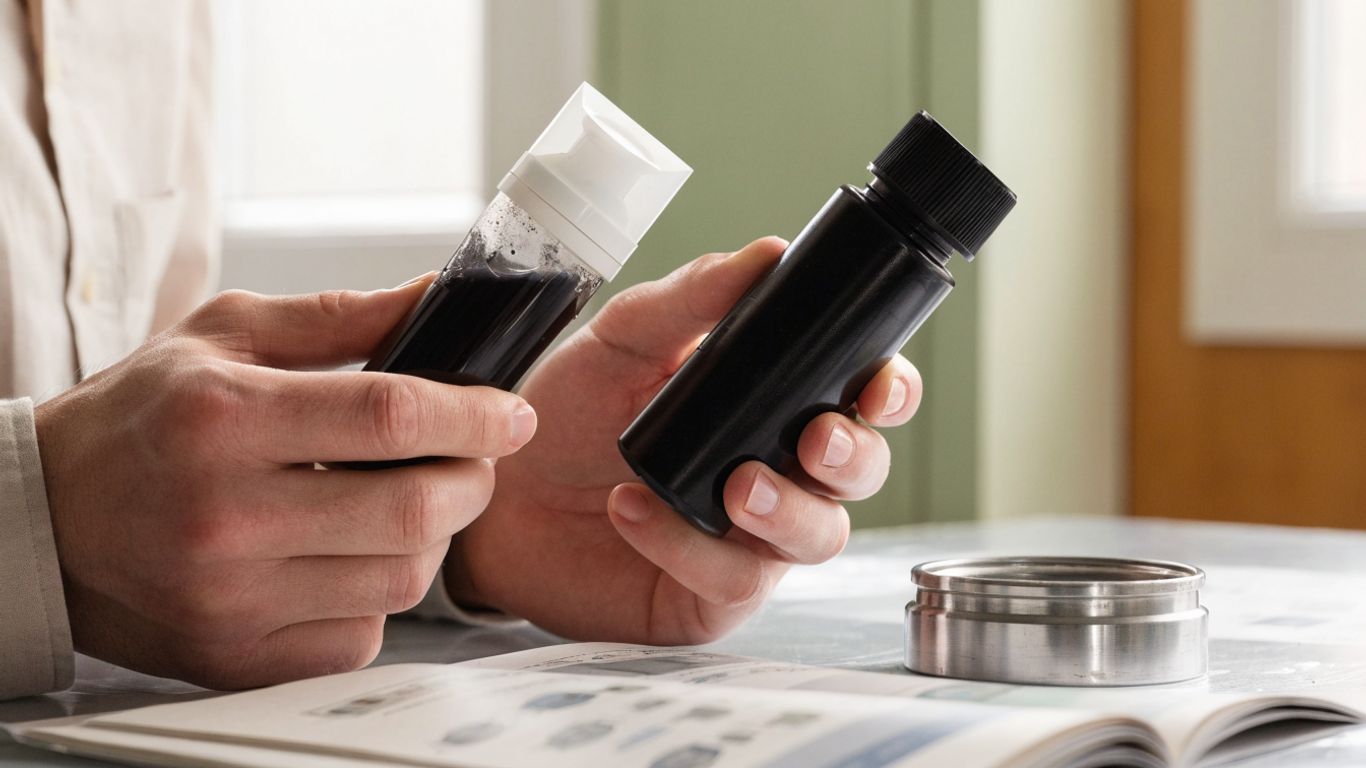
For mechanical applications, temperature, pressure, movement, and water exposure can affect how a lubricant performs. A product suited to a lightly loaded part may not be intended for a hotter or more demanding setting. Personal lubricants have different considerations, including feel, ingredients, and cleanup. The image here suggests why selection starts with the use case rather than a one-size-fits-all idea of “lubricant.”
Lubricant safety and handling
Safe use begins with choosing a product intended for the application and following its directions. Different lubricants can contain different ingredients, and their handling requirements can vary. Keep products in their original containers when possible, and do not mix products unless the manufacturer says to do so. For personal products, comfort and compatibility matter alongside basic handling.
Read product labels and safety data sheets
Labels explain intended use, directions, and warnings; industrial products may also have a safety data sheet with more detailed handling information. Read those materials before use, especially if a product is unfamiliar or will be used around sensitive materials. For personal use, check the ingredients and stop using a product if it causes irritation or discomfort. Guidance on personal oil lubricant safety can help readers consider ingredients, compatibility, and storage in that distinct context.
Store and dispose of lubricants properly
Follow the storage directions on the container, and keep products closed and away from children and pets. Avoid transferring a lubricant into an unmarked container, since that can obscure its identity and instructions. Dispose of unused product and containers according to the label and local requirements rather than pouring industrial or automotive lubricants down a drain. For household safety, keep unrelated products separate; IV infusion screening is a clinical matter, not a reason to use or handle a lubricant differently.
Take precautions with personal lubricants
Personal lubricants should be used only as directed and should not be replaced with automotive, industrial, or household oils. Check ingredients if you have known sensitivities, and confirm compatibility with condoms and toys before use. Arousellube offers water-based, edible personal lubricants made with natural ingredients; the product label remains the place to confirm the details for a particular formula. A page about video service terms concerns a different kind of product entirely, which is a useful reminder to consult the instructions relevant to the product in hand.
Common misconceptions about lubricant oil
The word “lubricant” can sound as if it names one particular substance, but it does not. A product’s texture or everyday name cannot tell you everything about its ingredients or intended use. The differences matter most when choosing between products for equipment and products for the body. Clear labels and application-specific guidance help prevent simple but potentially costly mistakes.
Why oil is only one kind of lubricant
Oil is a common lubricant, which is why the terms are sometimes treated as synonyms. But greases, dry-film products, and water-based formulas show that lubrication does not require an oil. The word describes a role—reducing friction in a particular context—rather than one universal ingredient. The right comparison is between products meant for the same kind of use.
Why motor oil is not a universal lubricant
Motor oil is designed for engines, not every moving part or personal application. Its formulation and directions are tied to a specific type of use, and it should not be substituted for products intended for other materials or the body. A product that looks slippery is not automatically safe or suitable elsewhere. Follow the manufacturer’s instructions rather than trying to stretch one product across unrelated jobs.
How lubricant needs vary by application
A lubricant’s required consistency, ingredients, and performance depend on the surface and conditions involved. Even products that share a base may differ in what they are designed to do. That is why the label and equipment or product guidance should lead the decision. “Lubricant” is a category; the intended application tells you which member of that category to consider.
Conclusion
Lubricant can mean oil, grease, a dry-film product, or a water-based formula, depending on the application. Start with the intended use, check material compatibility and product directions, and keep personal, household, and mechanical products distinct. That simple approach makes it easier to choose a suitable lubricant and use it with care.
Frequently Asked Questions
Is lubricant oil?
Sometimes. Oil is one kind of lubricant, but lubricants also include grease, dry-film products, and water-based formulas.
What is the difference between oil and lubricant?
Oil names a type of substance, while lubricant describes a role: a product used to reduce friction in a particular application. Some lubricants are oils and some are not.
Is grease a lubricant?
Yes. Grease is a thicker, semi-solid type of lubricant. Its suitability depends on the equipment and conditions involved.
Can I use motor oil on any moving part?
No. Motor oil is intended for engine applications and should not be treated as a universal lubricant. Follow the instructions for the specific component or product.
What are water-based lubricants used for?
Water-based lubricants are used in various applications, including personal care. Check the product label to confirm its intended use and directions.
How do I know if a lubricant is safe for a material?
Check the product label and the equipment or material manufacturer’s instructions. If compatibility is unclear, contact the manufacturer or choose a product with explicit guidance.
How should I store lubricant?
Follow the label’s storage instructions, keep the container closed and clearly identified, and store it away from children and pets. Dispose of it according to the product directions and local requirements.


