

Posted by Mike
on August 07, 2026

Key Takeaways
Choosing a natural personal lubricant ensures a safer and more comfortable intimate experience by avoiding harsh synthetic chemicals. Understanding ingredients, pH balance, and proper maintenance allows you to prioritize both your health and pleasure.
- Natural lubricants often utilize plant-based humectants for moisture.
- Organic certifications help verify the quality and purity of ingredients.
- pH-balanced products support the delicate vaginal microbiome.
- Proper storage extends product life and maintains hygiene.
- Always perform a patch test before first use.
What defines a natural personal lubricant?
Selecting the right intimate care depends on knowing what passes for natural in a crowded market. Many products marketed as gentle often hide synthetic preservatives or additives that can disrupt your body's natural chemistry.
Identifying plant-based and organic ingredients
A true natural formula relies on ingredients derived from botanical sources, such as aloe, plant-derived glycerin, or natural seed oils. These components prioritize safety above all else, ensuring that what touches your body is gentle and effective.
Chemicals and parabens to avoid in standard lubes
Many conventional products contain parabens, glycols, and synthetic fragrances that can cause irritation or endocrine disruption. Avoiding these substances is central to protecting your intimate health.
The importance of pH-balanced formulas
Your intimate wellness hinges on maintaining an environment where healthy bacteria thrive. pH-balanced formulas help keep the vaginal microbiome stable, which is why experts recommend them over products that ignore acidity levels.
Distinguishing between natural and "clean" marketing terminology
Marketing language can be misleading, so always verify labels for third-party certifications rather than trusting vague claims of being natural. True transparency is found in ingredient lists that detail every component used.
Common ingredients in natural lubricants
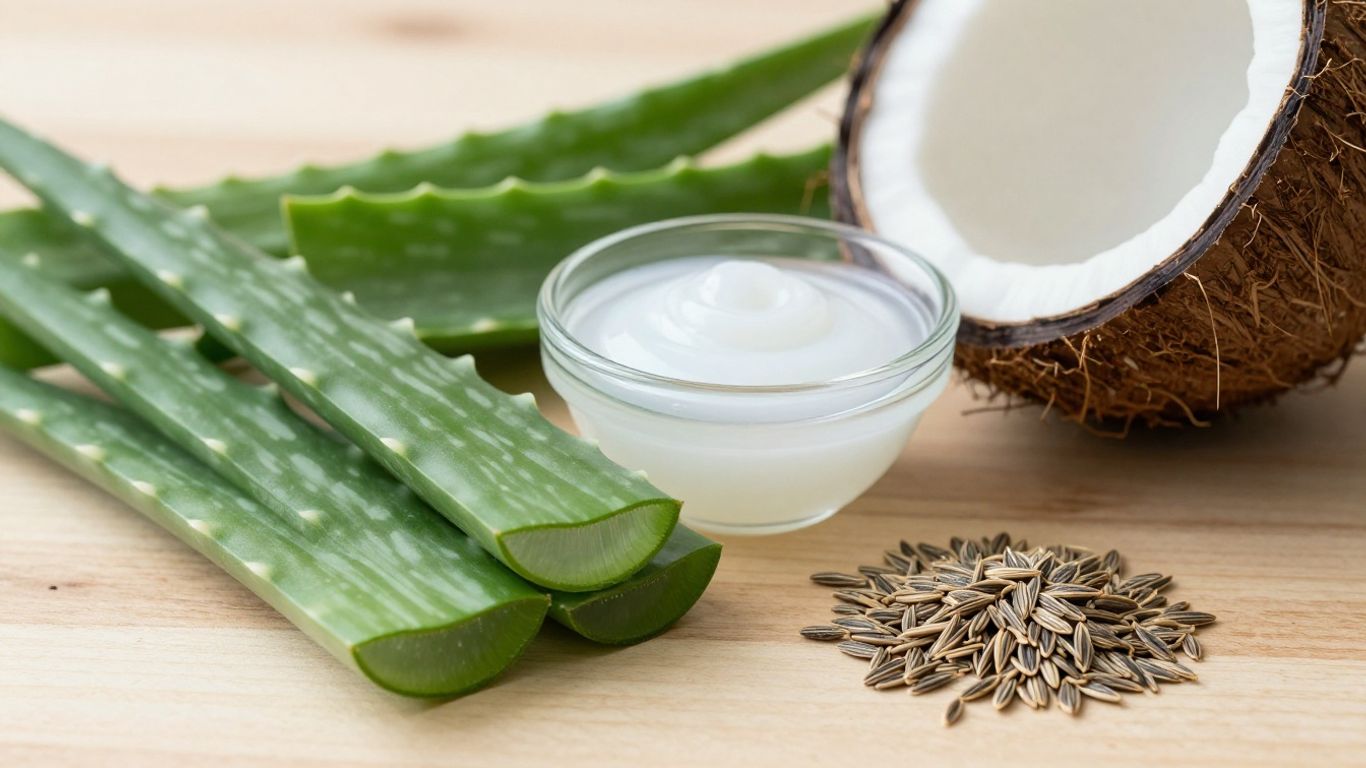
Nature provides an array of substances that offer excellent glide and moisturizing properties. Ingredients harvested from organic sources are generally preferred for their lack of contaminants and residual pesticides.
Aloe vera and its soothing properties
A classic choice for intimacy, aloe vera is renowned for its calming qualities, especially for those with sensitive tissues. Arousellube utilizes such naturally soothing components to ensure maximum comfort and hydration.
The role of plant-based glycerin alternatives
While traditional glycerin can sometimes encourage yeast growth in sensitive individuals, many brands now opt for plant-derived alternatives. These offer the necessary slickness without the potential side effects.
Coconut and seed oils for texture and moisture
Oils like coconut seed oil can provide a long-lasting, silky texture that feels luxurious during use. However, these are best suited for situations where condom compatibility is not a primary concern, as they can break down latex.
Ethical sourcing and sustainable harvesting
The way ingredients are gathered matters for both the planet and your peace of mind. Supporting brands that prioritize sustainable harvesting ensures that your pleasure does not come at an environmental cost.
Health and safety considerations
Understanding the physiological impact of what you use determines how well your body tolerates a lubricant. Safety is not just about avoiding immediate rashes but maintaining systemic health over time.
Minimizing the risk of irritation and yeast infections
Avoiding synthetic preservatives and perfumes is the first step toward a irritation-free life. Below is a brief guide on how various lubricant types impact your overall comfort level:
| Lubricant Type | Best Use Case | Primary Benefit |
|---|---|---|
| Water-based | Toy and condom play | Easy cleanup and versatile |
| Oil-based | Massage and solo use | Long-lasting hydration |
| Botanical blend | Sensitive skin relief | Soothing organic care |
The data shows that selecting the correct base for your activity levels significantly reduces the chance of unwanted side effects.
Evaluating osmolarity and its impact on delicate tissues
Osmolarity measures how a lubricant interacts with your tissues, affecting moisture levels at a cellular scale. Choosing products that match natural tissue osmolarity helps prevent dehydration and irritation, as discussed in this lubricant guide.
Assessing compatibility with condoms and sex toys
Always ensure your chosen product is safe to use with your specific materials. Most water-based formulas are toy-safe, while oil-based ones can damage silicone items or latex, so check manufacturer labels carefully.
Allergy testing and sensitive skin precautions
Before applying any new product extensively, apply a small amount to your inner forearm. This simple patch test strategy helps identify potential adverse reactions before you encounter them in more sensitive areas.
Benefits of choosing natural over synthetic formulas
Choosing natural alternatives often removes the guesswork from intimate health, providing a purer experience. By distancing yourself from synthetic chemicals, you are opting for a safer, more sustainable lifestyle.
Reduced risk of chemical exposure and endocrine disruption
Synthetic additives like phthalates are often linked to hormonal interference. Natural formulas avoid these risks entirely, providing a clean path to intimate wellness.
Supporting healthy vaginal microbiome balance
Using products designed to support your body's natural state, such as those that are pH-balanced, paraben-free, keeps your microbiome strong and resilient against infection.
Environmental advantages of biodegradable ingredients
Beyond your own body, natural lubricants are often better for the ecosystem. Biodegradable ingredients ensure that after washing away, your choice doesn't leave harmful residues in the water system.
Sensory experience and natural texture profiles
Nothing replaces the feel of nature. Ingredients like those found in premium natural lubricants offer a texture that mimics your own body, leading to a much more genuine experience.
How to select the right product for your needs
Start by evaluating your primary goals for intimacy, such as hydration or enhanced sensation. A little research goes a long way in finding a formula that fits your specific needs.
Water-based vs. oil-based natural lubricants
Water-based solutions are generally the most versatile and compatible with condoms. Oil-based formulas, while long-lasting, require more care during cleanup and use.
Checking ingredient lists for hidden additives
Be wary of labels that prioritize the front marketing over the back ingredients. If you cannot recognize the majority of the components, it is likely not a truly natural product.
Considering specific activities and usage scenarios
Different activities require different product viscosities. Solo activities might benefit from thicker oils, while partnered intimacy often favors water-soluble formulas for their ease of use.
Reading third-party certifications and organic labels
Trust symbols like USDA Organic or other regulatory stamps help confirm that the brand follows strict manufacturing guidelines. These standards take out the guesswork, ensuring that what you buy is what you get.
Best practices for storage and usage
Proper care of your intimate items ensures they remain safe and effective throughout their lifespan. Neglecting these basics can lead to contamination and reduced efficacy.
Shelf life and natural preservation methods
Natural lubricants often have a shorter shelf life because they lack harsh chemical preservatives. Keeping them in a cool, dark environment maintains their integrity significantly longer. Here are some essential habits for maintaining high standards:
- Store bottles away from direct sunlight and humidity.
- Clean applicators thoroughly with warm water after every use.
- Always close the lid tightly to minimize air exposure.
- Check for any changes in color, texture, or scent before use.
These practices ensure that the product you reach for remains fresh and effective for your next intimate occasion.
Proper storage to prevent bacterial growth
Always store items in a clean cabinet rather than a humid bathroom counter. Temperature fluctuations can destabilize organic ingredients and promote microbial buildup.
Identifying signs that your lubricant has expired
If you notice an off smell, an unusual separation of ingredients, or a change in color, discard the product immediately. Compromised formulas should never be used, as they can cause significant irritation.
Maintaining hygiene for containers and applicators
Wash your hands thoroughly before touching any bottles to prevent introducing bacteria. If you use reusable applicators, ensure they are sterilized and completely dry before returning them to storage.
Conclusion
Prioritizing natural ingredients in your intimate routine offers a profound upgrade to comfort, long-term health, and overall satisfaction. By carefully selecting products that are free from harmful additives and choosing formulas tailored to your body's unique needs, you can experience a more enjoyable and safer intimate life. Remember to verify the ingredients, store your essentials properly, and always trust the quality of your chosen brand.
Frequently Asked Questions
Why should I choose a natural lubricant over a synthetic one?
Natural lubricants generally avoid harsh additives like parabens and synthetic fragrances that can irritate delicate tissue and disrupt your internal microbiome.
Can natural lubricants be used with sex toys?
Yes, most water-based natural lubricants are perfectly safe for use with silicone and glass toys, though it is always wise to double-check the specific product label.
Do natural lubricants expire faster than store-bought brands?
Because they lack harsh artificial preservatives, natural formulas often have a shorter shelf life and should be used within the timeframe listed on the packaging.
Are oil-based natural lubricants safe for condom use?
No, oil-based lubricants should not be used with latex condoms, as they can weaken the material and lead to breakage.
What does pH-balanced mean in the context of lubricant?
A pH-balanced lubricant is formulated to match the natural acidity of your body, which helps prevent infections and maintains a healthy environment for your microbiome.
How can I tell if my natural lubricant has gone bad?
You should look for changes in color, consistency, or smell, as these are clear indicators that the organic components in the formula have begun to degrade.
Can I make my own natural lubricant at home?
It is possible to create simple alternatives at home, but you must prioritize safety by using sterile supplies and selecting ingredients known to be body-safe and non-irritating.





































































