

Posted by Mike
on August 02, 2026

Key Takeaways
Choosing the right products for your intimate health ensures both comfort and safety during moments of connection. The following points summarize the essential considerations for selecting a high-quality product.
- Prioritize natural, organic ingredients to minimize irritation.
- Always check labels for harmful additives like parabens or glycerin.
- Maintain your body's natural chemistry with pH-balanced formulas.
- Perform patch tests before full application of new products.
- Properly store lubricants to prevent contamination and spoilage.
Understanding the importance of non toxic ingredients
Common harmful chemicals in conventional lubes
Many conventional personal lubricants rely on synthetic ingredients to achieve specific textures or long-lasting glides. Ingredients like parabens, which serve as preservatives, have been linked to potential health concerns, while high concentrations of glycerin can sometimes disrupt the natural balance of your vaginal microbiome. By choosing a natural lubricant, you can bypass these harsh additives in favor of cleaner alternatives that respect your body's delicate ecosystem.
Health benefits of switching to natural formulations
Transitioning to a natural formulation offers a more sustainable path to intimate wellness and comfort. These products often replace synthetic thickening agents with plant-derived components that nurture the skin rather than irritating it. When you rely on clean, organic ingredients, you are fostering a healthier environment that supports your comfort without the risk of unwanted chemical exposure.
How your body absorbs intimate products
It is essential to remember that the skin in intimate areas is highly permeable and absorbs substances much more readily than other parts of the body. Because of this, anything applied during intimacy can directly interact with your system. Opting for body-safe ingredients ensures that your intimate essentials support your well-being rather than causing systemic stress. This is why Arousellube emphasizes transparency and scientific rigor in their formulations.
Types of non toxic intimate lubricants
Water-based lubricants and their safety profile
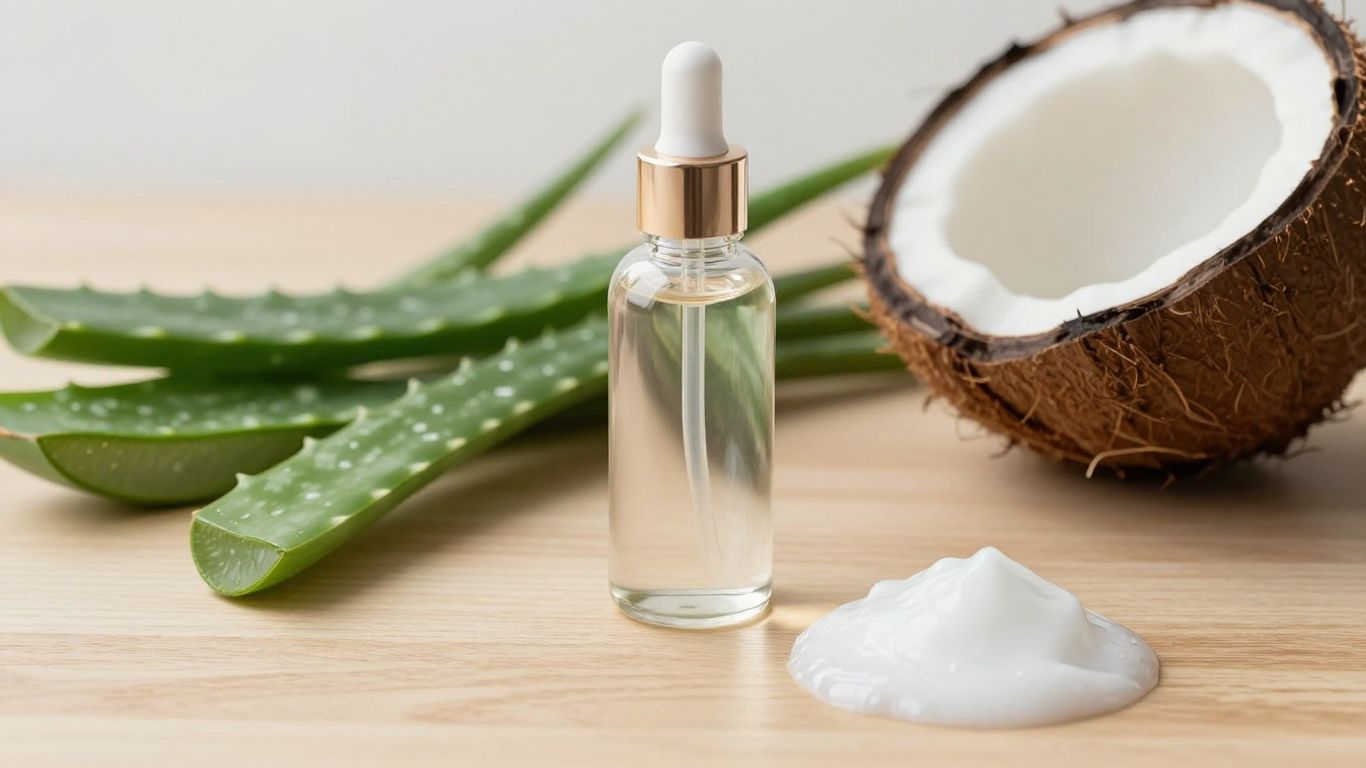
Water-based options are widely favored because they are versatile and generally easy to clean. These lubricants often mirror the body’s natural moisture and are highly recommended for those using latex condoms or silicone-based toys. Because they lack heavy oils, they rarely interfere with the structural integrity of your favorite devices.
Aloe-based alternatives for sensitive skin
For individuals with delicate skin, aloe vera serves as an excellent soothing agent in lubricant bases. This botanical ingredient provides a natural, hydrating feel without the sticky residue found in many synthetic gels. Many hypoallergenic water based options use aloe to ensure a gentle glide, making them a staple for those prone to sensitivities.
Considerations for plant-based oil lubricants
While oil-based lubricants offer a long-lasting, luxurious sensation, they are not compatible with all intimate accessories. They are fantastic for external massage and skin-to-skin touch, but they can degrade latex and silicone over time. When selecting these, ensure you use natural, non-toxic products that are derived from sustainable, skin-nurturing sources like coconut or almond oil.
Key ingredients to look for and avoid
Identifying endocrine-disrupting chemicals
Some conventional formulations contain chemicals that may interfere with hormones, which is a major reason to scrutinize your labels carefully. Avoiding ingredients like phthalates and certain fragrances helps protect your long-term health. Instead, gravitate toward natural, non-toxic formulations that prioritize safety, much like how ArouseLube is crafted to be free from irritants.
Beneficial natural extracts and moisturizing agents
When you select a lubricant, you want ingredients that actually assist your skin’s health throughout your experience. The following table highlights common beneficial additives versus those typically best avoided for a cleaner routine.
| Ingredient Type | Benefit | Best Practice |
|---|---|---|
| Aloe Vera | Highly moisturizing | Look for high concentrations |
| Lactic Acid | Helps maintain pH | Use in balanced amounts |
| Petroleum | Creates barrier | Avoid in intimate areas |
| Parabens | Synthetic preservation | Check labels and avoid |
Incorporating these natural agents helps keep your intimate areas feeling nourished even after use. These botanical ingredients offer a gentle and comforting sensation that feels far more natural than heavy synthetic alternatives.
Why pH balance matters in clean formulations
The vaginal microbiome depends on a specific, slightly acidic pH level to remain healthy and resistant to bacterial imbalances. Many conventional products deviate from this ideal range, which can lead to discomfort or recurrent irritations. Choosing pH-balanced formulas helps preserve this delicate balance, keeping you feeling fresh and protected throughout your day.
Selecting the right product for your needs
Factors for those with fertility goals
If you are on a journey toward conception, the choice of lubricant becomes even more critical due to the potential for certain chemicals to affect sperm motility. You should seek out specific options that are labeled as fertility-friendly to ensure you are not creating unnecessary barriers to your goals.
Preferences for texture and longevity
Personal preference plays a major role in what feels most enjoyable. Some people prefer a thick, velvet-like consistency, while others prefer a lighter, more liquid feel. We find that the best way to determine your favorite is to test a few varieties alongside your regular routine to see how they perform.
Compatibility with condoms and silicone toys
Always check your lubricant's compatibility before using it with other gear. If you use silicone toys, oil-based lubes can damage them, while water-based lubes are generally safe. To make the correct choice, consider these important factors for your own routine:
- Ensure the product is explicitly listed as toy-safe.
- Confirm consistency for your preferred type of play.
- Verify if the product is water-soluble for easy cleanup.
- Read ingredients to confirm the lack of dyes or perfumes.
By keeping these factors in mind, you protect both your body and your investment in intimate accessories.
Testing and storing your non toxic lubricant
How to perform a patch test for sensitivities
Before applying a new product to your most sensitive areas, it is wise to test it on a patch of less sensitive skin. Apply a small amount to the inside of your forearm or wrist and wait at least 24 hours to ensure no redness or itching occurs. This simple precaution ensures a smooth experience once you are ready for intimacy.
Best practices for product storage and shelf life
Most natural lubricants perform best when kept in a cool, dark, and dry place. Humidity and excessive light can degrade the stability of organic ingredients, so avoid keeping bottles in the shower area. Keeping your products sealed tightly ensures you get the full natural benefits of every bottle throughout its shelf life.
Signs that your product has expired or spoiled
Even the most natural products have a lifespan. Watch for changes in color, texture, or a sour and uncharacteristic odor as these are strong indicators of spoilage. If you observe any mold or significant separation that does not resolve with a quick shake, refrain from using the product to ensure your continued safety.
Conclusion
Prioritizing your well-being through the selection of a high-quality, non-toxic intimate lubricant is a simple yet impactful way to enhance your pleasure and confidence. By understanding the ingredients that support your body’s natural chemistry, you can enjoy a safer, more satisfying experience every single time.
Frequently Asked Questions
Can I use natural oils as a lubricant?
Many natural oils like coconut or almond can be used for external intimacy, though they should never be used with latex, as they will cause the material to break down quickly.
How often should I check my lubricant for expiration?
It is good practice to check the expiration date printed on your bottle every few months or whenever you notice a slight change in the consistency of the gel.
Is an edible lubricant always safe for oral play?
Not necessarily, as many products contain ingredients safe for external skin that may not be appropriate for ingestion; always look for products explicitly labeled as edible.
Why does consistency matter in intimate lubes?
Consistency affects the longevity of the glide and the comfort of the application; thicker formulas generally stay in place longer, while lighter ones provide a more fluid feel.
What happens if I use a non-pH-balanced lubricant?
Using a product that does not match your natural pH can sometimes disturb your vaginal microbiome, potentially leading to discomfort, irritation, or other minor health issues.
Are there any natural ingredients I should avoid?
While many natural ingredients are beneficial, some individuals may have specific allergies to certain essential oils or plant extracts, so always perform a patch test.
How store-bought lubes compare to DIY versions?
Store-bought options are often tested for safety and consistency, while homemade versions offer total control over ingredients but may have a much shorter shelf life due to lack of preservatives.





































































