

Posted by Mike
on July 26, 2026

Key Takeaways
Personal lubricant usage enhances comfort and improves overall intimate health by reducing friction and providing necessary moisture. Understanding your product options ensures that you select a formula that fits your specific needs and material sensitivities.
- Identify the core difference between water-based and silicone-based lubricants.
- Learn key application techniques to maximize physical experience and comfort.
- Master proper storage methods to maintain product integrity over time.
- Ensure compatibility with barriers like condoms or specific toy materials.
- Debunk common myths regarding the clinical versus personal use of lubricants.
Understanding the K-Y product range
Exploring personal lubricant options begins by understanding the foundational formulas that define their utility and feel. When considering K-Y Jelly, users often look for a reliable, widely accessible option that serves a variety of needs. Recognizing the nuances between textures helps ensure that your choice supports your comfort goals effectively during intimate activities.
Water-based versus silicone-based formulas
Water-based lubricants are generally favored for their versatility and ease of cleanup, making them a standard choice for those new to using them. These formulas wash away easily with water and are typically safe for use with silicone toys. In contrast, silicone-based lubricants offer a longer-lasting glide, as they do not dry out as quickly, though they often require soap and water to remove.
K-Y Jelly versus liquid variations
Traditional jellies provide a thicker consistency that stays in place well, which can be beneficial for specific applications where precision is preferred. Liquid variations often offer a lighter, more fluid sensation that feels similar to natural moisture, allowing for a seamless experience that complements your body’s unique response.
Specialty products for added sensitivity
For individuals seeking specific sensations, manufacturers have developed specialty versions that cater to heightened needs or specific comfort requirements. These might include versions designed for extra hydration or those that offer a clean, simple profile focusing on essential moisture without unnecessary additives or fragrances.
How to choose the right K-Y lubricant for your needs
Selecting the ideal product depends on understanding your anatomy and the specific activities you are engaging in. Using a reliable buying guide can assist you in filtering through the technical specifications of various products to find one that aligns with your personal safety standards. It is about enhancing your intimate wellness by minimizing friction and ensuring that the experience remains comfortable from start to finish.
Identifying your specific hydration requirements
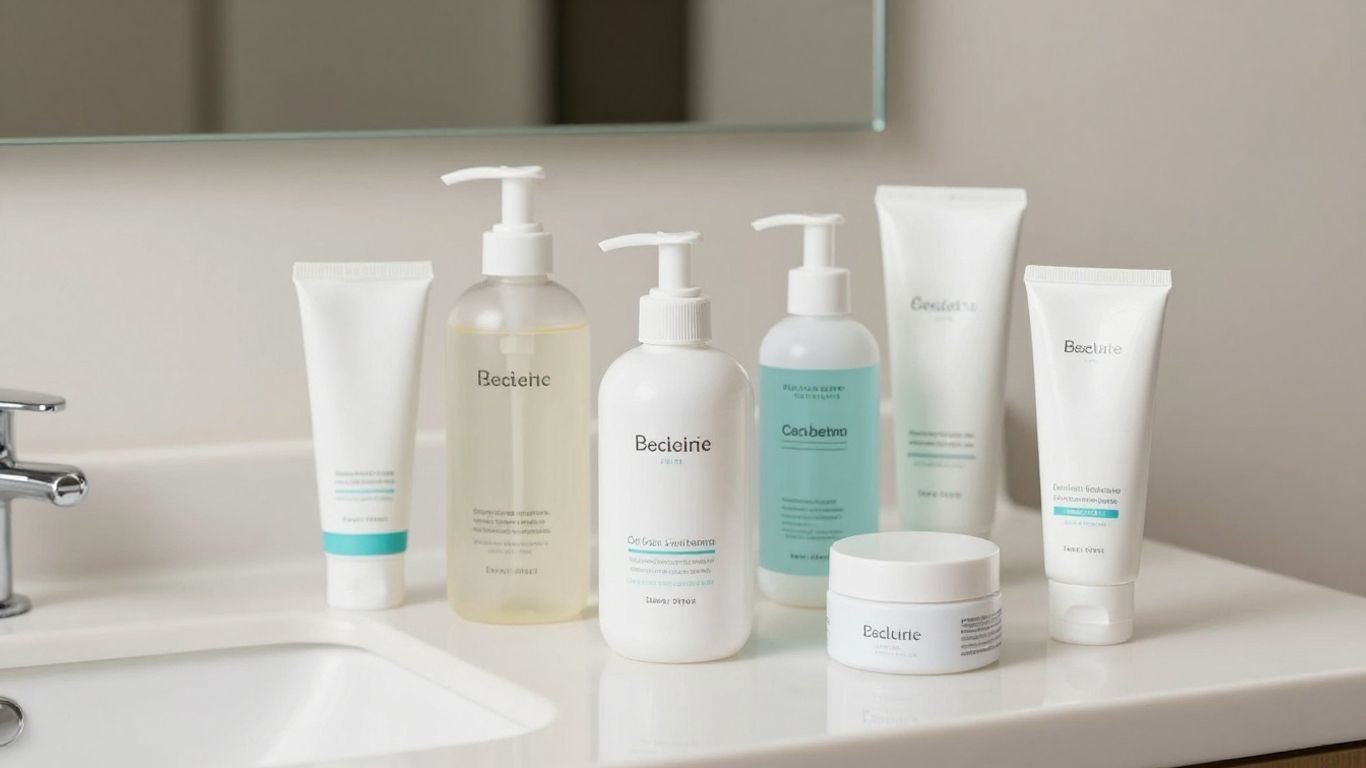
Your individual hydration needs can fluctuate based on hormonal cycles, age, and activity levels. Identifying these shifts allows you to switch between thicker gels or lighter liquids, ensuring that you always have access to the right amount of moisture to facilitate a smooth experience.
Considering ingredient sensitivities and fragrance-free options
Many users prefer fragrance-free and dye-free formulas to reduce the risk of irritation, especially if they have sensitive skin. Reviewing labels to ensure the absence of common irritants helps maintain the health of delicate tissues, promoting a worry-free experience that emphasizes skin-safe components.
Matching lubricant viscosity to your activities
Viscosity refers to the thickness or "flow" of the lubricant, and matching this to your activity is essential for efficiency. A thicker lubricant is often better for sustained activity where a non-drip formula is desired, while a thinner liquid version may be preferred for immediate, light gliding applications.
Proper application and dosage techniques
Achieving the right amount of lubricant ensures that the protective benefits are evenly distributed across the affected area. Proper application goes beyond just using a product; it involves thoughtful preparation that prioritizes comfort and hygiene. Whether using a standard water-based lubricants or a specialized option, consistency is key.
Determining the appropriate amount for optimal comfort
Users should begin with a small, conservative amount rather than applying a large volume immediately. It is much easier to add more as needed than to manage excess, which can sometimes become messy depending on the specific formula's viscosity.
Application methods for consistent coverage
To ensure consistent coverage, follow these steps to manage the application effectively and maintain cleanliness:
- Always wash your hands with warm soap and water before beginning any intimate care routine.
- Dispense a coin-sized amount onto clean fingertips to warm the product slightly before application.
- Apply the lubricant broadly across the contact surfaces to ensure even distribution and reduced friction.
- Reapply small amounts throughout your session if you notice the glide beginning to diminish.
Maintaining hygiene before and during use
Maintaining high standards of cleanliness ensures that you protect your body from potential bacterial introduction. Keeping your hands and any applicators sanitary is a fundamental step in making any personal lubricant a safe, effective tool for your intimate life.
Safety, storage, and shelf-life considerations
Safety starts with recognizing the limitations of your products and the environment in which you keep them. Proper storage does more than just maintain the product's lifespan; it prevents potential contamination that could occur if products are kept in substandard conditions. As you utilize your chosen Arousellube, keeping these guidelines in mind will help preserve the intended quality and effectiveness of the formula.

Reading expiration dates and packaging labels
Every manufacturer prints expiration dates on the packaging to indicate when the formulation is at its peak quality. Ignoring these dates can lead to the use of a product that has lost its effectiveness or has reached a state where the preservatives are no longer functioning as intended.
Best practices for storing K-Y products at home
Storing products in a cool, dry environment is essential to keeping them stable and effective. Avoid leaving containers in areas with extreme temperature fluctuations, such as window sills or near radiators, which can alter the chemical composition over time.
Identifying signs of product degradation or contamination
Performing a visual and sensory check on your lubricant confirms it remains safe for use. Refer to the quality tracking table below for indicators that a product may need to be replaced.
| Observation | Status | Action |
|---|---|---|
| Uniform color and texture | Normal | Safe for use |
| Foul or off-putting odor | Degraded | Dispose immediately |
| Separation of ingredients | Compromised | Stop using immediately |
Compatibility of K-Y lubricants with sexual health products
Ensuring that your chosen lubricant works well with other products is crucial for maintaining both safety and effectiveness during play. Compatibility avoids material degradation, particularly when using synthetic barriers or specialized materials that might react poorly to certain oil-based additives.
Using K-Y products with latex or non-latex condoms
Most high-quality, water-based K-Y formulations are designed to be safe for use with latex condoms, as they do not weaken the material. Always verify the individual product packaging to confirm this compatibility, as it protects against barrier failure and promotes safe intimate interactions.
Interaction with various types of intimate toys and materials
When utilizing delicate materials such as silicone-based toys, opting for water-based formulas is generally recommended to prevent surface damage. Silicone-based lubricants can sometimes chemically interact with silicone toys, causing them to break down, which makes water-based choices the most versatile and reliable option for protecting your gear.
Avoiding conflicts with other personal care products
It is wise to be cautious when layering different products, as some lotions or oils contain ingredients that may alter the pH or performance of your lubricant. Stick to clean, dedicated products to avoid unintended reactions or reduced efficacy during your intimate experience.
Addressing common misconceptions about personal lubricants
Navigating the world of intimate care often involves clearing up common myths that persist in media and traditional discussions. Understanding the history and proper usage scenarios help debunk unnecessary fears and highlight the legitimate benefits of using personal lubricants consistently.
Clarifying the medical history of K-Y Jelly
Originally developed in the early 20th century, the product was intended for clinical and surgical applications due to its neutral and safe profile. Over decades, its transition into a consumer-grade personal item highlights its reliability and the trust users have placed in its formulation for over a century.
Debunking myths regarding lubricant interference with fertility
There is a common misunderstanding about whether all lubricants affect sperm motility during attempts at conception. While some specialized formulas are designed with fertility in mind, most standard lubricants are intended purely for comfort and friction reduction and should be treated accordingly when monitoring your fertile window.
Understanding the difference between personal and clinical usage
Clinical usage often involves specialized requirements for procedures, whereas personal usage focuses on comfort, pleasure, and sensation. Knowing the difference ensures you are using the right product for your specific journey, helping you choose formulas that match your personal needs rather than relying on clinical tools for recreational purposes.
Conclusion
Choosing the right lubricant is an essential step toward prioritizing your comfort and enhancing your overall intimate experience. By considering factors like formula type, ingredient safety, and proper storage, you can confidently select a product that aligns with your lifestyle and needs. Remember to stay informed and prioritize your well-being, ensuring that every intimate moment remains safe, smooth, and enjoyable for everyone involved.
Frequently Asked Questions
Can personal lubricant be used without a partner?
Yes, personal lubricant is an excellent companion for solo activities, helping to reduce friction and increase comfort regardless of whether you are with a partner.
Should I be concerned if my lubricant dries out during use?
It is quite normal for water-based lubricants to dry out eventually as they are absorbed by the skin; you can simply add a small amount of warm water to reactivate the slipperiness.
Does flavor or scent impact lubricant safety?
While many flavored lubricants are safe, it is important to choose options that use food-grade, sugar-free ingredients, as certain sweeteners or additives can irritate sensitive areas.
How often should I check my lubricant for expiration?
Checking once a month or every time you perform a deep clean of your intimate storage space is a good habit to ensure you never use an expired product.
Can I use household items as a substitute for lubricant?
It is strongly advised to avoid household items like petroleum jelly or food oils, as these are not designed for intimate use and may increase the risk of irritation or bacterial growth.
Does lubricant need to be washed off after use?
Yes, it is generally recommended to wash off any remaining lubricant with warm water or mild soap after you are finished to maintain cleanliness and prevent any sticky residue.
Can I experience an allergic reaction to a lubricant?
While rare, allergies are possible, so it is always a smart practice to perform a small patch test on your forearm before using a new product on more sensitive areas of your body.





































































