

Posted by Mike
on August 03, 2026

Key Takeaways
Navigating the market for intimate products requires a clear understanding of ingredients to favor health and comfort. By sticking to evidence-based selections, you can protect your wellbeing while enhancing your private moments.
- Prioritize water-based formulas that mimic natural moisture and maintain healthy pH levels.
- Avoid ingredients like glycerin and parabens which may disrupt delicate bacterial flora.
- Perform a skin patch test with any new product to ensure personal sensitivity compatibility.
- Choose products that feature natural personal lubricants with soothing, organic botanical extracts.
- Verify third-party testing credentials to ensure the product meets safety and quality standards.
Understanding toxicity in personal lubricants
Selecting a clean, non-toxic personal lubricant is a proactive step toward maintaining your overall health and comfort. Because the area where these products are applied is highly permeable, the quality of what you utilize matters immensely. Many standard lubricants contain additives that may cause irritation over the long term, so informed choices become essential for a gentle, effective experience.
Why the vaginal environment matters
The vaginal flora is a delicate ecosystem that relies on a specific pH balance to prevent irritation. Introducing substances with incorrect acidity levels can shift this balance, potentially leading to bacterial imbalances or discomfort. Choosing products that explicitly support intimate wellness ensures you are not inadvertently disrupting your body's natural baseline.
External versus internal absorption risks
When applying lubricants, it is important to remember that the tissues in intimate regions are mucous membranes. These tissues are exceptionally absorbent, and substances applied here enter your system differently than those applied to intact, non-mucosal skin. This makes it vital to opt for non-toxic lubricants that are formulated without harsh chemical solvents or synthetic penetration enhancers.
When to consult a healthcare provider
If you consistently experience redness, stinging, or unusual irritation after using any product, it is time to reassess your routine. A healthcare provider can offer guidance based on your specific medical history and sensitivity profile. Seeking professional advice is especially prudent if you have a history of frequent infections or autoimmune responses to topical ingredients.
Key ingredients to look for in safe formulas
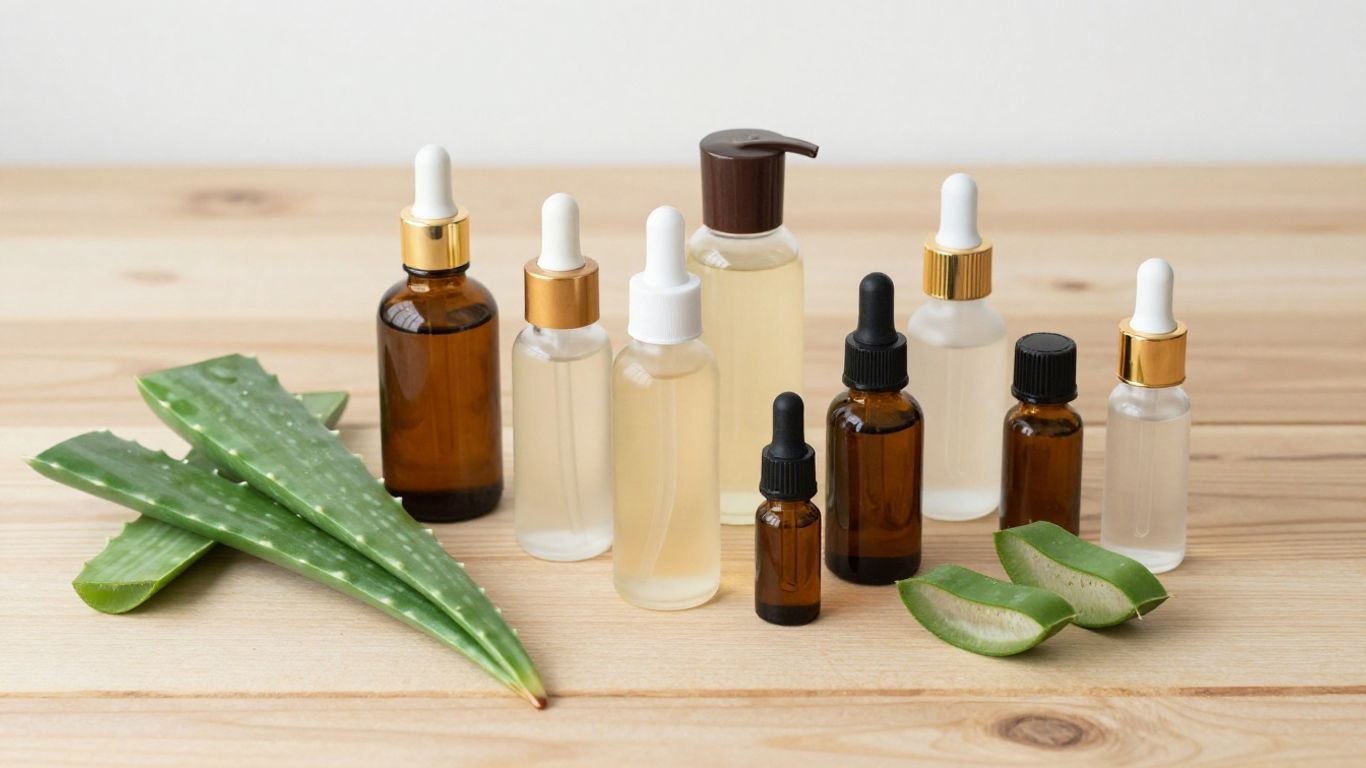
Finding the right ingredients is the cornerstone of protecting sensitive tissues while improving glide during intimacy. Utilizing plant-derived ingredients often results in a better experience, as these materials are less likely to contain harsh chemical drying agents. High-quality formulas often lean on properties like moisture retention and rapid absorption to offer a comfortable sensation that works with, rather than against, your biology.
Benefits of hyaluronic acid in lube
Hyaluronic acid is a superstar in high-end skincare, and it serves an equally valuable role as a moisture-retaining agent in lubricants. When included in your intimate routine, it helps keep delicate tissues feeling hydrated rather than dried out during use. This ingredient creates a smooth, slick consistency that feels much closer to natural body chemistry than synthetic chemical substitutes.
The role of natural humectants like aloe vera
For those who need a soothing option, Arousellube features aloe vera as a key component for moisture and comfort. Aloe acts as a natural humectant, meaning it draws in and retains water, providing a cooling effect that is notoriously gentle on reactive or stressed skin. This makes it a preferred choice for individuals looking to maximize sensation while maintaining a focus on plant-derived comfort.
Choosing food-grade organic plant oils
Choosing food-grade plant oils ensures that the ingredients hitting your internal tissues are as safe as items you might cook with. These oils provide a long-lasting, natural glide without the chemical residues of petroleum-based products. Because these oils are typically free from synthetic fillers, they are often tolerated by individuals who react poorly to more complex, laboratory-synthesized chemical compounds appearing in conventional products.
Common harmful chemicals to avoid
Steering clear of standard "convenience" ingredients is often the most significant upgrade you can make to your intimate care habits. Many mass-market lubricants use synthetic preservatives and chemical humectants that prioritize shelf-life over tissue health. It is wise to review the label for ingredients known to cause cellular dryness or inflammation before deciding on a product for regular use.
The impact of parabens and synthetic preservatives
Parabens are frequently used to prevent microbial growth in personal products, yet they have raised health concerns due to potential long-term endocrine activity. Opting for formulas that omit these chemicals aligns with a cleaner approach to intimate wellness. Instead, look for brands that focus on body-safe ingredients and natural stabilizers that do not rely on these controversial preservatives.
Glycerin and its link to yeast infections
Many conventional lubricants rely on glycerin or other sugar-based alcohols to provide texture and sweetness. Unfortunately, for some people, these compounds act as fuel for fungal overgrowth, potentially serving as a trigger for recurrent yeast infections. Opting for glycerin-free lubricants allows you to avoid this risk entirely, supporting the maintenance of your vaginal microbiome.
Avoiding artificial fragrances and artificial flavors
Artificial scents might make a product smell pleasant initially, but they are common culprits in contact dermatitis and mucosal irritation. Fragrance chemicals often contain hidden phthalates and other stabilizers that the skin and internal tissues may find deeply offensive. When you prioritize pH-balanced formulas that are clean and unscented, you skip the chemical additives that serve no function other than changing the aroma.
Propylene glycol and potential irritation
Propylene glycol is a common thinner and humectant that is unfortunately associated with irritation and stinging in sensitive users. If you have ever experienced a burning sensation during use, propylene glycol is often the ingredient to blame for the reaction. It is much safer to look for 9 best natural and organic lube brands that substitute this synthetic for safer, more skin-friendly moisture-retention agents.
| Ingredient Category | Preferred Option | Avoid If Possible |
|---|---|---|
| Humectant | Aloe vera or Hyaluronic acid | Glycerin |
| Preservatives | Food-grade salts or oils | Parabens |
| Base Solvent | Water or Plant-based oil | Propylene glycol |
Selecting the right product involves understanding these distinct categories, as shown above. Making the switch to cleaner alternatives helps you ensure long-lasting intimacy comfort without worrying about common synthetic sensitizers.
Evaluating water-based versus silicone-based options

Choosing the right base for your lubricant depends heavily on your lifestyle and your specific intimate needs. Each type offers a unique set of pros and cons regarding texture, clean-up, and longevity. Water-based options are favored by many for their ease of use, while silicone lubricants offer a different sensation altogether.
Pros and cons of water-based lubricants
Water-based feminine lubricants are easily washed away, are typically compatible with most materials, and feel the most realistic to human sensations. They do, however, tend to dry out a bit faster than oils, requiring more frequent application. This is generally considered a fair trade-off for the ability to use a product that is easily rinsed off with plain water.
Silicone-based safety profiles and usage limitations
Silicone lubricants are known for their incredibly slick, long-lasting surface feel; they do not dry out during play. However, silicone is not "natural" in the sense that it is a synthetic polymer that is not easily integrated with certain materials like silicone-based sex toys. If you choose silicone, be sure it is high-grade and intended for internal use, though many who prioritize "natural" standards avoid this category entirely.
Compatibility with sex toys and condoms
When choosing, consider these compatibility factors:
- Water-based lubricants are safe for almost all rubber and toy materials.
- Arousellube acts as a perfect water-soluble choice for toy safety.
- Silicone lubricants are unsuitable for silicone sex toys as they degrade the surface.
- Always check if your lubricant is condom-compatible before combining activities.
Ensuring compatibility is key to protecting your expensive toys and preventing accidental condom degradation during use.
Assessing certifications and third-party testing
Navigating labels can be confusing, but certain certifications act as a signal of trust and ingredient safety. Products that undergo verification by external laboratories are held to higher transparency standards. If you are serious about clean choices, look for packaging that clearly labels the origin and testing history of its contents.
Organic labeling requirements explained
Terminology like "natural" can be loosely defined, but "certified organic" implies a strict set of agricultural and processing standards. If a brand carries a third-party organic certification, it means their supply chain for plant ingredients is monitored. This prevents the inclusion of unwanted pesticides or chemical contaminants that could detract from the quality of the personal lubricants you choose.
Understanding PH-balanced claims
Your lubricant should mimic the natural environment of the area where it is used to avoid disruptive outcomes. A genuinely pH-balanced formula will keep the product in the slightly acidic range necessary for vaginal health. This small detail is a massive indicator that a company has put the effort into researching the chemistry behind their products.
The importance of hypoallergenic testing
Hypoallergenic testing ensures that a product has been cleared of the most common allergens known to cause skin reactions. Even if ingredients are "natural," it is possible for a specific body to react to a botanical-derived substance. Testing provides a buffer of security that the end user is much less likely to experience a negative reaction once usage begins.
Tips for testing new products for personal sensitivity
Even when you choose the highest-quality, most natural product, testing it on your own skin is a smart foundational practice. Your skin is unique and may interact differently with botanical ingredients than someone else's. Taking a moment to assess the product before full use can save you from potential discomfort.
How to perform a skin patch test
Apply a tiny amount of the lubricant to the inner forearm or behind the ear, places where the skin is thin. Allow it to sit for at least 30 minutes, or even a few hours, to see how your skin reacts. If there is no itching, redness, or burning, you can be fairly confident that the product will be safe for more sensitive areas.
Monitoring for signs of allergic reactions
Keep an eye out for delayed reactions that might appear after applying the lubricant during more active sessions. Symptoms of an allergic response can sometimes manifest as localized swelling, an intense heat sensation, or a persistent itchy rash. If you notice any of these, discontinue use immediately and flush the area with cool water.
Developing a routine for product rotation
Using the same product indefinitely can sometimes build up sensitivity, especially if the lubricant contains even mild preservatives. Many experts recommend rotating between two different water and herb-based sex lubes if you find yourself using one frequently. This approach keeps your tissues from being overloaded by one specific ingredient profile, effectively keeping things fresh and functional.
Conclusion
Prioritizing your intimate health by selecting a high-quality, non-toxic personal lubricant is a simple but transformative choice for your overall wellbeing. By focusing on biocompatible ingredients like aloe and hyaluronic acid while leaving behind harsh synthetic fillers, you support your body's natural functions. When you take the time to test your products and research your options, you build a sustainable routine that turns intimate activities into safer, more pleasurable, and genuinely comfortable experiences.
Frequently Asked Questions
Can I use household items as a lubricant?
While some household items are occasionally used, many (like soaps or unrefined oils) lack the necessary pH balance for safe intimate use. It is far better to rely on products explicitly engineered for this purpose.
Why does some lube cause a burning sensation?
Burning is usually a signal of irritation, often triggered by ingredients like propylene glycol, synthetic fragrances, or an imbalanced pH. Never attempt to push through the pain if you notice these symptoms.
Are all natural lubes edible?
Not necessarily, as many "natural" ingredients may be chosen for their effect on skin rather than digestion. Always verify if a product is explicitly labeled as food-safe if you intend to use it during oral intimacy.
Does organic certification matter for lubricants?
Organic labels provide a layer of assurance that the raw ingredients are grown without harmful pesticides, reducing your exposure to agricultural chemicals. It is a helpful tag for those auditing their ingredients.
How often should I perform a patch test?
It is wise to patch test any time you change brands or try a new formula for the first time. Even if you have used other products from a company before, each formula is biochemically individual.
Can lubricant use prevent infection?
Lubricant itself does not prevent infection in a medical sense, but choosing a clean, pH-balanced product avoids disrupting the microbiome. Proper choices can keep the area protected against irritation that might otherwise lead to issues.
What makes a lubricant water-soluble?
Water-soluble lubricants are formulated primarily with water and water-based humectants, making them easy to wash off. These products are usually safer for use with sex toys and condoms compared to thick, sticky oil-based products.





































































