

Posted by Mike
on August 28, 2026

Key Takeaways
The best water based personal lubricant is the one that fits your body, activity, and preferred feel. A thoughtful choice starts with the formula, then considers compatibility and everyday usability.
- Look for a formula whose texture suits the activity and the amount of friction involved.
- Check pH, osmolality, and ingredients if you have sensitive tissue or recurring irritation.
- Water-based lubricants are generally versatile with condoms and most sex toys.
- Reapply when the formula begins to feel tacky or dry rather than pushing through discomfort.
- Store the bottle properly and stop using it if burning, swelling, or persistent irritation develops.
Understand what makes a water-based lubricant effective
Water-based lubricant uses water as its primary medium, creating a slippery layer between skin and other surfaces. The formula may also include ingredients that improve glide, hold moisture, or adjust thickness. Because the water eventually evaporates or is absorbed, the feel can change during use. That balance between freshness, slipperiness, and reapplication is central to choosing well.
How water-based formulas work
A water-based formula spreads easily across skin and mucosal tissue, reducing the drag that can make intimate contact uncomfortable. Its viscosity depends on the blend of water, gelling agents, humectants, and other supporting ingredients. Some formulas feel almost weightless, while others provide a more cushioned glide. The label can tell you much about the intended experience, but a small personal trial is still useful.
Rather than assuming that a longer ingredient list means better performance, consider whether the product feels smooth without stinging or leaving an unpleasant film. A formula that works well should support comfort without distracting from intimacy. For a broader comparison of bases, textures, and intended uses, this personal lubricant buying guide offers another useful reference point.
Benefits for comfort, cleanup, and versatility
Water-based lubricants are popular because they rinse away relatively easily and usually leave less persistent residue than oil-based products. They can be practical for vaginal, external, and solo use, and many are suitable for use with condoms and toys. They are also easy to add gradually: start with a little, assess the feel, and apply more as needed.
The right product should feel like one of your intimate essentials rather than another complication. A natural, edible water-based option such as ArouselLube may appeal to people who value plant-derived comfort and a formula designed to enhance pleasure, provided its ingredients and labeling suit their own needs.
Common drawbacks, including drying and reapplication
The main limitation is that water-based lubricant can lose slipperiness as moisture evaporates. A formula may become tacky, especially during longer sessions or in a warm environment. That does not necessarily mean it is unsafe, but it can make friction return sooner than expected. Adding a little more lubricant, or a few drops of water when the product’s instructions allow it, may restore a smoother feel.
Some people also react to particular preservatives, fragrances, flavors, or botanical ingredients. If a product repeatedly dries quickly, pills, or feels sticky, try a different viscosity instead of applying larger amounts automatically. Comfort is the practical test: smooth movement matters more than marketing language.
Compare the ingredients that matter most
The ingredient list is worth reading, especially if you have sensitive skin, a history of irritation, or frequent vaginal discomfort. Ingredients influence moisture retention, texture, scent, flavor, and how a lubricant interacts with the body. Marketing terms such as “natural” or “clean” do not replace checking the actual label. A shorter list can be easier to evaluate, but it is not automatically right for everyone.
Humectants for longer-lasting moisture
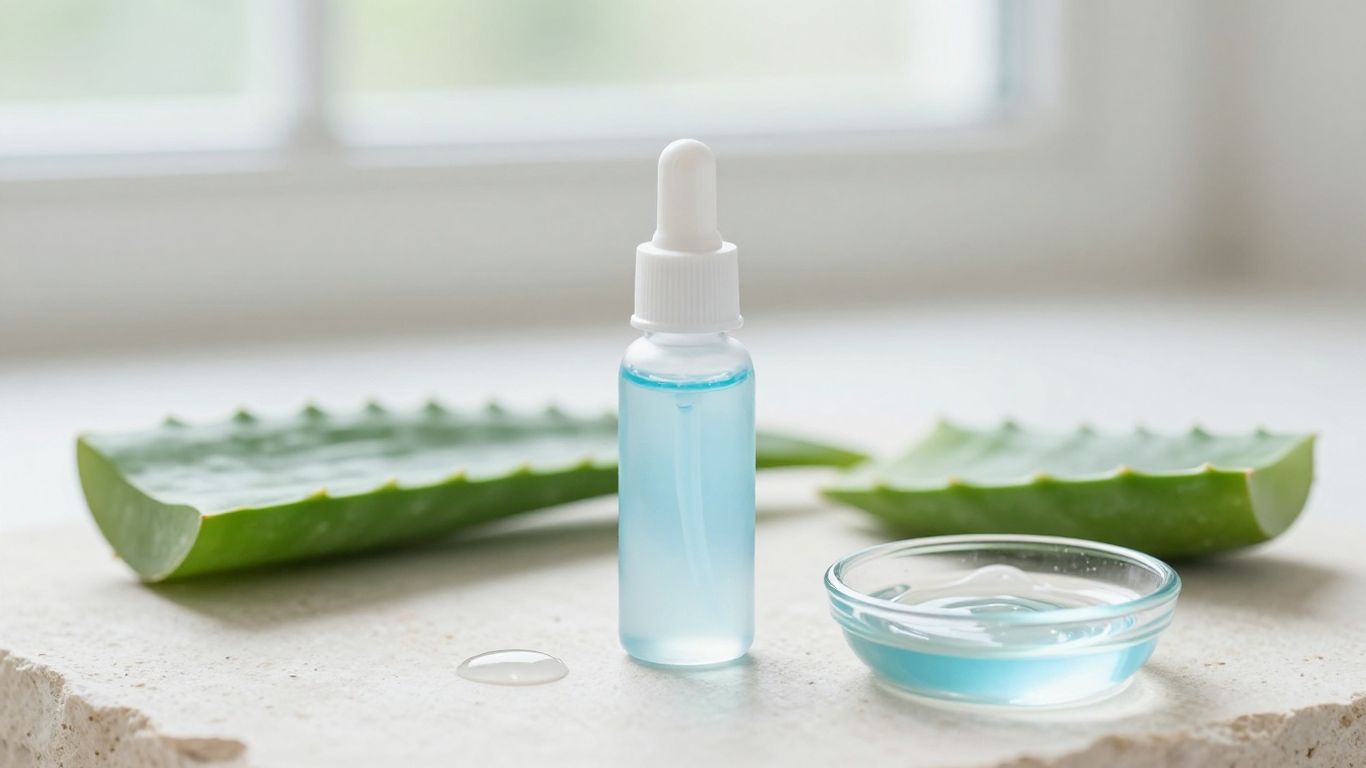
Humectants attract and hold water, which can help a water-based lubricant remain comfortable for longer. Common examples include glycerin, propylene glycol, and certain sugar-derived ingredients, though tolerance varies widely. A humectant can improve the initial feel without guaranteeing that a product will last through every activity. Texture, humidity, friction, and the amount applied all make a difference.
Use the following as a starting framework rather than a promise about performance:
| Ingredient role | What it may contribute | What to consider |
|---|---|---|
| Humectant | Helps retain moisture | Some people may find certain humectants irritating |
| Gelling agent | Creates a thicker or more cushioned feel | Too much can make a formula tacky |
| Preservative | Helps keep the product stable after opening | Sensitive users may prefer a simpler formula |
| Botanical ingredient | May add a soothing or sensory dimension | Natural does not mean universally tolerated |
The best choice depends on how your body responds over time. If a product feels comfortable at first but causes repeated irritation later, the full formula—not just one headline ingredient—deserves attention.
pH and osmolality considerations
pH describes how acidic or alkaline a product is, while osmolality describes the concentration of dissolved substances in a solution. These factors can matter when lubricant is used internally because tissue has its own chemical environment. A product that is pH-balanced for one use is not automatically ideal for every body area, so follow the label and consider professional advice if you have ongoing symptoms.
A science-focused pH and osmolality guide can help explain why these measures deserve more attention than a simple “natural” claim. They are useful screening points, not a substitute for listening to your body. Burning, unusual discharge, persistent soreness, or pain warrants stopping the product and seeking medical guidance.
Ingredients sensitive users may want to avoid
People with sensitive tissue often begin by limiting unnecessary fragrance, flavor, warming agents, and strong sensory additives. Some also choose to avoid glycerin or particular preservatives because they have noticed irritation after using them. That is a personal response, not a universal rule, and an ingredient that suits one person may not suit another.
Read the package before purchase and keep the first trial simple. Products described as vegan, cruelty-free, or third-party tested may align with your values, but those labels still need to be considered alongside the complete ingredient list and your own history.
Choose the best lubricant for your needs
There is no single formula that feels ideal for every situation. Vaginal use, external touch, anal sex, oral sex, and toy play can each call for a different thickness or reapplication rhythm. Your preferences matter just as much as the activity: some people want a barely-there gel, while others prefer a dense cushion. Start with the use case, then narrow the choice by ingredients and sensation.
Everyday vaginal and external use
For everyday vaginal or external use, a light-to-medium gel is often a practical starting point. Look for a formula that spreads without excessive dripping and that feels comfortable on repeated contact. If dryness is persistent, lubricant can improve comfort, but recurring pain or dryness may have an underlying cause that deserves a clinician’s attention.
A pH-conscious, fragrance-free option may be especially appealing when the product will be used internally. The word “natural” alone is not enough to predict tolerance; the formula should feel calm and unobtrusive from the first application.
Anal sex and higher-friction activities
Anal tissue does not self-lubricate in the same way as vaginal tissue, so generous application and timely reapplication are particularly important. A thicker water-based gel can provide more cushioning and may be easier to keep in place than a very fluid formula. Move slowly, communicate clearly, and add more lubricant before friction becomes uncomfortable.
Do not treat lubricant as protection from injury. Pain, bleeding, or sharp discomfort is a reason to pause. A water-based product can be a convenient choice for cleanup and condom compatibility, but technique and consent remain just as important as the formula.
Oral sex, sensitive skin, and fragrance preferences
For oral sex, choose a product specifically labeled for that use and check whether it is flavored or edible. Flavors and sweeteners can be enjoyable for some people but irritating for others, particularly when used internally. If your skin is reactive, a fragrance-free formula with fewer sensory additives may be the more comfortable direction.
Arousellube describes its products as water-based and edible, with natural ingredients intended to enhance pleasure and intimacy. That positioning may suit people seeking a sensory option, but personal tolerance still comes first; stop using any formula that causes discomfort.
Check compatibility with condoms and sex toys
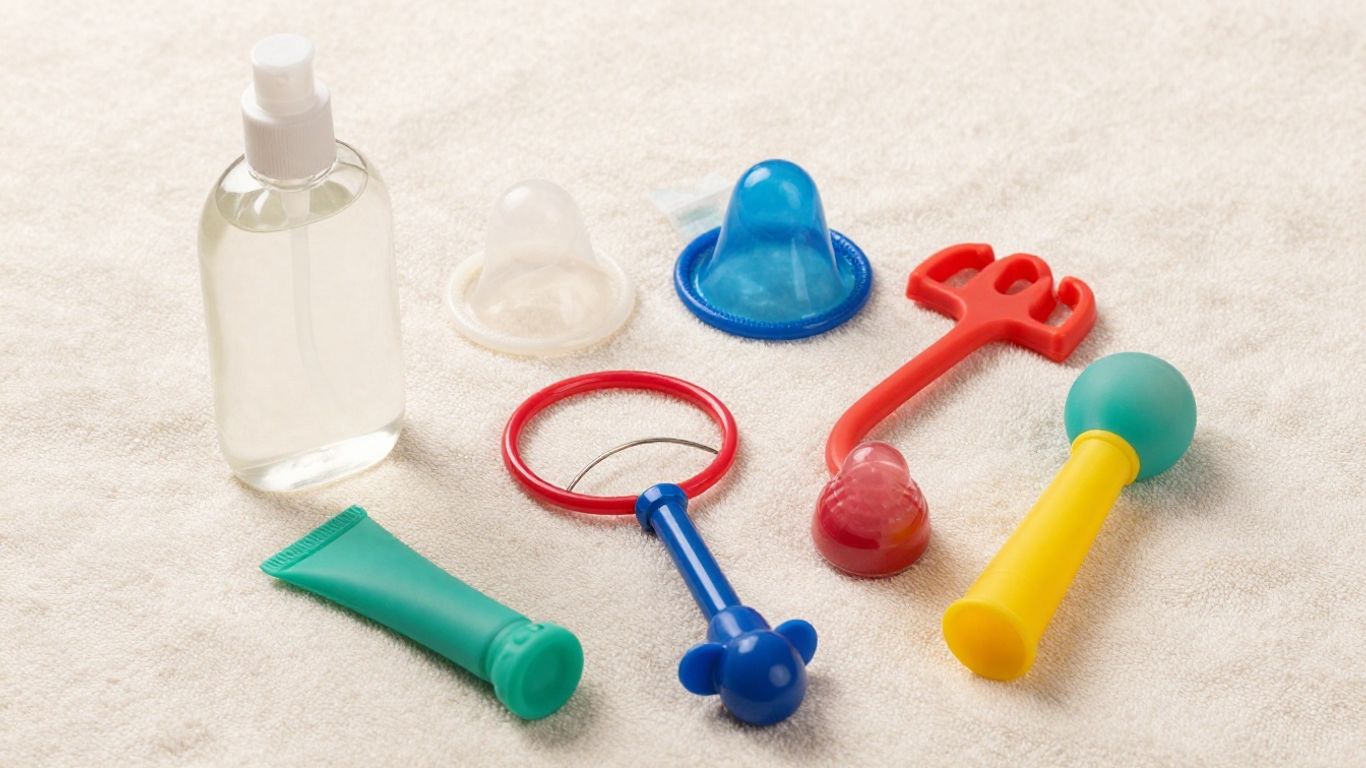
Compatibility is easy to overlook when the texture feels good. Before using a lubricant with a condom or toy, check the package for material guidance and any restrictions. Water-based formulas are often a flexible starting point, but “water-based” does not make every product identical. Added ingredients and the toy’s material can still affect the decision.
Compatibility with latex and synthetic condoms
Water-based lubricants are generally compatible with latex condoms, and many are also designed for use with synthetic condom materials. Still, the condom and lubricant labels should be read together. Avoid assuming that an unfamiliar blend is suitable simply because its base is water; follow the manufacturer’s instructions and use a new condom if the package is damaged or compromised.
Lubricant reduces friction, but it does not prevent sexually transmitted infections or pregnancy on its own. Use the barrier method correctly and choose additional protection according to your circumstances.
Why water-based formulas suit most sex toys
Water-based lubricant is commonly chosen for toys because it is less likely to affect materials than oil-based products. It can be used with many silicone, glass, and metal toys, although the toy maker’s care instructions should take priority. With a porous or unusually finished material, extra caution is sensible.
Clean the toy according to its instructions after use, and do not share it without cleaning or using a fresh barrier. If a formula becomes difficult to rinse from a toy, a smaller amount or a lighter texture may work better next time.
When to avoid added oils, silicones, and harsh additives
Added oils can weaken latex, so oil-based products should not be paired with latex condoms. Silicone ingredients may also be unsuitable for some silicone toys, depending on the material and manufacturer’s guidance. Harsh sensory additives, strong fragrances, and warming agents may be poor choices for people prone to irritation.
The same careful comparison used for All City Bathroom Remodeling—matching materials, layout, and practical requirements to the project—has a simple parallel here: match the lubricant to the condom or toy rather than choosing by texture alone. The comparison is about method, not about treating intimate products like construction materials.
Evaluate texture, staying power, and cleanup
Texture is not a minor detail. It determines how quickly a lubricant spreads, whether it stays where you apply it, and how much you notice it during intimacy. A product that feels silky in a short trial may need frequent reapplication during extended activity. The most useful review is the one you make in the setting where you actually plan to use it.
Lightweight gels versus thicker formulas
Lightweight gels tend to spread quickly and can feel discreet on skin. They may suit everyday use, external touch, or people who dislike a heavy coating. Thicker formulas often provide more cushioning and staying power, which can be helpful for higher-friction activity or when reapplication is inconvenient.
Neither texture is automatically superior. A thin gel may be more comfortable for one person, while another may prefer a denser formula that remains in place. If you are comparing several options, this water-based lubricant guide can help organize questions about texture, ingredients, and cleanup.
How to reduce stickiness and excessive drying
Stickiness often appears as water evaporates or when a formula contains a high concentration of certain thickening or moisture-binding ingredients. Apply enough to create a continuous slippery layer, but not so much that the product becomes difficult to control. Reapplying earlier usually feels better than waiting until friction has returned fully.
Keep a small amount within reach, and follow the product directions before adding water. If several formulas feel tacky, try a different viscosity or a shorter ingredient list. A different product may solve the problem more effectively than changing your technique.
Choosing packaging, applicators, and travel sizes
Packaging affects hygiene and convenience. A pump can make one-handed application easier, while a squeeze bottle may be better for controlling a very small amount. A travel size is useful for portability, provided the cap seals well and the product is not left in excessive heat.
Check whether the bottle can be closed cleanly after each use and whether the expiration date remains visible. Even practical details such as these can shape whether a lubricant becomes a reliable part of your routine. The broader principle—matching tools to user needs—also appears in this online course platform guide, though the products themselves serve entirely different purposes.
Use personal lubricant safely and comfortably
Safe use is mostly a matter of paying attention before, during, and after intimacy. Lubricant should reduce friction, not mask pain or pressure you to continue. Read the label, communicate with partners, and keep the product accessible so reapplication does not become an interruption. If symptoms continue after stopping a product, seek qualified medical advice.
How much to apply and when to reapply
Begin with a modest amount and spread it over the areas that will experience friction. Add more when the surface no longer feels slippery, when the product becomes tacky, or whenever comfort decreases. Higher-friction activity generally calls for more lubricant than brief external contact, and a thicker formula may require less frequent reapplication.
There is no universal “correct” amount. Let sensation guide you, and keep additional product nearby rather than trying to make a small amount last too long. Lubricant is an aid to comfort, not something to ration at the expense of ease.
Patch testing and recognizing irritation
For a new formula, place a small amount on an external area of skin first and wait to see how it feels. This cannot predict every internal reaction, but it may reveal sensitivity to fragrance, flavor, or a particular botanical ingredient. Never apply a product to broken or already irritated skin unless a healthcare professional has advised it.
Watch for burning, itching, swelling, rash, unusual discharge, or pain. Rinse gently if appropriate, stop using the product, and seek medical care if symptoms are severe, persistent, or concerning. Arousellube emphasizes body-safe ingredients and third-party tested formulations, but individual reactions can still occur with any personal-care product.
Storage, expiration, and hygiene best practices
Keep lubricant sealed, away from direct sunlight and excessive heat, and use it before the printed expiration date. Do not dilute the bottle unless the instructions specifically permit it, since changing the formula can affect its stability. Wipe the nozzle or cap if product collects there, and avoid touching the opening to skin or other surfaces.
A clean bottle and clean hands help reduce contamination. If the color, odor, or texture changes unexpectedly, discard the product. The same attention to dependable maintenance that matters when choosing hearing aids is useful here too, even though the care routines are obviously different.
Conclusion
Choosing the best water based personal lubricant comes down to matching ingredients, texture, compatibility, and intended use with your own comfort. Read beyond the front label, start with a small amount, reapply before friction returns, and treat irritation as a reason to stop rather than push through. A thoughtful water-based formula can be a simple, versatile addition to intimate care.
Frequently Asked Questions
Is water-based lubricant safe with condoms?
Many water-based lubricants are compatible with latex and synthetic condoms, but check both labels before use. The specific formula and condom material still matter.
Can water-based lubricant be used with sex toys?
Water-based lubricant is commonly suitable for many sex toys, including silicone, glass, and metal, but follow the toy manufacturer’s care and material guidance.
Why does water-based lubricant become sticky?
Water can evaporate during use, leaving the formula more concentrated and tacky. Reapplying, adding water only when the instructions allow it, or choosing another texture may help.
What ingredients should sensitive users avoid?
Some sensitive users prefer to avoid fragrance, flavor, warming agents, and ingredients they have previously found irritating. Review the full ingredient list rather than relying on broad marketing terms.
Is pH-balanced lubricant better?
A pH-conscious formula may be helpful for internal use, but pH is only one part of product suitability. Your symptoms, the intended body area, and the complete formula also matter.
Can lubricant treat vaginal dryness or pain?
Lubricant can reduce friction and improve comfort during intimacy, but it does not diagnose or treat the cause of persistent dryness or pain. Ongoing symptoms should be discussed with a healthcare professional.
How should personal lubricant be stored?
Store it sealed in a cool, dry place away from direct sunlight and use it before the expiration date. Discard it if its smell, color, or texture changes unexpectedly.