

Posted by Mike
on September 04, 2026

Key Takeaways
An edible lubricant can make oral sex more comfortable and add flavor, but “edible” is not a substitute for reading the label. Choose a formula that fits your body, condoms, toys, and intended use.
- Check the full ingredient list rather than relying on flavor or marketing language.
- Water-based formulas are usually versatile and easier to clean.
- Sugar, fragrance, dyes, and warming ingredients may irritate some people.
- Confirm condom and sex-toy compatibility before use.
- Stop using a product if it causes burning, itching, swelling, or unusual discomfort.
What edible lubricant is and how it works
Edible lubricant is a personal lubricant made for intimate contact and oral use, often with added flavor. It can reduce friction while making oral sex taste or feel different from an unflavored product. The word “edible,” however, deserves a closer look: it describes an intended use, not a guarantee that every body will tolerate every ingredient. A useful edible lubricant guide can help you compare intended use, ingredients, and compatibility before buying.
How edible lubricants differ from regular lubricants
Regular lubricants are generally designed to reduce friction during sexual activity, while edible formulas are additionally made with oral contact in mind. Some are pleasant to taste; others are merely formulated without ingredients that the manufacturer expects to be unsuitable for ingestion. Neither category automatically works for every kind of sex, so check whether the label discusses oral, vaginal, or anal use separately.
A flavored product may also prioritize taste over long-lasting slipperiness. That is not necessarily a problem during oral sex, where small applications can be practical, but it may be less convenient for extended penetrative activity.
Common flavors, textures, and sweeteners
Fruit, vanilla, chocolate, mint, and dessert-style flavors are common. The flavor should be mild enough that it does not overwhelm the experience, and the texture should feel smooth rather than sticky. Sweetness can come from sugar, glycerin, sugar alcohols, or other sweeteners, so taste alone tells you very little about the formula.
If you are sensitive to strong flavors, start with a lightly flavored or unscented option. A product that seems exciting in the bottle may feel distracting on skin or leave an aftertaste during a longer encounter.
Water-based, oil-based, and hybrid formulas
Water-based edible lubricants are often a practical starting point because they rinse away easily and tend to work with many condoms and toys. Oil-based formulas can feel rich and longer-lasting, but they require more careful compatibility checks. Hybrid products combine different bases, so the label matters more than the word “hybrid.”
| Formula | Typical feel | Main consideration |
|---|---|---|
| Water-based | Light and easy to rinse | May need reapplication |
| Oil-based | Rich and long-lasting | May damage latex |
| Hybrid | Varies by ingredients | Check the complete label |
The table is only a starting point. The specific ingredients, preservatives, intended-use statement, and condom guidance should decide whether a product suits your plans.
What “edible” means on a product label
“Edible” generally suggests that the formula is intended for oral contact, but it does not mean the product is regulated exactly like food. Review the ingredients, directions, warnings, and intended-use language. Food-safe ingredients can still cause contact irritation, allergies, or digestive discomfort for some people.
For a useful second perspective on label language, read this ingredient-list guidance and treat the ingredient panel as more informative than a front-label flavor claim. Arousellube is described as an edible, toy-safe, pH-balanced lubricant designed for oral sex, but individual tolerance still matters.
How to choose a safe edible lubricant
Choosing an edible lubricant is less about finding the most colorful bottle and more about matching the formula to your body. Look for a complete ingredient list, clear directions, and a base that works with your condoms and toys. If you have recurring irritation or a known allergy, simpler formulas are often easier to evaluate.
Ingredients to look for and avoid
A short, transparent ingredient list can make a new product easier to assess. Some people prefer plant-derived ingredients, while others focus on avoiding particular sweeteners, preservatives, fragrances, or dyes. “Natural” is not a guarantee of comfort; botanical ingredients can also trigger sensitivity.
When comparing labels, pay attention to these practical questions:
- Is the complete ingredient list easy to find?
- Does the product clearly state whether it is water-based or oil-based?
- Does it identify oral use and any restrictions?
- Are allergens, fragrances, or warming agents disclosed?
These checks do not replace medical advice, but they make it easier to connect a reaction with a particular formula. They also help you avoid buying based on flavor alone.
Sugar, glycerin, and irritation concerns
Sugar can leave a sticky residue and may be uncomfortable for some users. Glycerin provides sweetness and slip in many formulas, yet some people choose to avoid it because they associate it with irritation or repeated vaginal discomfort. Evidence and individual responses vary, so consider your own history rather than assuming one ingredient affects everyone identically.
If a product repeatedly causes discomfort, do not keep using it simply because the flavor is appealing. A glycerin-free or less sweet formula may be worth discussing with a clinician if irritation continues.
Fragrances, dyes, and warming ingredients
Fragrance and color can make a product more attractive, but they also add ingredients that sensitive skin may not need. Warming, cooling, tingling, and numbing sensations can feel intense, particularly on delicate tissue. They are best treated as optional features rather than signs of quality.
Start with a plain or gently flavored product if you are prone to reactions. A well-tolerated formula that feels neutral is usually more useful than one that creates a dramatic sensation but leaves you uncomfortable afterward.
Reading labels for allergens and sensitivities
Read the label before opening the bottle, especially if you have food, botanical, or fragrance allergies. Compare the ingredients with products you already tolerate, and do not assume that a familiar flavor uses only one simple ingredient. If the label is incomplete or the intended use is unclear, choose a product with better documentation.
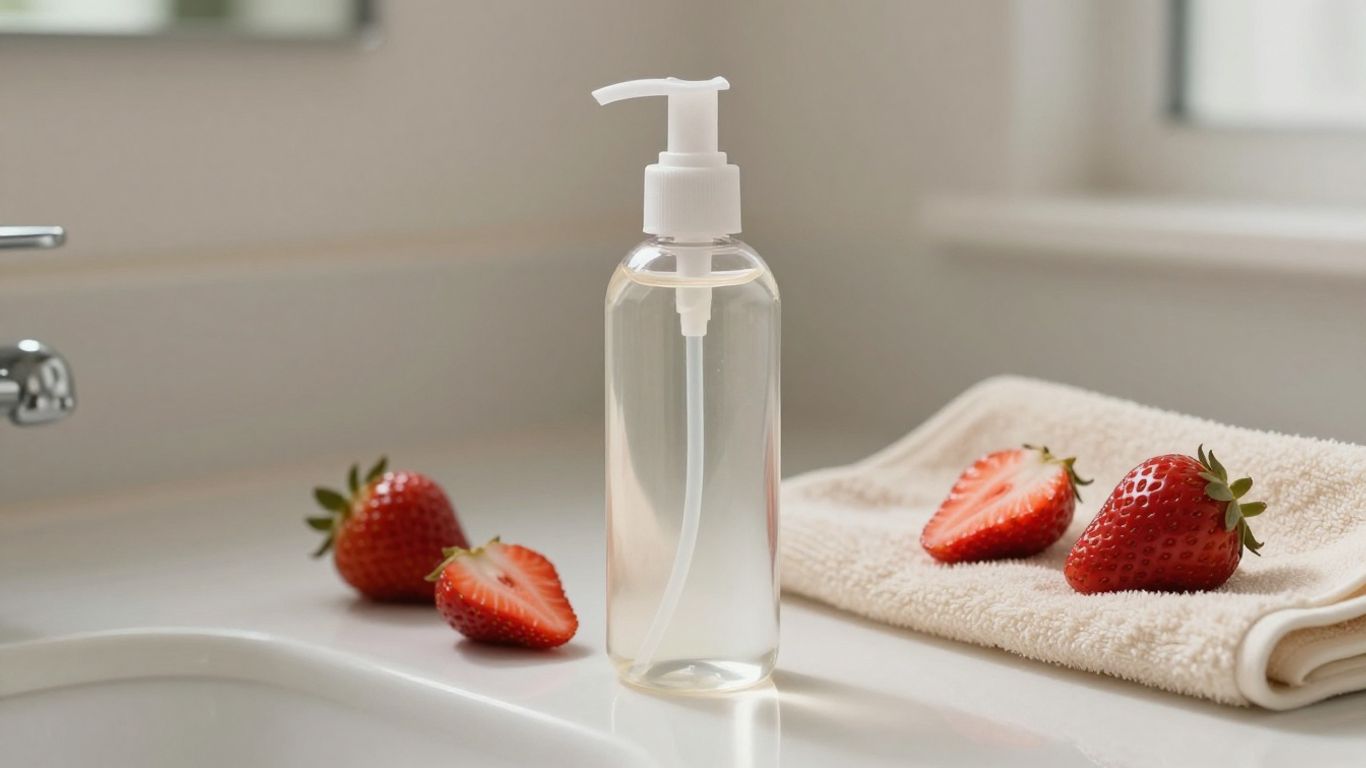
Arousellube’s Edible Water-Based Lubricant is described as 100% natural, strawberry-flavored, body-safe, dermatologist-tested, plant-based, pH-balanced, and compatible with toys and latex condoms. Those documented details can help with comparison, but they do not remove the need to notice how your own skin responds.
Edible lubricant and sexual health
An edible lubricant can support comfort, but it is not a treatment for dryness, infection, pain, or a sexually transmitted infection. Oral contact and penetrative sex can involve different tissues and different compatibility needs. A formula that feels pleasant in the mouth may still irritate genital tissue. Use the product according to its label and pay attention to your body.
When edible lubricant may cause irritation
Burning, itching, redness, swelling, soreness, or a rash can indicate irritation or an allergic reaction. Strong flavoring, fragrance, dyes, sweeteners, preservatives, and warming agents are possible triggers, although the cause is not always obvious. Friction, saliva, condoms, and other products used at the same time can also contribute.
Rinse gently with water and stop using the product if symptoms appear. Avoid adding more products to cover the discomfort, since that can make the cause harder to identify.
How to reduce the risk of infections
Good hygiene helps, but it cannot make every formula suitable for every kind of intimacy. Avoid transferring a product from one body opening to another without cleaning hands, toys, or barriers. Do not share a bottle in a way that allows the nozzle to touch skin, fluids, or surfaces.
If you are prone to yeast infections, bacterial vaginosis, or recurring irritation, ask a healthcare professional whether certain ingredients or sweeteners are worth avoiding. An edible label does not change the normal need for safer-sex practices and appropriate testing.
Why edible does not always mean safe for internal use
A product may be made for oral contact without being intended for vaginal or anal use. The mouth, vagina, and rectum have different tissues, pH environments, and sensitivities. Read the directions for each use rather than treating “edible” as universal permission for internal application.
Similarly, a product can be safe to taste but unsuitable for a latex condom or a particular sex toy. Intended use, base, and material compatibility should be evaluated together.
When to stop using a product and seek medical advice
Stop using the lubricant if discomfort is persistent, severe, or accompanied by swelling, hives, sores, unusual discharge, fever, or difficulty breathing. Seek urgent care for a severe allergic reaction. For ongoing burning, pain, odor, or discharge, a clinician can check for infection or another condition rather than assuming the lubricant is the only cause.
Do not use a lubricant to delay medical care or mask pain during sex. Comfort is useful information, and recurring symptoms deserve attention.
Compatibility with condoms and sex toys
Compatibility depends on the lubricant base, the condom material, and the toy material. This is one area where a quick label check can prevent a damaged barrier or a deteriorated toy. Keep the original packaging or product instructions available when you are unsure.
Which formulas are compatible with latex condoms
Many water-based formulas are compatible with latex condoms, but confirm the specific product rather than relying on a general rule. Use enough lubricant to reduce friction, since friction can contribute to condom breakage even when the lubricant itself is compatible. If the label says not to use the product with latex, follow that warning.
Arousellube is described as compatible with latex condoms and all sex toys. That claim applies to the documented product, while other edible lubricants require their own compatibility check.
How oil-based products can damage latex
Oil can weaken latex, increasing the chance that a condom or dental dam will fail. This includes many common household oils as well as oil-based personal lubricants. Do not assume that a product is safe with latex because it is marketed as natural, food-grade, or edible.
If you want to use an oil-based formula, choose a barrier material specifically confirmed as compatible, or select a different lubricant. Never improvise when pregnancy or infection prevention depends on the barrier.
Checking compatibility with polyurethane and polyisoprene condoms
Polyurethane and polyisoprene do not behave identically to latex, so read the condom manufacturer’s guidance alongside the lubricant label. A formula compatible with one barrier may not be recommended for another. When the information conflicts or is missing, choose a clearly documented alternative.
Also check whether the condom has a special coating or added sensation ingredients. The material and the lubricant are only two parts of the compatibility question.
Protecting silicone, rubber, and other sex toy materials
Some lubricants can interact with porous rubber, soft elastomers, or silicone toys. A product may be safe with one material and damaging to another. Look for the toy maker’s care instructions, and use a small amount in an inconspicuous area when the guidance allows it.
Wash toys according to their instructions after use, and avoid storing them coated in lubricant. For valuable or delicate toys, documented material compatibility is preferable to guesswork.
How to use edible lubricant comfortably
Comfort usually comes from starting slowly, using enough product, and treating reapplication as normal. Oral sex may require a smaller amount than penetrative sex, but there is no universal correct quantity. Let sensation and friction guide you rather than trying to use a fixed measure.
Applying the right amount
Apply a small amount first, then add more as needed. Warm the lubricant between your fingers if that feels pleasant, and spread it where friction is occurring. Too much product can feel messy or reduce control, while too little can create drag.
Keep a clean towel or tissues nearby, especially with highly flavored formulas. Preparation can make reapplication feel simple rather than disruptive.
Combining edible lubricant with other lubricants
Combining products can change texture, slipperiness, taste, and compatibility. It can also introduce an ingredient that irritates you even when each product seemed comfortable alone. If you need longer-lasting lubrication, choose a formula designed for that purpose instead of layering several products without checking directions.
Never combine an oil-based product with a latex barrier. If you do use more than one lubricant, check each label and apply a small amount first.
Testing a small amount before extended use
Patch testing can be a sensible precaution for a new formula, especially if you have sensitive skin or known allergies. Place a small amount on an area of external skin, follow the product’s instructions, and watch for redness, itching, burning, or swelling. A patch test cannot predict every internal reaction, but it may reveal obvious contact sensitivity.
Do not test a product on damaged or freshly shaved skin. If the area reacts, wash it gently and do not continue using the formula.
Cleaning up after oral or penetrative sex
Water-based lubricants usually clean up with warm water and mild, unscented soap on external skin. Avoid scrubbing delicate tissue or using scented washes inside the vagina or rectum. Clean toys according to their material and manufacturer instructions, then let them dry fully before storing.
If residue remains sticky or symptoms develop after cleanup, note the product and ingredients. That record can make future choices easier and can help a clinician if a reaction persists.
Choosing the best formula for your preferences
Safety and pleasure are not opposites. The best edible lubricant is one that feels comfortable, tastes acceptable to everyone involved, and works with the barriers or toys you plan to use. Preference matters, but it should come after basic ingredient and compatibility checks.
Selecting flavors for oral sex
Choose a flavor that complements rather than dominates the experience. Fruit flavors can feel bright, while vanilla or chocolate may taste richer; unscented formulas can be preferable when you want the natural experience to remain central. If more than one person will use the product, ask about preferences and sensitivities before opening it.
Flavor can fade or become less pleasant as the product dries, so a formula that is enjoyable in a small taste test may not be ideal for extended use. Sample conservatively and keep water nearby.
Choosing a formula for sensitive skin
Sensitive skin often benefits from a shorter ingredient list and fewer added sensations. Look for clear allergen information, avoid ingredients you already know cause problems, and consider unscented or lightly flavored options. pH-balanced language can be useful, but it does not guarantee universal tolerance.
Arousellube’s documented positioning includes natural ingredients and pH-balanced formulas, while its Edible Water-Based Lubricant is described as sting-free and dermatologist-tested. Those details may be relevant for comparison, but your personal response remains the deciding factor.
Comparing thickness, slipperiness, and longevity
Thin formulas can feel light and spread easily, while thicker formulas may stay in place longer. Some water-based products need reapplication, especially as they dry; that is normal and not necessarily a quality problem. Compare the texture with the kind of activity you expect rather than choosing based on thickness alone.
A small trial can reveal whether the product becomes tacky, leaves residue, or remains comfortable as it warms. Reviews may offer clues, but they cannot replace your own experience.
Deciding between single-use and larger bottles
Single-use packets are convenient for travel and reduce the time an opened bottle spends exposed to air or contact. Larger bottles can be more economical and practical for regular use, provided the cap and nozzle stay clean. Choose packaging that suits how often you expect to use the product.
For either size, check the expiration date and storage directions. Convenience is helpful only when the formula remains fresh and hygienic.
Storing and replacing edible lubricant
Treat an edible lubricant as an intimate essential rather than leaving it wherever it happens to be after sex. Heat, sunlight, moisture, and repeated contact can affect the product over time. Proper storage protects texture and reduces avoidable contamination.
Keeping the product fresh and hygienic
Store the bottle in a cool, dry place away from direct sunlight unless the label says otherwise. Close the cap fully after each use, and wipe the nozzle if product collects around it. Keep the container away from wet bathroom surfaces where water or residue can reach the opening.
Do not transfer lubricant into an unclean container. Original packaging usually provides the clearest batch, expiration, and use information.
Checking expiration dates and changes in texture
Before use, check the expiration date and look for changes in color, smell, separation, thickness, or texture. A product that suddenly becomes lumpy, watery, unusually sticky, or strongly scented may no longer be suitable. Do not taste a product to decide whether it has spoiled.
When in doubt, replace it. The cost of a new bottle is small compared with the discomfort of using a degraded product.
Avoiding contamination during use
Do not let the nozzle touch genitals, anus, mouth, toys, or other surfaces. Dispense the amount you need onto clean fingers or a clean surface, and never pour leftover product back into the bottle. Wash your hands before handling the container.
If several people use the same bottle, be especially careful about contact with skin and fluids. A pump or narrow opening may reduce handling, but it does not eliminate the need for clean use.
Knowing when to replace an opened bottle
Replace an opened bottle when it reaches its use-after-opening guidance, expiration date, or shows a change in appearance or smell. If the packaging has no clear storage or replacement information, contact the manufacturer or choose a product with better labeling next time.
When a bottle has been left open, stored in heat, or repeatedly contaminated, replacement is the safer choice. Freshness supports comfort, but it cannot compensate for a formula that does not suit your body.
Conclusion
A safe, enjoyable edible lubricant starts with transparent ingredients, appropriate intended use, and compatibility with your barriers and toys. Choose the simplest formula that meets your preferences, test it thoughtfully, and let your body’s response guide future purchases.
Frequently Asked Questions
Is edible lubricant safe to swallow?
A product labeled for oral use is intended for contact with the mouth, but ingredients can still cause allergies, irritation, or digestive discomfort. Read the label and stop using it if you react.
Can edible lubricant be used for vaginal sex?
Some products are designed for both oral and vaginal use, while others are not. Check the directions, ingredients, and pH guidance before using one internally.
Is edible lubricant compatible with latex condoms?
Many water-based formulas are compatible with latex, but you should confirm the specific product. Oil-based formulas can weaken latex and should not be used with it.
Does edible lubricant contain sugar?
Some formulas contain sugar or sweetening ingredients, while others do not. Read the full ingredient list instead of assuming that a flavored product uses one particular sweetener.
Can edible lubricant cause a yeast infection?
Some people report irritation or recurring symptoms with particular ingredients, but symptoms can have many causes. Stop using a suspected trigger and consult a healthcare professional if symptoms continue.
How should edible lubricant be stored?
Keep it closed in a cool, dry place away from direct sunlight, and follow the package directions. Avoid touching the nozzle to skin, toys, or other surfaces.
When should I stop using an edible lubricant?
Stop if you experience burning, itching, swelling, rash, pain, unusual discharge, or another concerning change. Seek medical advice for persistent or severe symptoms.





































































