

Posted by Mike
on August 09, 2026

Key Takeaways
An edible personal lubricant can make oral intimacy more enjoyable, but the word “edible” should not replace careful label reading.
- Check the base, sweeteners, preservatives, fragrances, and allergens.
- Match the formula with condoms, dental dams, toys, and the type of intimacy planned.
- Choose simpler, unscented formulas when your skin or vaginal tissue is easily irritated.
- Test a small amount first and stop using the product if discomfort develops.
- Compare flavor, texture, ingredients, packaging, and intended use rather than price alone.
What edible personal lubricant means
An edible personal lubricant is formulated for intimate use where some of the product may come into contact with the mouth. It is usually flavored or mildly sweetened, although flavor is not the same thing as ingestibility. The safest approach is to treat the label as a starting point, not a guarantee. A thoughtful edible lubricant guide can help clarify how food-grade ingredients, pH, texture, and intended use fit together.
How edible lubricants differ from flavored lubricants
“Flavored” describes taste or scent, while “edible” describes the intended contact with the mouth. A flavored product may still contain ingredients chosen mainly for sensation on the skin, so it should not automatically be swallowed. Read the directions and ingredient list to see whether oral use is expressly included.
The difference can be subtle in marketing but meaningful in practice. A product made for oral contact will generally explain that purpose clearly, rather than relying only on a fruit name or a sweet aroma.
Intended uses for oral and intimate contact
Some formulas are designed mainly for oral sex, while others are intended for oral and external intimate contact. The product’s stated use matters because taste, viscosity, pH, preservatives, and compatibility may have been considered differently for each purpose.
Consent and comfort should guide the experience. Apply a small amount first, check how it feels and tastes, and remember that a lubricant is an intimate essential—not something anyone has to use if it creates discomfort.
Why “edible” does not mean every ingredient is risk-free
Edible does not mean that every person will tolerate every ingredient. Someone can react to a flavoring, preservative, sweetener, botanical extract, or fragrance even when the ingredient is commonly used in food. The mouth, vulvar tissue, vaginal tissue, and anal tissue can also respond differently.
Ingredient literacy is therefore more useful than a broad front-label promise. The truth about edible lubricants is worth keeping in mind: scrutinize the full formula, especially when you have recurring irritation, allergies, or a history of sensitivity.
Understanding flavor, texture, and sweetness
Flavor can range from barely sweet to distinctly fruity, while texture may be thin, silky, tacky, or gel-like. A sweeter formula may be enjoyable for oral use but leave more residue, and a strongly scented option may become tiring during longer contact. Personal preference matters, but it should be weighed alongside comfort and cleanup.
Try to distinguish taste from scent. A product that smells strongly of fruit may not taste the same, and an aftertaste that seems pleasant at first can become distracting with repeated use.
How to evaluate the ingredient list
The ingredient list is where broad marketing language becomes practical information. Look for the base, sweeteners, flavorings, preservatives, dyes, and any ingredients you already know your skin dislikes. “Natural” can be useful context, but it does not automatically mean gentle or suitable for every body.
A well-formulated option should make its ingredients and intended use easy to find. When the label is vague, crowded with novelty claims, or difficult to read, pause before buying.
Water-based, oil-based, and silicone-based formulas
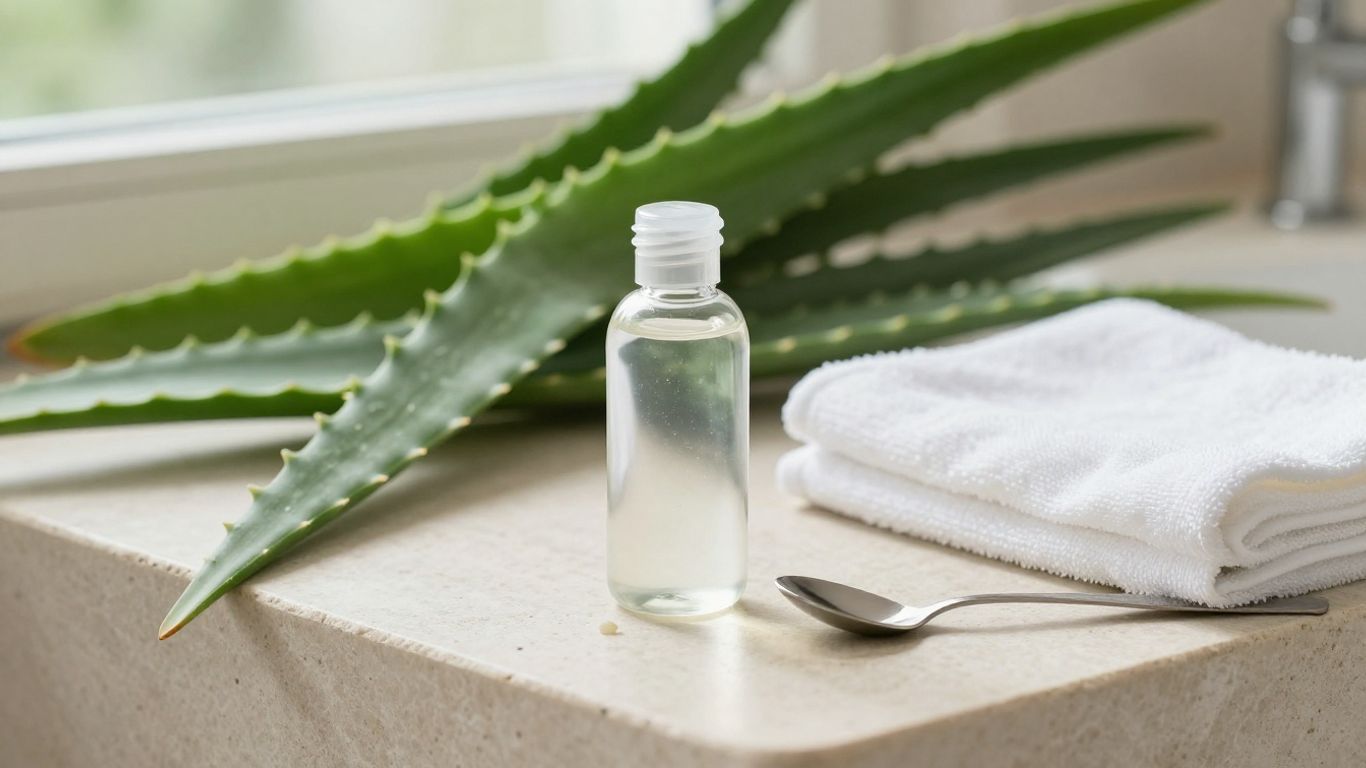
Water-based formulas are often easy to wash away and are commonly chosen for oral and general intimate use. Oil-based formulas tend to feel richer and last longer, but they can create barrier-compatibility problems. Silicone-based formulas may provide extended glide, yet their compatibility with some silicone toys needs checking.
The base affects both performance and cleanup. This personal lubricant buying guide offers a useful way to compare water, silicone, and oil formulas without treating one base as universally best.
Sugars, glycerin, and potential irritation concerns
Sweetness may come from sugar, glycerin, stevia, or other sweeteners. A sugary or heavily sweetened formula can feel sticky and may not suit people prone to vaginal irritation or yeast-related concerns. Glycerin is tolerated by some people and bothers others, so recurring symptoms are a reason to choose a simpler alternative and discuss them with a clinician.
Do not assume that a pleasant flavor is worth repeated discomfort. If a product consistently causes burning, itching, unusual discharge, or soreness, discontinue it and seek medical advice when appropriate.
Fragrances, preservatives, and common allergens
Fragrance and flavor compounds can be more noticeable on delicate tissue than on ordinary skin. Preservatives are necessary in many water-based products, but a known allergy or previous reaction deserves careful attention. Plant extracts, nuts, dairy-derived ingredients, and certain botanical oils may also matter for people with allergies.
Check the packaging for a complete ingredient declaration. A safe intimate lubricant ingredients guide can support that review, particularly when you are comparing food-grade language with suitability for intimate tissue.
Choosing simpler formulas for sensitive skin
Sensitive skin often benefits from fewer moving parts: less fragrance, fewer dyes, restrained sweetness, and a clearly stated base. This does not promise that a product will suit everyone, but it makes the source of a reaction easier to identify.
For a first trial, choose a small package when possible and avoid testing several new products at once. That simple habit gives you a clearer picture of what your body accepts.
How to choose the right formula for your needs
The right edible personal lubricant depends on what you are doing, what barriers or toys are involved, and how your body responds to ingredients. A formula for a brief taste test may not be the same formula you prefer for prolonged vaginal or anal contact. Consider comfort before novelty, then use flavor and texture to refine the choice.
It also helps to decide what you do not need. If you dislike sticky residue, strong scent, or frequent reapplication, those preferences can quickly narrow the field.
Selecting a lubricant for oral sex
For oral sex, look for clear oral-use directions, a flavor you genuinely enjoy, and a texture that does not become gummy. A formula should not leave your mouth feeling unpleasant or numb. If you prefer minimal sweetness, an unflavored or lightly flavored option may be more comfortable.
ArouselLube is described as edible, toy-safe, and pH-balanced, with food-grade ingredients and use intended for oral sex; those are the kinds of specific claims worth looking for on any product label. The goal is to enhance pleasure without allowing flavor to obscure basic safety questions.
Matching the formula to condoms and dental dams
Always check whether the lubricant is compatible with the barrier material being used. Oil-based products can weaken latex, while water-based and many silicone-based products are commonly selected when latex protection is involved; the package directions remain the final authority.
Dental dams and other barriers deserve the same care as condoms. If the label does not clearly state compatibility, choose another product or contact the manufacturer before use rather than guessing.
Considering vaginal and anal use
Vaginal and anal use involve different comfort considerations, so read the intended-use claims rather than assuming that an oral lubricant is suitable for both. For vaginal use, people often pay particular attention to pH, osmolality, fragrance, and sweeteners. Anal use may call for a formula with enough cushion and a willingness to reapply gradually.
Never use pain as a measure of effectiveness. Slow application, communication, and additional lubricant are more useful than trying to push through friction.
Choosing options for sensitive skin or recurring irritation
If irritation recurs, favor a short ingredient list and avoid products containing ingredients that have caused problems before. A patch test on the outer forearm can reveal some skin reactions, although it cannot predict every response on intimate tissue.
Keep a simple record of products used and symptoms noticed. Medical advice is appropriate for persistent burning, sores, swelling, unusual discharge, or symptoms that continue after the product is removed.
Compatibility and safety considerations
Safety is not only about whether a lubricant tastes pleasant. It also concerns barrier integrity, toy materials, tissue sensitivity, storage, and what happens after use. Read both the lubricant label and the instructions for the condom, dental dam, or toy.
A product can be perfectly comfortable in one setting and unsuitable in another. Planning the combination before intimacy avoids hurried substitutions and reduces the chance of damaging a barrier.
Which lubricants can weaken latex barriers
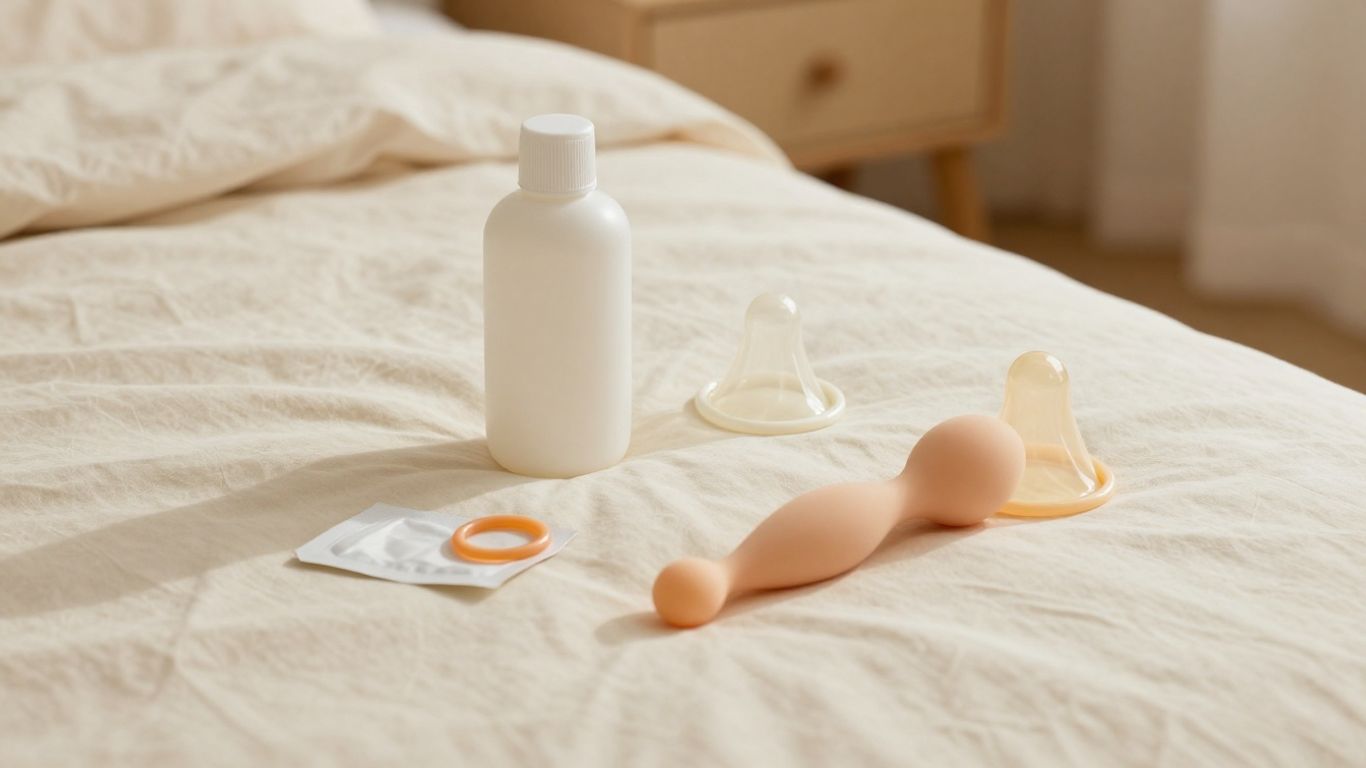
Oil-based lubricants, including products containing oils or petroleum-derived ingredients, may weaken latex condoms and latex dental dams. Do not rely on appearance: a product can look light or watery while still containing an oil component.
Use a barrier-compatible formula when latex is involved and replace a condom if you suspect it has been exposed to an incompatible lubricant. If the material is unclear, check the package or ask the manufacturer.
Using edible lubricant with sex toys
Toy compatibility depends on both the lubricant base and the toy material. Some silicone-based lubricants may affect silicone toys, while water-based formulas are often easier to pair across a wider range of materials. Clean the toy according to its instructions and use a condom over it when that is part of your safer-sex plan.
ArouselLube is described as compatible with all sex toys and latex condoms, but product-specific directions should still be read before use. Compatibility claims are most useful when they appear clearly on the product information rather than being inferred from the flavor or texture.
When to avoid products with warming or cooling ingredients
Warming, cooling, tingling, and numbing ingredients can create sensations that some people enjoy and others find irritating. They may be a poor choice if you have sensitive skin, broken skin, active irritation, or difficulty distinguishing stimulation from discomfort.
Try such products cautiously, never apply them to damaged tissue, and stop if the sensation becomes painful. A neutral formula is often the better starting point when you are unsure how your body will respond.
How to patch-test and stop using a product safely
Apply a small amount to an inconspicuous area of external skin and wait to see whether redness, itching, swelling, or burning develops. This is not a complete safety test, but it can identify some immediate skin reactions before intimate use.
If discomfort appears, wash the area gently with lukewarm water and stop using the product. Avoid scrubbing or adding another scented product to “neutralize” the sensation, and seek medical care for severe or persistent symptoms.
How to use edible personal lubricant
Using lubricant well is mostly a matter of starting gradually and paying attention. Apply a modest amount to the external area, barrier, toy, or body as directed, then add more if friction returns. Comfort should guide application more than a fixed quantity.
Keep the bottle within reach so reapplication does not interrupt communication or make anyone feel pressured to continue without enough glide. Lubricant supports pleasure; it does not replace arousal, consent, or a pause when something feels wrong.
Applying the right amount and reapplying when needed
Begin with a small amount because you can always add more, especially when testing a new texture. Spread it where friction is occurring and reassess after a moment. Water-based products may need reapplication as they dry, while thicker formulas can require less frequent additions.
Do not use extra product to conceal pain, tearing, or numbness. Stop, check in with your partner, and address the source of discomfort instead.
Combining lubricant with condoms and barriers
Put lubricant on the outside of the condom or barrier, following the product instructions, and use enough to reduce friction without making the barrier difficult to hold. Avoid applying anything that the packaging identifies as incompatible with latex or another barrier material.
A condom that slips, breaks, or feels damaged should be replaced. Keep a compatible backup nearby when trying a new product or using more than one type of barrier.
Cleaning skin, toys, and surfaces afterward
Clean external skin with warm water and a mild, unscented cleanser if needed. Toys should be cleaned according to their material and manufacturer’s instructions, while washable fabrics and surfaces should be rinsed or laundered promptly if residue is present.
Avoid aggressive scrubbing on sensitive tissue. If a formula leaves a film, gentle repeated washing is preferable to harsh soaps or exfoliants.
Storing the product to preserve quality
Close the cap firmly and store the bottle in a cool, dry place away from direct sunlight. Do not leave it in a hot car or damp bathroom cabinet for long periods, and avoid sharing a container in a way that could introduce contamination.
Follow the package expiration date and discard a product if its smell, color, texture, or packaging changes unexpectedly. A leaking or swollen container is not worth keeping.
How to compare products before buying
Shopping becomes easier when you compare products on the same few criteria. Start with intended use and compatibility, then consider ingredients, taste, texture, package size, and price. Reviews can reveal patterns, but they describe other people’s experiences rather than guaranteeing yours.
The most expensive bottle is not automatically the safest, and the most exciting flavor is not necessarily the most comfortable. A short comparison can keep novelty in its proper place.
Reading product labels and intended-use claims
Look for a complete ingredient list, the base type, oral-use language, barrier compatibility, and any stated toy compatibility. Claims such as “natural,” “clean,” or “body-safe” need context, so compare them with the actual formula and directions.
For another perspective on comparing taste, texture, and ingredients, see this flavored lubricant guide. It is still wise to confirm every claim on the current package because formulas and labels can change.
Checking expiration dates and packaging
An expiration date is useful only when the packaging has been stored properly and remains intact. Check the seal, cap, lot information, and container for leaks or damage before opening. Pump or squeeze packaging can also make it easier to limit contact with the remaining product.
If you buy online, inspect the bottle when it arrives rather than putting it straight into a drawer. Contact the seller if the package looks old, opened, or materially different from its listing.
Evaluating flavor, scent, and aftertaste
A good flavor is subjective, so sample a small amount before using a generous coating. Notice whether the sweetness fades cleanly, whether the scent is overpowering, and whether the texture becomes sticky as it warms.
Food and supplement shopping can offer a useful parallel: when assessing THC cold brew, consumers are encouraged to examine testing, dosing, ingredient disclosure, and consistency rather than relying on a label promise alone. The same habit—read, compare, and start conservatively—translates well here, even though the products serve different purposes.
Balancing price, ingredients, and user reviews
Compare the cost per use rather than only the sticker price. A smaller bottle with a formula you tolerate may be better value than a large bottle that causes irritation or goes unused because the taste is unpleasant.
Reviews are most helpful when several people mention the same texture, scent, packaging, or cleanup experience. They should not override a clear incompatibility warning or your own symptoms. For broader buying questions, choosing a trusted contractor may seem unrelated, but its basic principle applies: verify details, compare evidence, and do not let polished presentation replace due diligence.
Conclusion
Choosing an edible personal lubricant is a balance of pleasure, ingredients, compatibility, and personal comfort. Read beyond the flavor name, start with a small amount, use barriers and toys only as directed, and choose a simpler formula when your body is sensitive. The best option is the one that fits the planned use and leaves you feeling comfortable before, during, and after intimacy.
Frequently Asked Questions
Is edible personal lubricant safe to swallow?
Products labeled for oral use are intended for contact with the mouth, but “edible” does not guarantee that every ingredient suits every person. Review the ingredient list and stop if you develop a reaction.
Is flavored lubricant always edible?
No. “Flavored” usually refers to taste or scent, while “edible” signals intended oral contact. Check the directions rather than assuming one label means the other.
Can I use edible lubricant with latex condoms?
Only if the product is explicitly compatible with latex. Oil-based ingredients can weaken latex, so read the lubricant and condom instructions carefully.
Can edible lubricant be used with sex toys?
That depends on the lubricant base and toy material. Check both sets of instructions, especially when using silicone toys with silicone-based lubricant.
Are sugar and glycerin bad in every lubricant?
Not necessarily, but they can be unsuitable for some people, particularly those who experience recurring irritation. Individual tolerance and intended use matter.
How should I test a new lubricant?
Patch-test a small amount on external skin first, then use a modest amount during intimate contact. Stop and wash gently if burning, itching, swelling, or pain develops.
When should I replace an old lubricant?
Replace it after the expiration date or sooner if the smell, color, texture, seal, or container changes. Store it as directed to help preserve quality.





































































