

Posted by Mike
on September 04, 2026

Key Takeaways
A flavored lubricant can make oral and intimate play feel more inviting, but flavor alone does not tell you whether a formula suits your body or your chosen activity.
- Check the base, ingredients, intended use, and compatibility notes before buying.
- Water-based formulas are usually versatile and easy to clean, while silicone-based options tend to last longer.
- Sugar, fragrances, warming agents, and cooling additives may bother sensitive bodies.
- Use only products that are compatible with your condoms and toys.
- Stop if you notice burning, itching, swelling, pain, or another unusual reaction.
Understand what flavored lubricant is designed for
Flavored lubricant is a personal lubricant with added flavoring, and sometimes sweeteners, aromas, or other sensory ingredients. It is generally chosen to make oral intimacy and foreplay more pleasant, or simply to add variety to a familiar routine. The label still matters more than the flavor name because the product’s base and intended use determine how it behaves.
How flavoring changes a lubricant’s formula
Flavoring adds more than a taste. Depending on the product, it may involve sweeteners, food-derived extracts, artificial flavor compounds, colorants, or fragrance-like ingredients. Each addition can affect texture, aftertaste, shelf life, and the likelihood of irritation, so a pleasant flavor should be treated as one feature rather than a safety guarantee.
A simple, fully disclosed ingredient list is useful when comparing products. If the packaging is vague about what creates the flavor, or if it makes broad promises without explaining intended use, take that as a reason to look more closely.
Common uses for oral and intimate play
Most people reach for flavored lubricant during oral sex, kissing and tasting, or foreplay. Some formulas can also be used for vaginal or external intimate contact, but that depends on the label, the ingredients, and your own tolerance. A product made for oral contact is not automatically suitable for every internal use.
The best experience is usually collaborative. Discuss the flavor, texture, and where the product will be used before applying it, especially if either partner has sensitive skin or a history of irritation.
Water-based, silicone-based, and hybrid options
The base affects glide, cleanup, and compatibility. Water-based lubricants are often the most flexible choice for oral play and toy use, while silicone-based products generally remain slick longer. Hybrid formulas combine characteristics of more than one base, so their specific directions deserve attention.
A useful overview of body-safe lubricant guidance can help you compare these categories without treating one base as universally best. The right option depends on whether you value easy washing, extended glide, or broad compatibility most.
Why flavor does not guarantee safety for every use
“Edible,” “natural,” or “flavored” describes a product feature, not a promise that every body will tolerate every ingredient. Oral safety, vaginal comfort, anal use, condom compatibility, and sex-toy compatibility are separate questions. Read the complete label and follow the product’s stated directions.
When in doubt, use a small amount first and avoid moving a product from one body area to another without considering hygiene. Personal comfort is the deciding measure, not how appealing the bottle sounds.
Choose ingredients that suit your body
Ingredient awareness does not have to make shopping stressful. It simply gives you a way to connect a product’s formula with your own sensitivities, preferences, and intended use. People who react to fragranced body products, for example, may prefer an uncomplicated lubricant even when they enjoy flavored options.
Sweeteners, sugars, and potential irritation
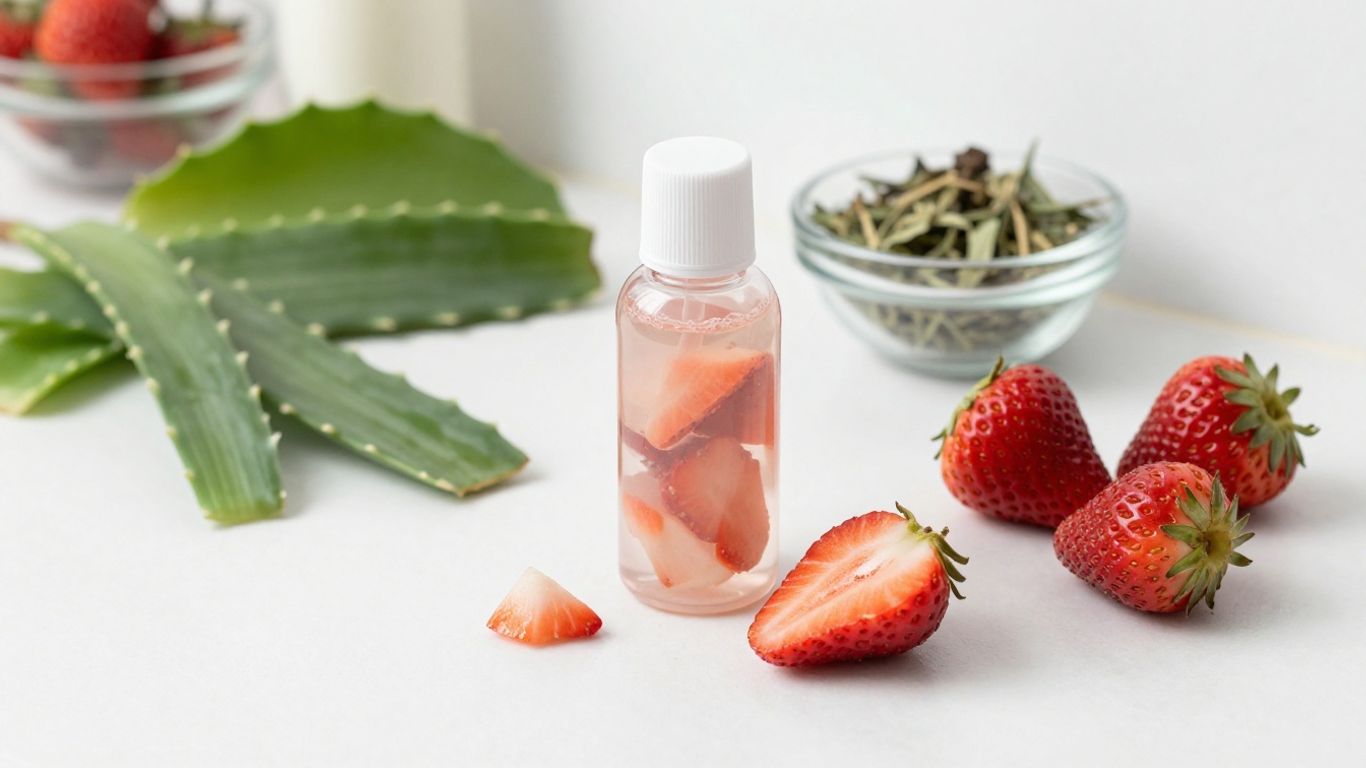
Sweeteners can make a lubricant taste more familiar, but sugar-containing formulas may not suit everyone, particularly when used vaginally. Some people prefer sugar-free options because they are trying to reduce the chance of discomfort or changes in their usual vaginal balance. That choice is personal, but it is worth checking the ingredient list rather than relying on front-label language.
A formula intended for oral use may still carry different instructions for vaginal or anal contact. If the label does not clearly describe those uses, choose a product with more specific guidance.
Glycerin, parabens, and other commonly discussed ingredients
Glycerin, parabens, preservatives, dyes, and botanical extracts are often discussed in lubricant shopping, but a single ingredient cannot predict everyone’s response. Concentration, the complete formula, and individual sensitivity all matter. If you have had repeated irritation, a healthcare professional can help you identify patterns instead of guessing from marketing claims.
ArouselLube is documented as a water-based, edible, pH-balanced lubricant made with food-grade ingredients and described as glycerin-free and sugar-free. Those are specific product claims; they should not be assumed of every flavored lubricant on the shelf.
Fragrances, warming agents, and cooling additives
Fragrance and sensory additives can make a product feel exciting, yet they may also be uncomfortable on delicate tissue. Warming and cooling ingredients deserve particular caution because tingling is not the same as comfort. A burning sensation, persistent heat, or unusual numbness is a reason to wash the area and stop using the product.
For sensitive skin, a lightly flavored or unscented formula with fewer extras may be easier to assess. Patch testing a small amount on an external area can offer useful information, though it cannot predict every internal reaction.
Reading the ingredient list and product claims
Start with the full ingredient panel, intended-use directions, base type, and compatibility information. Then consider whether the packaging tells you how to store the product and when to discard it. A product that makes it easy to answer those questions is generally easier to use responsibly.
The phrase read beyond the flavor name is a helpful shopping habit. Food-grade ingredients may be relevant for oral contact, while pH, osmolality, preservatives, and compatibility may matter more for other kinds of intimacy.
Match the lubricant to the type of intimacy
A lubricant should be chosen for the activity, not merely for its taste. Oral contact, vaginal use, anal sex, and toy play place different demands on a formula and on the surrounding hygiene routine. Checking those details before opening the bottle prevents awkward interruptions later.
Using flavored lubricant for oral sex
For oral sex, look for clear language about edible or oral use and review the ingredients for known allergies. Taste and mouthfeel are subjective, so a small trial can be more useful than choosing the strongest flavor available. Keep water nearby if the product leaves an aftertaste or feels too sweet.
Flavored lubricant can add a sensory element without needing to become the center of the experience. Apply a modest amount first, then add more if the glide or taste calls for it.
Considering vaginal use and pH balance
Vaginal tissue has its own environment, and products with sugars, fragrances, or irritating additives may not feel comfortable for everyone. Look for directions that specifically address vaginal use and consider pH-related claims in context rather than assuming “natural” means compatible.
If you frequently experience dryness, burning, unusual discharge, or recurrent discomfort, it is better to discuss those symptoms with a clinician than to keep switching products. Lubricant can reduce friction, but it does not diagnose or treat an underlying condition.
Why some products are not recommended for anal sex
Anal tissue does not self-lubricate in the same way, so adequate lubrication and gradual pacing are important. Some flavored formulas are designed only for oral or external use, and additives may sting or irritate. Follow the label’s directions, and do not assume that a product suitable for one type of intimacy is suitable for anal use.
Choose a formula that provides enough glide for the activity, reapply as needed, and communicate throughout. Pain is not something to push through.
Checking condom and sex toy compatibility
Compatibility depends on both the lubricant base and the material of the condom or toy. Oil-based products can weaken latex, while some silicone lubricants may affect silicone toys. Water-based products are often a straightforward choice, but the product label should have the final say.
Before combining products, check the manufacturer’s directions for both items. A small compatibility test on a toy, away from the body, is sensible when the material or formula is unfamiliar.
Compare the main flavored lubricant formats
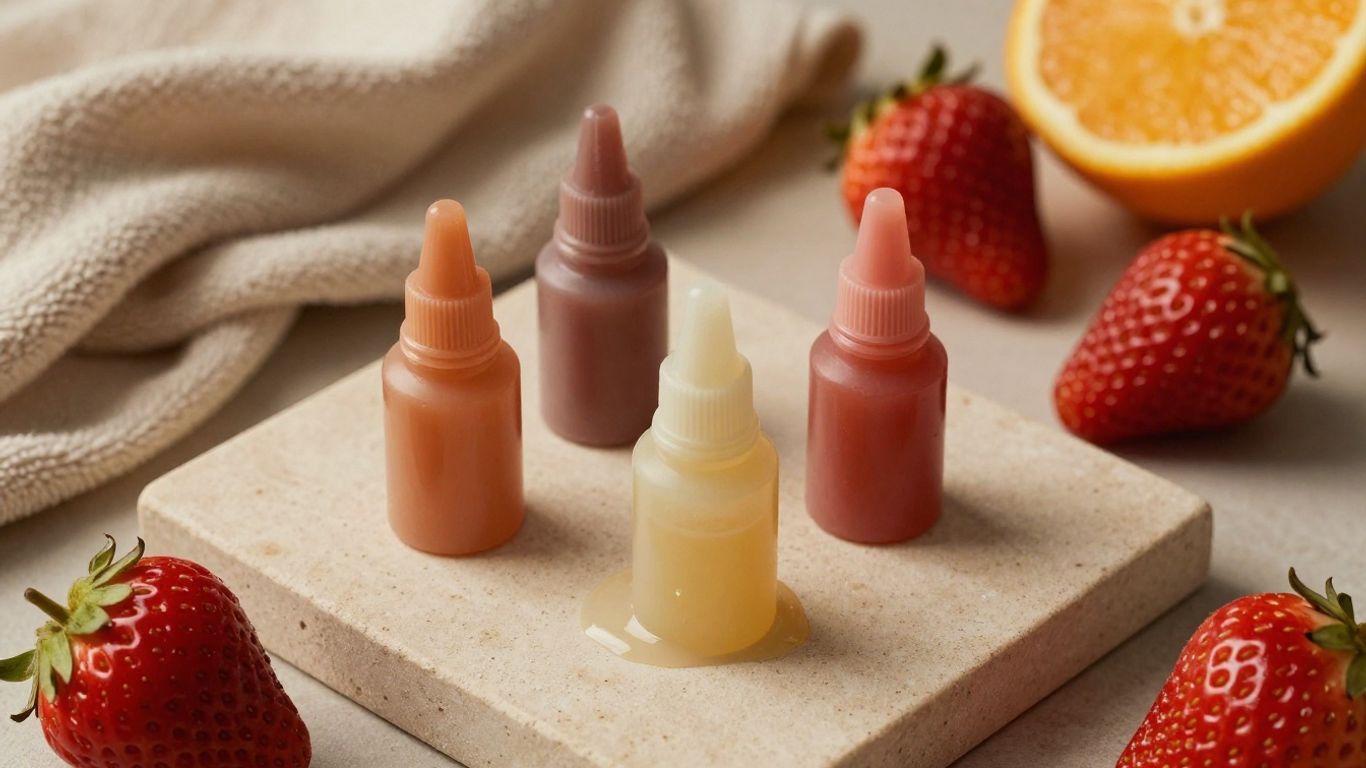
Different formats solve different practical problems. A water-based gel may be convenient for everyday use, while a silicone formula may be preferable when you want longer-lasting glide. Oil-based products and edible gels can have their own appeal, but they also come with more specific limitations.
Water-based lubricants for easy cleanup
Water-based lubricants are popular because they rinse away relatively easily and are commonly compatible with many condoms and toys. They may dry during extended use, but adding a little more product usually restores the glide. Their texture can range from thin and fluid to thick and gel-like.
For readers comparing comfort and versatility, this water-based lubricant guide offers a useful starting point. Even within the same category, read the directions because flavoring and additives can change the experience.
Silicone-based lubricants for longer-lasting glide
Silicone-based formulas generally last longer in wet environments and can be useful when frequent reapplication would interrupt intimacy. They are not automatically compatible with every silicone toy, however, and they may require more effort to wash from skin or fabric.
Check the toy material, condom instructions, and cleaning directions before use. A long-lasting formula is only helpful if it also works safely with the items you plan to use.
Oil-based formulas and latex compatibility concerns
Oil-based lubricants can feel rich and moisturizing, but they may damage latex condoms and diaphragms. Oils can also be harder to remove from fabric and may not be suitable for every internal use. Petroleum-based household products are especially poor substitutes for a professionally formulated intimate lubricant.
If latex protection is part of your plan, select a formula explicitly marked compatible with it. When the label is unclear, choose another product rather than guessing.
Edible products, gels, and flavored condoms
“Edible” usually refers to a product formulated for oral contact, while a gel describes texture rather than complete suitability for a particular activity. Flavored condoms add taste at the barrier itself, but they still need to be used according to their directions and material specifications.
A broad flavored lubricant guide can offer ideas about sensory preferences, but individual tolerability and product labeling remain more important than a flavor ranking. Start with a small size when you are uncertain about taste or texture.
Check safety, quality, and freshness
Quality begins with information you can actually use. Look for a manufacturer, a complete ingredient list, intended-use directions, lot or batch details where available, and clear storage guidance. Attractive packaging cannot replace traceability.
Looking for reputable manufacturing and clear labeling
A reputable product should tell you what it is, how it is meant to be used, and where to find help if something goes wrong. Claims such as vegan, food-grade, pH-balanced, or third-party tested are most useful when the package or manufacturer explains them clearly.
ArouselLube is described as edible, toy-safe, pH-balanced, water-based, and compatible with latex condoms. Those documented features illustrate the kind of specific information shoppers can look for rather than relying on vague assurances.
Understanding expiration dates and storage instructions
Check the expiration date before purchase and again before use, especially if the bottle has been sitting in a drawer. Heat, sunlight, and repeated exposure to air can affect some formulas. Close the cap firmly and follow the stated storage conditions.
Changes in smell, color, texture, or separation can also be a reason to discard a product, even if the printed date has not passed. Do not try to rescue a questionable lubricant by mixing it with water or another formula.
Testing a small amount before extended use
A small external test is a cautious way to learn how your skin responds. Apply a little to an area such as the inner forearm or external vulvar skin, depending on the product directions, and give your body time to respond. This is not a guarantee of internal comfort, but it can reveal obvious sensitivity before a longer session.
Introduce only one new product at a time when possible. That makes it easier to identify the likely cause if irritation appears.
Recognizing signs of irritation or an allergic reaction
Itching, rash, swelling, burning, pain, hives, or persistent redness should not be treated as evidence that a product is “working.” Rinse gently with water, stop using the lubricant, and avoid adding other fragranced products to the area. Seek medical care promptly for severe swelling, breathing difficulty, or symptoms that do not settle.
Your body’s response is more reliable than a product’s marketing. Comfort should improve intimacy, never require endurance.
Use flavored lubricant comfortably and effectively
Good use is mostly about pacing, communication, and paying attention. Start with less than you think you need, keep the bottle within reach, and reapply before friction becomes uncomfortable. A relaxed approach makes it easier to notice what feels right.
Applying the right amount and reapplying when needed
Warm a small amount between your fingers if the texture allows, then apply it to the external area or barrier as directed. Add more whenever the glide decreases; there is no prize for using too little. If a formula becomes sticky as it dries, a small amount of water or fresh lubricant may help, depending on the instructions.
Avoid touching the bottle tip to skin, toys, or other surfaces. That simple habit helps keep the remaining product cleaner.
Combining lubricant with condoms and toys safely
Put lubricant on the outside of a condom after it is correctly fitted, unless the product directions say otherwise. With toys, check both the lubricant base and the toy material before use. Water-based formulas are often the easiest starting point for mixed setups.
ArouselLube is described as water-based and compatible with sex toys and latex condoms, which makes those claims relevant when comparing a product for combined use. Still, follow the current packaging and inspect condoms for damage before and after intimacy.
Cleaning up after use
Rinse skin with lukewarm water and a mild, unscented cleanser if needed. Clean toys according to their material and the manufacturer’s instructions rather than using a harsh household chemical. Wash hands before handling a bottle again, and do not share an opened applicator between people.
A few practical habits keep cleanup simple:
- Keep a clean towel or washcloth nearby.
- Reseal the bottle immediately after use.
- Wash reusable toys according to their care instructions.
- Change or launder fabric that has absorbed oil-based product.
These small steps reduce mess without turning intimacy into a clinical procedure. They also make it easier to store the product correctly for next time.
When to stop using a product and seek medical advice
Stop immediately if the lubricant causes sharp burning, swelling, hives, bleeding, or significant pain. Persistent irritation, unusual discharge, sores, or urinary symptoms deserve medical advice, particularly if they continue after the product is washed away.
Do not use more lubricant to mask pain or keep testing a formula that repeatedly causes symptoms. A clinician can help distinguish irritation from infection, allergy, or another concern.
Make a practical purchase decision
A good purchase is not necessarily the most expensive or the most elaborate. It is the one whose ingredients, base, intended use, and size fit your body and your plans. If you are new to flavored lubricant, a smaller bottle or sample size can make experimentation less wasteful.
Choosing flavors, textures, and packaging preferences
Choose a flavor you and your partner are genuinely likely to enjoy, but consider texture just as carefully. Thin formulas can feel less noticeable, while thicker gels may stay where they are applied. A pump, flip-top, or travel-size container may also matter if ease of use and storage are priorities.
Avoid buying a large bottle solely because the flavor sounds appealing. Taste fatigue is real, and preferences can change after the first use.
Balancing personal sensitivities with partner preferences
Talk about allergies, past reactions, and which activities you have in mind before choosing. One partner may enjoy a strong flavor while the other prefers a subtle taste or no fragrance. The fairest choice is usually the option that keeps both people comfortable.
If sensitivities differ, keep a simpler, low-additive formula available as a neutral alternative. Pleasure should not depend on persuading someone to tolerate discomfort.
Comparing price, size, and value
Price per ounce can help compare bottles, but it is not the only measure of value. A product that stays comfortable longer may require less reapplication, while a water-based formula may be worth choosing for easier cleaning and broader everyday use. Expiration dates matter too: a large bottle is poor value if it will sit unused.
Before checkout, compare the total cost, package size, storage needs, and whether the product fits the condoms or toys you already own. A clear label is part of what you are paying for.
Building a simple body-safe lubricant checklist
A short checklist keeps the decision practical rather than overwhelming. Use it whenever you try a new product, even if the packaging looks familiar.
- Confirm the base and intended uses.
- Read the full ingredient list for known sensitivities.
- Check condom and sex-toy compatibility.
- Verify the expiration date and storage instructions.
- Plan a small test before extended use.
This approach leaves room for taste and pleasure while keeping safety visible. With time, you will learn which textures and ingredients suit you best.
Conclusion
Choosing a flavored lubricant is a balance of enjoyment, ingredient awareness, compatibility, and honest attention to your body. Start with a clearly labeled formula, match it to the activity, test cautiously, and stop when something feels wrong; that is how a playful intimate essential becomes a comfortable one.
Frequently Asked Questions
Is flavored lubricant safe for vaginal use?
Some flavored lubricants are labeled for vaginal use, while others are intended only for oral or external contact. Check the directions and ingredients, and choose a different product if you notice irritation or recurring discomfort.
Can I use flavored lubricant with condoms?
Only use a lubricant that is compatible with the condom material. Oil-based formulas can weaken latex, so always check the lubricant and condom packaging before combining them.
Is flavored lubricant edible?
A product should clearly state that it is intended for oral or edible use. “Flavored” alone does not establish that it is suitable to swallow or use in the mouth.
Are sugar-free formulas better for everyone?
Sugar-free formulas may appeal to people who want to reduce potential irritation or changes in vaginal comfort, but no ingredient choice suits every body. Read the full formula and pay attention to your own response.
Can flavored lubricant be used for anal sex?
Only if the product is specifically labeled for that use and feels comfortable. Adequate lubrication, gradual pacing, communication, and reapplication are especially important for anal intimacy.
How long does flavored lubricant last after opening?
Follow the printed expiration date and any period-after-opening guidance. Store the bottle as directed, close it promptly, and discard it if its smell, color, or texture changes unexpectedly.
What should I do if flavored lubricant burns?
Stop using it and rinse the area gently with lukewarm water. Seek medical advice if symptoms are severe, include swelling or hives, or continue after the product has been removed.





































































