

Posted by Mike
on August 03, 2026

Key Takeaways
A flavored lubricant can add taste, scent, and sensory variety to intimacy, but comfort comes first. Read the label, check compatibility, and stop using any product that causes irritation.
- Choose a formula made for intimate contact and, when relevant, oral use.
- Check sweeteners, fragrances, preservatives, and other potential irritants.
- Match the lubricant’s base with condoms and sex toys.
- Use a small amount first, then reapply when friction returns.
- Replace the product if it expires or changes in smell, color, or texture.
What flavored lubricant is and how it differs from regular lube
Flavored lubricant is a personal lubricant with added flavoring, scent, or both. It is often chosen for oral intimacy, but the word “flavored” does not automatically mean edible or suitable for every kind of contact. The base formula still determines glide, cleanup, longevity, and compatibility. For a broader overview of choosing between formulas, see this lubricant selection guide.
Common ingredients and flavor sources
Flavor can come from food-grade flavor compounds, botanical extracts, fruit-derived ingredients, or sweeteners. Other ingredients create the gel’s texture and preservation system, so the flavor is only one part of the label. A pleasant scent may improve the experience for some people, while fragrance can bother others, especially on sensitive skin.
Water-based, silicone-based, and oil-based formulas
Water-based formulas are usually versatile and easier to rinse away, though they may need reapplication as they dry. Silicone-based products tend to last longer and can work well with water, but they are not automatically compatible with every silicone toy. Oil-based formulas can feel rich and persistent, yet they require extra care around barriers and cleanup.
The base gives you a useful first comparison:
| Formula | Typical strength | Main caution |
|---|---|---|
| Water-based | Easy cleanup and broad versatility | May dry sooner |
| Silicone-based | Longer-lasting glide | Check silicone-toy compatibility |
| Oil-based | Rich texture and persistence | Avoid with latex condoms |
The table is a starting point rather than a guarantee. Always confirm the individual product label, particularly when condoms, toys, or sensitive tissue are involved.
Lubricant versus edible intimate products
A product may be marketed as flavored without being intended to swallow. “Edible” should refer to the product’s stated use and ingredient standards, not simply to a dessert-like name. A guide to edible lubricant ingredients can help clarify why food-grade components, sugar content, and intended areas of use deserve separate attention.
Why texture, sweetness, and scent affect the experience
Taste and aroma can change how a product feels during oral intimacy, while viscosity affects whether it stays where applied or spreads quickly. Very sweet formulas may be enjoyable at first but less appealing after repeated use. Personal preference matters here: some people want a subtle flavor, others prefer a stronger sensory note, and some would rather use an unflavored product.
How to choose the right flavored lubricant
Choosing a flavored lubricant is less about picking the most exciting flavor and more about matching the formula to the planned use. Consider whether it will touch lips, external skin, vaginal tissue, or a toy. Then check the label for ingredients, directions, and compatibility statements. A careful choice can make comfort the priority without taking away the playful element.
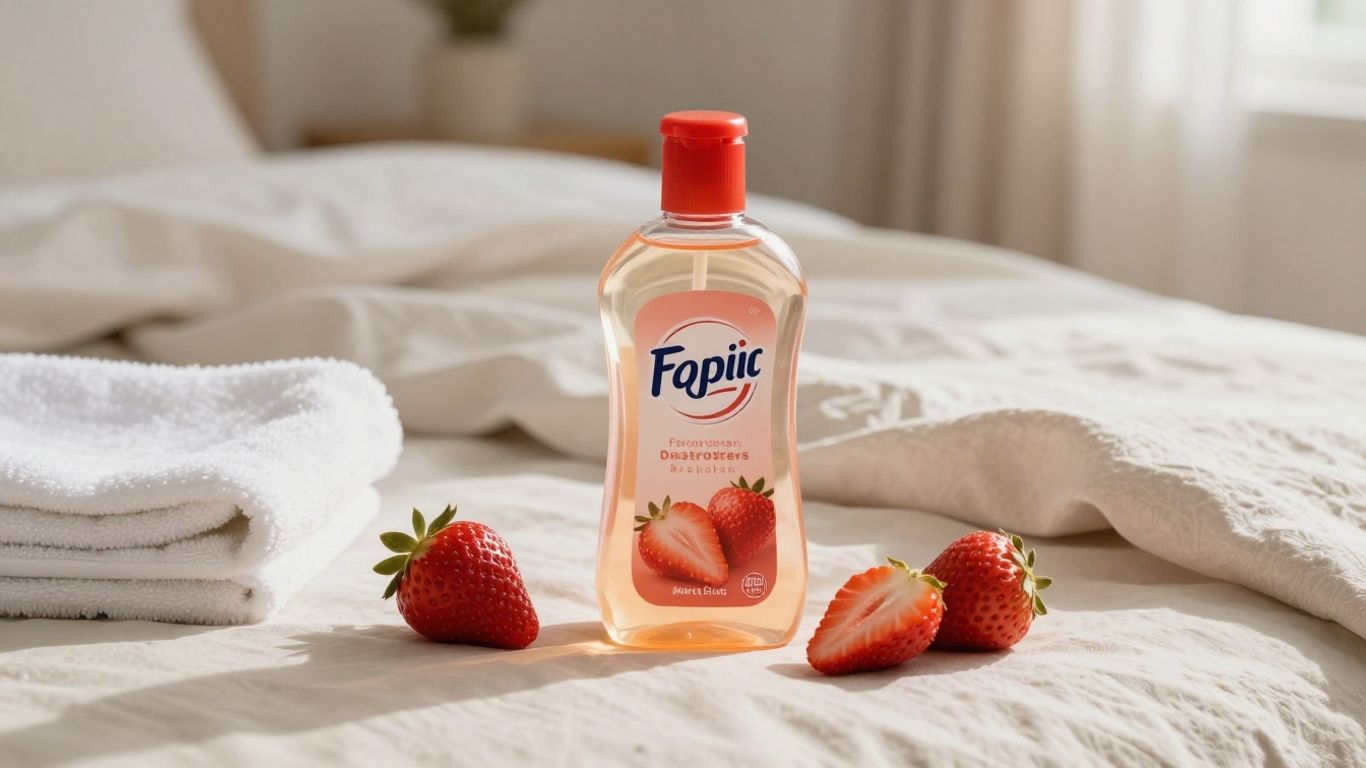
Checking the ingredient list
Scan for the base, flavoring, sweeteners, preservatives, and any warming or cooling additives. If you have reacted to personal-care products before, compare the full ingredient list rather than relying on claims such as “natural” or “gentle.” The same label-reading discipline used in a healthy snack guide can be useful here, especially when looking for hidden sugars and allergens.
Choosing a formula for oral and vaginal use
If you want one product for oral and vaginal use, confirm that both uses are stated on the packaging. Look for clear information about flavor sources, sweeteners, pH, and any limitations. A formula intended only for external skin should not be treated as an internal intimate product.
Matching the lubricant to condoms and toys
Compatibility depends on both the lubricant base and the material of the toy or barrier. Water-based products are often the simplest option for mixed use, but the product label remains authoritative. For a more detailed comparison of water, silicone, and oil bases, review this personal lubricant buying guide.
Considering sensitivities, allergies, and personal preferences
Think about known allergies, recurring irritation, scent preferences, and how much cleanup you are willing to do. A short ingredient list may make it easier to identify a trigger, although simplicity alone does not prove that a product will suit everyone. If symptoms have been recurring, speak with a healthcare professional before trying several new formulas.
Understanding body safety and irritation risks
Flavored products can be comfortable for many people, but intimate tissue may respond differently from ordinary skin. Sweeteners, fragrances, preservatives, and sensation-enhancing ingredients can all matter. There is no single formula that suits every body, and discomfort is useful information rather than something to push through. For broader guidance on ingredient and sensitivity checks, use a source that discusses pH, allergens, and toy compatibility together.
Ingredients that may cause irritation
Potential triggers vary, but fragrance, certain preservatives, flavor compounds, and warming or cooling agents are common reasons to read closely. Some people also find particular humectants or botanical extracts uncomfortable. If a product burns, stings, or causes persistent itching, wash the area gently and discontinue use.
How sugar and sweeteners can affect vaginal health
Sugar-containing products may not suit people who are prone to yeast infections or other vaginal discomfort. “Sugar-free” does not mean irritation-proof, since alternative sweeteners and other ingredients can still bother sensitive tissue. Avoid inserting a product simply because it tastes pleasant, and follow the package directions for where it is intended to be used.
When to avoid flavored products
It may be wiser to choose an unflavored, simpler formula when you have active irritation, unexplained discharge, open skin, or a history of repeated reactions. Flavored products are also not a substitute for medical treatment. Pause experimentation until symptoms have settled and a clinician has helped identify the cause when needed.
How to perform a patch test safely
Apply a small amount to an external area of intact skin, such as the inner forearm, and wait according to the product’s directions. Do not use a patch test on broken skin or treat a negative skin reaction as proof of internal compatibility. Stop immediately if redness, swelling, itching, or burning develops.
How to use flavored lubricant during intimacy
Start slowly and communicate about taste, scent, texture, and comfort. Apply the product to clean skin or the intended area according to its directions, rather than assuming more is better. Keep the bottle within reach so reapplication does not interrupt the moment. This practical approach also aligns with advice on comfortable lubricant use.
Applying the right amount
Begin with a small amount and spread it gradually. A thin layer may be enough for oral contact, while more may be needed to reduce friction during other activities. Applying too much at once can create unnecessary mess and make it harder to judge whether the texture suits you.
Reapplying as needed
Water-based lubricants may become less slippery as moisture evaporates or absorbs. Add a little more whenever friction returns instead of continuing through discomfort. If repeated reapplication is inconvenient, compare a different viscosity or base while still checking compatibility.
Using flavored lube with condoms
Check the lubricant label before putting it on a latex condom. Oil-based formulas can weaken latex, so they should not be paired with latex barriers. Apply lubricant to the outside of the condom as directed, and use a fresh condom if the barrier slips, tears, or is removed.
Combining flavored lubricant with sex toys
Confirm that the lubricant is compatible with the toy’s material and follow the toy manufacturer’s care instructions. Water-based formulas are often a practical choice, but “water-based” alone does not settle every material question. A guide to edible and toy-safe formulas offers another way to think through texture, ingredients, and intended use.
How to compare popular flavored lubricant formulas
Comparing products is easier when you separate sensory preference from safety and compatibility. A flavor that sounds appealing may have a strong aftertaste, while a silky texture may require more frequent application. Product claims should support your decision, not replace reading the full label. Independent flavored lubricant reviews can offer sensory context, though personal reactions will still differ.
Taste and aftertaste
Taste the smallest reasonable amount first, and notice whether the flavor fades cleanly or leaves a medicinal, perfumed, or overly sweet note. Scent can influence perceived taste, so compare both rather than judging flavor alone. Partners may also have different preferences, making a small size useful before committing to a larger bottle.
Longevity and reapplication
Consider how long the glide lasts during the activity you have in mind. Water-based formulas may need refreshing, while silicone-based formulas can last longer but bring different toy-compatibility questions. A product that lasts longer is not automatically better if its ingredients or feel do not suit your body.
Stickiness and cleanup
Some gels dry tacky, while others remain smooth or rinse away quickly. Read directions for cleanup and test a small amount on skin or a washable cloth if staining is a concern. If easy cleanup matters most, water-based formulas are often a sensible place to begin.
Packaging, freshness, and product claims
Look for a sealed container, a clear expiration date, storage directions, and complete ingredient information. Claims such as “natural,” “edible,” or “pH-balanced” should be understood alongside the actual instructions and testing information. Even a third-party testing overview can remind you to distinguish a measured claim from a general marketing impression, although the page itself concerns a different health-related topic.
Common mistakes to avoid
Most problems come from treating a flavored product like food, moisturizer, or a universal lubricant. The intended use, base, and body response all matter. Read directions before intimacy rather than discovering limitations midway through. When in doubt, use fewer additives and choose a product with clearer labeling.
Using products not designed for intimate contact
Food syrups, body lotions, massage oils, and household products are not interchangeable with personal lubricants. They may contain ingredients that sting, disrupt comfort, or are difficult to remove. Choose a product explicitly made for intimate contact and follow its stated areas of use.
Assuming “natural” means irritation-free
Plant-derived ingredients can still trigger allergies or sensitivity. Natural flavoring, essential oils, and botanical extracts deserve the same careful review as synthetic ingredients. The phrase “natural lubricant choices” in this personal care guide is a useful reminder to consider pH and allergies rather than relying on one label claim.
Using oil-based lube with latex condoms
This is a compatibility mistake with serious practical consequences. Oils can weaken latex, increasing the chance that a barrier will fail. Choose a condom-compatible formula or use a barrier made from a material specifically compatible with the lubricant.
Continuing use after discomfort develops
Do not try to acclimate your body to burning, itching, swelling, or pain. Stop using the product, rinse gently if appropriate, and monitor the symptoms. Seek medical advice if discomfort is severe, persistent, or accompanied by unusual discharge or sores.
How to store flavored lubricant and know when to replace it
Good storage protects the formula after you open it. Keep the container closed, away from excessive heat and direct sunlight, and follow any temperature guidance on the packaging. Clean handling also reduces the chance of introducing bacteria or debris. These habits are simple, but they help preserve both texture and confidence in the product.
Checking expiration dates
Check the printed expiration date before opening and periodically afterward. Do not use a product past its date simply because it looks normal, since preservation can change over time. If the date is missing or unreadable, contact the manufacturer or replace the product.
Preventing contamination after opening
Wash your hands before use, avoid touching the nozzle to skin or other surfaces, and close the cap promptly. Never pour leftover lubricant back into the container. If several people use the same bottle, clean handling becomes even more important.
Recognizing changes in smell, color, or texture
A sour or unfamiliar smell, separation, discoloration, clumping, or a suddenly gritty texture is a reason to stop. Changes can result from age, heat, contamination, or formula breakdown. Do not try to restore an altered product by shaking it or adding water.
Cleaning spills and disposing of expired product
Wipe spills promptly and follow the label’s cleaning guidance for fabric, bedding, or surfaces. Seal an expired bottle before placing it in household trash unless local disposal rules say otherwise. Wash reusable toys according to their instructions, especially after using a formula that leaves an oily film.
Conclusion
The best flavored lubricant is the one whose ingredients, base, intended use, and texture fit your body and your plans. Start with a small amount, confirm condom and toy compatibility, and treat any irritation as a clear reason to stop. With careful label reading and realistic expectations, a flavored formula can be a comfortable addition to your intimate essentials.
Frequently Asked Questions
Is flavored lubricant safe for vaginal use?
Some flavored lubricants are made for vaginal use, while others are intended only for external or oral contact. Check the label for the exact intended use, ingredients, and any pH or sugar-related information before applying it internally.
Can flavored lubricant cause a yeast infection?
Some people may find sugar-containing or otherwise irritating formulas worsen vaginal discomfort or contribute to problems. If you are prone to yeast infections, consider a simpler formula and stop using any product that causes symptoms.
Is edible lubricant the same as flavored lubricant?
No. A flavored product may have a taste but may not be intended to swallow. “Edible” should be clearly stated by the manufacturer and supported by appropriate ingredient and usage information.
Can flavored lubricant be used with condoms?
It depends on the lubricant base and the condom material. Oil-based products should not be used with latex condoms, while other formulas still require checking the package for compatibility.
Can I use flavored lubricant with sex toys?
Only if the lubricant is compatible with the toy material and the product is intended for that type of use. Follow both the lubricant label and the toy manufacturer’s cleaning instructions.
How should I test a new flavored lubricant?
Patch-test a small amount on intact external skin first, then wait for any reaction before broader use. A skin test cannot guarantee internal compatibility, so begin with a small amount and stop at the first sign of discomfort.
How long does flavored lubricant last after opening?
Use the product within the period and storage conditions stated on its packaging. Replace it sooner if it expires or develops an unusual smell, color, separation, or texture.





































































