

Posted by Mike
on September 23, 2026

Key Takeaways
A good glide lubricant is one that suits your body, activity, and any condoms or toys you plan to use. Start with the label, then let comfort guide your choice.
- Water-based formulas are versatile and generally easy to clean up.
- Silicone-based formulas tend to last longer, but check toy compatibility.
- Oil-based lubricants can damage latex condoms.
- Begin with a small amount and add more if needed.
- Stop using a product if it causes irritation, and seek medical advice if symptoms persist.
What glide lubricant is and how it works
Glide lubricant is a product used to reduce friction during intimate activity. It can be useful for partnered intimacy, solo use, or play with a toy, and using it is simply one way to support comfort. Formulas differ in their ingredients, texture, staying power, and cleanup. If you want a broader overview of lubricant types and uses, consider how each formula fits your own needs rather than looking for a single best option.
How lubricant reduces friction
Lubricant adds a slippery layer between surfaces that might otherwise rub together. That can make movement feel more comfortable, though the amount and texture that feel right vary from person to person. Natural lubrication can also change with stress, medication, hormones, or the activity itself; a lubricant is an optional aid, not a test of whether your body is functioning normally. The most useful starting point is your comfort in the moment.
Common personal lubricant formulations
Personal lubricants are commonly water-based, silicone-based, or oil-based. Their base affects how they feel, how long they tend to last, and what materials they can be used with. Ingredients and directions vary even within one category, so the label matters as much as the broad formula type.
How glide lubricant differs by product
Two products in the same category may still differ in thickness, additives, and intended use. Some are designed for a thinner, lighter feel, while others are more viscous; scents, flavors, or other ingredients may also influence whether a formula suits you. Read the package rather than assuming that products with similar names behave the same way.
How to choose the right formula
Choosing a formula is easier when you start with the activity and the cleanup you prefer. Think about whether you want a lubricant that rinses away readily or one that tends to last longer, and check whether you will use condoms or toys. A product’s ingredients and directions can help narrow the options. Arousellube offers water-based, edible personal lubricants made with natural ingredients; check the specific product label to see whether it fits your intended use.
Water-based options for everyday use
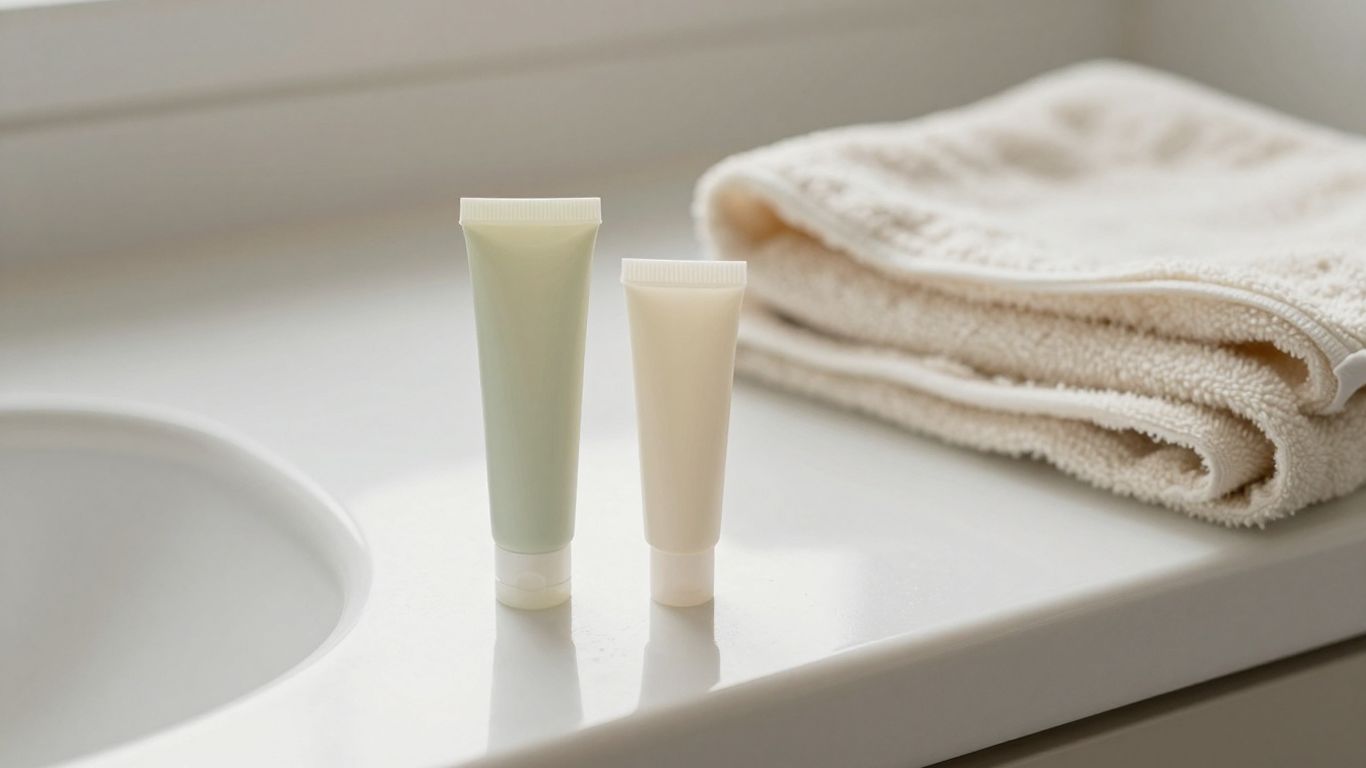
Water-based lubricants are a common choice because they are generally easy to rinse away and can be used with many condoms and toys, subject to the product label. They may need reapplication if they begin to feel tacky or dry during use. Arousellube offers water-based lubricants, including edible options; review the individual product’s ingredients and directions before use.
Silicone-based formulas for longer-lasting glide
Silicone-based formulas often provide longer-lasting glide than water-based ones and may be useful when frequent reapplication is inconvenient. They can take more effort to wash off, and compatibility with silicone toys is not universal. Check the toy manufacturer’s guidance and the lubricant label before combining them; when in doubt, test a small area or choose a different combination.
Oil-based products and their limitations
Oil-based products can feel rich and lasting, but they have an important limitation: oil can weaken latex condoms. They may also be harder to clean from fabric and some surfaces. Because products vary, verify the label and condom instructions rather than treating all oils as interchangeable.
A quick comparison can help you see the usual trade-offs, while still leaving room for differences between products:
| Formula type | Typical feel and staying power | Practical consideration |
|---|---|---|
| Water-based | Light to varied; may need reapplication | Usually rinses away readily |
| Silicone-based | Smooth and often longer-lasting | Check compatibility with silicone toys |
| Oil-based | Often rich and lasting | Not suitable with latex condoms |
These are general patterns, not guarantees for every formula. Use the package instructions to confirm what applies to a particular product.
Check compatibility before use
Compatibility is part of choosing a lubricant, not an afterthought. Consider the condom material, toy material, and any ingredients that have bothered your skin before. When packaging is unclear, check the manufacturer’s instructions or choose a product with explicit guidance. A brief check before use can help avoid material damage or an uncomfortable reaction.
Using lubricant with latex condoms
Oil-based lubricants can weaken latex, increasing the risk that a condom will break. Water-based and many silicone-based products are commonly labeled for use with latex, but confirm this on the specific lubricant package. If using a different barrier material, follow its instructions as well; compatibility can vary by material and product.
Pairing lubricant with sex toys
Toy materials differ, and a formula that works with one toy may not be recommended for another. Silicone lubricant can affect some silicone toys, so consult the toy’s care guidance before pairing them. For a straightforward check, look for these details before use:
- Identify the toy’s material from its packaging or manufacturer’s instructions.
- Read the lubricant label for toy compatibility.
- Check the toy maker’s advice about lubricant types.
- If compatibility remains uncertain, choose another formula or ask the manufacturer.
These checks are especially useful when product labels use broad terms such as “toy-friendly.” Follow the directions for the particular toy and lubricant rather than relying on the phrase alone.
Considering sensitive skin and ingredients
If your skin is sensitive, a shorter ingredient list may be easier to assess, but it does not guarantee that a product will suit you. Fragrance, flavorings, warming ingredients, and other additives can be irritating for some people. Arousellube makes personal lubricants with natural ingredients, but “natural” does not mean allergy-proof; review the full ingredient list and avoid anything you already know causes a reaction.
How to use glide lubricant
There is no single amount that works for everyone. Begin with a small amount, notice how it feels, and add more if friction returns. Follow the product’s instructions, especially when using it with a barrier method or toy. Keeping the process simple makes it easier to notice what feels comfortable and what does not.
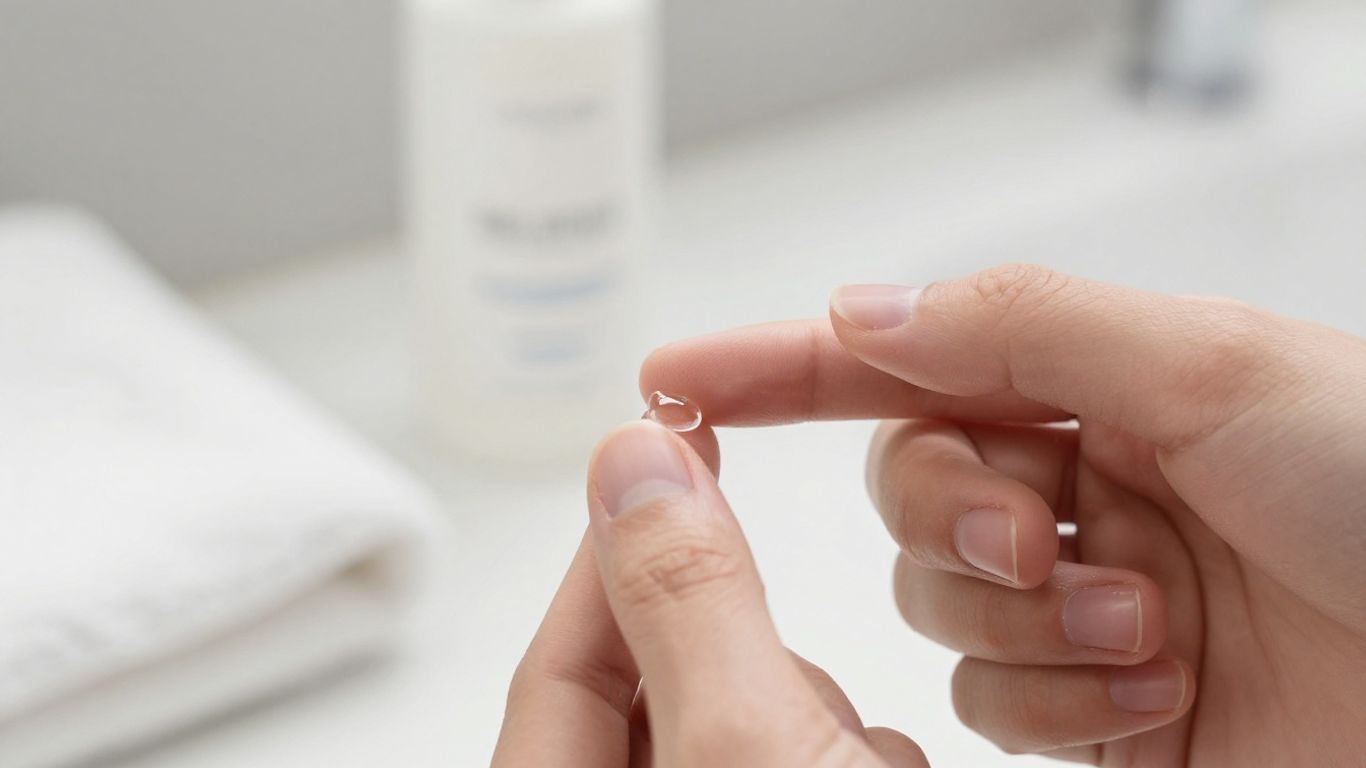
Start with a small amount
Apply a modest amount to the area where you want added glide, or follow the product directions if they specify another method. Starting small helps you adjust without using more than you need. If you are trying a new formula, take a moment to notice how your skin responds before applying more widely.
Add more as needed
If the lubricant begins to feel dry, tacky, or less slippery, pause and add a little more. Water-based formulas may need reapplication sooner than silicone-based ones, though the experience depends on the particular product and activity. If adding more does not improve comfort, stop and reassess rather than continuing through pain or irritation.
Follow product directions for cleanup and storage
Use the package directions for cleanup, since formulas differ in how easily they rinse away. Close the container after use and store it as directed, away from conditions the label warns against. Check the expiration information before using an older product, and do not share an applicator or container in a way that could transfer bodily fluids.
Safety and irritation considerations
A lubricant should feel comfortable, and any stinging, itching, burning, or swelling is a reason to pay attention. Reactions can arise from an ingredient, friction, or another cause, so do not assume the product is the only possible explanation. Discontinue use if symptoms appear, and keep the packaging available in case you need to review the ingredients. For general health information, Apollo Clinic UAE covers a range of everyday wellness topics.
Recognizing signs of irritation or allergy
Possible signs of irritation include burning, itching, redness, a rash, or swelling where the product was applied. Symptoms can appear soon after use or develop later. Rinse the area gently with water if appropriate, avoid applying more of the product, and watch for worsening symptoms. Severe swelling or trouble breathing requires urgent medical attention.
Avoiding ingredients that may not suit you
Look over the full ingredient list, especially if you have known sensitivities. A product marketed as natural or gentle can still contain something that does not suit your skin. For a new formula, consider trying a small amount on a limited area first, following the product directions, and avoid using it on irritated or broken skin unless a clinician advises otherwise.
When to stop use and seek medical advice
Stop using a lubricant if it causes pain, burning, a rash, or swelling. Seek medical advice if symptoms are severe, do not improve after stopping use, or keep returning. Persistent dryness or discomfort also deserves attention, since a clinician can help assess possible causes and discuss options.
How to compare products
A product comparison is most useful when it focuses on what is actually printed on the package: formula, ingredients, intended use, and compatibility. Marketing language alone may not tell you how long a lubricant lasts or whether it can be used with your specific condom or toy. Compare like with like, and keep the label or product page available so you can refer back to the details.
Read the ingredient list and intended use
Check the base ingredients and any added fragrance, flavor, or sensation-enhancing components. Confirm that the product is intended for the use you have in mind, and look for clear compatibility information. The ID Glide Lubricant listing is one example of why checking an individual product’s stated formula and directions is more useful than assuming every lubricant is alike.
Check package size and dispensing format
Package size and dispenser style affect convenience, not the formula’s suitability. A bottle may be practical at home, while a smaller format can be easier to carry; either way, inspect the seal and directions before use. Consider whether the package can be closed securely and stored as instructed.
Look for clear labeling and expiration information
Choose products with readable ingredient lists, directions, and expiration information. Clear labeling helps you check compatibility and avoid ingredients you know do not suit you. The same habit of comparing specific details can help with other decisions, such as liposuction methods, contractor selection, bottle labels, and estate-planning trusts—though each requires its own criteria.
Conclusion
Choosing a glide lubricant comes down to matching the formula to your body, activity, and any condoms or toys involved. Read the label, start with a small amount, and treat discomfort as a reason to stop and reassess. With those habits, it is easier to make an informed choice and prioritize comfort.
Frequently Asked Questions
What is glide lubricant used for?
It is used to reduce friction during intimate activity and may support comfort during partnered intimacy, solo use, or toy play.
Which lubricant formula is easiest to clean up?
Water-based formulas are generally easier to rinse away, though cleanup can vary by product. Follow the package directions.
Can I use oil-based lubricant with a latex condom?
No. Oil can weaken latex and increase the risk of condom breakage. Check the condom and lubricant instructions for compatibility.
Is silicone lubricant suitable for every sex toy?
Not necessarily. Some silicone lubricants may affect silicone toys, so check the instructions from both manufacturers before use.
How much lubricant should I apply?
Start with a small amount and add more if needed. Product directions can offer additional guidance for a particular formula.
What should I do if lubricant causes irritation?
Stop using it and gently rinse the area if appropriate. Seek medical advice if symptoms are severe, persist, or return.
Does using lubricant mean something is wrong?
No. People use lubricant for many reasons, including personal preference and changes in comfort. It is an optional aid, not a diagnosis.





































































