

Posted by Mike
on July 31, 2026

Key Takeaways
A glide lubricant can reduce friction, support comfort, and make intimate activity feel more natural. The best formula depends on your body, intended use, preferred texture, and barrier or toy compatibility.
- Water-based lubricants are versatile and usually easy to clean.
- Silicone-based formulas tend to last longer, especially around water.
- Oil-based products should not be used with latex condoms.
- Ingredient lists matter when you have sensitive skin or recurring irritation.
- Apply enough to stay comfortable, reapply as needed, and store the bottle cleanly.
What Glide lubricant is and how it works
The phrase “glide lubricant” can refer to more than one kind of product, so context matters. In personal care, it means a product designed to reduce friction during intimate contact. In automotive detailing, a lubricant helps a clay bar or detailing tool move across a surface. These uses share a basic principle, but they are not interchangeable.
Personal lubricant versus automotive detailing lubricant
A personal lubricant is formulated for external or intimate body contact, while an automotive detailing lubricant is made for paint, glass, plastic, rubber, or other vehicle surfaces. For example, Nanoskin GLIDE Instant Detail Spray Lubricant is described as a body-shop-safe detailing product for removing light residue and supporting clay-bar work. It must never be used on the body. A personal product, by contrast, should be used only as directed on its packaging.
The similar names can create an avoidable mistake when shopping online. Check the product category, intended surface, ingredients, and safety instructions before opening the bottle.
How lubrication reduces friction and improves comfort
Lubricant adds moisture between surfaces, helping them move more smoothly instead of dragging against one another. That can make intimacy more comfortable, particularly when natural lubrication varies with stress, medication, hormonal changes, arousal, or the length of an activity. It can also help reduce the sensation of pulling or chafing.
A lubricant does not replace communication or address every cause of pain. If discomfort persists despite adequate lubrication, pause and consider speaking with a healthcare professional. Comfort should guide the experience, not be treated as something to push through.
Common ingredients and formula characteristics
Most personal lubricants use water, silicone, oil, or a combination of bases. Water-based formulas often include humectants and thickeners, while silicone-based products rely on silicone compounds that remain slippery for longer. Some formulas also contain botanical extracts, flavoring, warming agents, cooling agents, or preservatives.
Read the full ingredient list rather than relying only on front-label language such as “natural” or “gentle.” A water-based lubricant guide can help compare viscosity, ingredients, and common uses without reducing every product to the same texture or performance.
Who may benefit from using a personal lubricant
Many adults use lubricant for partnered intimacy, solo exploration, or sex-toy play. It may be especially useful when dryness is affected by hormonal shifts, postpartum changes, menopause, certain medicines, or simply a mismatch between desire and physical readiness. It can also make a familiar activity feel more comfortable without requiring a medical problem.
For people seeking plant-derived comfort, Arousellube offers water-based edible personal lubricants made with natural ingredients. The choice should still be personal: a formula that feels comfortable for one person may sting or feel sticky to another.
The main types of Glide lubricant
Personal lubricants are easiest to compare by their base and by the experience they are designed to provide. Water, silicone, and oil each behave differently on skin, fabric, condoms, and toys. Specialty effects add another layer, but they should not distract from basic compatibility and ingredient checks.
Water-based formulas for everyday use
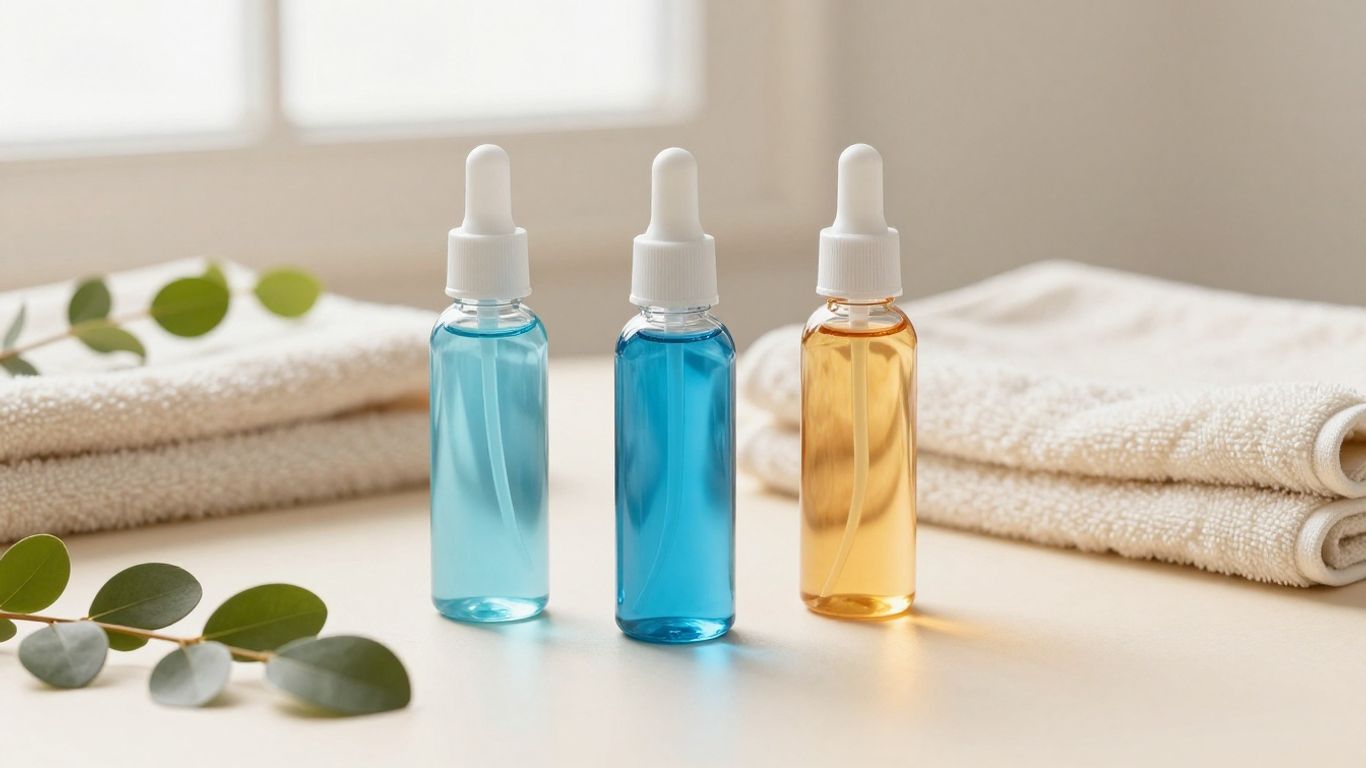
Water-based lubricant is often a practical starting point because it feels familiar, cleans up with water, and works with many types of intimate activity. It may dry sooner than other bases, particularly during a long session, but a small amount of water or another application can restore a more comfortable feel depending on the product directions.
Some water-based formulas are thin and fluid; others are thicker gels intended to stay in place. The label is more useful than the word “water-based” alone, since texture and ingredient choices vary substantially.
Silicone-based formulas for longer-lasting lubrication
Silicone-based lubricant generally stays slippery longer and is less affected by water, which can make it useful for bathing or other water-related activity. It can also feel silkier and more substantial than a light water-based gel. Cleanup may require soap rather than a quick rinse.
Compatibility with silicone toys needs special attention. Some silicone lubricants may affect some silicone toy surfaces, so follow the toy maker’s guidance and test cautiously if the materials are uncertain. A dedicated silicone lubricant guide offers a useful comparison of longevity, residue, and toy considerations.
Oil-based formulas and their compatibility limits
Oil-based lubricants can feel rich and long-lasting, but their main limitation is barrier compatibility. Oils can weaken natural rubber latex, increasing the risk that a condom will break. They may also be harder to wash from fabric and can be unsuitable for some toys or intimate tissues.
If you use latex condoms, choose a product specifically labeled compatible with them rather than guessing from the ingredient list. Oil-based products are not automatically unsafe, but they require more careful matching to the activity and materials involved.
Warming, cooling, flavored, and specialty options
Warming and cooling lubricants change sensation through added ingredients, while flavored products are designed for oral use when the label says they are suitable for it. These effects are optional, not a measure of quality. People with reactive skin may prefer a simpler, fragrance-free formula before trying sensory additives.
ArouselLube Intensifying Gel is described as a product with warming and cooling sensations, and its guidance highlights ingredient choices, patch testing, and compatibility. Specialty products should be introduced gradually, with attention to any burning, itching, or unusual irritation.
How to choose the right Glide lubricant
Choosing a lubricant is less about finding a universally “best” option and more about matching a formula to a real situation. Think about the activity, the materials involved, how long you want the glide to last, and whether your skin reacts to particular ingredients. A short trial can tell you more than an attractive package claim.
Matching the formula to your intended use
For everyday intimacy and easy cleanup, a water-based product is often a sensible first choice. Silicone may be preferable when longer-lasting slip or water resistance matters. Oil-based products may suit some activities without latex barriers, but they demand careful consideration of condoms, toys, and cleanup.
Write down the practical requirements before shopping: condom use, toy material, oral contact, water exposure, and sensitivity concerns. That simple list prevents a formula from being chosen only because its texture sounds appealing.
Choosing a texture, thickness, and longevity
A thin lubricant can feel light and natural, while a thicker gel may remain where it is applied and provide more cushioning. Some people prefer a silky finish; others dislike any residue or tackiness. Longevity also depends on friction, moisture, the amount applied, and the individual product.
Use the following comparison as a starting point, not a promise of identical performance across brands:
| Formula base | Typical feel | Main advantage | Watch for |
|---|---|---|---|
| Water-based | Light to gel-like | Easy cleanup and broad versatility | May need reapplication |
| Silicone-based | Silky and slippery | Longer-lasting, water-resistant glide | Check silicone-toy compatibility |
| Oil-based | Rich and conditioning | Long-lasting feel for some uses | Not compatible with latex |
After comparing the categories, consider where the product will be used and how much cleanup you are willing to do. The most comfortable texture is the one you can use confidently and generously enough.
Checking ingredient sensitivities and personal preferences
If you have sensitive skin, look for a shorter ingredient list and avoid ingredients you already know cause a reaction. Fragrance, flavoring, warming agents, cooling agents, and certain preservatives can be irritating for some people. A small patch test on an external area can be a cautious first step, but it cannot predict every intimate reaction.
ArouselLube’s positioning centers on body-safe ingredients, pH-balanced formulas, and third-party-tested formulations. Those are useful qualities to look for, but you should still read the specific product label and stop if the product causes discomfort.
Selecting single-use packets or larger bottles
Single-use packets are convenient for travel, discreet storage, and situations where contamination is a concern. Larger bottles are usually more practical for frequent use and may reduce packaging waste. Whichever size you choose, check that the cap closes securely and that the opening does not repeatedly touch skin or other surfaces.
For occasional use, packets can also help you test a formula before committing to a larger container. For regular use, a pump or easy-pour bottle may make it simpler to apply a sufficient amount without fumbling.
Glide lubricant compatibility and safety
Compatibility is a safety issue, not merely a matter of preference. The base of a lubricant can interact with latex, toy materials, fabrics, and sensitive tissue. Product labels provide the first answer, but when the material or activity is unclear, pause and verify rather than relying on assumptions.
Using lubricant with latex condoms
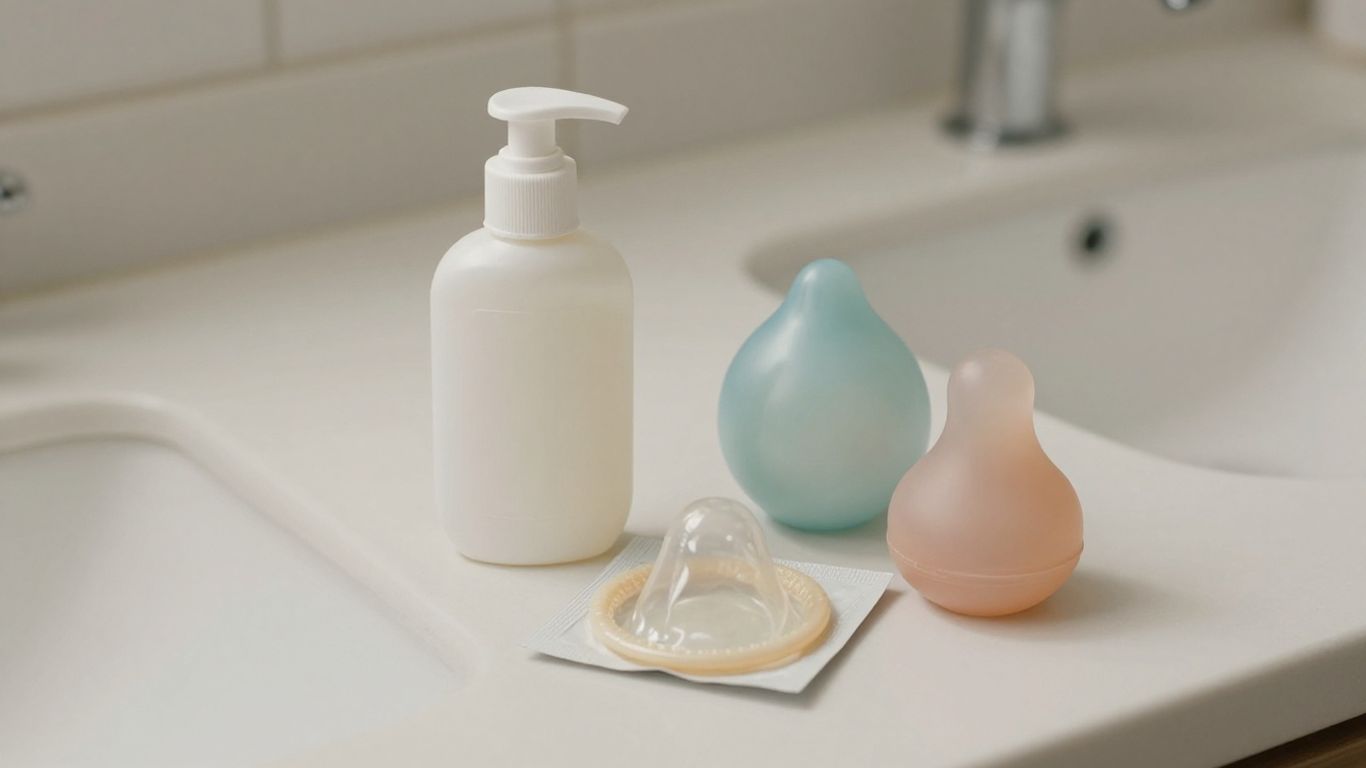
Water-based and many silicone-based lubricants are commonly chosen with latex condoms, but the product label should confirm compatibility. Apply lubricant to the outside of the condom as directed, and avoid products containing oils or petroleum-based ingredients unless the barrier manufacturer specifically says they are suitable.
The label for ID Glide Lubricant describes it as water-based and compatible with natural rubber latex, polyurethane, and polyisoprene condoms. That is a product-specific statement, not a rule that applies to every lubricant with a similar name or texture.
Checking compatibility with sex toys
Toy materials vary, and “toy-safe” is not precise enough when the material is unknown. Silicone, rubber, plastic, glass, and metal may each have different care instructions. When using a lubricant with a toy, consult the toy maker’s guidance and clean the toy according to its material and design.
If you are unsure about a silicone toy and a silicone lubricant, use a small amount on a discreet area only if the manufacturer permits testing. Changes such as tackiness, swelling, or surface damage are reasons to stop using the products together.
Why oil-based products can damage latex
Oil can break down latex and make a condom more likely to fail. This includes obvious oils as well as products containing petroleum jelly or oil-derived ingredients. A condom that looks intact may still have been weakened, so switching to a compatible lubricant after application does not restore the barrier.
If oil has been used with latex, replace the condom and consider whether emergency contraception or testing is appropriate for the circumstances. For future use, keep a clearly labeled latex-compatible option nearby.
When to stop use and seek medical advice
Stop using a lubricant if you experience burning, swelling, rash, bleeding, persistent itching, or pain. Wash away the product gently with lukewarm water, avoiding harsh scrubbing. Severe symptoms, trouble breathing, significant swelling, or symptoms that do not settle deserve prompt medical care.
Recurrent dryness or pain can have causes that lubricant alone will not solve. A clinician can help assess infection, dermatological conditions, pelvic-floor concerns, medication effects, or hormonal changes.
How to use and store Glide lubricant
Good application is simple, but a few habits make the experience cleaner and more comfortable. Start with a modest amount, spread it where needed, and add more before friction becomes uncomfortable. Keep communication open so either person can pause or ask for reapplication.
Applying the right amount
Begin with a small amount on clean fingers or directly where the label recommends. Spread it across the relevant external surfaces and add more if movement still feels dry or uncomfortable. More is not always better, but using too little can create unnecessary friction and make a formula feel sticky as it dries.
Give the product a moment to distribute before deciding whether you need more. A thicker gel may need less product than a thin liquid, while porous materials or extended activity may require additional application.
Reapplying during sexual activity
Reapply whenever the glide decreases, the product dries, or comfort changes. Do not wait until friction becomes painful. Water-based lubricants may benefit from another application, while silicone-based products may last longer but still need attention as they spread or wear away.
Keep the bottle or packet within reach, and avoid touching the nozzle to skin, toys, or other surfaces. This reduces the chance of transferring bacteria into the container.
Cleaning up after use
Follow the formula’s cleanup instructions. Water-based lubricants often rinse away readily, while silicone and oil-based products may need soap, a washcloth, or laundering. Avoid aggressive scrubbing of intimate skin, since irritation can make future discomfort more likely.
Clean toys separately according to their materials, and wash hands before closing the container. If a product leaves persistent residue or causes irritation after cleanup, choose another formula.
Storing lubricant to preserve its quality
Keep lubricant tightly closed in a cool, dry place away from direct sunlight and excessive heat. Do not store it in a damp bathroom cabinet if the cap or opening is likely to sit in pooled water. Heat and contamination can change texture or shorten usable life.
Check the expiration date and discard a product if its smell, color, texture, or packaging changes unexpectedly. Storage is part of product safety, not an afterthought.
Common mistakes to avoid with Glide lubricant
Most lubricant problems come from a mismatch rather than from the basic idea of using lubricant. People may choose a base without checking a condom, add a sensory product too quickly, or keep a bottle long after it has changed. A few deliberate checks can prevent those problems.
Using too little product
Too little lubricant can leave surfaces dragging, especially during longer activity or when a formula begins to dry. Add enough to maintain comfortable movement, then reapply before discomfort starts. If a product feels tacky, adding a little water may help only when the label supports that approach; otherwise, switch formulas.
Comfort is the useful measure. There is no virtue in trying to make a small amount last when it is not doing the job.
Choosing a formula without checking ingredients
A product can sound soothing and still contain an ingredient that does not suit your skin. Read the full list, especially if you have reacted to fragrance, flavoring, preservatives, or warming and cooling agents before. When trying something new, introduce one new product at a time so a reaction is easier to identify.
People interested in edible options may review food-grade lubricant guidance for a broader explanation of ingredients, flavoring, and the difference between edible and traditionally formulated products.
Mixing incompatible products
Mixing bases can alter texture and may create compatibility problems with condoms or toys. Do not assume that adding oil to a water-based formula is harmless, or that layering silicone products is always suitable for silicone toys. Use one product at a time unless the manufacturers clearly support combining them.
If you are changing products during an activity, check the barrier and toy instructions first. A clean restart is safer than experimenting on the fly.
Using expired or contaminated lubricant
Do not use a lubricant past its expiration date or one that has a strange odor, changed color, separated unexpectedly, or developed particles. Keep the opening clean, avoid sharing direct-contact applicators, and never dilute a bottle with tap water. Dilution can introduce microbes and alter the preservative system.
When in doubt, discard it. Replacing a questionable bottle is a small cost compared with managing irritation or an infection.
Conclusion
The right glide lubricant is the one that matches your intended use, feels comfortable, and works safely with your condoms, toys, and skin. Start with the base, read the ingredients, apply enough, and pay attention to how your body responds. A careful choice turns lubricant into one of the simplest intimate essentials for more comfortable, confident pleasure.
Frequently Asked Questions
What is a glide lubricant?
A glide lubricant is a personal product designed to reduce friction and improve comfort during intimate contact. The phrase can also describe automotive detailing products, so always confirm the intended use before buying or applying one.
Is water-based lubricant a good everyday option?
Often, yes. Water-based formulas are generally versatile and easy to clean, though they may dry sooner than silicone-based products and can require reapplication.
Can lubricant be used with latex condoms?
Use only a lubricant labeled compatible with latex condoms. Water-based and many silicone-based formulas are suitable, while oil-based products can weaken latex.
Is silicone lubricant safe with silicone toys?
Not always. Some silicone lubricants may affect some silicone toy surfaces, so check the toy manufacturer’s guidance and test only as directed.
How much lubricant should be used?
Start with a modest amount and add more until movement feels comfortable. The right amount varies with the formula, activity, body, and how long the product remains effective.
What should someone with sensitive skin look for?
A simpler, fragrance-free formula may be a reasonable starting point. Read the ingredient list, consider a cautious external patch test, and stop use if burning, itching, swelling, or pain develops.
How should personal lubricant be stored?
Close the container securely and keep it in a cool, dry place away from direct sunlight and heat. Discard it if it expires or changes in smell, color, texture, or appearance.





































































