

Posted by Mike
on October 15, 2026

Key Takeaways
Choosing a lubricant is a personal process: ingredients, formula type, and product compatibility all matter. A cautious first try can help you notice how your body responds.
- Read the full ingredient list rather than relying on front-label claims.
- Fragrance, flavor, and warming ingredients may not suit sensitive skin.
- Compare water-, silicone-, and oil-based formulas with your needs in mind.
- Check condom and toy instructions before combining products.
- Stop using a product if irritation develops, and seek medical advice for persistent or concerning symptoms.
What can make skin sensitive to lubricant
Sensitivity can arise from an ingredient, a combination of ingredients, or friction during sex; the cause is not always obvious at first. A product that feels comfortable for one person may bother another, and reactions can vary by body area. If you are comparing options, a sensitive-skin lubricant guide can offer another checklist of ingredients and compatibility points to review.
Common irritants and allergens in personal lubricants
Personal lubricants can contain preservatives, fragrances, flavorings, botanical extracts, or other ingredients that some people find irritating. An allergy is a specific immune response, while irritation can occur without an allergy; either may cause redness, itching, stinging, or discomfort. A label cannot predict your personal response, so note ingredients you have reacted to before and avoid assuming that a “natural” or “gentle” description guarantees comfort.
How fragrance, flavor, and warming agents may affect comfort
Scented and flavored products may contain ingredients intended to add a sensory quality, while warming products are designed to create a noticeable sensation. For some people, those additions are fine; for others, they may feel uncomfortable or irritating, especially on delicate tissue. If your main goal is to reduce possible triggers, a simpler, fragrance-free option may be worth considering, while still checking the complete label.
Why sensitivity can vary by person and body area
Skin and mucosal tissue do not respond identically, and irritation can be affected by friction, dryness, shaving, or an existing skin condition. A product tolerated on the hand may not feel the same on genital tissue, so a small external-area test cannot guarantee comfort during use. Discomfort may also have causes other than lubricant, including infection, hormonal changes, or a reaction to another product used at the same time.
How to compare lubricant ingredients
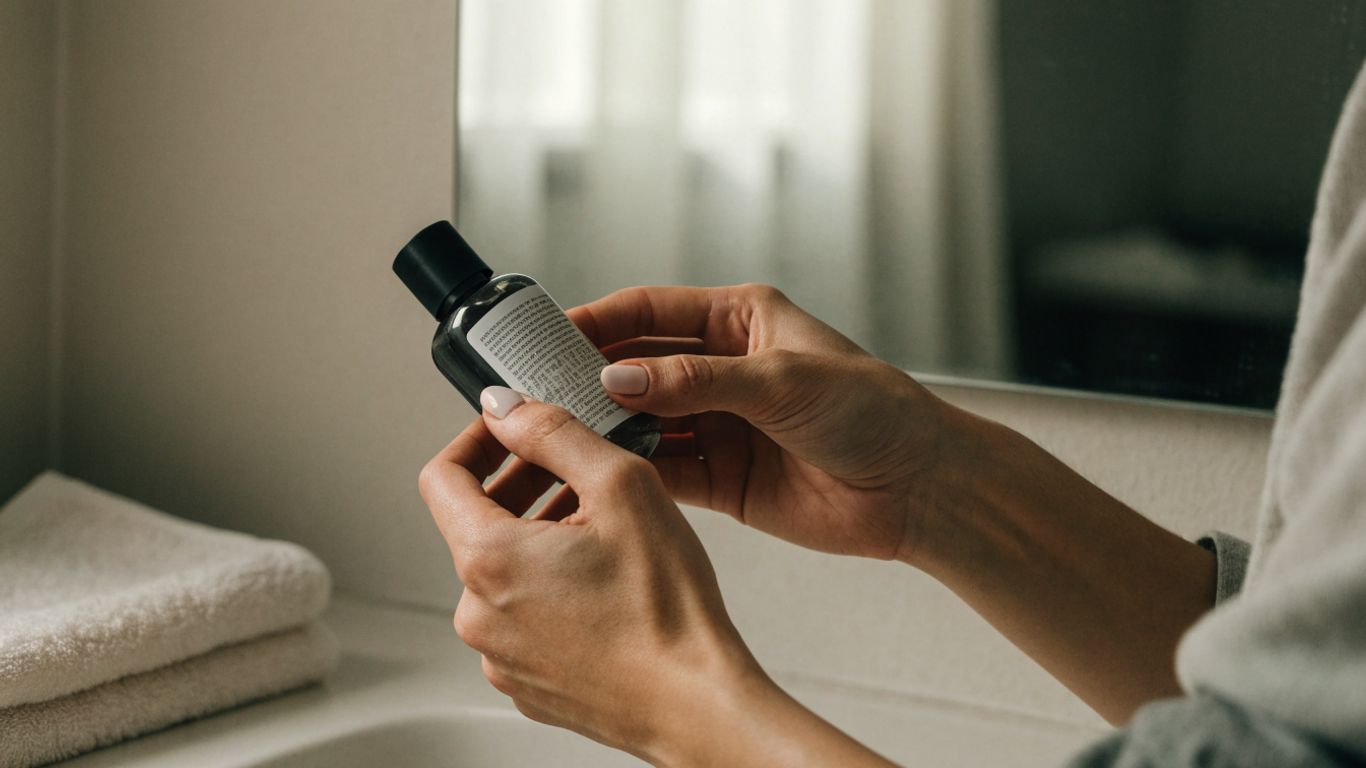
A short ingredient list can make it easier to spot a familiar trigger, but length alone does not tell you whether a formula will suit you. Read the full label and consider what you have used comfortably before. Arousellube offers water-based, edible personal lubricants made with natural ingredients; that description is a starting point for reviewing the particular ingredient list, not a guarantee that every ingredient will suit every person.
What to look for in a short ingredient list
Look for ingredients you recognize from past reactions, and be cautious about relying on broad terms such as “natural” or “hypoallergenic” as proof that a product will not cause symptoms. Labels can help you compare formulas, but they cannot establish your individual tolerance. If you have known allergies, check for the relevant ingredient names and ask a clinician or pharmacist when a label is unclear.
Glycerin, preservatives, and other ingredients to assess
Glycerin, preservatives, and plant-derived ingredients may be present for different formulation purposes, and their presence alone does not establish that a product is unsuitable. People can respond differently, so the most useful comparison is between the label and your own history. This quick guide can help organize what you notice while you read:
| Label detail | What to consider | Useful next step |
|---|---|---|
| Fragrance or flavor | Added sensory ingredients may bother some users | Consider an unflavored, fragrance-free option |
| Glycerin | Individual responses vary | Check whether you have noticed a pattern with past products |
| Preservatives | They help formulate products but may be a personal trigger | Review the full ingredient name if you have a known sensitivity |
| Botanical ingredients | Plant-derived does not mean allergy-free | Avoid ingredients linked to a past reaction |
The table is a comparison aid, not a list of ingredients that everyone should avoid. Arousellube makes water-based, edible personal lubricants with natural ingredients, but a reader who is sensitive to a particular ingredient should still check the label rather than infer suitability from the product description.
How pH and osmolality may matter for vaginal use
For vaginal use, pH and osmolality are additional details that may help when comparing products, but they do not replace your own comfort or the advice of a clinician. Formulas differ, and label information may not include every measurement. If you have recurrent irritation or a condition affecting vaginal tissue, ask a healthcare professional whether these factors are relevant to your situation instead of trying to diagnose the cause from a label alone.
Water-based, silicone-based, and oil-based options
The base affects how a lubricant feels, how it cleans up, and what it can be used with. There is no single type that is best for everyone; the right starting point depends on personal preference, intended use, and compatibility with condoms or toys. Arousellube offers water-based, edible personal lubricants made with natural ingredients, one example of the water-based category rather than a claim that one formula suits every person.
When a water-based lubricant may be a practical choice
Water-based products are a common option for people who want a formula that rinses away with water, though feel and reapplication needs vary by product. Arousellube offers water-based, edible personal lubricants made with natural ingredients; as with any product, check the full ingredients and instructions before use. The “water-based” label alone does not establish that a lubricant works with every toy, so confirm the relevant product guidance.
How silicone-based formulas differ in feel and staying power
Silicone-based lubricants often have a different, slicker feel and may last longer without reapplication than some water-based options. Their texture and cleanup can also differ, so consider what you prefer and what the label says about intended use. Some silicone toys may not be compatible with some silicone lubricants; check both products’ instructions rather than assuming that matching material names mean they work together.
Where oil-based lubricants fit—and when to avoid them
Oil-based products have a distinct feel and may be harder to wash off than water-based formulas. Most importantly, oils can weaken latex condoms, so do not pair an oil-based lubricant with a latex condom. Check the exact condom and lubricant labels for other materials and uses, and avoid improvising when the compatibility information is unclear.
How to check compatibility with condoms and sex toys
A lubricant can feel comfortable and still be a poor match for a condom or toy material. Check the directions on both products, including any warnings about lubricant type or material, and follow the more restrictive guidance if instructions differ. Product labels matter because compatibility can depend on the specific formula and item, not only on broad categories.
Which lubricant types work with latex condoms
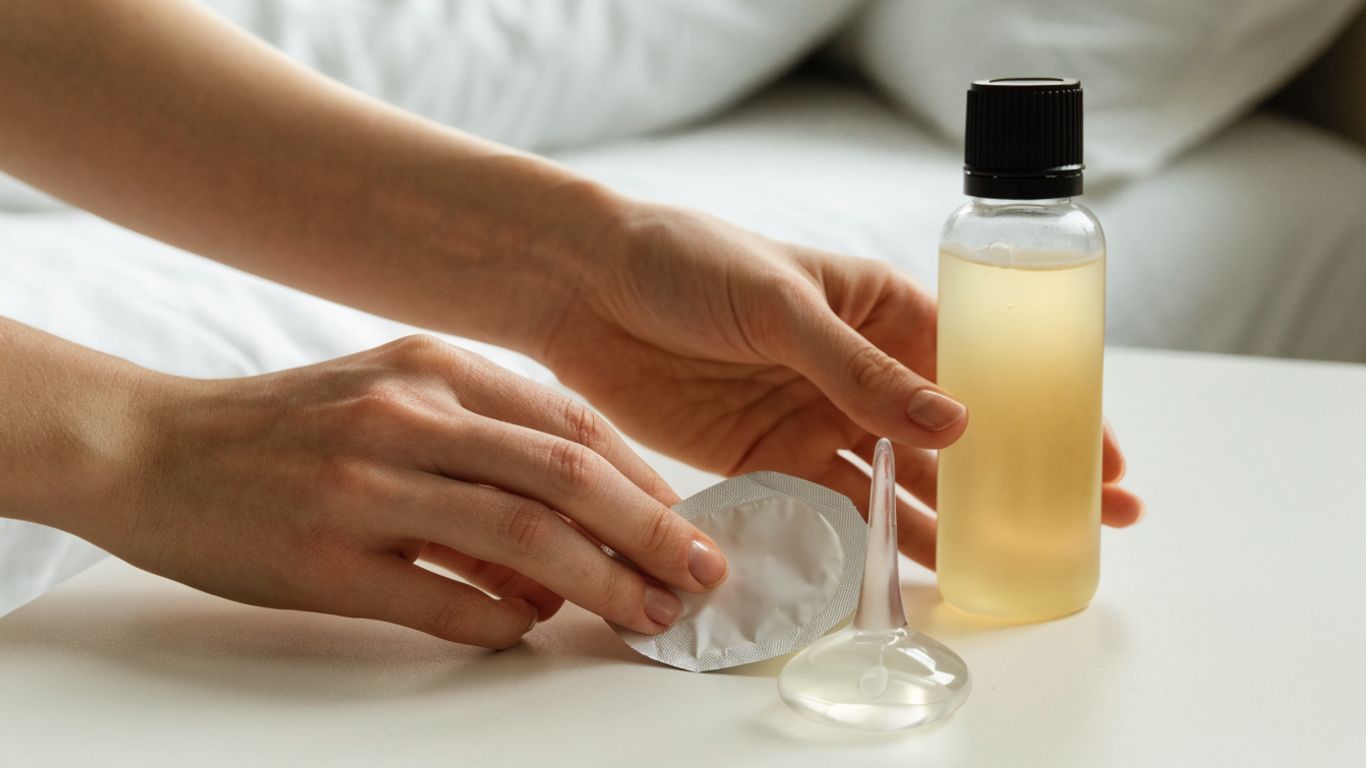
Oil-based lubricants can weaken latex condoms and should not be used with them. Water-based and silicone-based lubricants are generally compatible with latex condoms, but read the condom and lubricant labels to confirm the instructions for the products you have. If a package advises against a particular combination, choose a different lubricant rather than relying on appearance or feel.
How to check material guidance for toys
Toy materials differ, and the product maker’s instructions are the best place to check which lubricants are suitable. Some silicone toys may not work well with silicone-based lubricant, while water-based products are often suggested as a broadly compatible starting point; still, follow the guidance for the specific toy. If you cannot find clear instructions, contact the maker or choose a product whose label explicitly fits the intended use.
Why product labels matter when combining products
When using a lubricant with a condom, toy, or another intimate product, check the directions for each item instead of treating one label as a substitute for the others. Do not combine products if either label cautions against it. A guide to lubricant ingredients and compatibility may be useful for comparing the kinds of details to look for, but the instructions on the products you own take priority.
How to try a new lubricant carefully
A careful first try gives you a chance to notice how a formula feels without changing several things at once. Check the label, use only as directed, and keep track of when any symptoms begin. An external skin test may reveal an immediate reaction for some people, but it cannot predict how internal tissue will respond or rule out a later reaction.
Start with a small amount and follow label directions
Begin with a small amount, and add more only if needed and allowed by the instructions. Avoid introducing a new lubricant alongside several other new products, since it can be harder to identify what caused a reaction. A simple routine can make the first use easier to assess:
- Read the directions and warnings before opening the product.
- Check ingredients against known allergies or past reactions.
- Use a small amount and avoid applying it to broken or irritated skin.
- Note when you used it and any symptoms that follow.
If the product is comfortable, that is useful information, but one uneventful use does not guarantee that a reaction will never occur. Keep the packaging available so you can refer to the ingredient list if symptoms appear.
Stop use if burning, itching, or irritation develops
Stop using the product if burning, itching, swelling, or irritation begins, and gently rinse the area with water if appropriate. Do not apply another product to mask the symptoms, since it may add a new possible irritant. If symptoms are severe, spreading, or accompanied by a concerning reaction, seek medical advice promptly.
Distinguish possible lubricant irritation from other causes of discomfort
Timing can offer a clue: symptoms that start soon after using a new product may be related to it, but timing alone does not prove the cause. Friction, an infection, a skin condition, or another product may also contribute. Vaginal dryness can have multiple causes, including hormonal changes; this overview of hormonal changes and dryness may help you recognize why discomfort is not always attributable to lubricant. A short symptom and product record can help a clinician assess the possibilities.
When to seek medical advice
Mild discomfort may settle after stopping a suspected product, but persistent or recurring symptoms deserve attention. Do not keep testing a product that seems to trigger a reaction. A clinician can help assess whether symptoms relate to irritation, an allergy, infection, or another cause, and advise on next steps.
Symptoms that persist after stopping the product
Arrange medical advice if itching, redness, soreness, or burning continues after you stop using the lubricant, or returns without a clear explanation. Repeated irritation can have several causes, so it is better not to assume that changing lubricant alone will solve it. If discomfort makes sex painful or interferes with daily activities, mention that when you seek care.
Signs that may need prompt evaluation
Seek prompt care for severe pain, significant swelling, sores or blisters, unusual discharge, fever, or symptoms that are rapidly worsening. Trouble breathing or swelling of the face or throat may signal a serious allergic reaction and requires emergency help. When you are unsure how urgent a reaction is, contact a healthcare professional or local urgent-care service for guidance.
What product and symptom details to share with a clinician
Bring the product name or packaging, and note when you used it, where it was applied, and when symptoms began. Mention any other products used around the same time, known allergies, and whether symptoms have happened before. These details can help the clinician consider possible triggers without assuming that the lubricant is the only cause.
Conclusion
A thoughtful choice starts with the ingredient list and continues with compatibility checks and a careful first use. No label can guarantee that a lubricant will suit every person, but paying attention to your own response—and seeking care when symptoms persist—can make the decision safer and more comfortable.
Frequently Asked Questions
What lubricant ingredients may bother sensitive skin?
Responses vary, but fragrance, flavoring, preservatives, glycerin, or botanical ingredients may be uncomfortable for some people. Review the complete label and consider any ingredients linked to your past reactions.
Is water-based lubricant a good choice for sensitive skin?
It can be a practical option for some people, but the base does not determine whether every ingredient will suit you. Check the full ingredient list and follow product directions.
Can I test lubricant on my skin before using it?
A small test on external skin may reveal an immediate reaction, if the product directions allow it. It cannot establish that the product will be comfortable on genital tissue or prevent a later reaction.
Is silicone-based lubricant safe with silicone toys?
Not necessarily. Some silicone toys may not be compatible with some silicone lubricants, so check the instructions for both products before combining them.
Can I use oil-based lubricant with a latex condom?
No. Oil-based lubricants can weaken latex condoms. Check product labels and choose a lubricant indicated as compatible with the condom material.
What should I do if lubricant causes burning or itching?
Stop using it and rinse the area gently with water if appropriate. Seek medical advice if symptoms are severe, persist, recur, or come with other concerning signs.
When should I see a clinician about irritation?
Seek advice if symptoms continue after stopping the product or keep returning. Severe pain, significant swelling, sores, unusual discharge, fever, or rapidly worsening symptoms may need prompt evaluation.





































































