

Posted by Mike
on October 20, 2026

Key Takeaways
Choosing a lubricant is less about finding a universally best formula and more about matching its ingredients and texture to your body, activity, and preferences.
- Water-, silicone-, oil-, and hybrid-based formulas differ in glide, cleanup, and compatibility.
- Check condom and toy instructions before using a lubricant with them.
- Review ingredients and consider sensitivity, pH, and osmolality when relevant.
- Treat product claims as a starting point; read the full label and directions.
- Try a small amount first, and stop using a product if it causes irritation.
Understand the main lubricant types
Personal lubricant brands offer products made with different bases, and those ingredients shape how a formula feels and behaves. There is no single type that suits every activity or preference. Learning the basic tradeoffs makes it easier to narrow the shelf without relying on marketing language alone.
Water-based formulas and when they work well
Water-based formulas are often easy to wash away and can be a practical starting point when you want a versatile lubricant. They may need reapplication as they dry, so consider whether that tradeoff fits your plans. Arousellube offers water-based, edible personal lubricants made with natural ingredients; check the specific product label for its ingredients and directions.
A quick comparison of the main bases can help set expectations, though the feel of individual formulas varies.
| Formula base | Common consideration | Possible tradeoff |
|---|---|---|
| Water-based | Washes away with water | May need reapplication |
| Silicone-based | Often maintains glide longer | Can take more effort to wash off |
| Oil-based | Has a rich, slick feel | Not compatible with latex condoms |
| Hybrid | Combines more than one base | Check the full ingredient list and directions |
Use the table as a first filter, not a guarantee about a particular product. Texture, additives, and intended use matter too, so compare the label details before choosing.
Silicone-based formulas for longer-lasting glide
Silicone-based lubricants are often chosen when a longer-lasting glide is a priority, since they do not dry out in the same way as many water-based formulas. They can be useful when frequent reapplication would interrupt the experience. Because they can be harder to rinse away, consider whether that cleanup feels acceptable to you.
Oil-based formulas and their compatibility limits
Oil-based lubricants can feel rich and slick, but they have an important compatibility limit: oils can weaken latex condoms and increase the risk of breakage. If you use latex condoms, choose a lubricant labeled as compatible instead. Oil-based products can also be harder to remove from fabric, so consider cleanup as well as feel.
Hybrid formulas that combine different bases
Hybrid lubricants combine different base ingredients, often pairing water with silicone. The exact texture and performance depend on the product, so the word “hybrid” alone does not tell you how long it will last or how easily it will wash off. Read the ingredient list and directions, and check condom and toy compatibility before use.
Match the formula to how you plan to use it
Start with the activity and setting rather than a broad promise on the front of a package. A formula that feels comfortable for one kind of use may not be the best choice for another. Think about how much glide you want, whether water will be involved, and how you prefer to clean up afterward.

Choosing lube for vaginal or anal sex
For vaginal use, comfort and ingredients are central considerations; for anal sex, a formula that provides enough glide and stays comfortable may be especially useful. Lubricant does not prevent pregnancy or sexually transmitted infections, so it is not a substitute for contraception or barrier protection. Review practical anal lubricant considerations if you are comparing options for anal use.
The right amount and texture are personal. Begin with the product directions, use enough to feel comfortable, and reapply when needed rather than continuing through discomfort.
Considering shower use and water exposure
Water can rinse away water-based lubricant, which may mean more frequent reapplication in a shower or bath. Silicone-based formulas are generally more resistant to water, but check product directions and any condom or toy guidance before relying on that feature. A slick surface can also be hazardous, so take care when moving around a wet space.
A product described as long-lasting still needs to feel comfortable for you. Keep the setting and cleanup in mind, and stop if the formula causes irritation.
Finding a formula for external or internal use
Products are not automatically suitable for every area of the body just because they are sold as personal lubricants. Read the label for intended use, directions, and warnings, especially if you are considering a flavored or specialty formula. Arousellube offers edible, water-based personal lubricants made with natural ingredients; as with any product, follow the individual label rather than assuming every formula has the same directions.
Balancing glide, cleanup, and reapplication
A useful choice balances how a lubricant feels with how often you may need to reapply and how easily it washes away. These points can be compared side by side before choosing a formula.
| What to weigh | Question to ask |
|---|---|
| Glide | Does the texture feel comfortable for the intended use? |
| Staying power | Are you comfortable reapplying if it dries or wears away? |
| Cleanup | Can you rinse or wipe it away in a way that suits you? |
| Compatibility | Does the label confirm it works with your condom or toy? |
No single row matters more for everyone. Prioritize the qualities that make the experience comfortable, then confirm the product is appropriate for the items you plan to use with it.
Check compatibility with condoms and sex toys
Compatibility is a practical safety check, not a minor detail. A formula that feels right may still be unsuitable for a particular condom material or toy. Check both the lubricant label and the manufacturer’s directions for the condom or toy, and do not rely on assumptions based only on texture.
What to know about latex condoms and oil-based lube
Oil-based lubricants can weaken latex condoms, which may make them more likely to break. Avoid pairing oil-based products with latex condoms; use a lubricant labeled as compatible with the condom material instead. If the label is unclear, choose a different product or ask a pharmacist or clinician for guidance.
How silicone lube may interact with silicone toys
Some silicone-based lubricants may affect some silicone toys, but compatibility can vary by product. Check the toy manufacturer’s instructions before use, and follow any warning about lubricant type. If you cannot confirm compatibility, choose a product recommended for that toy material or contact the manufacturer.
Checking product labels and manufacturer guidance
The lubricant label and the condom or toy instructions should agree about what is safe to use together. A personal lubricant comparison guide can help you organize questions about formula, ingredients, cleanup, and compatibility, but the product-specific directions remain decisive. When guidance is missing, do not guess.
Compare ingredients and sensitivity considerations
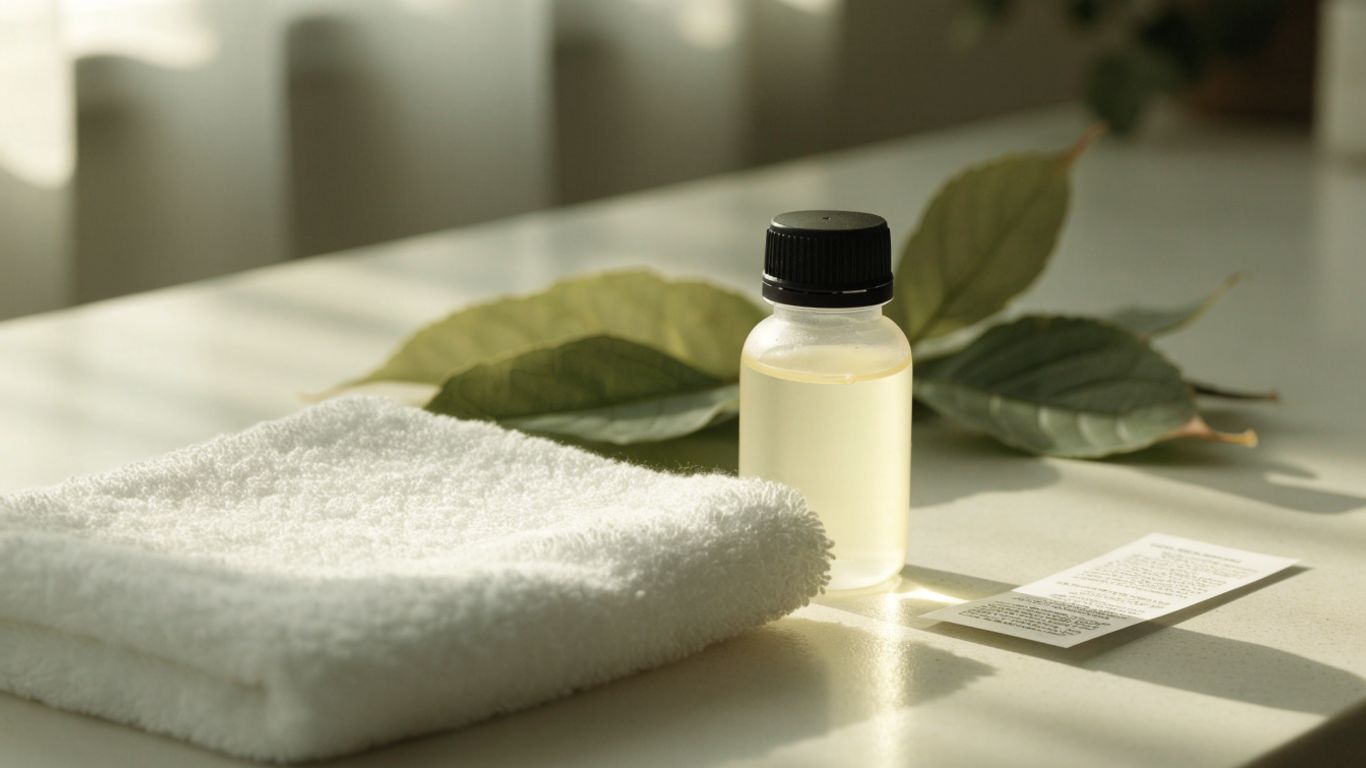
Ingredients can affect how a lubricant feels on delicate skin, and individual responses vary. If you have a history of irritation, a shorter ingredient list may be easier to review, but “natural” does not guarantee that a product will suit you. Consider both the base and any added fragrance, flavor, or sensation ingredients.
Identifying ingredients that may irritate sensitive skin
Fragrances, flavors, preservatives, and other additives can bother some people, while others use them without a problem. If you know that a particular ingredient causes irritation, check the full list rather than relying on front-label terms. For people with sensitivities, choosing a simpler formula and introducing it cautiously can make it easier to identify what does or does not agree with their skin.
Understanding warming, cooling, and flavored additives
Warming and cooling products are designed to create a sensation, but that sensation may feel unpleasant or irritating for some users. Flavored formulas can also contain ingredients that differ from unflavored products. Read directions carefully, use only as directed, and discontinue use if you notice burning, pain, or other discomfort.
Considering pH and osmolality for vaginal use
For vaginal use, pH and osmolality are useful details to look for when a manufacturer provides them. They describe different properties of a formula, and neither label language nor a single claim tells the whole story about personal comfort. This guide to pH and osmolality offers additional context for evaluating those factors.
When to stop using a product and seek medical advice
Stop using a lubricant if it causes irritation, burning, swelling, or pain, and rinse the area with water if appropriate. Symptoms that are severe, keep returning, or persist after stopping the product warrant advice from a healthcare professional. Seek urgent care for a severe reaction or symptoms that feel alarming.
Evaluate what a lubricant brand tells you
A package can tell you a lot, but only if you look beyond its headline claims. Compare the product’s full ingredient list, instructions, compatibility notes, and size before deciding whether it suits your needs. Clear, specific information is more useful than a broad promise about comfort or performance.
Reading ingredient lists and usage directions
Check the complete ingredient list and the directions for where and how the product is intended to be used. Look for warnings, storage guidance, and any limits on use with condoms or toys. The Arousellube range includes water-based, edible personal lubricants made with natural ingredients; review the individual product details to understand its listed ingredients and directions.
Distinguishing product claims from useful details
Claims such as “natural,” “silky,” or “long-lasting” can help describe a product’s positioning, but they do not replace practical information. Look for specific details that let you assess the formula, intended use, and compatibility. Consider what matters to you and compare like with like rather than treating a single adjective as proof of performance.
Looking for clear safety and compatibility information
A reliable label should make it possible to identify the product’s ingredients and how it is meant to be used. For condom or toy use, look for direct compatibility information and confirm it against the item manufacturer’s guidance. If an important detail is absent, contact the company or select a product with clearer directions.
Comparing packaging, sizing, and price per use
A larger bottle may cost less per ounce, but that does not necessarily make it the better value if you are unsure the formula suits you. Compare the amount you are likely to use, how the container dispenses, and how the product should be stored after opening. The best size is one you can use comfortably and keep according to its instructions.
Narrow down your options and test a product
After checking formula, intended use, and compatibility, you can narrow the choices to a few options. A small, cautious trial can tell you more about texture and comfort than a long list of claims. Treat the first use as a way to learn what suits you, not as a commitment to buy in bulk.
Choosing a small size before buying in bulk
A smaller size can be a sensible first purchase if you are uncertain about texture or ingredients. Before buying, confirm that the container will be practical to use and that you can follow its storage directions. If you want a brand-specific starting point, the ArouselLube guide covers formulas, ingredients, textures, and use cases.
A simple comparison can keep a first trial focused:
- Note the formula base and any ingredients you prefer to avoid.
- Check the directions and compatibility with condoms or toys.
- Consider how the texture and cleanup fit the intended use.
- Compare the small-size cost with the amount you are likely to use.
Once you have checked these points, you can choose a trial product with fewer unknowns. Keep the packaging so you can refer back to the ingredient list if you notice a reaction.
Trying a patch test for external skin sensitivity
If you are concerned about sensitivity, try a small amount on external skin first and wait to see how it feels before broader use. A patch test cannot guarantee that a product will be comfortable on more sensitive tissue, but it may help reveal an immediate skin reaction. Do not apply a product internally for a patch test.
Comparing texture and staying power in a low-stakes trial
In a low-stakes trial, notice whether the texture feels comfortable, how quickly it changes, and whether cleanup suits you. Use the product only as directed, and avoid changing several products at once if you are trying to identify a sensitivity. If discomfort occurs, stop and choose another approach.
Conclusion
The right personal lubricant is the one that fits your intended use, feels comfortable, and works with the condoms or toys you plan to use. Compare ingredients and directions rather than relying on a broad claim, and take time to try a small amount before making a larger purchase. If irritation or persistent symptoms arise, stop using the product and consult a healthcare professional.
Frequently Asked Questions
What is the difference between water-based and silicone-based lubricant?
Water-based formulas are generally easier to rinse away and may need reapplication, while silicone-based formulas often maintain glide longer and can be harder to wash off. Product performance varies, so check the label and directions.
Can I use oil-based lubricant with a latex condom?
No. Oil-based lubricants can weaken latex condoms. Choose a product labeled as compatible with the condom material you use.
Is silicone-based lubricant safe to use with silicone toys?
Not always. Compatibility can vary by product and toy, so check the toy manufacturer’s instructions and the lubricant label before using them together.
How do I know if a lubricant is irritating me?
Irritation may include burning, itching, swelling, pain, or redness. Stop using the product if symptoms appear, and seek medical advice if they are severe or persist.
Should I choose a lubricant with warming or cooling ingredients?
These ingredients create a sensation that some people enjoy and others find uncomfortable. Read the directions, use the product only as directed, and stop if it causes irritation.
What do pH and osmolality mean on a lubricant label?
They describe different properties of a formula that may be relevant for vaginal use. If these details are provided, consider them alongside the ingredient list and your own comfort; ask a healthcare professional if you have specific concerns.
Is a larger bottle always better value?
Not necessarily. A larger size may cost less per ounce, but a smaller bottle can be a better first choice if you are still assessing comfort, ingredients, or texture. Follow the product’s storage directions once opened.


