

Posted by Mike
on September 24, 2026

Key Takeaways
A good comparison starts with the formula and how you plan to use it, then checks ingredients, compatibility, and value. The most comfortable choice is personal, so give yourself room to compare and test thoughtfully.
- Water-based formulas are often easy to clean up; silicone-based ones tend to last longer.
- Check condom and toy instructions before choosing a lubricant base.
- Read the full ingredient list, especially if you have a history of irritation.
- Compare clear product details and cost per use, not just brand claims or package price.
- Start with a small amount and stop using a product if it causes discomfort.
Understand the main lubricant types
Personal lubricants come in several broad formula types, each with different tradeoffs in glide, cleanup, and compatibility. The label’s base is a useful first filter, but it does not answer every question about a product. Consider the activity and anything the lubricant will come into contact with before deciding.
Water-based formulas and their everyday uses
Water-based formulas are a common starting point because they rinse away relatively easily and work with many condoms and toys. They may dry out sooner than other types, so some people need to reapply. For a plain-language overview of how lubricants reduce friction, it helps to distinguish the product’s basic purpose from the qualities of a particular formula. The label still matters: additives and instructions differ by product.
Arousellube offers water-based, edible personal lubricants made with natural ingredients. That description gives a useful starting point for comparison, but it does not replace checking the specific package for ingredients and use directions.
Silicone-based formulas and longer-lasting glide
Silicone-based lubricants generally provide glide for longer without drying as quickly as many water-based options. They can take more effort to wash off, and silicone-based lubricant may not suit every silicone toy. Check both product labels before pairing them. A longer-lasting feel can be convenient, but it is not automatically the best fit for everyone.
Oil-based formulas and condom compatibility
Oil-based lubricants can feel rich and persistent, but they are not compatible with latex condoms because oil can weaken latex. This is a practical safety issue, not a matter of preference: if you rely on latex condoms, choose a lubricant labeled as compatible instead. Other condom materials have their own instructions, so check those rather than assuming all materials behave alike.
Hybrid formulas and how they combine ingredients
Hybrid products combine ingredients from more than one base category, so the word “hybrid” alone does not tell you how a particular formula will feel or what it works with. Check the ingredient list and compatibility guidance on the package. The table below gives a broad comparison; individual products can vary.
| Formula type | Common consideration | Cleanup and compatibility check |
|---|---|---|
| Water-based | Often easy to rinse away | Check the label for ingredients and use directions |
| Silicone-based | Often offers longer-lasting glide | Confirm compatibility with silicone toys |
| Oil-based | Can weaken latex condoms | Avoid with latex condoms; check other materials |
| Hybrid | Combines ingredients from different bases | Use the specific product’s compatibility guidance |
Think of this as a shortlist, not a ranking. The best match depends on which tradeoffs matter to you and the products you plan to use alongside the lubricant.
Match a formula to your needs
Comfort is not just about a lubricant’s base. Texture, duration, ingredients, and added sensations all affect whether a product feels right for you. A small, careful comparison can narrow the options before you buy a full-size bottle.

Choosing for sensitive or easily irritated skin
If your skin is easily irritated, start with the full ingredient list rather than front-of-package language such as “gentle” or “natural.” Fragrance, flavoring, warming agents, and other additives may not suit every person. Arousellube offers water-based, edible personal lubricants made with natural ingredients; if you are considering them, review the product label for the details relevant to your own sensitivities. A personal lubricant sample guide can help you think through testing a smaller amount before settling on a formula.
Finding a texture and level of thickness you prefer
Texture is subjective: one person may like a light, fluid formula, while another may prefer a thicker feel that stays where it is applied. Product descriptions can help you form an expectation, but a small trial is often more revealing than a list of adjectives. If a formula feels sticky, too thin, or otherwise distracting, that is useful information for your next comparison.
Considering long-lasting glide versus easy cleanup
Longer-lasting glide can mean less frequent reapplication, while a formula that rinses away easily may simplify cleanup. Neither quality is universally better; think about what matters for your situation and whether the product is compatible with condoms or toys you use. Keep in mind that a product’s staying power and cleanup depend on its formula, so read the individual directions rather than relying only on the base category.
Checking whether the formula is flavored, warming, or scented
Added flavor, warmth, or scent can change the experience, but extra sensation is not essential to a useful lubricant. If you know that fragrances or particular additives bother you, a simpler formula may be a more comfortable place to start. Read the package carefully and stop using a product if it causes irritation or discomfort.
Check compatibility with condoms and toys
Compatibility deserves its own check before you use a lubricant, especially when condoms or toys are involved. The same formula can be convenient in one situation and unsuitable in another. Read the lubricant label alongside the instructions for the condom or toy rather than relying on a general rule alone.
Why oil-based lubricants can weaken latex condoms
Oil can weaken latex, increasing the chance that a latex condom will fail. Do not pair an oil-based lubricant with a latex condom. If you use another condom material, check its packaging for approved lubricant types instead of assuming it is compatible with every base.
Matching lubricant ingredients to toy materials
Some lubricant ingredients may not work well with certain toy materials. Silicone-based lubricant, in particular, may affect some silicone toys, so check the toy maker’s care guidance as well as the lubricant label. When the instructions are unclear, contact the manufacturer before use; guessing is not a reliable compatibility test.
Reading product labels for compatibility guidance
Look for specific language about condoms and toy materials, not only broad phrases such as “body safe.” If a label does not address the item you plan to use, look for the manufacturer’s instructions or contact customer support. A buying guide to matching lubricant and toy materials can also help organize the questions to check before you choose.
Evaluate ingredients and brand claims
A product’s front label is designed to be quick to scan, but the ingredient list and use instructions offer more useful detail. Pay attention to anything you know you tend to react to, and be cautious about treating “natural” as a guarantee of compatibility with your body. Claims about testing or balance are worth understanding, but a clear explanation is more useful than a reassuring-sounding phrase by itself.
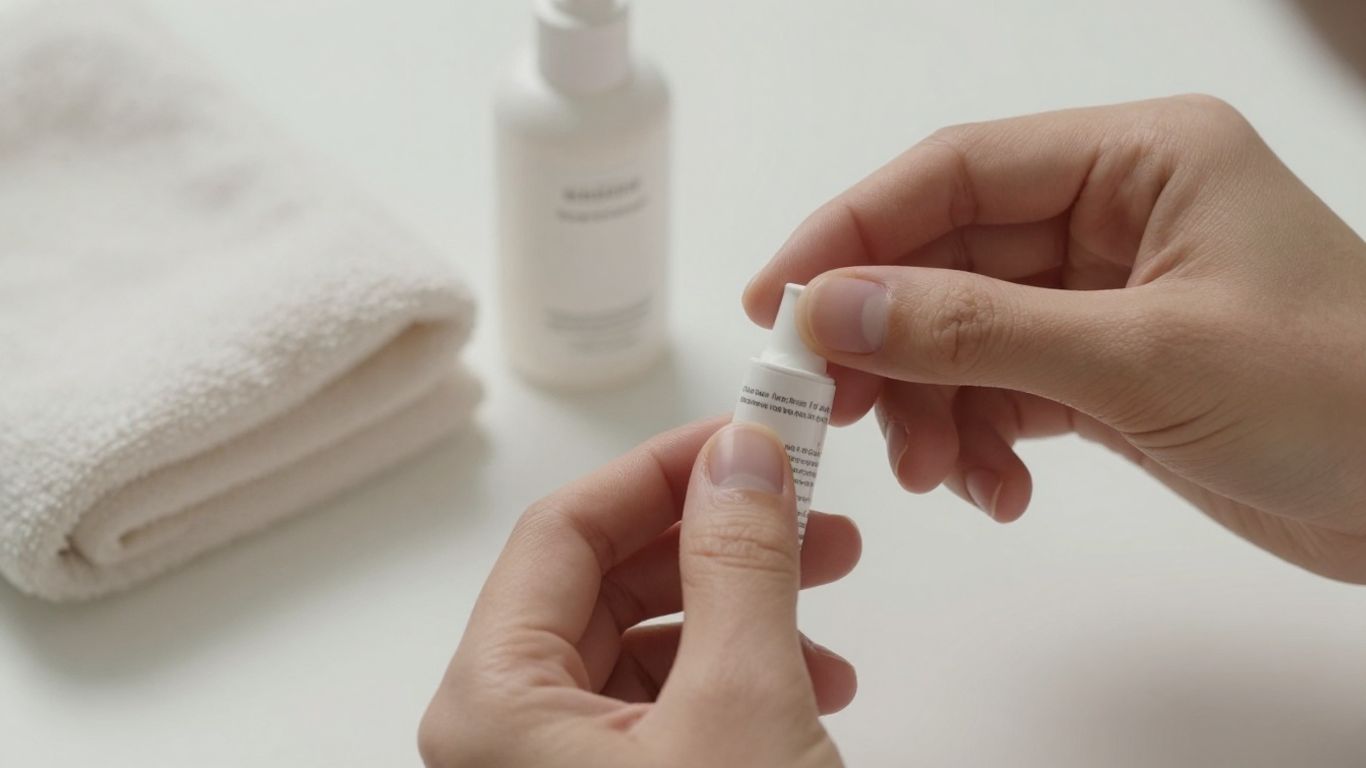
Reviewing ingredient lists for potential irritants
Read the complete ingredient list and compare it with your own past experiences. Ingredients that are comfortable for many people can still bother an individual, so a label cannot predict your personal response. When reviewing a package, look for the details that help you make a grounded choice:
- Ingredients you have reacted to before.
- Added fragrances, flavors, or warming ingredients.
- Clear directions for intended use.
- A way to contact the manufacturer with questions.
Use this as a practical scan rather than a diagnosis. A snack-label reading guide applies a similar habit in a different category: look past the front-of-package message and check the listed ingredients. Arousellube describes its offering as water-based and edible, made with natural ingredients; still, check the package details rather than inferring that every ingredient will suit you.
Understanding pH and osmolality claims
Some lubricants make claims about pH or osmolality, measurements that may be relevant to how a formula is intended for a particular use. A number or “balanced” claim is not, by itself, proof that a product will be comfortable for every person. Look for clear context about what the claim means, and ask a healthcare professional if you are trying to address recurring discomfort or a specific health concern.
Distinguishing tested claims from marketing language
Words like “tested,” “pure,” and “body-safe” can sound persuasive, but useful claims should be specific enough to assess. Look for information about what was tested, by whom, and what the result covers; if those details are not available, treat broad language as marketing rather than a personal guarantee. This approach keeps the comparison focused on what the product information actually supports.
Knowing when to ask a healthcare professional for guidance
Stop using a lubricant that causes discomfort, and seek medical advice for persistent irritation, pain, or other symptoms. A healthcare professional can help assess whether symptoms may have a cause beyond the product itself and discuss suitable options. If you have a known sensitivity or a health condition that affects intimate care, ask for personalized guidance rather than relying on general label claims.
Compare brands on quality and transparency
Comparing personal lubricant brands is easier when you use the same questions for each product. Consider whether the package explains ingredients, compatibility, and use clearly, then weigh those details against your own priorities. Reassuring presentation is not a substitute for information you can actually verify.
Looking for clear ingredient and use instructions
A transparent label should make it straightforward to find ingredients, directions, and relevant compatibility cautions. If a key detail is missing, look for it on the manufacturer’s product page or contact the company before buying. This matters more than a polished slogan because it helps you decide whether the product fits your needs.
Checking manufacturing and quality-control information
When available, information about manufacturing and quality control can help you assess how much a company explains its process. Look for specific, understandable details rather than assuming a product is consistent because it looks professional. Quality assessment matters in other product categories too; for example, a guide to tattoo cartridges discusses inspecting products and evaluating consistency. Those checks are not the same as lubricant testing, but the general habit of seeking concrete details is useful.
Assessing packaging, privacy, and accessibility
Packaging should be easy to use and should make instructions and product details accessible. If privacy matters when ordering, check the seller’s stated shipping and packaging policies rather than assuming what delivery will look like. Clear handling and storage instructions are useful in other categories as well; Saakshi’s Kitchen, for example, provides information about meal storage and delivery. That is a separate product context, but it illustrates why practical instructions can be part of a thoughtful purchase.
Weighing customer reviews alongside product details
Reviews can reveal patterns in how people describe texture, ease of cleanup, or packaging, but individual experiences are not guarantees. Give more weight to repeated, specific observations than to a single glowing or negative comment, and check whether the reviewer used the product in a way relevant to your needs. A broader lubricant review guide can help you sort user impressions from details such as ingredients and compatibility.
Choose a brand and test it thoughtfully
After narrowing the options, make the final choice around fit rather than reputation alone. A product that works for one person may not work for another, and the smallest package price does not always tell you what each use costs. A simple plan—compare, test cautiously, and keep track of the product details—can reduce waste and uncertainty.
Comparing cost per use rather than package price alone
Package size, how much you use, and whether you need to reapply all affect value. Compare the amount of product and its directions alongside the price, rather than assuming the larger bottle is automatically the better deal. The same principle applies when comparing a Zoot Scooter: advertised price alone does not tell you the full value of a purchase. For lubricant, the relevant question is how well the formula fits your needs and how much you use.
Starting with a small size or sample when available
A small size can be a sensible way to find out whether a formula’s texture and ingredients suit you before committing to more. Samples may not be available for every product, so check the seller’s options and keep the label information with the sample. A BU insurance comparison also weighs conditions beyond the headline price; for a lubricant, the equivalent is considering ingredients, compatibility, and use alongside cost.
Testing a small amount before broader use
Try a small amount first and follow the product’s directions. Pay attention to how it feels and whether you notice any irritation; stop using it if it causes discomfort. A cautious test cannot guarantee that a product will suit every future use, but it gives you a chance to notice an immediate problem before using more.
Storing the product and checking its expiration date
Follow the package directions for storage, close the container after use, and check the expiration date before applying the product. Do not use a product if its packaging is damaged or its appearance or smell has changed unexpectedly. Keeping the original packaging makes it easier to refer back to ingredients and instructions if a question comes up later.
Conclusion
The most useful comparison is the one that puts your comfort, the product’s ingredients, and compatibility checks ahead of branding or price alone. Take time to read labels, try a small amount, and trust your own response; a formula that suits your needs is a better choice than one that simply makes the biggest claims.
Frequently Asked Questions
Which type of personal lubricant is easiest to clean up?
Water-based lubricants are generally easy to rinse away, though individual formulas vary. Check the product directions for cleanup guidance.
Does oil-based lubricant work with latex condoms?
No. Oil can weaken latex, so do not use an oil-based lubricant with a latex condom. Check the condom packaging for guidance on other lubricant types.
Can I use silicone lubricant with any toy?
Not necessarily. Some silicone-based lubricants may affect some silicone toys, so check both the lubricant label and the toy manufacturer’s instructions.
What ingredients should I look for if I have sensitive skin?
There is no single list that predicts everyone’s reactions. Check for ingredients you have reacted to before, and be aware of added fragrance, flavor, and warming agents.
Do flavored or warming lubricants suit everyone?
No. Added sensations may not suit every person, and some people prefer formulas without fragrance or flavor. Follow the label and stop use if discomfort occurs.
How can I compare lubricant value?
Consider package size, how much you use, and whether you need to reapply, along with the price. A larger package is not automatically the best value if the formula does not suit you.
When should I ask a healthcare professional about lubricant use?
Seek professional advice for persistent irritation, pain, or other symptoms, or if a health condition or known sensitivity affects your choices. Stop using a product that causes discomfort.





































































