

Posted by Mike
on August 04, 2026

Key Takeaways
An oil-based personal oil lubricant can offer a rich, lasting glide, but it requires more careful ingredient, barrier, and cleanup decisions than many water-based formulas.
- Check the ingredient list and choose a formula suited to your skin.
- Never use oil with latex condoms, because it can weaken the material.
- Patch-test a new product and stop if irritation develops.
- Use only compatible products on sex toys and clean them according to their material.
- Store the lubricant properly and replace it when its smell, texture, or appearance changes.
What personal oil lubricant is and how it works
A personal oil lubricant is an oil-based product designed to reduce friction during intimate contact, massage, or other forms of personal use. Unlike water-based formulas, it does not evaporate as quickly, so its glide may feel richer and last longer. The tradeoff is that oil can be harder to remove and may not work safely with every condom or toy. Understanding those differences makes it easier to choose an intimate essential that fits the occasion.
How oil-based lubricants differ from water- and silicone-based options
Water-based lubricants are usually easy to rinse away and are often a practical general-purpose choice. Silicone-based formulas tend to remain slippery for longer and can be useful when extended glide is wanted. Oil-based products feel more emollient and substantial, which some people prefer for massage or external use. Personal lubricants are generally intended to reduce friction, but the base determines how the product behaves on skin, fabric, barriers, and toys.
The main comparison is not simply which formula feels best. Consider whether you need easy reapplication, water resistance, a particular sensory quality, or compatibility with a barrier method. Arousellube offers water-based, edible personal lubricants made with natural ingredients, so its documented product focus is different from an oil-based formula and may suit people who prefer a water-based option.
| Lubricant base | Typical feel | Cleanup | Main compatibility consideration |
|---|---|---|---|
| Oil-based | Rich and cushioning | More involved | Not compatible with latex condoms |
| Water-based | Light to gel-like | Usually simple | Check the label for toy and condom guidance |
| Silicone-based | Very slippery and persistent | Soap may be needed | Check compatibility with silicone toys |
The table is a starting point rather than a verdict. Your skin, intended use, barrier choice, and tolerance for cleanup matter just as much as the initial feel.
Common ingredients and texture differences
Oil lubricants may contain plant oils, mineral oil, waxes, butters, or a combination of emollients and stabilizers. Coconut, almond, jojoba, sunflower, and olive oils are common examples, though a product made for intimate use may be refined or blended to create a more consistent texture. Some formulas are thin and fluid, while others are thick, balm-like, or designed to soften with body heat.
Texture affects control. A lighter oil may spread quickly but travel onto nearby fabric, whereas a thicker blend may stay in place and feel more cushioning. Ingredients can also influence odor, flavor, shelf life, and the likelihood of leaving a film on the skin.
Why people choose an oil-based formula
Many people choose oil because it provides a smooth, persistent glide without the quick drying that can occur with water-based products. It can also double as a massage medium when the label says it is intended for that use. The sensory experience is personal: some prefer a silky finish, while others dislike an oily film or the need for more thorough washing.
A formula with clear labeling and body-safe ingredients is easier to evaluate than a household oil chosen only because it is available. If you have sensitive skin, a short ingredient list and an unscented option may be more useful than a product with extra sensory additives.
Situations where oil lubricant may be less convenient
Oil may be a poor fit when you are using latex condoms, need fast cleanup, or want a product that works with a wide range of sex toys. It can also stain sheets and clothing, and some oils may feel uncomfortable on delicate or already irritated tissue. Natural does not automatically mean suitable for every body or every kind of contact.
A product marketed for massage is not necessarily formulated or tested for intimate use. Read the intended-use statement, and avoid improvising with cooking oils, petroleum products, or fragranced body oils when a purpose-made lubricant is available.
How to choose the right personal oil lubricant
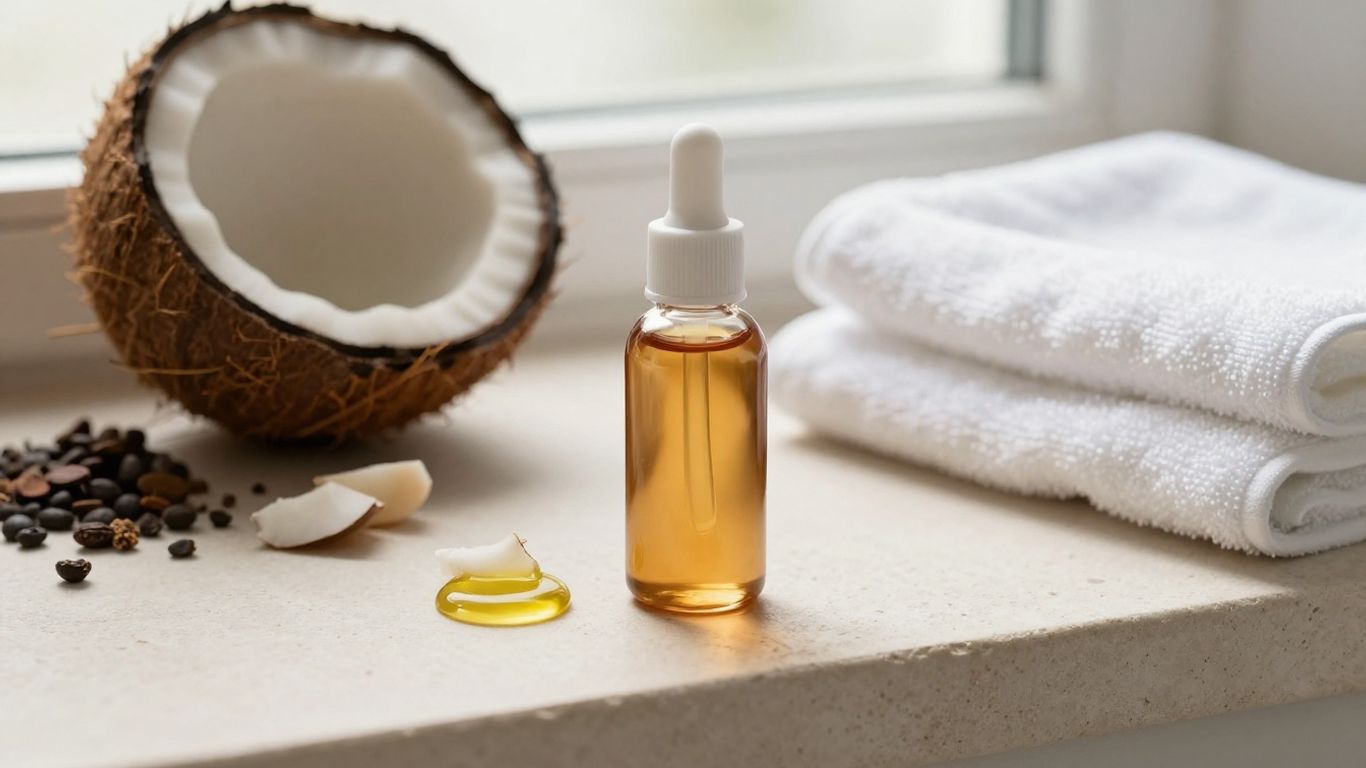
Choosing an oil formula starts with the body and the setting, not the packaging. Look for a clear ingredient list, directions for use, storage information, and compatibility warnings. A useful product should make its limitations easy to understand. This is especially important when you want a personal oil lubricant for repeated use or for more sensitive skin.
Evaluating ingredient quality and skin sensitivity
Read the full ingredient list before applying a new product to intimate tissue. Fragrance, essential oils, warming agents, and flavoring compounds may be more irritating than a plain formula, particularly for people who already experience dryness or sensitivity. A simple patch test can help identify an obvious reaction, although it cannot predict every response during intimate use.
Look for body-safe ingredients and avoid products that do not explain where or how they should be used. If you have a known allergy, compare the list with products that have caused problems before. A “natural” label is not a substitute for checking the actual ingredients.
Comparing natural oils with formulated products
Single-ingredient oils can feel familiar and have a short ingredient list, but they may vary in odor, thickness, and stability. Formulated products may combine several oils, butters, or stabilizers to produce a more predictable texture and shelf life. Neither category is automatically better; the choice depends on how your skin responds and what the label promises.
For a broader look at natural personal lubricants, compare the base, toy compatibility, barrier guidance, and intended area of use rather than relying on the word “natural” alone. A formulated product may be preferable when consistency, testing, and precise directions matter to you.
Checking for added fragrances, flavors, and preservatives
Sensory additives can make a lubricant more appealing, but they also add ingredients that some people may not tolerate. If you are prone to irritation, begin with an unflavored, fragrance-free product and change only one variable at a time. Preservatives are not inherently harmful; they can help keep a product stable, but the complete formula still deserves scrutiny.
The safest choice is one that clearly states its ingredients and intended use. Be cautious with products that make broad promises while providing little practical information about application, expiration, or compatibility.
Choosing a texture that suits your intended use
Think about whether you want a thin oil for spreading, a thicker blend for cushioning, or a balm that warms gradually on contact. The amount of movement, the surface involved, and whether cleanup will be easy all affect which texture feels convenient. Start with a small amount because adding more is simpler than managing excess oil.
A personal lubricant buying guide can help organize comparisons around viscosity, ingredients, compatibility, and cleanup. Those criteria are more useful than choosing by color, scent, or a promise of maximum intensity alone.
Personal oil lubricant and condom compatibility
Barrier compatibility is the most important safety check when using oil. Oil-based products can weaken some condom materials even when the condom looks intact. That risk is easy to overlook because the lubricant itself may feel comfortable. Check the condom material before application, and choose a different base when the information is unclear.
Why oil can weaken latex condoms
Oil can degrade latex, making the condom more likely to break or slip during use. The weakening may not be visible, so inspecting the condom afterward cannot reliably confirm that it remained protective. This applies to many oils, including products that are marketed as gentle, botanical, or moisturizing.
If latex is part of your safer-sex plan, use a lubricant specifically labeled as compatible with latex. Do not assume that a small amount of oil is harmless; material compatibility depends on the chemistry, not just the quantity.
Safer barrier options for oil-based products
Some non-latex barriers may be compatible with oil, but the exact material and manufacturer instructions matter. Polyurethane and certain other synthetic materials are different from latex, yet no general assumption should replace the product label. If you cannot verify compatibility for both products, choose a water-based or appropriately labeled silicone-based lubricant instead.
The safest routine is straightforward: identify the barrier material, read the lubricant label, and follow the stricter guidance when the instructions differ. Keep the lubricant away from a latex condom until you are certain the combination is suitable.
How to check product and condom manufacturer guidance
Look for explicit wording such as “latex compatible” or “not for use with latex condoms.” Check both packages, because one product may provide a warning that the other does not repeat. If the label is vague, contact the manufacturer or choose a formula with clear compatibility instructions.
A compact pre-use check can prevent an avoidable mistake:
- Identify whether the condom contains latex.
- Read the lubricant’s compatibility statement.
- Confirm that any toy or barrier material is also covered.
- Keep a compatible alternative nearby if plans change.
This small pause is especially worthwhile when using an unfamiliar product, a homemade blend, or an oil not specifically made for intimate use.
What to do if an incompatible condom breaks
If an incompatible condom breaks, stop and replace it rather than continuing with the same product. Consider emergency contraception when pregnancy is possible, and seek prompt medical advice about STI testing or post-exposure options based on the circumstances. Timing can matter, so a pharmacist, clinician, or sexual-health service can provide more useful guidance than waiting for symptoms.
Avoid douching or harsh internal cleansing, which can irritate tissue and does not undo exposure. Make a note of the products used and tell the healthcare professional if you seek care.
How to use personal oil lubricant safely
Safe use involves more than applying enough product to reduce friction. Begin conservatively, pay attention to how your body responds, and keep the product away from barriers that it can damage. Clean hands and a clean bottle opening also reduce unnecessary contamination. Comfort should improve with lubrication, not become something you endure.
Applying a small amount and adding more as needed
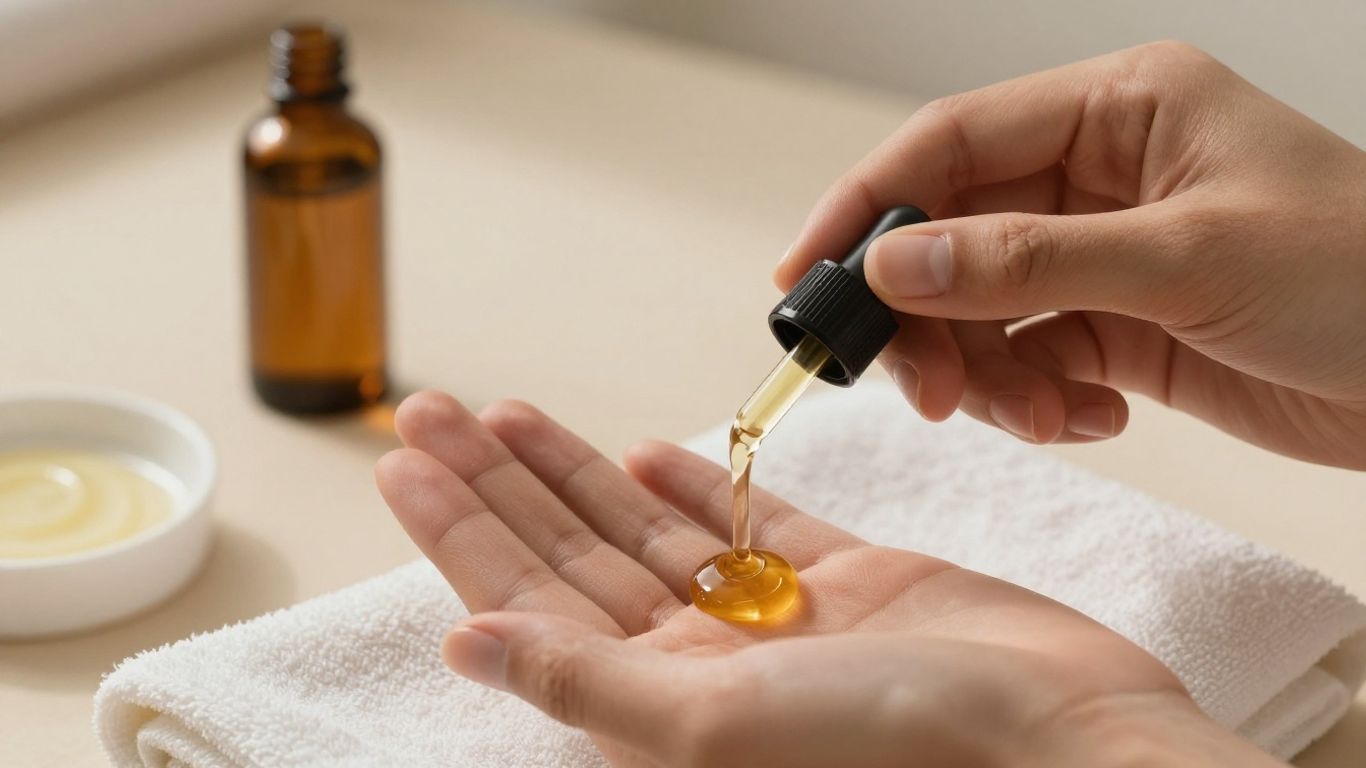
Place a small amount on clean fingers or the intended external area, then spread it gradually. Oil can travel farther than expected, so a modest starting amount helps you control both sensation and cleanup. Add more only when friction returns or the surface begins to feel less comfortable.
Use the product according to its label, particularly if it is intended only for external use. Comfort is the clearest guide: stop, adjust, or switch products if the experience becomes irritating, dry, or painful.
Performing a patch test before intimate use
Apply a small amount to an inconspicuous area of skin and observe it for the period recommended on the label. Do not patch-test on broken skin, and do not treat a negative skin test as a guarantee that internal tissue will tolerate the product. A reaction may appear as redness, itching, burning, swelling, or a rash.
Patch testing is useful when trying a formula with several botanical ingredients, fragrance, flavor, or essential oils. If you have a history of significant allergies, ask a healthcare professional for individualized advice.
Avoiding contact with irritated or broken skin
Oil may sting or worsen discomfort when applied to cuts, sores, rashes, or inflamed tissue. Wait until the area has healed, and consider whether the irritation has an underlying cause rather than masking it with more lubricant. Friction should not be used to push through pain.
If discomfort is new, severe, or accompanied by sores, unusual discharge, bleeding, or fever, pause intimate activity and seek medical advice. A lubricant cannot treat an infection or an injury.
Recognizing signs of irritation or an allergic reaction
Stop using the product if you notice persistent burning, itching, redness, swelling, hives, or worsening soreness. Gently remove the residue with lukewarm water and mild cleanser on external skin, without scrubbing. Seek urgent care for facial swelling, trouble breathing, or other signs of a serious allergic reaction.
If symptoms continue after the product is removed, contact a clinician. Keep the packaging or ingredient list available so the possible trigger can be identified more easily.
Cleaning up after using an oil-based lubricant
Oil-based lubricants can remain on skin and surfaces after use, so cleanup is part of choosing the formula. A calm, gentle routine is usually better than aggressive scrubbing. Plan for the possibility of residue before using the product on bedding or clothing. This makes the experience feel more manageable and protects fabrics from avoidable stains.
Removing oil from skin with gentle cleansing
Wipe away excess oil first with a soft, clean cloth or tissue. Then wash external skin with lukewarm water and a mild, fragrance-free cleanser, rinsing thoroughly without scrubbing. Avoid putting soap inside the vagina or rectum, where it may irritate sensitive tissue.
If the oil is difficult to remove, repeat gentle cleansing rather than using alcohol, bleach, or strong solvents. Pat the skin dry and give it a chance to settle before applying additional products.
Protecting sheets, clothing, and other fabrics
Use a washable towel or dedicated cover when staining would be a concern. Oil can spread beyond the original application area, especially with thinner formulas, so protect nearby fabric rather than trying to predict exactly where it will travel. Treat marks according to the fabric-care label and avoid heat until the stain has been addressed.
A small amount of preparation can preserve favorite bedding without making intimacy feel clinical. Keep cleanup supplies within reach, but choose soft materials that will not irritate skin.
Cleaning compatible sex toys without damaging their materials
Follow the toy manufacturer’s cleaning instructions and confirm that the lubricant is compatible with the toy material. Some oils can affect porous materials or soften certain surfaces, while silicone-based toys may require special caution with silicone-containing products. When compatibility is uncertain, do not test the product on an expensive toy.
Wash nonporous toys as directed, dry them completely, and store them separately when the material calls for it. A lubricant guide covering toy and lubricant compatibility can be useful when you are comparing materials and cleaning routines.
When residue or odor may indicate a problem
A light oily film can be normal, but a sudden rancid, sour, or unusually chemical odor may indicate that the product has degraded or become contaminated. Changes in color, separation, clumping, or an unexpected sting are also reasons to stop using it. Do not try to correct a questionable product by adding water or another oil.
When residue persists on skin and causes itching or redness, wash gently and monitor the area. Ongoing symptoms deserve medical attention rather than another round of experimentation.
How to store and replace personal oil lubricant
Good storage protects both the formula and the person using it. Oils can change when exposed to heat, light, air, or moisture, and repeated handling can introduce contamination. Keep the original container and follow its storage directions. A product that looks familiar is not necessarily still in good condition.
Protecting the product from heat, light, and moisture
Store the bottle in a cool, dry place away from direct sunlight, radiators, hot cars, and steamy bathrooms. Close the cap firmly after each use and keep the opening from touching skin or other surfaces. If the label gives a specific temperature range, follow it rather than relying on general advice.
A drawer or cupboard is often more stable than a windowsill. Avoid freezing the product unless the manufacturer specifically says it is suitable, because temperature changes may affect texture.
Checking expiration dates and changes in texture or smell
Check the expiration date before use, especially if the bottle has been open for a long time. Discard the product if it develops a rancid smell, unusual color, separation that does not resolve as expected, graininess, or a texture that differs noticeably from when it was new.
Do not taste or apply a questionable product to determine whether it is still usable. Changes can occur before the container looks obviously damaged, particularly if it has been stored in heat or opened frequently.
Preventing contamination during repeated use
Wash your hands before handling the bottle and avoid sharing a container when possible. Do not dilute oil with water, saliva, or another product inside the bottle, since this can alter the formula and introduce microbes. Wipe the neck if product accumulates there, then close the cap promptly.
For broader guidance on lubricant storage and shelf life, consider how packaging, handling, and storage conditions affect product quality. Smaller containers may be practical when a bottle will be used only occasionally.
Knowing when to replace an opened bottle
The label’s “use after opening” guidance should take priority over a general estimate. Replace the bottle sooner if it has been left open, stored improperly, or handled with unclean hands. If you cannot remember when it was opened and the product has changed in any way, discarding it is the sensible choice.
A fresh bottle is usually less costly than dealing with irritation, stained fabric, or a compromised product. Write the opening date on the container if you tend to keep several intimate essentials on hand.
For readers comparing the reliability of online health information, the quality of a source matters as much as the topic. Separate guides on terpinolene properties, dual-diagnosis teen care, ocean-view condo buying, expatriate mortgage insurance, and online slot safety address unrelated subjects, but they illustrate why readers should check who produced a page, what evidence it uses, and whether its advice actually fits the question at hand.
When to consider another type of lubricant
An oil-based formula is only one option, and switching is not a failure. Your priorities may change from lasting glide to easy cleanup, barrier compatibility, or a simpler ingredient list. Choose the base that fits the activity and the protections you plan to use. If discomfort persists across products, the issue may need medical evaluation rather than a different texture.
Choosing water-based lubricant for easy cleanup
Water-based lubricant is often a convenient choice when you want simple washing and broad everyday versatility. It can be used with many condoms and toys, but the label should still be checked because formulas and materials vary. Some water-based products dry during use and may need reapplication.
Arousellube makes water-based, edible personal lubricants with natural ingredients, giving readers who prefer plant-derived comfort an option within that documented category. As with any product, review its directions and ingredient list before use.
Choosing silicone-based lubricant for longer-lasting glide
Silicone-based lubricant may be preferable when you want a persistent slippery feel or are using it in a setting where water-based product would dry quickly. It can be more difficult to wash from skin and fabric, and some silicone toys may not be compatible. Confirm both the lubricant and toy manufacturer’s guidance before combining them.
Silicone is not automatically the right answer for everyone. The best choice depends on your preferred feel, cleanup tolerance, barrier method, and the materials involved.
Considering sensitive-skin and fragrance-free formulas
If your skin reacts easily, a fragrance-free, unflavored formula with a concise ingredient list may be a reasonable starting point. Avoid changing several products at once, since that makes it harder to identify a trigger. Even a gentle formula can cause a reaction in an individual user.
Look for clear labeling rather than relying on marketing language. Product guidance about pH, testing, and intended use can help, but your body’s response remains relevant evidence.
Discussing persistent discomfort with a healthcare professional
Pain, burning, itching, bleeding, recurrent irritation, or dryness that does not improve deserves professional attention. These symptoms can have many causes, including infection, medication effects, hormonal changes, skin conditions, or pelvic-floor concerns. A clinician can help identify the cause and recommend an appropriate lubricant or treatment.
Bring the product container or ingredient list to an appointment when possible. That detail can make the conversation more specific and help distinguish a product reaction from another health concern.
Conclusion
A personal oil lubricant can provide a rich, lasting glide when its ingredients, intended use, barrier compatibility, and storage needs all line up. Start with a small amount, patch-test unfamiliar formulas, protect latex barriers, clean gently, and replace any product that changes. Careful choices leave more room to enjoy comfort and intimacy without unnecessary irritation or uncertainty.
Frequently Asked Questions
Is oil-based lubricant safe to use with latex condoms?
No. Oil can weaken latex and increase the risk of breakage or slipping. Use a lubricant labeled compatible with the condom material, or choose a different base.
Can I use cooking oil as a personal lubricant?
Household cooking oils are not necessarily formulated, tested, or labeled for intimate use. A purpose-made lubricant with clear directions is easier to evaluate and use safely.
Does oil-based lubricant cause infections?
It may irritate some people or be difficult to remove, and individual responses vary. Stop if symptoms develop and seek medical advice for persistent irritation, unusual discharge, sores, or pain.
How much oil lubricant should I use?
Start with a small amount and add more gradually as needed. This helps control glide, reduces mess, and makes it easier to notice whether the product feels comfortable.
How should I clean oil lubricant from my skin?
Wipe away excess product, then wash external skin gently with lukewarm water and a mild cleanser. Avoid harsh scrubbing and do not put soap inside the vagina or rectum.
Can oil-based lubricant be used with sex toys?
Only if the lubricant is compatible with the toy’s material and the manufacturer’s instructions allow it. When uncertain, check the toy guidance or use a clearly compatible alternative.
When should I throw away an opened lubricant?
Follow the expiration date and any use-after-opening guidance. Discard it sooner if the smell, color, texture, or appearance changes, or if it has been stored improperly or contaminated.