

Posted by Mike
on October 07, 2026

Key Takeaways
The right lubricant depends on your comfort, activity, sensitivities, and the product label. A little label-checking can help you choose and use one with more confidence.
- Lubricants can reduce friction, but persistent discomfort may need medical attention.
- Formulas vary in texture, ingredients, sensations, and intended use.
- Check condom and toy compatibility on the specific product label.
- Start with a small amount and add more if needed.
- Follow storage directions and replace products that are expired or have changed.
What K-Y lubricant is and how it works
Personal lubricant is used to reduce friction and add moisture during intimate activity. People searching for ky lubricant may be looking for a product to complement natural lubrication or make an activity more comfortable. Formulas are not all alike, so a product’s label is the best guide to its ingredients and intended uses.
How personal lubricants reduce friction
Lubricant creates a slippery layer between surfaces, which can make movement feel more comfortable by reducing friction. It may be used with a partner or alone, depending on the product directions and the person’s preferences. The feel can vary: some formulas are thinner, while others have a gel-like texture. Comfort is personal, so a formula that feels right for one person may not suit another.
Common situations where lubricant may help
Some people use lubricant when natural moisture is not enough for comfort, while others prefer it for a smoother feel during intimate activity. It can also be useful to have on hand when using a condom or a sex toy, provided the chosen formula is compatible with that item. Consider the activity and the label rather than assuming every lubricant works in every situation. If dryness or discomfort is frequent, lubricant can help with friction but may not explain why the symptoms are happening.
How K-Y products differ by formula
Products in the range vary in their stated formula and feel. For example, K-Y Jelly is described as water-based, while KY Ultragel is presented as a water-based formula with an ultra-silky, ultra-smooth feel. A product overview also presents water-based and sensation-focused options, so compare the specific package claims rather than treating all products as interchangeable. The formula comparison guide can be another starting point for thinking through types and label details.
When lubricant may not address the underlying cause of discomfort
Lubricant may reduce friction, but it does not diagnose or treat every cause of pain, burning, or dryness. Symptoms that continue, recur, or appear alongside unusual discharge, sores, or other changes deserve attention from a healthcare professional. It is reasonable to stop an activity that hurts and seek advice rather than repeatedly trying new products. A product should make an activity more comfortable, not make persistent symptoms something to ignore.
Types of K-Y lubricant
Lubricants can differ in their base, texture, and added sensations. Product names and packaging may look similar, but the label explains what a particular formula is intended to do. Look for the formula description and any stated compatibility before choosing.

Water-based formulas for versatile use
Water-based products are one common option, but their textures and ingredients still vary. K-Y Jelly is described as a water-based personal lubricant, and KY Ultragel is labeled water-based as well. A water-based label alone does not answer every question about ingredients, condom use, or toys, so check the individual package. The specific directions matter more than assumptions based on the formula category.
Warming or tingling formulas and their added sensations
Some lubricants are made to add a warming or tingling sensation, which may not appeal to everyone. K-Y Intense Pleasure Gel is described as tingling and water-based, with compatibility stated for latex and polyisoprene condoms. Sensation-focused products may feel different from a basic lubricant, so read the directions and discontinue use if irritation occurs. Added sensation should be a preference, not a requirement for comfort.
Moisturizers versus lubricants
A vaginal moisturizer and a lubricant serve different purposes. Lubricant is generally used around an activity to reduce friction, while a moisturizer is intended for ongoing moisture support according to its label. Neither should be assumed to address every cause of discomfort. If symptoms are persistent or disruptive, ask a healthcare professional whether a product or another approach is appropriate.
How to check the label for ingredients and intended use
Labels help distinguish products by ingredients, directions, and compatibility. K-Y Natural Feeling with Aloe Vera is described as soothing, water-based, and compatible with natural rubber latex condoms; those are product-specific statements, not guarantees about every formula. Before buying, scan the package for ingredients you prefer to avoid and any use restrictions. If you have a known sensitivity, a short ingredient check can help narrow your options.
How to choose the right K-Y lubricant
Choosing a lubricant is less about finding a universally best formula and more about matching a product to your needs. Think about the activity, your ingredient preferences, and whether you plan to use a condom or toy. Product descriptions can help you compare, but the package directions should settle questions about a specific formula.
Match the formula to the activity
Start by considering where and how the product will be used. Some people prioritize a lightweight feel; others may prefer a thicker texture or an added sensation. For a quick comparison, these broad characteristics can help organize the choice:
| Formula or feature | What to consider | Label check |
|---|---|---|
| Water-based | Feel, ingredients, and cleanup | Intended use and compatibility |
| Silicone-based | Texture and compatibility with toys | Toy and condom directions |
| Warming or tingling | Whether added sensation suits you | Use directions and warnings |
| Moisturizer | Ongoing moisture support rather than activity-only use | Intended purpose and instructions |
These are general categories, not promises about a particular product. The label for the exact item remains the useful reference, especially if you are using a condom or toy.
Consider sensitivities and ingredient preferences
If you have sensitive skin or a known allergy, read the full ingredient list rather than relying only on front-of-package descriptions. Avoid ingredients you already know cause a reaction, and introduce a new product cautiously by following its directions. Terms such as “natural” or “soothing” do not establish that a formula will suit every person. When in doubt, ask a healthcare professional about a known sensitivity or recurring reaction.
Check condom and toy compatibility
Compatibility can depend on both the lubricant and the item used with it. Look for an explicit statement on the lubricant label and the condom or toy instructions; do not infer compatibility from a product’s texture or name. If the package does not answer your question, choose a product with clearer directions or ask the manufacturer. This small check can prevent avoidable damage to a condom or toy.
Compare texture, feel, and cleanup needs
Texture is a practical preference: a formula may feel slick, gel-like, light, or more substantial. Consider whether easy cleanup matters to you, and follow the product’s own instructions rather than assuming all formulas rinse away in the same way. If you are unsure, try a small amount first and see how it feels. Comfort, sensitivity, and ease of use all belong in the decision.
How to use K-Y lubricant
Always use a lubricant according to the directions on its own package. The amount and method can vary by formula, and labels may include cautions that are easy to miss if you rely on general advice alone. Begin with a small amount, pay attention to how it feels, and stop if discomfort develops.
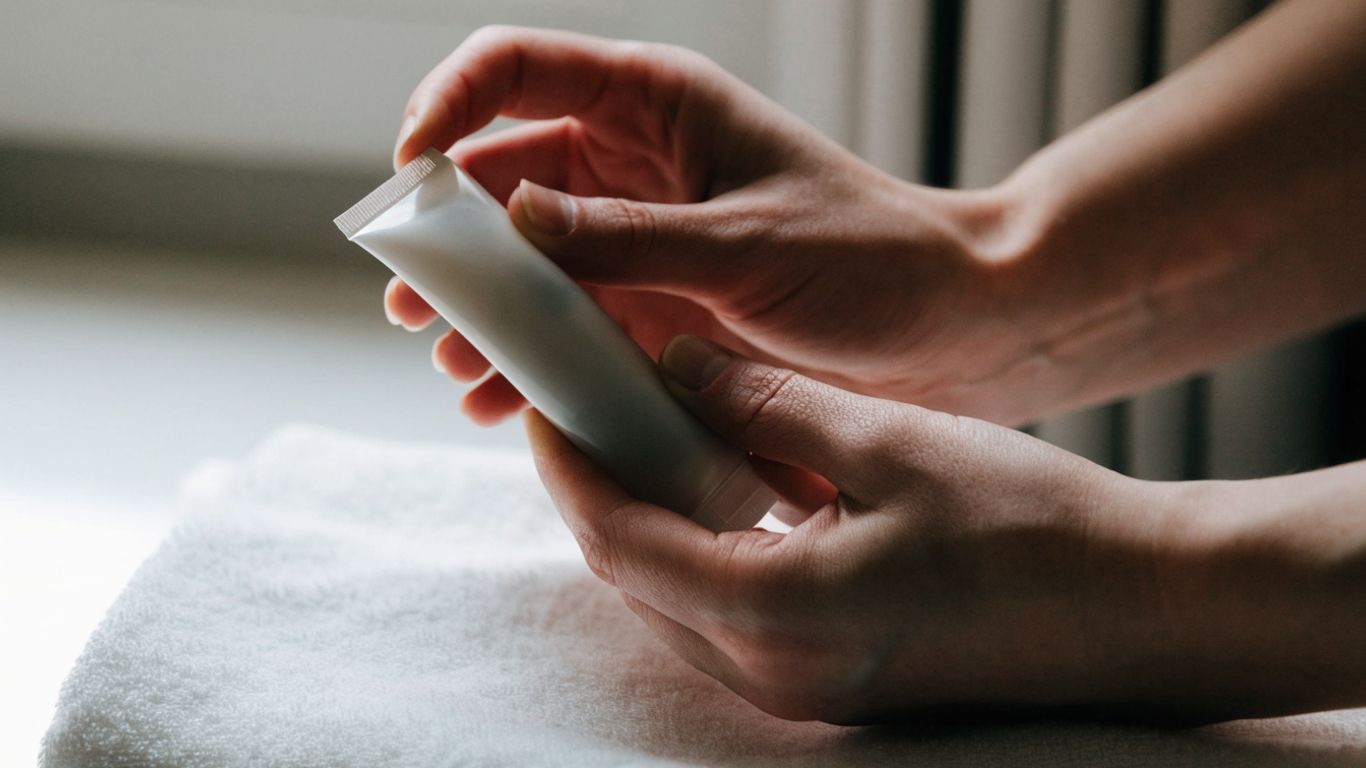
Follow the product label and start with a small amount
Read the instructions before opening the product, especially if you have not used that formula before. A small amount lets you assess the texture and your comfort without applying more than you need. Follow any stated directions about where or how to use it. If the product causes an unexpected sensation or irritation, stop and review the package guidance.
Add more as needed during use
Some people find they want more lubricant as an activity continues. Add it gradually, following the label, and check in with yourself or your partner about comfort. If friction or discomfort remains despite reapplication, pause instead of pushing through. Persistent symptoms are a reason to seek advice, not simply keep adding product.
Apply externally or as directed for the specific product
Use lubricant only in the way its package describes. Some products are intended for external use or specific applications; do not assume that one formula’s directions apply to another. If you are using a condom or toy, keep its own instructions in mind too. The product label is the practical guide for amount, placement, and restrictions.
Clean up according to the formula’s instructions
Cleanup can differ by formula, so follow the package directions and use a method that feels comfortable for your skin. Avoid scrubbing sensitive areas or using a cleanser that has caused irritation before. A few simple habits can make cleanup more straightforward:
- Check the label for cleanup guidance.
- Rinse or wipe gently as directed.
- Wash hands after handling the product.
- Close the package before putting it away.
These steps are general reminders, not a substitute for the product’s specific directions. If residue or irritation persists, stop using the product and consider asking a healthcare professional for guidance.
Safety and compatibility considerations
A product that feels comfortable for one person may not suit another, and compatibility depends on the formula and what it is used with. Read the package before use, especially when using a condom or sex toy. If irritation or an unusual reaction occurs, stop using the product. Persistent pain, burning, or other unusual symptoms merit medical advice.
Use only products labeled for intimate use
Choose a product whose label identifies it for intimate use and follow its instructions. Household products or items intended for other purposes may not be suitable for sensitive areas. Check the package for warnings, intended use, and any restrictions. If a product’s purpose is unclear, do not guess.
Check compatibility with latex condoms and sex toys
Check the specific lubricant label for condom compatibility and consult the toy maker’s instructions for material compatibility. A statement about one type of condom does not automatically apply to all condoms, and compatibility with one toy material does not establish compatibility with another. If either package is unclear, seek product-specific guidance before use. When in doubt, do not rely on assumptions.
Stop using it if irritation or an allergic reaction occurs
Stop using the product if you notice irritation, itching, swelling, or a rash. Rinse the area gently if appropriate, and avoid trying to cover up the reaction by applying more product. If symptoms are severe or do not settle, contact a healthcare professional. Keep the package or ingredient list available in case it is useful when discussing the reaction.
Seek medical advice for persistent pain, burning, or unusual symptoms
Ongoing pain or burning should not be treated as a normal part of intimate activity. A healthcare professional can help assess whether dryness, irritation, infection, a medication effect, or another issue may be involved. Seek advice as well for unusual symptoms or discomfort that keeps returning. Lubricant can help reduce friction, but it cannot identify the source of persistent symptoms.
How to store and replace K-Y lubricant
Good storage habits help keep a product in usable condition. The package provides the most reliable directions for temperature, handling, and expiration. Check the tube or bottle from time to time, particularly if it has been open for a while or stored somewhere warm.
Follow the package directions for storage
Store the product as directed on its packaging. Avoid leaving it in conditions that conflict with those instructions, such as prolonged heat or direct sunlight if the label cautions against them. Keep it somewhere clean and accessible, but out of reach of children. If the package gives specific storage guidance, follow that over general advice.
Check the expiration date and packaging condition
Look for the expiration date before use and replace the product if it has passed. Inspect the tube, bottle, or seal for damage, leakage, or signs that it may have been opened or contaminated. If the packaging is compromised, do not rely on the product being unchanged. When uncertain, replace it rather than taking a chance.
Keep the cap clean and tightly closed
Wipe the cap or nozzle if product has collected there, using a clean method that does not introduce water or debris into the container. Close the package firmly after each use. Keeping the opening clean helps avoid unwanted residue around the dispenser. Do not share a product in a way that could contaminate it.
Discard products that have changed in appearance, smell, or texture
A noticeable change in color, smell, or consistency is a reason to stop using the product. Do not try to restore it by mixing in water or another substance. Check the expiration date and packaging as well, since more than one sign may matter. If a product seems different from when you opened it, replacing it is the simplest choice.
Conclusion
The right lubricant is the one that suits your comfort and intended use while fitting the ingredients and compatibility you need. Read the label, start with a small amount, and stop if irritation develops. If pain, burning, or unusual symptoms persist, seek medical advice rather than relying on lubricant alone.
Frequently Asked Questions
What does personal lubricant do?
Personal lubricant adds slipperiness to help reduce friction during intimate activity. The formula and intended use vary by product, so check its label.
How do I choose a lubricant for sensitive skin?
Review the full ingredient list and avoid ingredients you know cause a reaction. If you have recurring sensitivity, a healthcare professional can help you decide what to try.
Can lubricant be used with condoms?
Some lubricants are compatible with certain condoms, but compatibility depends on the specific formula and condom. Check both packages before use.
Can I use lubricant with a sex toy?
That depends on the lubricant formula and the toy’s material. Check the instructions for both products to confirm compatibility.
Should I add more lubricant during use?
You can add more if needed, following the product directions. Pause if discomfort continues rather than trying to push through it.
What should I do if lubricant causes irritation?
Stop using it and gently rinse the area if appropriate. Seek medical advice if symptoms are severe, persist, or include an allergic reaction.
When should I talk to a healthcare professional about discomfort?
Get advice for persistent or recurring pain, burning, dryness, or unusual symptoms. Lubricant may reduce friction, but it does not identify the cause of ongoing discomfort.





































































