

Posted by Mike
on September 30, 2026

Key Takeaways
Personal lubricant can make intimate activity more comfortable by reducing friction. The right choice depends on the formula, the activity, personal sensitivities, and the instructions on the package.
- Lubricant can help reduce friction during intimate activity.
- Formulas may differ in texture, ingredients, and added sensations.
- Check the product label for directions and condom compatibility.
- Add more lubricant if friction returns, and stop if irritation occurs.
- Choose a formula based on comfort, material compatibility, and cleanup preferences.
What K-Y personal lubricant is and how it works
The phrase ky personal lubricant can refer to products intended to add lubrication and comfort during intimate activity. Personal lubricants are applied to reduce friction, though the feel and directions vary by formula. Reading the package helps clarify where and how a particular product is intended to be used.
How lubricant helps reduce friction
When skin or other surfaces rub together, friction can feel uncomfortable. Lubricant adds glide between those surfaces, which may make intimate activity feel smoother. A small amount is a reasonable place to start; personal preference and the product directions can guide whether more is needed.
Common reasons people use personal lubricant
People may use lubricant when they want additional glide, whether during solo or partnered activity. Some also use it when natural lubrication feels insufficient or when they prefer a smoother sensation. Lubricant is not a treatment for persistent pain or unexplained dryness, so ongoing discomfort deserves attention beyond simply adding more product.
How formulas can differ across K-Y products
Products can vary in their base, texture, ingredients, and whether they are designed to provide an added sensation. For example, K-Y Jelly is described as a fragrance-free, water-based personal lubricant. That description applies to this specific product, not automatically to every formula in the range; check the package for the details that matter to you.
K-Y lubricant formulas and product options
Personal lubricants are not all alike: a formula that feels comfortable to one person may not be another person’s preference. Product names and packaging can help orient you, but the ingredient list and use directions are more specific. Check the label before choosing, especially if you have ingredient sensitivities or a particular use in mind.

Water-based options such as K-Y Jelly
Water-based formulas are one common option in personal lubricants. The product description for K-Y Jelly identifies it as water-based and fragrance-free. Those details may be useful if you are comparing labels, but they do not replace checking the instructions for the exact package you have.
Specialty formulas with warming or other sensations
Some lubricants are made to add a sensation, such as warming or tingling, rather than offering only a straightforward glide. K-Y Intense Pleasure Gel is described as a water-based, tingling formula. An added sensation will not suit everyone, so review its directions and ingredients, and stop using it if it causes discomfort.
How to compare product labels and package sizes
A label can answer several practical questions before you buy or open a product. Use the package itself as the final reference, and consider this quick comparison when reviewing options:
| Label detail | What it helps clarify | What to check |
|---|---|---|
| Ingredients | Whether a listed ingredient is familiar or a concern | Known sensitivities and the full ingredient list |
| Directions | How the product is intended to be applied | Use areas, amount, and any cautions |
| Compatibility | Whether the formula is suitable for a particular condom or material | Exact material names and package instructions |
| Package size | How much product the container holds | Whether the size suits storage and intended use |
These details are more useful than relying on a product name alone. For more on choosing and applying products, see this lubricant label-reading guide.
How to use K-Y personal lubricant
Follow the directions on the specific package, since they may differ by formula. In general, lubricant can be applied before or during intimate activity, then adjusted according to comfort. Keep the container clean and avoid using a product in a way that its label does not describe.
Applying lubricant before or during sexual activity
Begin with the amount indicated by the package, or a modest amount if the directions do not specify one. Apply it to the area where additional glide is wanted, following the product’s instructions. A little can be added as needed, so there is no need to apply a large amount at the outset.
Adding more if friction returns
Lubricant may need to be reapplied during activity, particularly if the glide fades or friction returns. A simple check-in can help: notice whether the sensation still feels comfortable, then add more if appropriate for the product and activity. These small adjustments keep comfort in focus without assuming that the same amount works for everyone.
A few straightforward habits can make reapplication easier:
- Keep the container within reach before beginning.
- Use clean hands when dispensing or applying the product.
- Add a small amount, then check how it feels.
- Follow the package directions if the product needs special handling.
After applying more, pause briefly to see whether the added glide feels comfortable. If discomfort continues, stop rather than continuing to reapply without investigating the cause.
Cleaning up after use
Follow the package directions for cleanup. Many people find it helpful to have a clean cloth or water nearby, but the best approach depends on the product and the surface involved. Wash hands after use and close the container securely before putting it away.
Compatibility with condoms and sex toys
Compatibility depends on the exact lubricant formula and the material it will contact. Do not assume that a product works with every condom or toy just because it is sold for personal use. Check both the lubricant package and the condom or toy manufacturer’s instructions before use.
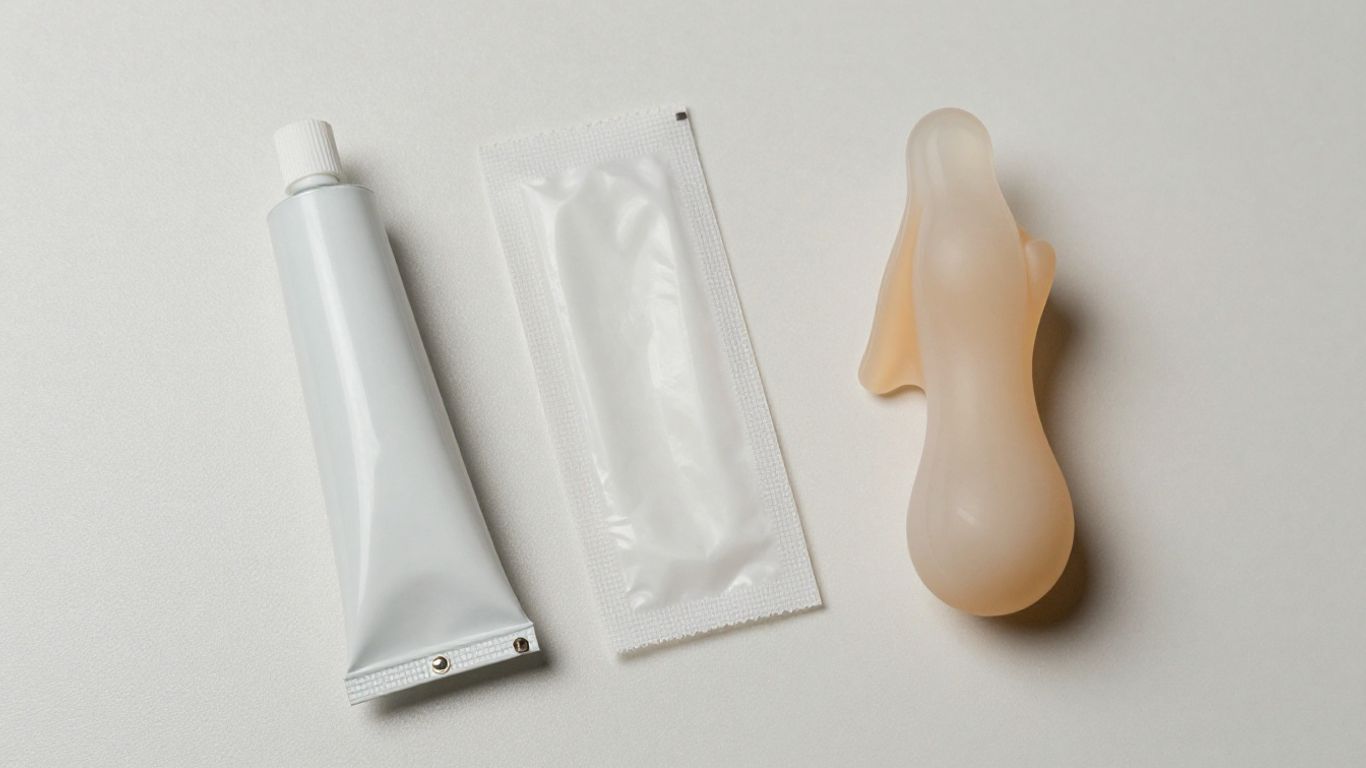
Checking the label for condom compatibility
Look for explicit condom-compatibility information on the lubricant packaging, including any material types named. For example, K-Y Intense Pleasure Gel is described as compatible with latex and polyisoprene condoms; that information should not be applied to other products by assumption. Lubricant does not replace a condom or provide protection against sexually transmitted infections.
Using lubricant with silicone and other sex toys
Toy materials can respond differently to different lubricant formulas. Review the care instructions for the specific toy and check whether they name any ingredients or lubricant bases to avoid. If the guidance is unclear, contact the toy manufacturer rather than guessing about compatibility.
Why compatibility can vary by product and material
The same lubricant may be suitable for one material and unsuitable for another. Formulas also differ, so compatibility information for one product does not establish that another product has the same properties. When labels do not give a clear answer, choose a product with explicit guidance for the materials you plan to use.
Safety, irritation, and when to stop
A product can be suitable for many users and still not feel right for a particular person. Review the ingredients and warnings before use, especially if you have a history of sensitivity. If a reaction occurs, stop using the product and take the next step based on the severity and persistence of symptoms.
Checking ingredients for known sensitivities
Read the full ingredient list rather than relying only on descriptions such as fragrance-free or warming. If you know you react to a specific ingredient, check whether it appears on the package. When you are unsure about an ingredient or have a history of significant reactions, a healthcare professional can help you decide what precautions make sense.
What to do if irritation occurs
Stop using the product if you notice burning, itching, redness, or other irritation. Rinse the area gently with water if appropriate, and avoid applying additional products that might make the irritation worse. If symptoms do not settle or become more severe, seek medical advice.
When to consult a healthcare professional
Get professional guidance for persistent discomfort, repeated irritation, unusual symptoms, or pain that does not resolve when you stop using a product. Lubricant can reduce friction, but it does not explain or treat every cause of discomfort. A clinician can help assess symptoms and discuss appropriate options.
Choosing the right K-Y lubricant for your needs
There is no single formula that suits every person or activity. Start with what you want the product to do, then compare its ingredients, texture, compatibility details, and directions. If you want a product described as water-based and smooth, K-Y Ultragel is presented as a water-based formula with an ultra-silky, ultra-smooth feel; verify the current package details before purchase.
Matching the formula to the activity
Think first about the intended activity and the product’s stated use. A formula meant to add sensation may feel different from one chosen for a simple glide, and any condom or toy materials involved add another compatibility check. For general guidance on choosing and using products, this personal lubricant guide offers a broader overview of formulas and label details.
Considering texture, staying power, and cleanup
Texture is personal: some people prefer a lighter feel, while others look for a thicker gel. Consider how often you are comfortable reapplying and whether easy cleanup matters to you. The table below is a broad comparison of lubricant bases, not a claim about the ingredients or availability of any particular brand’s products.
| Base type | General feel or use consideration | Practical consideration |
|---|---|---|
| Water-based | Often selected for a lighter glide | Check whether reapplication is needed and follow cleanup directions |
| Silicone-based | May feel different in texture from water-based products | Confirm compatibility with the specific toy material |
| Oil-based | Has a distinct feel from water-based formulas | Check condom compatibility carefully before use |
Use the package directions and material guidance to make the comparison specific to the product you are considering. If the texture or sensation does not feel comfortable, a different formula may be a better fit.
Comparing K-Y with other lubricant types
Rather than judging by a brand name alone, compare the product’s stated base, ingredients, sensation, compatibility information, and directions. A water-based product, for example, may differ from a silicone-based or oil-based lubricant in feel and cleanup, but the label is what confirms the details for an individual product. Choose based on what feels comfortable and fits the intended use, then stop if irritation occurs.
Conclusion
Choosing a personal lubricant is a matter of matching a product’s formula and directions to your comfort, activity, and any materials involved. Read the label, begin with a modest amount, and reapply only as needed; if irritation or persistent discomfort occurs, stop and seek appropriate advice.
Frequently Asked Questions
What does personal lubricant do?
It adds glide between surfaces and can reduce friction during intimate activity. It does not treat every cause of dryness or pain.
How much lubricant should I use?
Follow the package directions and start with a modest amount if no amount is specified. Add more if friction returns and the product remains comfortable to use.
Can lubricant be used with condoms?
Some lubricants are labeled as compatible with particular condom materials, while others may not be. Check the exact lubricant and condom packaging rather than assuming compatibility.
Can I use lubricant with a sex toy?
That depends on the lubricant formula and the toy material. Check the instructions from both manufacturers for compatibility guidance.
What should I do if a lubricant causes irritation?
Stop using it and rinse the area gently with water if appropriate. Seek medical advice if symptoms persist, worsen, or concern you.
Does lubricant prevent sexually transmitted infections?
No. Lubricant is not a substitute for barrier protection or other measures used to reduce STI risk.
When should I ask a healthcare professional about dryness or pain?
Consult a healthcare professional if discomfort is persistent, recurrent, severe, or accompanied by other unusual symptoms. Lubricant may reduce friction, but ongoing symptoms can have other causes.





































































