

Posted by Mike
on October 16, 2026

Key Takeaways
Choosing lubricant is a personal decision shaped by comfort, the activity, and the product’s instructions. A careful label check can help you make a more informed choice.
- Compare the formula and texture rather than relying on a product name alone.
- Follow the package directions, including guidance on where and how to use the lubricant.
- Check condom and toy manufacturer instructions before combining products.
- Stop using a lubricant if it causes irritation or discomfort.
- Store it as directed and replace it if it is expired or has changed noticeably.
What K-Y personal lubricant is
Personal lubricant is used to add moisture and reduce friction during intimate activity. It can be useful when natural lubrication is not enough or when extra glide feels more comfortable. Formulas and textures vary, so the product label is the best place to confirm what a particular option is intended for. The phrase ky personal lubricant covers a range of products, not one universal formula.
How lubricant can reduce friction
Friction can make intimate activity feel uncomfortable, especially when there is not enough moisture. Lubricant adds glide to the area where it is applied, which may make movement feel more comfortable. The right amount is individual; a small amount is a sensible place to start, with more added if needed. If discomfort continues, pause rather than trying to mask it with more product.
Common K-Y formulas and textures
Products can differ in their base, thickness, and the sensations they are designed to provide. The product overview describes options that include water-based formulas and products with added sensations. For example, K-Y UltraGel is presented as water-based, K-Y Intense Pleasure Gel is described as water-based and tingling, and K-Y Natural Feeling with Aloe Vera is described as soothing and water-based.
A simple comparison of formula types can help you identify questions to answer on the package. These are general distinctions, not a guarantee that any particular brand or product offers every type.
| Formula type | What to check | Practical consideration |
|---|---|---|
| Water-based | The label’s directions and ingredients | Check whether the texture and directions suit your preferences. |
| Silicone-based | The specific product and toy guidance | Confirm compatibility with the materials involved. |
| Hybrid | The listed ingredients and compatibility details | Do not assume its properties from the name alone. |
Use the table as a starting point, then rely on the exact product label. Formula names do not replace instructions for condoms, toys, or specific uses.
How products may differ by ingredients and intended use
A lubricant’s ingredient list and stated purpose can help you decide whether it fits your preferences. Products may also differ in texture or added sensations, so two options that seem similar at first glance may not feel alike. Check the full label for directions and cautions, especially if you have sensitivities or intend to use the product with a condom or toy.
How to choose a K-Y lubricant
Start with what feels comfortable and what you plan to use the lubricant for. There is no single texture or formula that suits everyone, and a familiar brand name does not mean every product has the same ingredients or directions. Read the package for the specific option you are considering. A broader formula and compatibility guide can also help organize the questions to check.
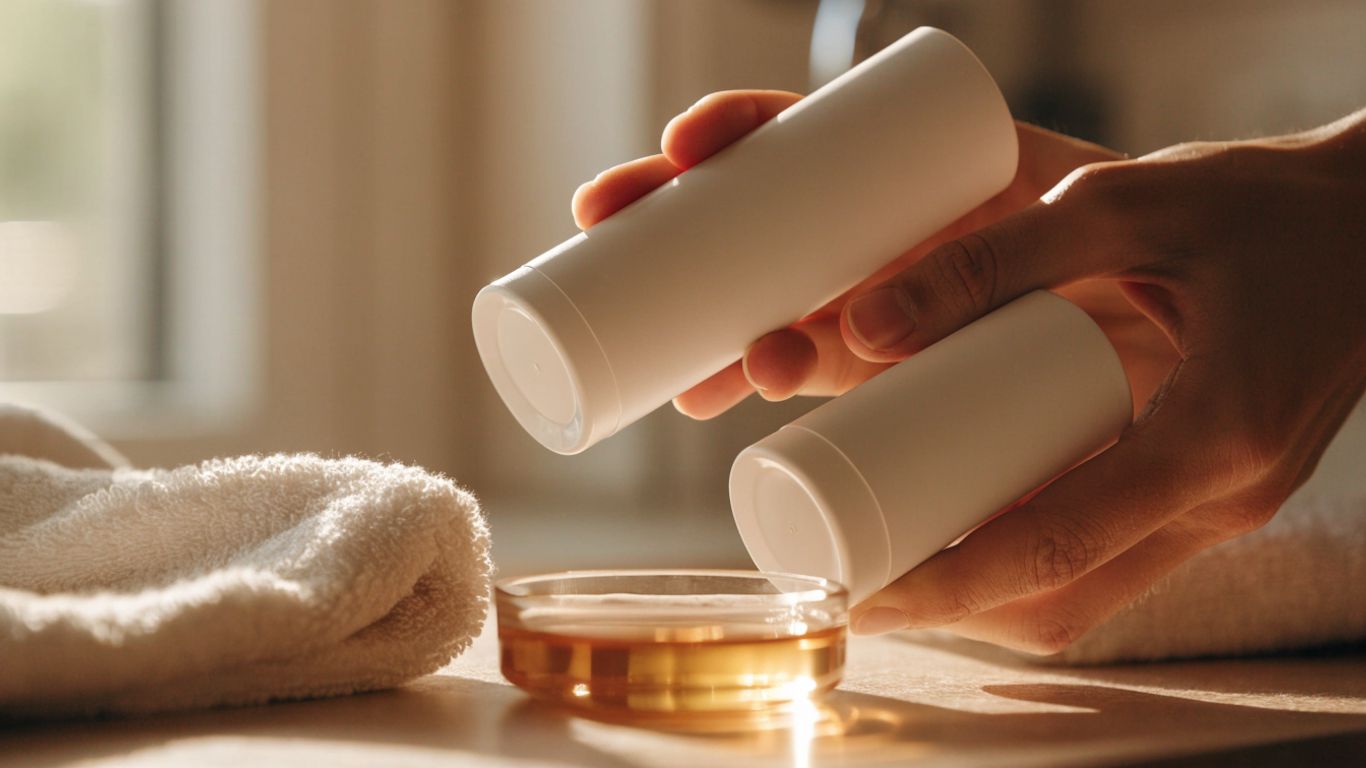
Match the formula to your preferences
Think about whether you prefer a lighter, more fluid texture or a thicker gel-like feel. A product’s consistency may affect how it feels and how often you want to reapply it, but personal preference is the deciding factor. If you are trying a new formula, use the label directions and begin with a modest amount. You can stop if the sensation is not comfortable.
Consider the type of sexual activity
Different activities can call for different amounts of glide, and the product label may specify its intended uses. Take the time to check those directions rather than assuming a lubricant is suitable for every kind of intimate activity. If using a condom or toy, check compatibility separately; a product’s general description is not a substitute for the manufacturers’ guidance.
Check the product label for ingredients and directions
The label gives the most useful product-specific details: ingredients, instructions, cautions, and any stated compatibility information. Before use, make a quick check of the points that matter for your situation.
- Review the ingredient list if you have a known sensitivity.
- Read directions for application and cleanup.
- Look for stated condom compatibility and follow condom packaging guidance.
- Check toy-material guidance from both the lubricant and toy manufacturers.
This small pause can prevent guesswork, particularly when a product is new to you. If any direction is unclear, choose another option or ask a healthcare professional for advice relevant to your circumstances.
Decide whether texture, scent, or added sensations matter
Some people prefer a straightforward feel, while others may want a particular texture or sensation. Personal preference is a good reason to compare labels, but added features are not necessary for lubricant to be useful. If scent or a special sensation tends to bother you, choose with that in mind and stop if the product causes discomfort.
How to use K-Y personal lubricant
Use lubricant according to the directions on its own package, since application instructions can vary by product. Begin with a small amount and notice how it feels before adding more. The goal is comfortable glide, not a particular quantity. Avoid using a product in a way the label does not describe.
Apply a small amount and add more as needed
Apply the amount recommended on the package, or start with a small amount if the directions allow flexibility. Spread it where needed and pause to see whether it provides enough glide. Add more gradually if friction returns, rather than applying a large amount all at once. If application causes discomfort, stop and wash the area as the product label advises.
Follow the package directions for your chosen product
Products can have different instructions about application, intended use, and cleanup. Read them before opening the product, especially if you have not used that formula before. Keep the package nearby the first time so you can check details if needed. The directions are more reliable than assumptions based on a product’s texture or name.
Reapply if the lubricant dries or friction returns
Some lubricants may need to be reapplied during use. If the product no longer feels comfortable or glide has diminished, pause and follow its instructions before adding more. Do not continue through pain or irritation; those sensations are a reason to stop and reassess. If dryness or discomfort keeps returning, consider discussing it with a healthcare professional.
Clean up according to the label
Follow the package guidance for washing or removing the product. Avoid assuming all formulas clean up in the same way, and take care with fabrics or surfaces if the label gives a caution. Once finished, close the container and put it away as directed. That simple routine helps keep the product in good condition between uses.
Compatibility with condoms and sex toys
Compatibility depends on the specific lubricant, condom, and toy materials involved. Product labels and manufacturer instructions should guide the decision, rather than a general rule about a whole category. When details are missing, do not assume the combination is suitable. Take a moment to check before use.
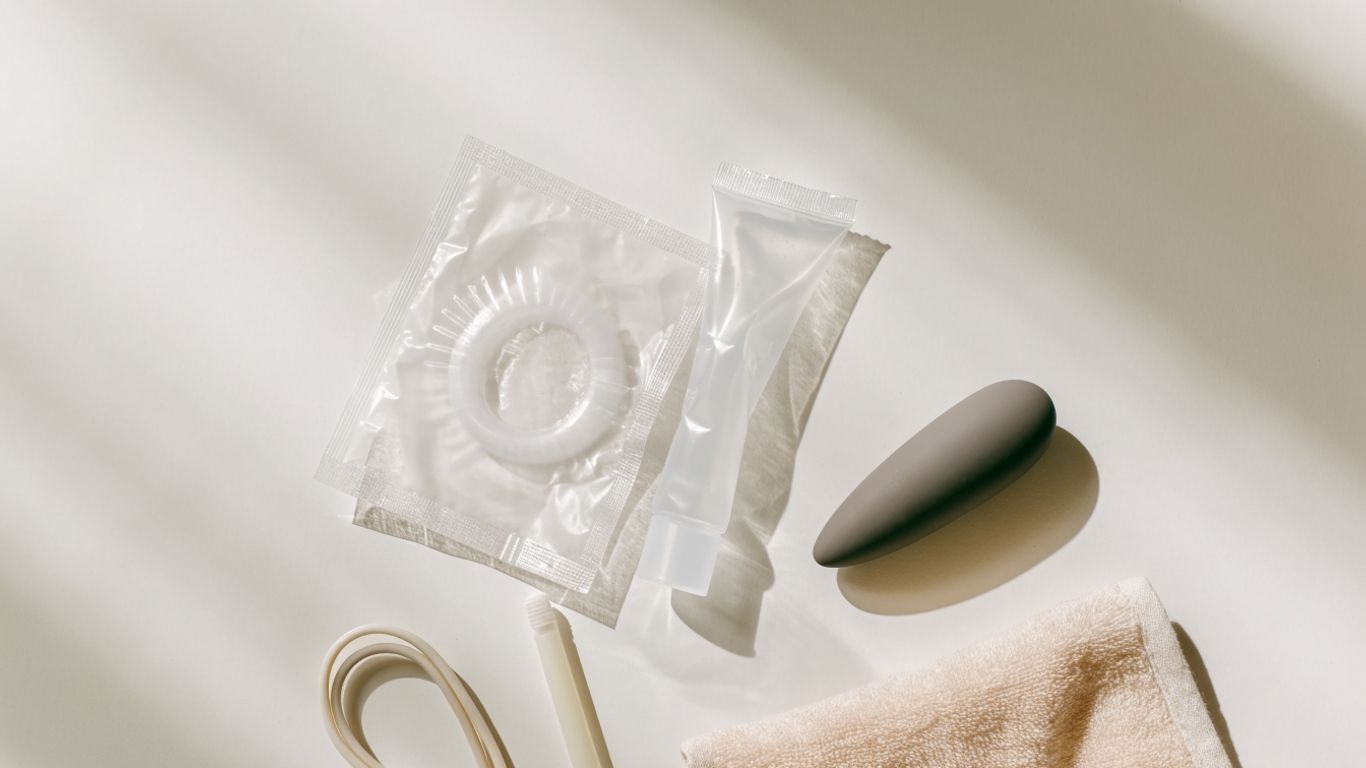
Check the label for condom compatibility
Look for explicit compatibility information on the lubricant package and follow the condom manufacturer’s instructions as well. Condoms can differ, so a claim about one type should not be taken to cover every condom material. If the package does not answer your question, contact the manufacturer or choose a product with clear instructions.
Consider how lubricant ingredients interact with toy materials
Toy materials vary, and the lubricant’s ingredients may matter for compatibility. Check the toy maker’s care guidance alongside the lubricant label before combining them. If either source warns against a particular pairing, follow that warning. When the materials or instructions are unclear, it is safer not to guess.
Follow condom and toy manufacturer guidance
The people who make the condom or toy can provide material-specific directions that a general lubricant description may not include. Follow those instructions for use, cleaning, and storage. If more than one set of directions applies, use the more cautious guidance or seek clarification from the manufacturer.
Avoid assuming every formula works with every material
A lubricant that feels suitable for one purpose may not be appropriate for every condom or toy. Product names and broad formula descriptions cannot answer every compatibility question. Check each item in the combination and take the time to confirm the instructions. That extra step is especially useful when changing formulas or trying a new toy.
Sensitivity and precautions
A product that feels comfortable for one person may not suit another. Ingredients, added sensations, and individual sensitivities can all affect how a lubricant feels. Use the label as your guide, and stop if you notice irritation or discomfort. Persistent symptoms deserve attention beyond changing lubricant.
Review ingredients if you have known sensitivities
Read the full ingredient list if you already know that certain ingredients bother you. If you are unsure whether a product is suitable, a healthcare professional can help you assess your concern. Avoid treating words such as “natural” or “gentle” as a substitute for checking the ingredients. Your prior experience with a product can also inform what you choose next.
Stop using it if irritation or discomfort occurs
If burning, irritation, or other discomfort begins after application, stop using the product. Follow the package directions for washing it away, and do not reapply to see whether the sensation passes. If the reaction does not settle or becomes concerning, seek medical advice. Keeping the package can help you share the ingredient information with a healthcare professional.
Keep lubricant away from eyes and broken skin
Use the product only as directed and avoid contact with eyes or areas of broken skin unless the package specifically says otherwise. If accidental contact occurs, follow the label’s first-aid instructions. Do not use a product that is not intended for the area or purpose you have in mind. When in doubt, check with a healthcare professional.
Ask a healthcare professional about persistent symptoms
Ongoing dryness, pain, or irritation can have causes that lubricant alone will not address. If symptoms persist or recur, a healthcare professional can help determine what may be contributing and discuss appropriate next steps. Seek care sooner for symptoms that are severe or worrying. A lubricant should not be used to push through persistent pain.
Storage and product checks
Good storage starts with following the instructions printed on the package. Heat, handling, and time can affect products, so keep the container in the conditions recommended by its maker. Check it before use, especially if it has been stored for a while. If something seems wrong, replace it rather than taking a chance.
Follow the package storage instructions
Store the product as directed on its label, including any temperature or location guidance. Keep it somewhere clean and dry if the package recommends that, and avoid leaving it in places with conditions outside the stated range. The product’s own instructions take priority over general storage habits. If the packaging is unclear, ask the manufacturer.
Check the expiration date and packaging condition
Before use, check the expiration date and look over the container for damage, leakage, or a compromised seal. Do not use a product that is past its date or whose package appears damaged. If you cannot read the date or are unsure whether the container remained sealed, replace it. Keeping the outer packaging can make product details easier to find.
Keep the cap closed between uses
Close the cap securely after each use and avoid touching the opening to surfaces or other items. These small habits help keep the container clean and protect the contents from unnecessary exposure. Store it promptly according to the package instructions. If the cap no longer closes properly, consider replacing the product.
Replace products that have changed in appearance or smell
Changes in appearance or smell can be a reason to stop using a product, even if its expiration date has not passed. Do not try to restore it by adding water or mixing it with another product. Dispose of it according to local guidance and replace it with a fresh container. When in doubt, follow the package instructions or contact the manufacturer.
Conclusion
Choosing and using lubricant comfortably comes down to matching your preferences with the product’s directions, checking compatibility, and paying attention to how your body responds. A careful label check and sensible storage routine make those decisions easier.
Frequently Asked Questions
What does personal lubricant do?
Personal lubricant adds glide where it is applied and can help reduce friction during intimate activity. It does not replace medical advice for ongoing dryness or pain.
How much lubricant should I use?
Follow the product directions and begin with a small amount when the label allows. Add more gradually if you need additional glide.
Can I use lubricant with a condom?
Check the lubricant label and the condom manufacturer’s instructions for compatibility. Do not assume that guidance for one type of condom applies to every material.
Can I use lubricant with a sex toy?
Check the toy’s material and care guidance alongside the lubricant label. If either manufacturer’s instructions are unclear, avoid guessing about compatibility.
What should I do if lubricant causes irritation?
Stop using it and follow the package directions for washing it away. If irritation persists, is severe, or worries you, contact a healthcare professional.
How should I store personal lubricant?
Follow the storage instructions on the package, keep the cap closed between uses, and check the container before use. Replace it if it is expired or has changed noticeably.
When should I ask a healthcare professional about discomfort?
Ask for advice if dryness, pain, or irritation persists or keeps returning. Seek care sooner if symptoms are severe or concerning.





































































