

Posted by Mike
on August 03, 2026

Key Takeaways
KY lubricant can reduce friction and make intimate activity more comfortable, but the best formula depends on your body, the activity, and your barrier or toy materials. Read the label, use enough product, and pay attention to irritation or recurring dryness.
- Water-based formulas are versatile and easy to clean.
- Different textures suit different preferences and activities.
- Check lubricant compatibility with condoms and sex toys.
- Avoid oils and household products when using latex condoms.
- Stop using a product if it causes burning, itching, or persistent discomfort.
What KY lubricant is and how it works
KY lubricant is a personal lubricant used to supplement natural moisture and reduce friction during intimate activity. It may be helpful during partnered sex, masturbation, or other forms of external touch. The name covers several formulas, so texture, ingredients, and compatibility can vary by product. A thoughtful choice starts with understanding what kind of glide and sensation you want.
How water-based lubricant reduces friction
Water-based lubricant forms a temporary slippery layer between skin and other surfaces. That layer can make movement feel smoother and reduce the tugging that often comes with insufficient moisture. Because water-based products can dry during use, adding a little more is normal rather than a sign that the product is unsuitable.
A water-based formula is often a practical starting point because it is generally easy to rinse away and works for many everyday situations. K-Y Ultragel is described by the brand as a water-based formula with an ultra-silky, ultra-smooth feel. The precise experience still depends on the amount applied and individual sensitivity.
Common KY lubricant formulas and textures
Lubricants may feel thin and fluid, cushiony like a gel, or thicker and more substantial. A liquid can spread quickly, while a gel may stay where it is placed for longer. Higher-viscosity products can feel more substantial, though they may also require more cleanup or reapplication depending on the formula.
K-Y Intense Pleasure Gel is presented as a water-based formula with tingling sensations and compatibility with latex and polyisoprene condoms. That specialty positioning does not make it universally better; it simply gives some users a different sensory option. Check the individual package because formulas within a product range are not interchangeable.
Differences between lubricant, moisturizer, and spermicide
A personal lubricant is primarily intended to reduce friction during activity. A vaginal moisturizer is used more routinely to support ongoing comfort and is not simply a thicker version of lube. A spermicide is a contraceptive product designed to reduce sperm movement, and ordinary lubricant should not be assumed to provide contraception.
These categories can overlap in a bathroom cabinet, which is why labels matter. If pregnancy prevention or STI protection is a concern, use a method designed for that purpose, such as an appropriate condom or prescribed contraception. Lubricant can support comfort, but it does not replace those measures.
When personal lubricant may improve comfort
Lubricant may help when natural moisture is reduced by stress, hormonal changes, medication, dehydration, prolonged activity, or simply normal variation. It can also make touch more comfortable when friction becomes distracting. Using lubricant is not an indication that anything is wrong with a person or a relationship.
Comfort should remain the guide. If dryness is new, severe, painful, or persistent, consider discussing it with a healthcare professional rather than relying only on repeated product use.
Choosing the right KY lubricant
Choosing a KY lubricant is less about finding one universal “best” product and more about matching a formula to the moment. Think about how long you want the glide to last, whether you need quick cleanup, and whether you are using a condom or toy. Sensory additives can also change the experience, especially for people with sensitive skin.
Comparing gels, liquids, and higher-viscosity formulas
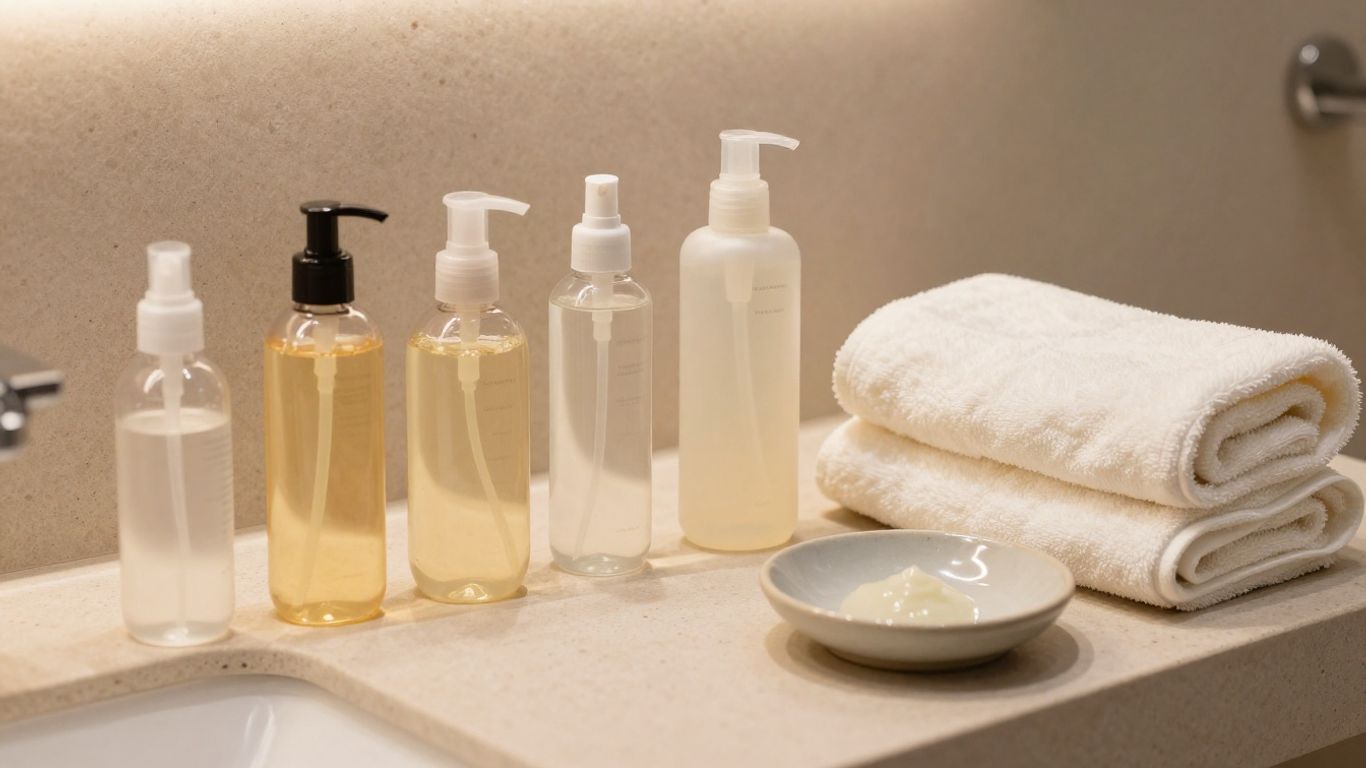
Thin liquids spread easily and may be convenient for light external application. Gels usually offer more body and can be easier to place precisely. Thicker formulas may be preferred when a longer-lasting cushion is wanted, although no texture eliminates the need to add more when friction returns.
The most useful comparison is practical: where will the product be used, how much movement is expected, and how much cleanup is acceptable? A small amount on the skin can reveal whether the texture feels smooth, sticky, fast-drying, or comfortable before more is applied.
Selecting a formula for sensitive skin
Sensitive skin benefits from a cautious, label-first approach. Look for a short ingredient list and be wary of anything that has caused irritation in the past. Fragrance, flavoring, warming agents, cooling agents, and other sensory ingredients may be enjoyable for some people but uncomfortable for others.
A small patch test on an external area can provide an early warning, though it cannot predict every genital reaction. If a product stings on application, wash it off and do not treat the sensation as something you need to tolerate.
Lubricants for vaginal, anal, and external use
The activity and body area affect how much lubrication is needed. Anal tissue does not self-lubricate, so generous application and frequent reapplication are especially relevant for anal activity. Vaginal and external use may require less, but comfort—not a fixed quantity—should determine the amount.
Always follow the product label for intended use. When switching between body areas, use clean hands or a fresh applicator to reduce the chance of transferring bacteria from one area to another.
When warming, cooling, or flavored products may be appropriate
Specialty sensations and flavors are personal preferences, not necessities. Couples Lubricants® are described as offering warming and tingling sensations for shared pleasure, so that type of product may suit users who specifically want a sensory change. It is sensible to try a small amount first, particularly when either person has reactive skin.
Flavored products should be checked for their intended use rather than assumed to be appropriate everywhere. If warmth, tingling, or flavor becomes unpleasant, rinse the area and return to a simpler formula.
How to use KY lubricant safely
Safe application is mostly a matter of preparation, compatibility, and listening to your body. Begin with clean hands and a small amount, then add more gradually. The product should make activity more comfortable, never mask sharp pain or ongoing irritation.
Applying the right amount and adding more as needed
Place a small amount on the external skin, condom, or toy as appropriate for the activity. Spread it gently and pause to assess the glide. More lubricant can be added at any point; starting modestly helps prevent unnecessary mess while still allowing generous reapplication when needed.
There is no universal “correct” amount. Longer sessions, higher friction, and anal activity commonly call for more frequent additions. If a water-based product dries, a little more lubricant—or, where the label permits, a small amount of water—may restore a smoother feel.
Using lubricant with condoms and sex toys
Read both the lubricant label and the condom or toy instructions. Water-based products are often broadly useful, but material compatibility must be confirmed rather than guessed. K-Y personal lubricant guidance also emphasizes matching formulas to condoms, sex toys, ingredients, and application needs.
With condoms, apply lubricant to the outside unless the product instructions say otherwise, and avoid anything that can weaken the barrier. With toys, check the toy manufacturer's material guidance, since some lubricant bases may damage certain materials over time.
Avoiding contamination during application
Keep the bottle or tube tip from touching skin, toys, or other surfaces. Close the container promptly after dispensing, and do not share a container in a way that transfers bodily fluids. If a pump or nozzle becomes visibly dirty, clean it according to the package directions rather than wiping it with an unapproved substance.
A few simple habits make the product cleaner to use:
- Wash hands before and after application.
- Use a fresh condom when changing body areas or partners.
- Keep lubricant away from visibly contaminated surfaces.
- Do not dilute or mix formulas inside the original container.
These steps reduce avoidable contamination without making intimacy feel clinical. Clean technique is simply part of using an intimate essential responsibly.
Cleaning up after use
Water-based lubricant is usually easier to rinse from skin and washable fabrics than oil-based products, but cleanup still depends on the formula. Use warm water and mild, unscented soap on external skin if needed, avoiding aggressive scrubbing. Follow toy-care instructions separately, especially when the toy has electronics or a porous material.
After cleaning, dry the area gently. Persistent soreness after washing is a reason to stop using the product and consider medical advice.
KY lubricant and sexual health considerations
Lubricant can support comfort, but it also touches delicate tissue and may be used alongside barrier methods. That makes material compatibility, ingredients, and bodily response worth checking before regular use. Product packaging is the most reliable source for formula-specific directions.
Compatibility with latex and other condom materials
Some lubricant bases can weaken latex, increasing the risk that a condom breaks or slips. Water-based and many silicone-based products may be compatible with latex, but the exact label should be checked every time a specialty formula is involved. Polyisoprene and polyurethane condoms may have different compatibility guidance.
K-Y Intense Pleasure Gel is specifically described as compatible with latex and polyisoprene condoms. That claim applies to the documented product, not automatically to every KY formula. When in doubt, choose a product that clearly names the barrier material on its packaging.
Understanding pH and osmolality concerns
Vaginal tissue has a naturally acidic environment, and lubricant formulations can differ in pH and osmolality. A product that feels fine initially may still cause discomfort with repeated use if its ingredients do not suit the body. People prone to recurrent irritation or infections may want to ask a clinician which ingredients or formulation characteristics to avoid.
Do not assume that “natural,” “warming,” or “body friendly” means suitable for everyone. Read the full ingredient list and watch for a pattern of symptoms after use.
Why irritation, burning, or itching matters
Mild unfamiliarity is different from burning, itching, swelling, rash, or pain. Those symptoms can signal sensitivity or irritation, and adding more product usually will not solve the underlying problem. Remove the product gently with water and avoid reapplying until the reaction has settled.
Your body’s response matters most when deciding whether to continue. A product can be popular and still not be right for an individual user.
When to stop using the product and seek medical advice
Stop using a lubricant if symptoms are intense, worsening, or recurring. Seek medical advice for significant swelling, sores, unusual discharge, bleeding, fever, persistent pain, or symptoms that do not improve after washing. A clinician can help distinguish irritation from an infection or another health condition.
If dryness continues despite lubrication, ask about possible medication, hormonal, dermatological, or pelvic-floor causes. Lubricant can improve temporary friction, but it should not conceal a problem that needs evaluation.
Common mistakes to avoid with KY lubricant
Most lubricant problems are practical rather than mysterious. People may use too little, choose an incompatible household substitute, overlook the expiration date, or keep using a product that causes symptoms. A few deliberate checks can prevent those errors.
Using too little lubricant
A thin layer may not be enough for prolonged or high-friction activity. If movement feels draggy, uncomfortable, or irritating, pause and add more rather than pushing through. Reapplication is ordinary, especially with water-based formulas that can dry during use.
The goal is a comfortable glide, not a test of endurance. More is useful when needed, but adding product should never be used to cover sharp or unexplained pain.
Substituting oils or household products
Cooking oils, petroleum jelly, and other household products are not interchangeable with personal lubricants. They may irritate sensitive tissue, be difficult to clean, or damage latex condoms. Lubricant alternatives guidance explains why household items can create compatibility and hygiene concerns.
Use a product made for intimate contact and follow its directions. If a condom is part of the plan, confirm that the lubricant is compatible with its material before application.
Applying expired or improperly stored lubricant
An expired product may have changed in texture, odor, or stability. Heat, freezing temperatures, sunlight, and an unsealed cap can also affect product quality. Do not use a container if the packaging is damaged, leaking, or visibly contaminated.
Replacing an old bottle is a small precaution with a clear benefit. When a product looks or smells different from when it was opened, discard it rather than trying to salvage it.
Ignoring recurring dryness or discomfort
Repeated discomfort deserves attention even when lubricant provides short-term relief. Dryness can be connected with hormonal changes, medications, skin conditions, infection, or pelvic-floor tension. A healthcare professional can help identify the cause and recommend options beyond lubricant.
Comfort is not something to negotiate away. If a product repeatedly causes symptoms, stop and choose a simpler approach while seeking guidance.
Storage, shelf life, and product selection tips
Good storage protects the formula and makes the product easier to trust when you need it. Keep the packaging available so you can revisit the directions, ingredients, and compatibility information. Selection should be based on your actual needs rather than a promise that one texture suits everyone.
Checking the expiration date and packaging
Look for the expiration date before opening and again if the bottle has been stored for a long time. Inspect the seal, cap, pump, and container for cracks or leaks. If the date is missing or unreadable, contact the manufacturer or choose a clearly dated replacement.
A changed smell, color, or consistency is also a reason to discard the product. These checks matter even when the lubricant has been used only occasionally.
Storing lubricant in suitable conditions
Store lubricant in a cool, dry place away from direct sunlight and excessive heat. Avoid leaving it in a hot car or next to a radiator. Close the cap firmly after each use, and keep the container where children and pets cannot access it.
Travel can expose products to temperature swings, so a protective pouch and a leak-resistant seal are helpful. Do not freeze a formula unless the manufacturer specifically provides storage guidance allowing it.
Reading ingredient labels
Ingredient labels can help you identify fragrances, flavors, warming or cooling agents, preservatives, and other components that may have caused trouble before. If you have allergies or a history of irritation, compare labels rather than relying only on front-of-package language. A shorter list is not automatically safer, but familiarity makes reactions easier to trace.
When choosing between products, a simple comparison can keep the decision grounded in use rather than marketing:
| Consideration | What to check | Why it matters |
|---|---|---|
| Base | Water-based, silicone-based, oil-based, or hybrid | Affects cleanup and material compatibility |
| Texture | Liquid, gel, or thicker formula | Changes spread, cushion, and reapplication needs |
| Sensory additives | Flavor, warming, cooling, or fragrance | May change enjoyment or irritation risk |
| Intended use | Vaginal, anal, external, or toy use | Helps match the product to the activity |
The label gives you a useful starting point, while your own comfort provides the final test. When symptoms or compatibility questions are significant, ask a healthcare professional or the relevant product manufacturer.
Choosing a product based on personal needs and preferences
Start with the activity, barrier method, toy material, desired texture, and sensitivity history. You may prefer a simple water-based gel for easy cleanup, a specialty formula for a particular sensation, or a different base when longer-lasting glide is needed. There is no requirement to choose the most elaborate option.
A good personal lubricant should feel comfortable, work with the materials you use, and fit your cleanup and storage habits. Reassess the choice if your body, medication, relationship circumstances, or preferred activities change.
Conclusion
KY lubricant can be a straightforward way to reduce friction and support more comfortable intimacy when the formula matches your needs. Use enough, check compatibility, store it properly, and treat irritation or recurring dryness as useful health information rather than an inconvenience.
Frequently Asked Questions
What is KY lubricant used for?
It is used to supplement natural moisture and reduce friction during sexual activity, masturbation, or external touch.
Is water-based lubricant easy to clean?
Water-based lubricant is generally easier to rinse from skin and washable fabrics than oil-based products, although cleanup varies by formula.
Can lubricant prevent pregnancy?
Ordinary lubricant does not prevent pregnancy. Use contraception designed for pregnancy prevention and follow its instructions.
Can lubricant be used with condoms?
Some lubricants are compatible with condoms, while others can weaken particular materials. Check the lubricant and condom labels before use.
How much lubricant should be used?
Start with a small amount and add more whenever friction or dryness returns. The appropriate amount depends on the activity and personal comfort.
Why does lubricant burn or itch?
Burning or itching may indicate irritation or sensitivity to an ingredient. Stop using the product, rinse gently, and seek medical advice if symptoms persist or are severe.
When should recurring dryness be evaluated?
Dryness that is persistent, painful, new, or accompanied by other symptoms should be discussed with a healthcare professional rather than managed only with lubricant.





































































