

Posted by Mike
on July 22, 2026

Key Takeaways
Finding the right product for intimacy requires balancing safety with desired performance. This guide outlines how to evaluate common household items and professional alternatives to ensure both comfort and long-term health.
- Natural oils last long but can compromise latex barrier integrity during intercourse.
- Water-based formulas are generally the most compatible choice for toys and condoms.
- Avoid household fats like butter or petroleum jelly which harbor pathogens.
- Always perform a patch test when introducing any new personal grooming product.
- Professional water-based brands often prioritize pH balance to protect delicate tissues.
Natural oil-based lubricants
Many people search for reliable ingredients in their pantry when they wonder what to use as lubricant for intimate moments. While these substances provide excellent slip, they differ significantly in their chemical properties and interaction with medical devices. Prioritizing skin-nourishing and plant-derived comfort remains essential for maintaining wellness.
Coconut oil for sensitive skin
Coconut oil is frequently favored for its natural glide and gentle nature on the skin. It serves as a popular option for those seeking plant-based care, though its efficacy is strictly limited by its status as an oil-based product. Users often find its texture appealing, but they must remain aware of how it cleans up after use since it does not dissolve in water like premium natural personal lubricants might.
Considerations for latex condoms
Using oil-based products alongside latex materials is a significant health concern. Because oils break down latex molecules, the integrity of a barrier can rapidly fail, increasing the risk of transmission or pregnancy. This mechanical breakdown is why professionals suggest that if you are looking for safe and effective alternatives for protected activity, you should look elsewhere.
Sweet almond oil benefits
Sweet almond oil is another natural derivative that feels luxurious and remains relatively shelf-stable compared to food-grade fats. It offers a smooth texture that many enjoy, provided it is used carefully without barrier items. It is crucial to source high-quality, pure options, much like how one would seek a guide to choosing the most reliable ingredients for dietary or skin health.
Water-based alternatives
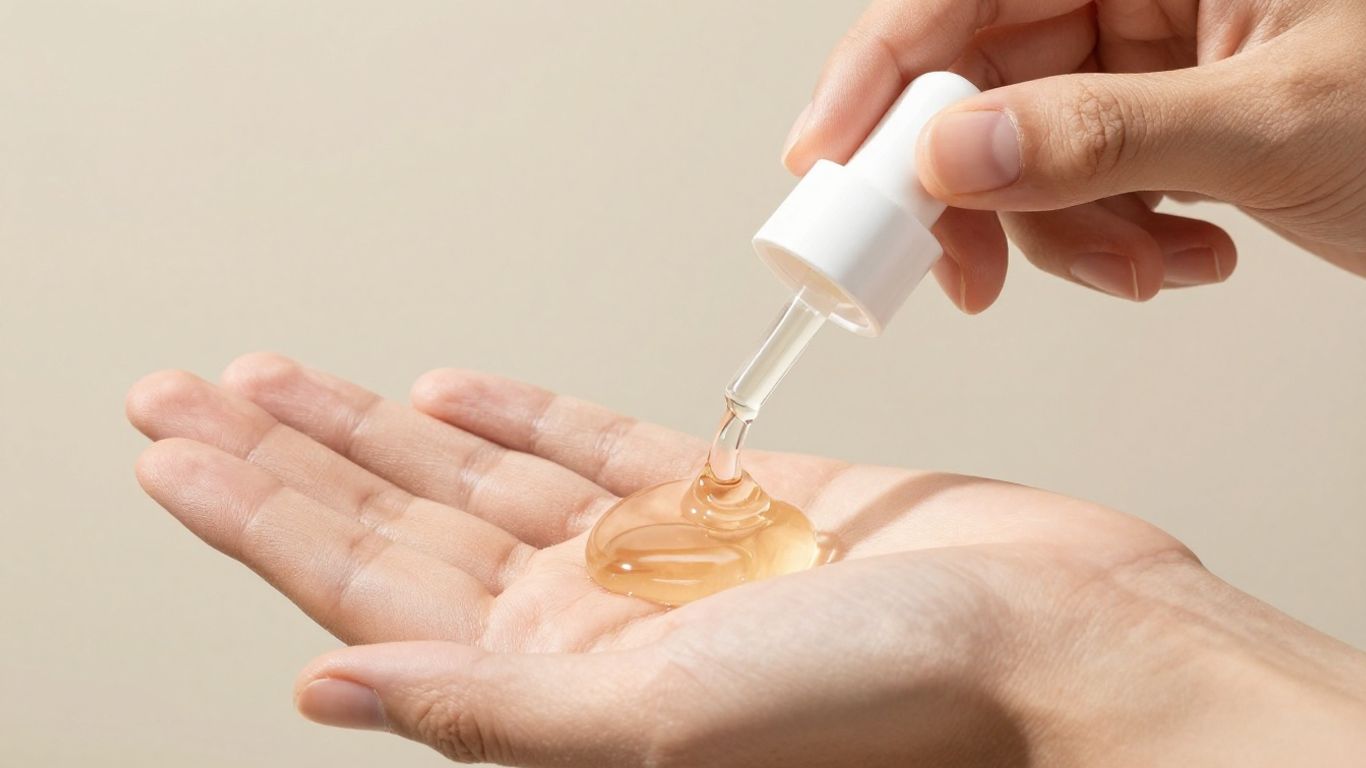
Water-based gels are widely regarded as the most versatile option for intimate wellness due to their compatibility with the body’s natural chemistry. These formulas often integrate humectants which assist in retaining moisture, offering a reliable experience that mimics natural secretion. Unlike oils, these varieties wash away easily with regular soap and water, ensuring a straightforward cleanup process.
Aloe vera gel applications
Pure aloe vera gel is often recommended for its soothing capabilities on sensitive tissues. When selecting this, one should look for versions without added dyes or alcohols that could cause burning. It serves as a great DIY base, and creating your own formulas can be a fun way to understand ingredient safety and sourcing.
Why water-based is condom safe
Water-based lubricants are inherently compatible with all types of condoms, including latex and polyisoprene. Because they do not break down the material, they preserve the structural safety of your chosen protection methods. When navigating supply chain and quality concerns—much like the rigor needed when managing portfolio risk monitoring—choosing a tested water-based brand ensures consistency.
Potential risks of additives in scented gels
Many mass-market gels include fragrances or additives that can disrupt the natural equilibrium of intimate regions. Ingredients like glycerin or parabens may cause irritation or localized reactions in individuals with hypersensitivity. Relying on body-safe ingredients is essential for maintaining health without sacrificing the sensory pleasure that makes an experience genuinely enjoyable.
Common household items to avoid
Reaching for items in the kitchen or bathroom cabinet might seem convenient, but many lack the necessary sterility for intimate use. Items that are designed for external skin hydration often contain ingredients that are not suitable for internal or mucosal contact. The following table highlights common misuse cases.
| Item Name | Primary Risk Factor | Appropriate Use |
|---|---|---|
| Petroleum Jelly | High risk of bacterial growth | External skin barrier only |
| Cooking Oils | Degrades latex structures | Culinary preparation only |
| Sugary Syrups | Disrupts local pH balance | Dietary sweetening only |
Dangers of petroleum jelly
Petroleum jelly is frequently misunderstood as a safe choice, but its heavy, viscous nature can trap bacteria against the skin. This can lead to increased risks of infection or discomfort. Instead of repurposed hardware-store products, it is far safer to pick personal lubricant formulas specifically manufactured for anatomical safety.
Why cooking oils can harbor bacteria
Vegetable and cooking oils are essentially organic materials that act as a breeding ground for microorganisms once exposed to the warm, moist environment of human intimacy. By exploring these alternatives, you might find an extensive list of safe lubricants for anal sex, which provide safety documentation that grocery items simply lack.
Avoiding flavored syrups and sugary products
Sugar is a significant irritant that can trigger imbalances or yeast accumulation in delicate tissues. Always opt for edible lubricant formulas that are specifically formulated without sugar or fructose. Here are a few ways to ensure quality during your selection:
- Verify all ingredients are tested for non-toxic properties.
- Ensure the formula is completely free from artificial sweeteners.
- Check packaging for certifications like vegan or cruelty-free.
- Read labels for pH-balancing agents that mimic natural mucosal health.
Professional lubricant categories
Professional products are held to higher standards of purity and performance than household alternatives. These lubricants are developed with clinical oversight, ensuring that the osmolality and pH levels are optimized for the human body. Whether you are scaling up your wellness routine—similar to finding offshore resourcers for business growth—the importance of a trusted partner is paramount.
Understanding silicone-based formulas
Silicone lubricants are known for their exceptional longevity and resistance to drying out during long sessions. They are generally thicker than water-based options and provide a silky, high-glide texture. Because they remain on the surface rather than absorbing into the skin, they are ideal for extended play where friction might otherwise become a concern.
Benefits of water-based professional lubricants
Professional water-based lubricants provide a perfect balance of comfort and safety. They are designed to integrate seamlessly into your routine, enhancing sensitivity without posing risks to condoms or toys. Brands like ArouselLube Intensifying Gel demonstrate how professional dedication to ingredient research helps maximize your pleasure through plant-derived, third-party tested formulations.
When to choose hybrid formulas
Hybrid lubricants attempt to combine the long-lasting slip of silicone with the easy cleanup of water-based formulas. These are increasingly popular for solo or partner play where viscosity needs are highly individualized. As you learn how to choose your product, consider that hybrid mixes offer a middle ground for those not ready to commit to either extreme.
Recognizing individual sensitivities
Identifying what works for your unique physiology is the final step in refining your intimate care. Even natural ingredients can trigger reactions in some people, making personal observation critical for sustained comfort. Just as one might optimize sustainable home materials to improve their living environment, optimizing for your bodily comfort improves your intimate quality of life.
Patch testing new products
Always perform a small patch test before applying any new substance to sensitive areas. Apply a small amount to your inner forearm and observe the area for twenty-four hours to check for redness or itching. This is a simple but highly effective way to prevent widespread discomfort later.
Identifying ingredient allergies
Many users find that they have specific allergies to common additives or preservatives. If you notice persistent issues, try an exclusion approach to identify which specific component is the culprit. Using products like Arousellube provides a baseline of clean, tested ingredients which helps you narrow down these variables effectively.
Managing irritation after usage
If irritation occurs, stop using the product immediately and rinse the area gently with warm water. Applying a cool compress or a bland, hydrating barrier can help calm the tissue. It is also worth revisiting water-based lubricant options that are specifically marked as hypoallergenic to minimize future occurrences.
When to consult a medical professional
Intimate health issues should be addressed by a medical expert if they fail to resolve with simple lifestyle changes. Ignoring recurring discomfort can lead to deeper complications. Just as one might require aid with apoios à gravidez to ensure safety, seeking expert advice for intimate concerns is a proactive measure.
Persistent discomfort or burning
If you experience ongoing burning after avoiding irritants, you may have an underlying condition that requires medication. A doctor can screen for sensitivities or dermatological issues that are outside the scope of topical lubricants. Do not let shame or hesitation delay your search for proper care.
Signs of bacterial or yeast infection
Discharge, persistent itching, or abnormal odors are often signs of an infection. These symptoms are not caused by the lubricant alone but may be exacerbated by the wrong choice of product. Early diagnosis can prevent a mild concern from requiring more intensive treatment later on.
Discussing sexual health concerns with a doctor
Talking to a primary care physician or gynecologist about your intimate life is a standard part of health maintenance. They are trained to provide guidance without judgment and can suggest the right lubricant benefits and medical supports for your individual stage of life. If you are ever unsure, a quick consultation is the surest way to confirm you are using healthy options.
Conclusion
Selecting appropriate aids for intimacy is a vital part of personal health that bridges the gap between physical sensation and safety. By opting for professionally tested, pH-balanced formulas and avoiding household hazards, you ensure that every experience is comfortable and supportive for your body. Remember that your sensitivity is unique, and prioritizing scientific rigor in your choices will lead to a more fulfilling and worry-free routine.
Frequently Asked Questions
Can I use olive oil as a natural substitute?
While olive oil is a common pantry item, it is not recommended for intimate use because it can foster bacterial growth and is difficult to remove from fabrics or skin.
Do all natural lubes contain beneficial ingredients?
Not necessarily, as many commercial marketing terms like natural are unregulated; always read the ingredient list to ensure it lacks artificial fragrances or parabens.
How often should I replace my lubricant bottle?
Once opened, most personal lubricants have a shelf life of six to twelve months; store them in a cool, dark place to maintain their efficacy.
Is it normal to feel a warming sensation after application?
Unless the product is specifically labeled as a warming gel, any warmth or burning is usually a sign of irritation and indicates you should wash the product off.
Can I apply lubricant directly to a condom?
Yes,applying a small amount to the outside of a condom is standard practice, provided the lubricant is water-based and safe for use with latex.
Does lubricant expire faster if it contains aloe vera?
Natural plant-derived ingredients may have slightly shorter shelf lifes, so it is important to check for preservatives and use by the date listed on the bottle.
Should I avoid all lubricants if I have a history of yeast infections?
Not necessarily, but you should look for products with professional-grade pH balancing and steer clear of any sugars, perfumes, or glycerin that could aggravate sensitive flora.





































































