

Posted by Mike
on August 01, 2026

Key Takeaways
A liquid silk personal lubricant can offer a smooth, comfortable glide, but the best formula depends on your body, preferred texture, and planned use.
- Water-based formulas are versatile and easy to clean.
- Silicone-based formulas usually last longer and work well in water.
- Hybrid formulas combine water’s lighter feel with silicone’s glide.
- Always check condom, toy, ingredient, and expiration compatibility.
- Stop using any lubricant that causes burning, itching, or persistent discomfort.
What liquid silk personal lubricant is
The phrase liquid silk personal lubricant usually describes a product designed to feel smooth, light, and cushioning rather than sticky or rough. “Silk” is a texture description, not a regulated product category, so formulas can differ considerably. Some are water-based, some silicone-based, and others combine both types of ingredients. Reading the label matters more than relying on the name alone.
Water-based, silicone-based, and hybrid formulas
Water-based lubricants are generally easy to rinse away and are often a practical choice for everyday intimacy. Silicone-based products tend to stay slippery for longer, including during water-based activities, though they may require more cleanup. Hybrid formulas blend the two approaches, offering a fluid feel with some of silicone’s staying power.
A useful comparison is to think about where you will use the lubricant and how often you want to reapply it. A lubricant selection guide can help organize those trade-offs, especially when you are comparing texture, ingredients, and compatibility rather than choosing by packaging.
How the “silk” texture affects comfort and glide
A silky texture often comes from a combination of viscosity, moisturising agents, and lubricating ingredients that allow skin to move with less drag. A thinner formula may feel natural and spread quickly, while a thicker gel can provide a more noticeable cushion. Neither texture is automatically better; comfort depends on personal preference and the amount of friction involved.
Try a small amount first and notice whether it feels smooth without becoming tacky as it dries. Comfort should guide the choice, particularly if you are dealing with dryness or sensitive tissue. If the product becomes sticky, adding a little more or choosing a different base may work better than applying a large quantity at once.
Common ingredients and what they do
Ingredient lists can look technical, but a few broad categories are useful to recognise. Water is the primary carrier in many lighter formulas, while silicones can add lasting slip. Humectants may help a product retain moisture, thickeners control its body, and preservatives help keep the opened bottle stable.
Natural positioning also needs a closer look. A product described as plant-based may still contain several functional ingredients, and “natural” does not automatically mean suitable for every person. For readers who prefer plant-derived components, Arousellube is described as a water-based edible personal lubricant made with natural ingredients and a pH-balanced formula.
Key benefits and potential limitations
The appeal of a liquid silk personal lubricant is its balance: it may feel polished and fluid while reducing the discomfort associated with excess friction. A well-matched lubricant can make intimacy more relaxed, particularly when natural lubrication varies with stress, medication, hormonal changes, or the length of a session. Still, every formula has trade-offs, and the same product may feel excellent for one person but unsuitable for another.
Long-lasting lubrication and reduced friction
Lubrication works by creating a smoother surface between skin, a condom, or a toy. This can reduce rubbing and help prevent the tenderness that may follow prolonged activity. Silicone ingredients generally do not evaporate as quickly as water, while water-based products can be refreshed easily when they begin to feel less slippery.
Duration is affected by movement, moisture, body temperature, and the amount applied. A lubricant that lasts well in one setting may need reapplication in another, so treat “long-lasting” as a useful starting point rather than a promise about every experience.
Easy cleanup and everyday versatility
Water-based formulas are commonly valued for their straightforward cleanup: warm water and mild soap are often enough for skin, fabrics, and many toys. They can also be convenient for partnered intimacy, solo use, and situations where you want to avoid a persistent coating. A product such as SatinGel Water-Based Lubricant is described as plant and water-based, with a silky, non-greasy glide and easy cleanup.
Silicone-based and hybrid products may be more resistant to rinsing, but that can be useful when you want the glide to remain in place. Consider the surface you are using and keep a clean, damp cloth nearby if you expect a little extra residue.
When a different lubricant may work better
A silky hybrid may not be the right choice if you strongly prefer a simple, quickly rinsed formula or if a particular additive irritates you. Conversely, a very light water-based product may require frequent reapplication during extended activity. Oil-based products have their own condom and cleanup concerns, so they should not be selected casually as a substitute.
The best alternative depends on the problem you are trying to solve: duration, sensitivity, mess, toy material, or sensation. A shorter ingredient list and an unscented formula may be more helpful than a richer texture when skin is easily reactive.
How to choose the right formula
Choosing a lubricant is less about finding a universally perfect product and more about matching several practical details. Think about whether you need quick cleanup, extended glide, edible use, or compatibility with a particular condom or toy. Your first choice can be provisional; the body’s response is useful information.
Checking the ingredient list
Read the full ingredient panel rather than relying on claims such as silky, natural, or gentle. Look for the base, preservatives, fragrances, flavours, and any ingredients you already know your skin does not tolerate. If you have recurring sensitivity, a patch test on less delicate skin can provide an early warning, although it cannot guarantee that intimate tissue will respond identically.
The personal lubricant buying guide is useful for comparing bases, viscosity, pH balance, ingredient analysis, and cleanup needs. Those categories make it easier to compare two bottles that use similar marketing language.
Matching the lubricant to your preferences
Start with the experience you want, not with a trend. Some people prefer a light, nearly invisible layer; others want a thicker cushion or a glide that remains noticeable for longer. Flavour and sweetness may matter for oral use, while a neutral, unscented product may be preferable for sensitive skin.
The following quick comparison can clarify the usual trade-offs:
| Formula type | Main strength | Common limitation | Often suits |
|---|---|---|---|
| Water-based | Easy cleanup and broad everyday use | May dry sooner | Daily intimacy and many toys |
| Silicone-based | Long-lasting glide | More persistent cleanup | Extended sessions and water use |
| Hybrid | Balanced feel and durability | Requires careful label checking | People wanting a middle ground |
Use the table as a starting point, then check the manufacturer’s directions for the specific product. Formula names are not perfectly consistent, and a hybrid product can behave differently depending on its silicone content and other ingredients.
Considering pH, fragrance, and additives
If the lubricant will be used vaginally, pH may be worth considering because the vaginal environment has a natural acidity that can be disrupted by some products. Fragrance, flavour, warming agents, cooling agents, and strong botanical extracts can add sensation but may also increase the chance of irritation. “More features” is not necessarily a benefit for sensitive users.
A pH-balanced, third-party tested option may appeal to people who prioritise documented formulation choices. Arousellube is described as vegan, cruelty-free, third-party tested, and pH-balanced, with natural ingredients; those are product-specific claims, so check the current label before purchasing or using it.
Compatibility with condoms and sex toys
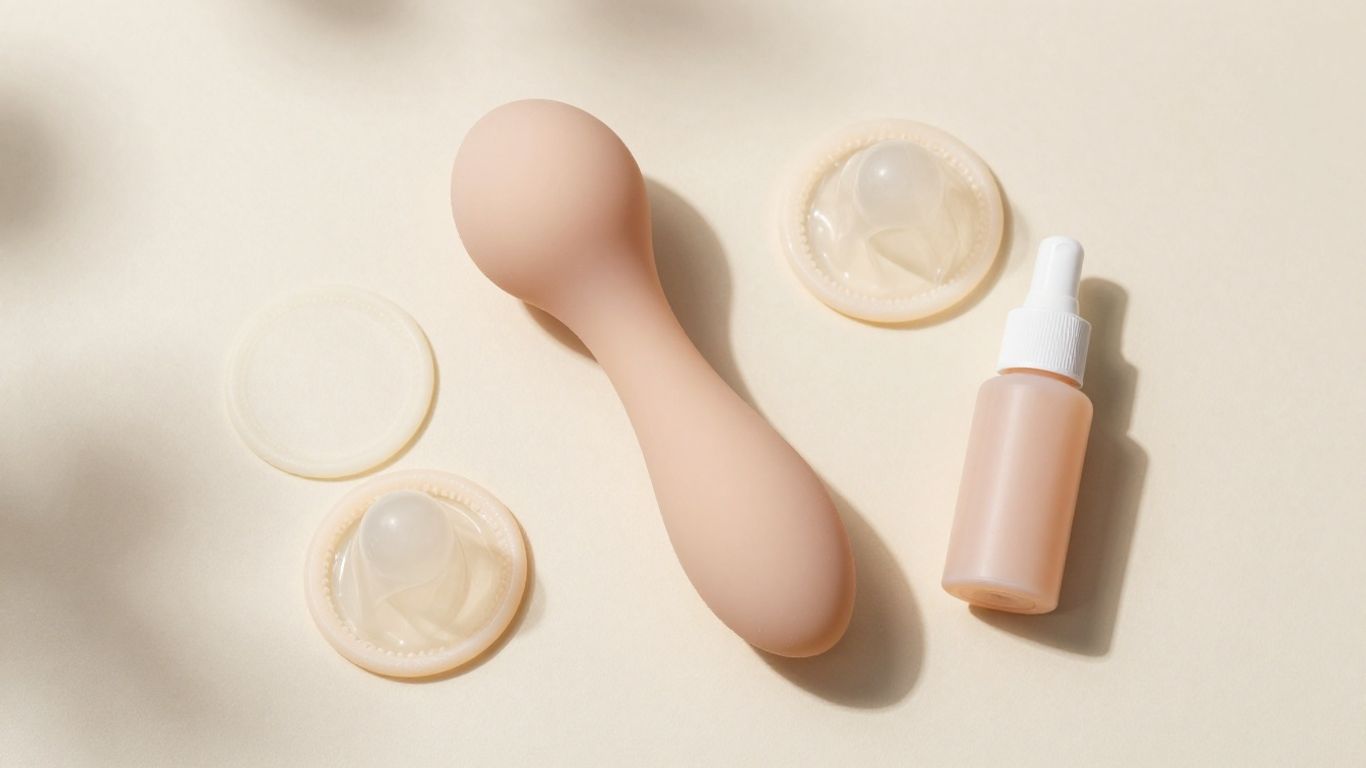
Compatibility is a safety question as well as a comfort question. A lubricant that feels ideal on skin can weaken a condom or affect a toy’s surface if its base is unsuitable. When the packaging is unclear, pause and look for explicit manufacturer guidance rather than guessing from the texture.
Using it with latex and synthetic condoms
Many water-based and silicone-based lubricants are designed for use with latex condoms, but the label is the final authority. Oil-based products can weaken latex, which may increase the chance of breakage. “Synthetic” condoms are made from different materials, so identify the condom material and check the lubricant instructions for that combination.
Do not use compatibility language from one product as proof for another. Even products in the same broad category may contain different oils, additives, or silicone blends.
Checking compatibility with silicone toys
Silicone lubricant can sometimes interact with silicone toys, leaving the toy’s surface tacky, softened, or otherwise changed. Water-based lubricant is often the simpler choice for silicone toys, while some hybrid products may be compatible and others may not be. Test a small, inconspicuous area if the manufacturer permits testing and the instructions do not already answer the question.
Wash the toy according to its care instructions after use and inspect it before the next session. A change in texture is a reason to stop using that toy until its material safety is clear.
Avoiding damage, staining, and material issues
Compatibility also includes bedding, clothing, and storage surfaces. Water-based formulas are usually easier to remove, while silicone or oil components may leave a more persistent mark. Use a washable towel when trying a new product, and rinse fabrics promptly according to their care label.
Keep the original bottle and instructions available. If the product changes a condom’s surface, leaves an unusual film, or affects a toy, discontinue that combination and choose a verified alternative.
How to use liquid silk personal lubricant
Using lubricant is simple, but small adjustments make a noticeable difference. Apply it to the contact points where friction is likely, and communicate with your partner about whether the amount and sensation feel comfortable. Lubricant is an aid to comfort, not something that should be used to push through pain.
How much to apply initially
Begin with a small amount, roughly a few drops or a pea-sized dab, depending on the product’s thickness and the area involved. Spread it over clean, dry skin or the outside of a condom as directed. Adding more is easy; removing an excess amount in the middle of intimacy is less convenient.
If the product feels too thin, you may need a little more. If it feels sticky, a modest additional amount can sometimes restore glide, but persistent tackiness is a sign that another formula may suit you better.
When to reapply during intimacy
Reapply when movement begins to feel less smooth, not only after discomfort has developed. Water-based formulas may need refreshing sooner, especially when exposed to air or absorbed by skin. Silicone-based formulas often remain slippery longer, but they can still require more product as it spreads beyond the original contact area.
A simple routine can keep the experience comfortable:
- Notice increased drag before it becomes soreness.
- Add a small amount to the relevant contact point.
- Pause briefly to spread it evenly.
- Recheck comfort before continuing.
This approach avoids both extremes: using too little and enduring friction, or applying so much that control and sensation are reduced. Follow the product directions if they specify a different application method.
Combining it with other products safely
Avoid mixing lubricants blindly, especially when one contains oil or when a toy’s material is uncertain. Layering products can change texture, reduce condom safety, or make cleanup harder. If you use a moisturiser, massage oil, medication, or topical treatment in the same area, check its directions and ask a pharmacist or clinician when compatibility is unclear.
The safest combination is usually the one the label explicitly permits. Keep products in their original containers so ingredients and expiration information remain easy to verify.
Skin sensitivity and safety considerations
Even a thoughtfully made lubricant can cause a reaction in someone who is sensitive to one of its ingredients. Start cautiously if you have a history of dermatitis, allergies, recurrent thrush, or irritation after intimate products. Avoid using a new formula on already inflamed or damaged skin.
Recognizing irritation or allergic reactions
Burning, itching, swelling, redness, rash, or unusual soreness may indicate irritation or an allergic response. Mild warmth that is specifically expected from a labelled warming product is different from painful burning, but any troubling sensation deserves attention. Symptoms that appear repeatedly after use are a strong reason to stop and reassess the formula.
Do not assume discomfort is something you need to tolerate for the product to work. Rinse the area gently with lukewarm water if appropriate, and avoid adding other scented or medicated products that could make the cause harder to identify.
Ingredients that sensitive users may want to avoid
People with sensitive skin may choose to limit fragrance, flavouring, warming or cooling agents, and ingredients that have caused them trouble in the past. Some users also prefer to avoid glycerin, parabens, or particular preservatives, though individual tolerance varies and an ingredient’s presence alone does not predict a reaction for everyone.
A short, familiar ingredient list can make troubleshooting easier. Keep a note of products that have caused symptoms, and compare panels rather than relying only on front-label claims.
When to stop using the product and seek medical advice
Stop using the lubricant if irritation is significant, persistent, or worsening. Seek medical advice for marked swelling, hives, blistering, severe pain, difficulty breathing, or symptoms that do not settle after the product is removed. A clinician can help distinguish contact irritation from infection or another condition.
If discomfort, dryness, or pain during intimacy keeps returning, it is worth discussing the pattern with a healthcare professional. Lubricant can improve comfort, but it should not conceal a medical issue that needs treatment.
Storage, shelf life, and product care
Good storage protects both the formula and the person using it. Lubricants are frequently handled during intimate moments, so a clean bottle and secure cap matter more than they may seem. Product care is especially relevant for formulas containing several active, moisturising, or preservative ingredients.
Keeping the bottle clean and properly sealed
Wipe the nozzle if product collects around it, and avoid touching the opening to skin or other surfaces. Close the cap firmly after each use to reduce contamination and evaporation. Never pour leftover lubricant back into the original bottle or share an opened bottle between people.
Keep the container upright when practical, especially if the cap is not designed to prevent leaks. A clean exterior also makes it easier to notice whether the formula itself has changed.
Protecting the formula from heat and sunlight
Store lubricant in a cool, dry place away from direct sunlight, radiators, hot cars, and steamy bathrooms. Excess heat can affect texture and may shorten the useful life of the ingredients. Freezing conditions can also alter some formulas, so ordinary room-temperature storage is usually the sensible choice unless the label says otherwise.
Travel with the bottle sealed inside a leak-resistant pouch. If it has been exposed to unusual heat or a long period of sunlight, inspect it before use rather than assuming it is unchanged.
Checking expiration dates and changes in texture or smell
Check the expiration date before opening and again if the bottle has been stored for a long time. A sour or unfamiliar smell, separation that does not resolve with gentle shaking when shaking is permitted, unusual cloudiness, or a changed texture can indicate that the product should be discarded.
Do not try to rescue an old lubricant by adding water or another product. When in doubt, replace it; a new bottle is a small cost compared with dealing with irritation or a compromised formula.
Conclusion
The right liquid silk personal lubricant should feel comfortable, suit the intended activity, and have ingredients and compatibility information you can trust. Compare the base, texture, additives, condom and toy guidance, and storage directions before making your choice, then let your body’s response guide future use.
Frequently Asked Questions
Is liquid silk personal lubricant always silicone-based?
No. “Liquid silk” is generally a texture or marketing description. The product may be water-based, silicone-based, or hybrid, so check the ingredient list and base stated on the packaging.
Is a liquid silk personal lubricant safe with condoms?
Safety depends on the formula and the condom material. Check the product label for explicit compatibility guidance, and avoid assuming that every lubricant with a silky texture works with every condom.
Can I use it with silicone sex toys?
Check the toy and lubricant instructions first. Silicone-containing lubricants may affect some silicone toys, while water-based products are often a simpler option, but the manufacturer’s guidance should determine the choice.
How often should I reapply lubricant?
Reapply whenever glide decreases or friction becomes noticeable. Begin with a small amount, spread it evenly, and add more as needed rather than applying a large quantity at once.
What should I do if lubricant burns or itches?
Stop using it and gently remove the product if appropriate. Seek medical advice if symptoms are severe, persistent, worsening, or accompanied by swelling, hives, blistering, or breathing difficulty.
Does water-based lubricant dry out faster?
It can, because water-based formulas may evaporate or be absorbed more quickly. Reapplication is easy, though, and the actual duration depends on the formula, amount used, movement, and surrounding moisture.
How long does personal lubricant last after opening?
Follow the expiration date and any opened-product guidance on the packaging. Discard it if the smell, colour, separation, or texture changes unexpectedly, even if the printed date has not passed.





































































