

Posted by Mike
on September 02, 2026

Key Takeaways
Choosing a lubricant is personal, but a few practical checks can make the decision easier and more comfortable.
- Lubricant can reduce friction when natural moisture is not enough.
- Water-based, silicone-based, and oil-based formulas behave differently.
- Condom and sex-toy materials should be checked before use.
- Fragrance, glycerin, and certain preservatives may bother sensitive tissue.
- Ongoing pain, bleeding, or unusual discharge deserves medical attention.
Understand why you may need lubricant
Natural lubrication changes from one person and one day to another. Stress, medication, hormonal shifts, arousal, and individual anatomy can all affect how comfortable sex feels. A lubricant for women can supplement natural moisture without implying that anything is wrong with your body. The goal is simple: less friction, more comfort, and room to focus on intimacy.
Common causes of vaginal dryness
Vaginal dryness may appear temporarily after childbirth, while breastfeeding, during periods of stress, or when certain medicines affect moisture levels. Perfumed washes, douches, and irritating products can also upset the vulvar area. Some people notice dryness only during sex, while others feel it throughout the day. A practical vaginal dryness guide can help explain the difference between a lubricant and a longer-lasting vaginal moisturizer.
How arousal affects natural lubrication
Arousal usually increases vaginal secretions, but the response is not an instant switch. Feeling rushed, distracted, anxious, or uncomfortable can make natural lubrication slower or less noticeable, even when desire is present. More time, communication, and gentle stimulation may help, but adding lubricant is also a reasonable way to support comfort. Comfort is part of pleasure, not a test that must be passed before intimacy can begin.
When hormonal changes may play a role
Estrogen levels can shift during perimenopause and menopause, and dryness may also occur during breastfeeding or after some reproductive-health treatments. These changes can affect the tissues as well as the amount of moisture available. A lubricant may help during sexual activity, while persistent symptoms may call for a different treatment plan. Natural lubrication can also vary with the menstrual cycle, age, stress, health conditions, and medication use, as described in this overview of lubricants for women.
Signs that dryness may need medical attention
Occasional dryness is common, but ongoing discomfort should not simply be endured. Speak with a healthcare professional if dryness continues, sex becomes painful, or symptoms appear outside intimate activity. Burning, itching, unusual discharge, or repeated tearing may point to irritation, infection, a skin condition, or another cause that lubricant alone cannot address.
Compare the main types of lubricant
Lubricants differ in how long they last, how easily they wash away, and which condoms or toys they suit. There is no universal best formula; the right choice depends on your body, activity, and preferences. Start with the base, then look at the ingredient list and compatibility information. This lubricant selection guide offers another useful way to compare texture, comfort, and everyday versatility.
Water-based lubricants for everyday versatility
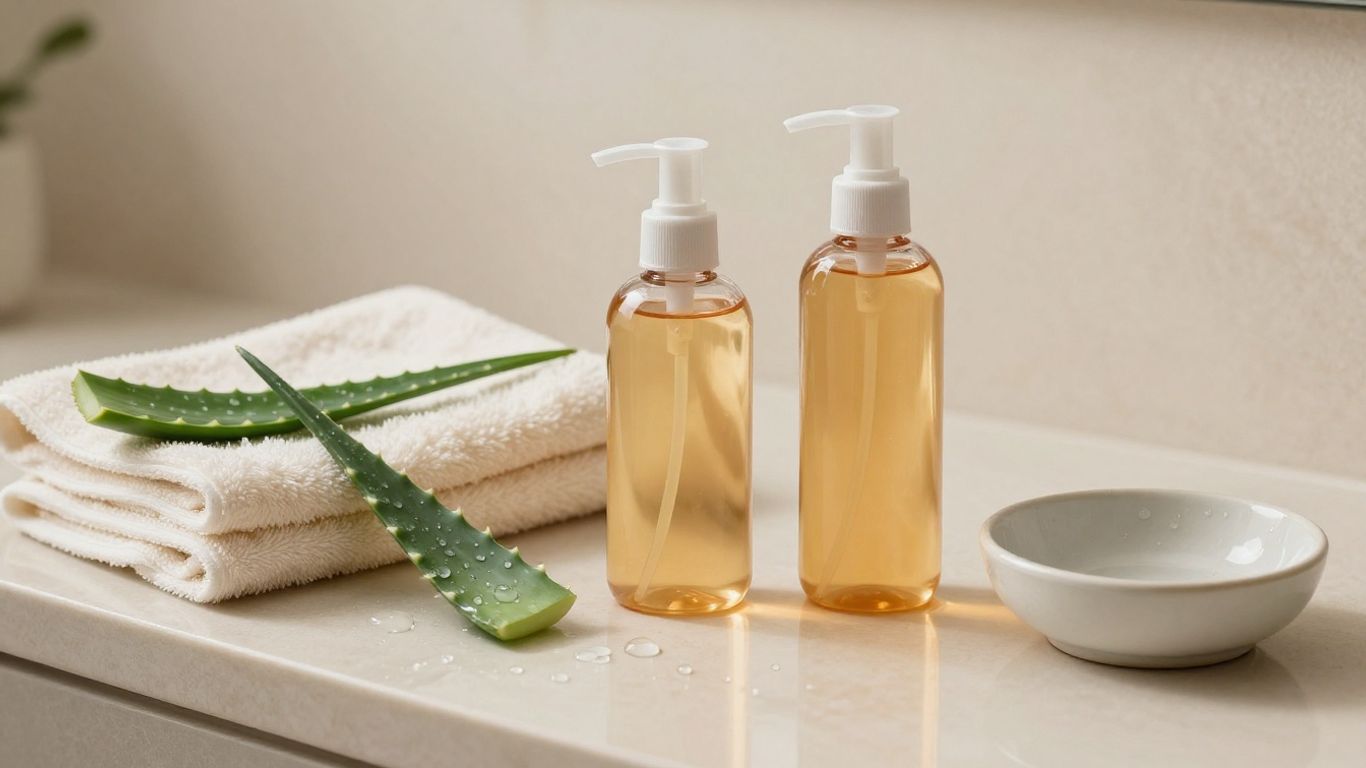
Water-based formulas are usually easy to spread, simple to clean, and broadly compatible with condoms and many sex toys. They can work well for vaginal sex, solo use, and situations where you want a lighter, less persistent feel. They may dry during longer activity, so reapplication is normal rather than a sign that the product has failed. Arousellube offers water-based, edible personal lubricants made with natural ingredients and designed to enhance pleasure and intimacy.
Silicone-based lubricants for longer-lasting use
Silicone-based lubricants tend to remain slippery for longer and can be useful when frequent reapplication is inconvenient. They are often considered for shower or bath use because they do not rinse away as quickly as water-based products. However, some silicone toys may be affected by silicone formulas, so check the toy maker’s guidance first. A small amount can go a long way, which makes testing the texture before full use worthwhile.
Oil-based lubricants and their limitations
Oil-based products can feel rich and long-lasting, but they require careful compatibility checks. Many oils can weaken latex condoms, increasing the risk of breakage, and they may be harder to wash from fabric or skin. Oils can also be a poor match for some toys and may not suit people prone to irritation. If you choose one, read the packaging and use a different barrier method when latex compatibility is not confirmed.
Natural and organic lubricant ingredients
“Natural” does not automatically mean gentle for every person. Aloe, plant oils, and other botanical ingredients may appeal to shoppers, but any ingredient can cause irritation or allergy in an individual. Arousellube’s positioning centers on scientifically rigorous, natural, high-quality ingredients, with non-GMO, vegan, third-party tested, skin-nourishing, and pH-balanced formulations described in its brand materials. Review the complete label rather than relying on a front-of-package claim.
Choose a lubricant for your specific needs
The best lubricant is the one that matches the activity and feels comfortable afterward. Consider whether you need easy cleanup, a longer-lasting glide, toy compatibility, or a formula with fewer potential irritants. If you are comparing several products, change one variable at a time so you can tell what your body prefers. This personal lubricant buying guide can be a helpful companion when comparing bases, viscosity, and packaging information.
Lubricant for sensitive skin
Sensitive skin often does better with a short, familiar ingredient list and without fragrance, flavor, warming agents, or unnecessary botanical blends. Apply a little externally first and stop if you notice stinging, redness, or itching. People with recurring vulvar irritation may also benefit from advice about cleansers, detergents, and other products that touch the area. Gentle skincare principles, such as those discussed in this guide to sensitive skin care, can be relevant without making intimate products interchangeable with facial skincare.
Lubricant for menopause-related dryness
When menopause-related dryness is persistent, a lubricant can make sexual activity more comfortable, but it may not address every symptom. Look for a formula that feels soothing and does not sting, then discuss continuing discomfort with a clinician. Some people also use a vaginal moisturizer on a regular schedule, which is different from applying lubricant just before sex. A product marketed for menopause should still be judged by its ingredients, compatibility, and your actual response.
Lubricant for sex toys
First identify the toy’s material and follow the manufacturer’s instructions. Water-based lubricant is often a flexible starting point, while silicone-based lubricant may not be suitable for silicone toys. Avoid assuming that a toy described as “body-safe” is compatible with every lubricant. Wash the toy as directed after use, and replace it if the surface becomes cracked, sticky, or otherwise changed.
Lubricant for anal sex
The anus does not self-lubricate in the same way as the vagina, so generous lubrication and gradual pacing matter. Choose a formula that stays slippery, apply it to the body and barrier or toy as appropriate, and reapply before friction becomes uncomfortable. Pain is a reason to pause, not something to push through. Do not move a toy or penis from the anus to the vagina without cleaning it or changing the condom.
Lubricant for trying to conceive
If you are trying to conceive, check whether a product has fertility-specific information before using it. Some ordinary lubricants may affect sperm movement in laboratory testing, while fertility-friendly products are formulated with conception in mind. Lubricant should not be treated as a fertility treatment, and persistent pain or dryness still warrants medical advice. Keep the rest of the routine sensible too, including balanced nutrition; even a daily protein target calculator may be useful for general dietary planning, though it does not determine fertility.
Check lubricant and condom compatibility
Compatibility is a safety step, not a minor detail. Read both the lubricant label and the condom package, especially when using a non-water-based formula or a less familiar barrier material. When in doubt, choose a clearly labeled compatible product rather than guessing. Correct pairing helps preserve the barrier’s integrity and prevents an otherwise comfortable experience from becoming a preventable problem.
Which lubricants are compatible with latex condoms
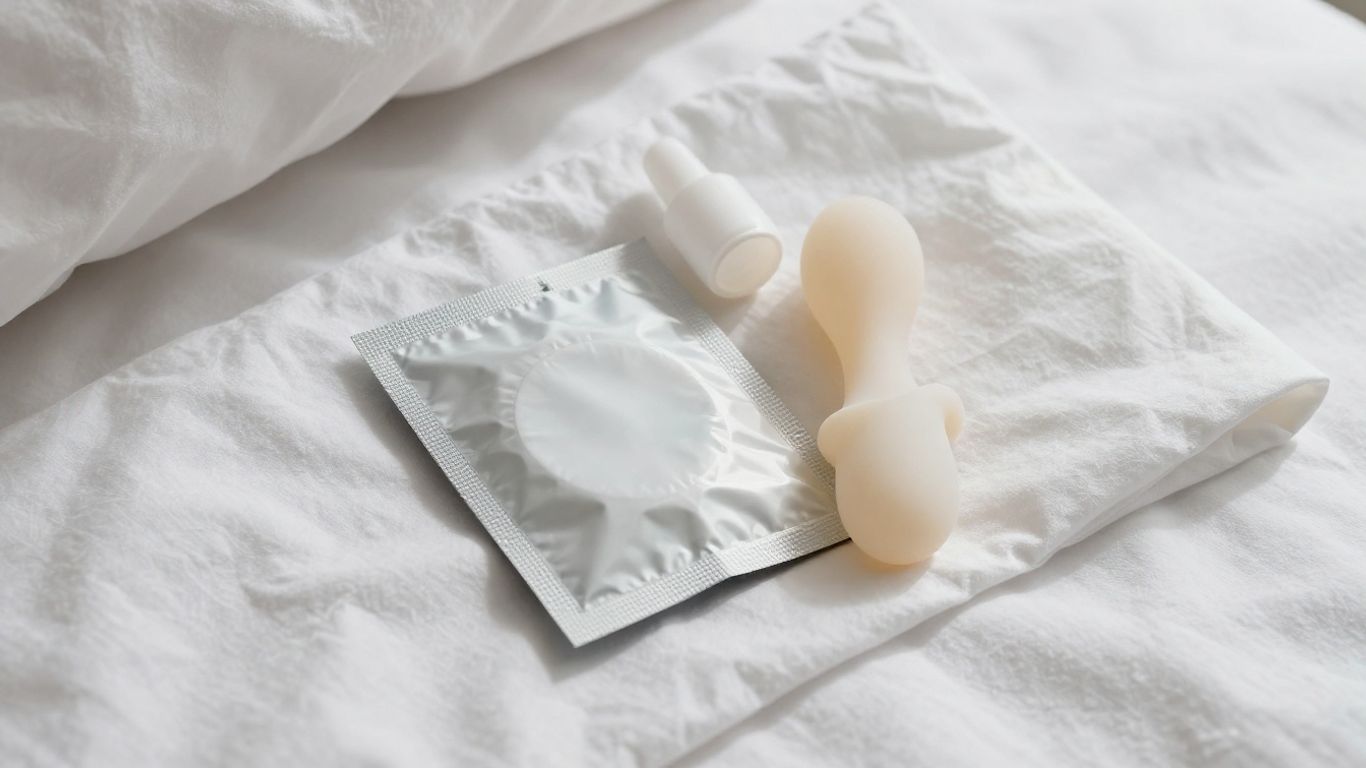
Water-based and many silicone-based lubricants are generally designed for use with latex condoms, but the product label remains the final check. Do not use an oil-based formula with latex unless the manufacturer explicitly states that it is safe. Apply enough lubricant to reduce friction, since dryness itself can contribute to discomfort and condom breakage. If the package gives different instructions, follow those instructions.
Why oil-based products can weaken latex
Oil can alter latex in a way that makes the material more likely to split or break. This includes products that may not be sold as personal lubricants, such as massage oils, petroleum jelly, and some body creams. The problem is not always visible, so inspecting the condom afterward cannot reliably confirm that it remained strong. Choose a compatible base before contact rather than trying to correct the issue afterward.
How lubricants interact with polyisoprene and polyurethane condoms
Polyisoprene and polyurethane condoms are not identical to latex, and their lubricant guidance can differ by product. Some are compatible with oil-based lubricants, while others may have specific restrictions. Always read the individual package instead of applying a general rule from another condom type. If you use more than one barrier product, check each material separately.
What to know about lubricant and toy materials
Lubricant can interact with silicone, rubber, elastomer, and other toy materials. When the material is uncertain, test a small amount in an inconspicuous place or choose a water-based option while you verify the instructions. A toy that feels tacky, swollen, or rough after use should be set aside. Compatibility information is more reliable than assumptions based on color, softness, or price.
Identify ingredients to avoid
Ingredient preferences vary, but intimate tissue can be more reactive than ordinary skin. Read beyond words such as natural, organic, cooling, or warming, and notice how your body feels during and after use. A simple formula is often easier to troubleshoot than a heavily scented or highly flavored one. Products that cause repeated irritation are not worth keeping in the routine.
Fragrances, flavors, and warming additives
Fragrance and flavor can make a product appealing, yet they may irritate the vulva or vagina, particularly when used often. Warming, cooling, tingling, and numbing additives can also mask discomfort or create a burning sensation. If you are sensitive, start with an unflavored, unscented formula and avoid products that produce sensations you did not ask for. Stop using any product that feels painful rather than waiting for the feeling to pass.
Glycerin and potential irritation concerns
Glycerin is used in many water-based lubricants to affect texture and moisture, but some people prefer to avoid it because they associate it with recurrent irritation or yeast infections. The evidence and individual response are not identical for everyone, so pay attention to your own history. If a formula repeatedly precedes symptoms, discontinue it and discuss the pattern with a healthcare professional. Glycerin-free options are available for those who prefer to simplify their choices.
Osmolality and vaginal comfort
Osmolality describes how concentrated a fluid is compared with body fluids. A highly concentrated lubricant may draw water toward itself and feel irritating or drying for some users. When vaginal comfort is a priority, look for transparent information about osmolality or choose a product specifically formulated for intimate tissue. This is one reason a thoughtful label review can matter more than a pleasant scent or attractive packaging.
Preservatives and allergy triggers
Preservatives help keep water-based products safe from microbial growth, but particular preservatives can bother people with allergies or reactive skin. Common triggers may include certain parabens, propylene glycol, or botanical extracts, although the right choice depends on the person. Keep the package so you can identify ingredients if a reaction occurs. A clinician or pharmacist can help you interpret a suspected allergy instead of relying on trial and error alone.
Use lubricant safely and comfortably
Using lubricant is usually straightforward, but technique affects comfort. Begin with a small amount, add more as needed, and communicate before friction becomes unpleasant. Keep hands, toys, and containers clean, and avoid sharing a nozzle in ways that could transfer bacteria. The useful lubricant application guide also reinforces the practical habit of starting small and reapplying when needed.
How much lubricant to apply
There is no fixed amount that works for everyone. Start with a small dab on the external genital area, penis, condom, toy, or barrier, depending on the activity, then spread it gently. Add more if the glide decreases or friction returns. Too much is rarely dangerous, though it can make handling slippery and cleanup more involved.
When to reapply during sex
Reapply whenever the product dries, becomes tacky, or no longer feels comfortable. Water-based formulas may need this sooner than silicone-based ones, particularly during longer activity. Pause without embarrassment, add more, and check in with your partner. A change in sensation is useful information, not a reason to continue through discomfort.
How to patch-test a new product
A patch test can reveal irritation before a product is used internally or during sex. Place a small amount on an area of external skin, such as the inner forearm, and watch for redness, swelling, itching, or burning over the next day. This cannot guarantee that a product will suit vaginal tissue, but it is a cautious first step. Test one new product at a time so the cause is easier to identify.
How to store and replace lubricant
Keep lubricant closed and store it according to the label, away from excessive heat, direct sunlight, and contamination. Check the expiration date, texture, smell, and packaging before use. Discard a product that has separated unusually, changed color, or developed an unfamiliar odor. If the nozzle touched the body, avoid letting it touch another person or unclean surface before recapping it.
For a quick routine, many people find these steps useful:
- Check the base and compatibility instructions.
- Apply a small amount before friction begins.
- Reapply as soon as comfort changes.
- Stop using the product if irritation appears.
That routine keeps the focus on bodily feedback rather than on using a particular amount or brand. It also makes it easier to explain what happened if you need professional advice later.
Know when to speak with a healthcare professional
Lubricant can improve comfort, but it is not a diagnosis or a cure for every cause of dryness. A clinician can assess hormonal changes, infections, skin conditions, pelvic-floor concerns, medication effects, and other possibilities. You deserve care that takes pain seriously. Seeking help does not mean you have failed to choose the right intimate essential.
Persistent dryness despite using lubricant
If dryness continues despite trying a compatible, comfortable lubricant, make an appointment with a healthcare professional. Persistent symptoms may involve low estrogen, medication effects, inflammation, or changes to vaginal tissue. Bring the product packaging and note when symptoms occur. That information can make the conversation more specific and useful.
Burning, itching, pain, or unusual discharge
Burning, itching, strong odor, unusual discharge, sores, or pain may signal infection, dermatitis, or another condition. Do not repeatedly add new products in an attempt to cover up those symptoms. Pause anything that causes irritation and seek appropriate evaluation. Avoid douching, which can further disturb the area and make symptoms harder to interpret.
Bleeding during or after sex
A small amount of bleeding can have several explanations, including friction, but bleeding during or after sex should not be dismissed when it is new, recurrent, or unexplained. Contact a healthcare professional for guidance, particularly after menopause or when bleeding is accompanied by pain. Seek urgent care for heavy bleeding, severe pain, dizziness, or other concerning symptoms.
Medication and health conditions that may contribute to dryness
Antidepressants, some contraceptives, antihistamines, cancer treatments, and other medicines may affect sexual comfort, but never stop a prescribed medicine without medical advice. Health conditions and hormonal transitions can also change moisture and tissue sensitivity. Bring a full medication and health history to an appointment. Even when a lubricant helps temporarily, identifying the underlying contributor may offer better long-term relief.
Conclusion
The right lubricant for women should feel comfortable, suit the activity, and work safely with the condom or toy involved. Compare the base, read the ingredients, start with a small amount, and treat persistent symptoms as a reason to seek care rather than simply use more product. Comfort is individual, so the best choice is the one your body tolerates and your routine can support.
Frequently Asked Questions
What is the best lubricant for women?
There is no single best option for everyone. Water-based formulas are versatile, silicone-based formulas may last longer, and oil-based formulas require extra condom-compatibility care. Your skin sensitivity, activity, and personal preference should guide the choice.
Can lubricant help with vaginal dryness?
Yes, lubricant can reduce friction and make sexual activity more comfortable when natural moisture is insufficient. It provides temporary support during activity, while persistent dryness may need evaluation or a separate treatment approach.
Is water-based lubricant safe with condoms?
Water-based lubricant is generally compatible with latex condoms, but you should still check the label. Compatibility instructions on the specific product and condom package take priority over general advice.
Can I use silicone lubricant with a silicone sex toy?
Not always. Silicone-based lubricant may affect some silicone toys, so check the toy manufacturer’s instructions. When the material or compatibility is unclear, choose a clearly recommended option or test cautiously as directed.
Should I avoid glycerin in lubricant?
Some people prefer glycerin-free formulas because they associate glycerin with irritation or recurrent yeast symptoms. Others tolerate it without difficulty. Consider your personal history and stop using a product that repeatedly causes symptoms.
How often should I reapply lubricant?
Reapply whenever the lubricant dries, becomes tacky, or stops reducing friction. The amount and timing depend on the formula, activity, and your body, so comfort is the most useful guide.
When should I see a doctor about vaginal dryness?
Seek professional advice for persistent dryness, painful sex, burning, itching, unusual discharge, recurrent tearing, or unexplained bleeding. A clinician can look for hormonal, medication-related, infectious, dermatological, or other causes.





































































