

Posted by Mike
on November 04, 2026

Key Takeaways
“Natural” is a broad label, so the ingredient list and the formula’s intended use matter more than the front of the package. A comfortable choice depends on your body, the activity, and any condoms or toys you plan to use.
- Read the full ingredient list and watch for ingredients you know irritate you.
- Compare water-, silicone-, and oil-based formulas for feel, cleanup, and compatibility.
- Use the product as directed, starting with a small amount and adding more if needed.
- Check condom and toy compatibility before use; oils can damage latex barriers.
- Stop if irritation occurs, and ask a clinician about persistent dryness or unusual symptoms.
What “natural” lubricant means
“Natural” can sound reassuring, but it does not identify one standardized lubricant formula or guarantee that a product will suit every body. The term may refer to ingredients, marketing language, or a particular certification, so it helps to look beyond the label. If you are searching for “lubricant for women natural” options, start by asking what the product contains and how you plan to use it.
How natural, organic, and plant-based labels differ
These words describe different things. “Plant-based” generally points to ingredients derived from plants, while “organic” usually refers to how certain ingredients were grown and processed under a certification program. “Natural” is less precise and may not tell you how much of the formula comes from natural sources. Arousellube offers water-based, edible personal lubricants made with natural ingredients; that description does not mean every product marketed as natural will feel or work the same way.
Why ingredients matter more than marketing claims
The ingredient list gives you a more useful starting point than a front-label claim. Check for fragrance, flavoring, warming or cooling additives, and any ingredient you have reacted to before. A product can be plant-derived and still cause sensitivity, so your own tolerance matters as much as the marketing language. For a broader overview of choosing a formula, see this lubricant comfort and safety guide.
What lubricant can and cannot do for vaginal comfort
Lubricant reduces friction during sexual activity and may make it more comfortable. It does not treat the cause of ongoing vaginal dryness, pain, or irritation, and needing lubricant is not a sign that anything is wrong. If discomfort continues outside sex or keeps returning, consider discussing it with a clinician rather than relying on lubricant alone.
How to choose a formula
A useful formula is one that feels comfortable, suits the activity, and works with any barrier or toy you plan to use. Consider how much glide you want, whether easy cleanup matters, and whether you have sensitivities. The personal lubricant guide offers another way to compare texture, ingredients, and preferences.
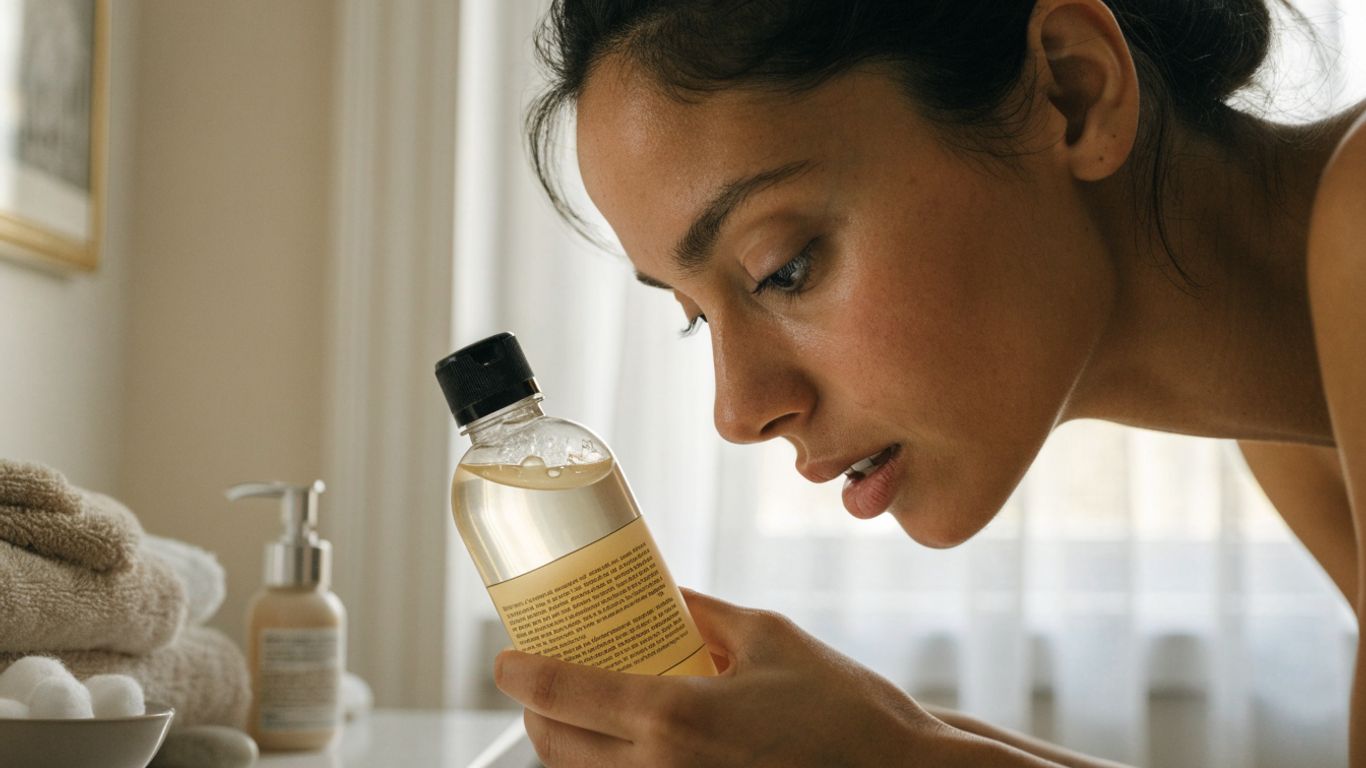
Check the ingredient list for potential irritants
Read the complete list, not just the highlighted ingredients. If you have sensitive skin or a history of reactions, a shorter ingredient list may make it easier to identify what does not agree with you, though simplicity alone cannot guarantee comfort. Be cautious with fragrance or ingredients that create warming, cooling, or tingling sensations if you are prone to irritation.
When you are comparing options, these common label details are worth a closer look:
- Fragrance or flavoring, especially if you have reacted to scented products.
- Warming, cooling, or tingling additives that may feel irritating.
- Ingredients you already know trigger itching, burning, or a rash.
- Directions that specify external use or limit how the product should be used.
Use the list as a practical screen, not a diagnosis. If you are unsure about a reaction or an ingredient, a clinician or pharmacist can help you think through the next step.
Compare water-based, silicone-based, and oil-based options
The base affects texture, cleanup, and how often you may need to reapply. No one type is best for everyone, and the package directions should guide use. This quick comparison can help narrow down what to investigate further.
| Formula type | Common feel or practical feature | What to check |
|---|---|---|
| Water-based | Often rinses away easily; may need reapplication | Ingredients and product directions |
| Silicone-based | Often provides lasting glide | Compatibility with silicone toys |
| Oil-based | Can feel rich and may be harder to wash off | Condom material and toy compatibility |
Treat these as general differences rather than guarantees: individual formulas vary. Arousellube offers water-based, edible personal lubricants made with natural ingredients, while the right base for you still depends on your preferences and the product’s own directions.
Consider pH and osmolality for vaginal use
If a product is intended for vaginal use, look for information about pH and osmolality when the manufacturer provides it. These measurements describe different properties of a formula, and a label that says “balanced” does not replace checking the product’s stated use or your own response. Arousellube describes its formulas as pH-balanced; if you have persistent discomfort, however, a product claim is not a substitute for medical advice.
Common ingredients in natural lubricants
Natural formulas can contain water, plant-derived ingredients, oils, or combinations of these. An ingredient’s source does not tell the whole story: its concentration, the rest of the formula, and your individual sensitivity all matter. Read the packaging carefully, particularly if you are choosing a product for vaginal use or pairing it with a barrier or toy.
Aloe vera and other water-based ingredients
Aloe vera may appear in water-based formulas, but its presence alone does not establish how a lubricant will feel or whether it will suit you. The complete ingredient list and directions offer more useful context. A water-based product may be convenient to clean up, though some formulas dry sooner than others and may need reapplication.
Coconut oil and other plant oils
Plant oils can provide a different texture from water-based formulas, but “natural” does not make an oil compatible with every condom or toy. Oils can weaken latex, so do not pair an oil-based product with a latex condom. For a closer look at the tradeoffs, this discussion of household lubricant substitutes covers why familiar oils and other substitutes may not be suitable for intimate use.
Glycerin, fragrances, and botanical extracts
Glycerin, fragrances, and botanical extracts are not automatically a problem, but they may not suit everyone. If you have a known sensitivity, check whether the ingredient appears on the label and consider choosing a formula without it. Avoid assuming that an ingredient is harmless just because it is plant-derived, and stop using a product if discomfort begins.
How to use lubricant comfortably
Using lubricant should feel straightforward, not like another source of pressure. Follow the package directions and give yourself time to notice whether the texture feels comfortable. A small amount is a reasonable place to begin, and it is fine to add more if friction returns.

Apply a small amount and add more as needed
Apply a little to the area where you want to reduce friction, then add more if needed. The right amount varies by formula and activity, so follow the directions rather than treating any quantity as universal. If the product starts to feel sticky or uncomfortable, pause and check the instructions; adding more is not always the answer.
Use lubricant during partnered sex or solo play
Lubricant can be used during partnered sex or solo play when the product directions allow it. Arousellube describes its edible personal lubricants as designed to enhance pleasure and intimacy; check the specific label for its intended use rather than assuming every lubricant is edible or suitable for every activity. Communication about comfort and preferences can make it easier to adjust or stop when something does not feel right.
Follow product directions for storage and expiration
Keep the container closed and follow its storage instructions. Check the expiration date and discard a product if it has expired or its appearance, smell, or texture has changed. Avoid sharing containers in ways that could contaminate the contents, and do not transfer a product to an unmarked container if that could make its directions or expiration unclear.
Check compatibility with condoms and sex toys
Compatibility is a safety question, not just a matter of feel. Check the lubricant label alongside the condom or toy instructions before combining products. When the directions do not answer your question, contact the manufacturer or choose a product that clearly states it is compatible with the materials you plan to use.
Match the lubricant to the type of condom
Oil-based lubricants can weaken latex condoms, increasing the chance that the barrier will fail. Do not use an oil-based formula with latex condoms or other latex barriers. For other condom materials, check both products’ instructions rather than assuming that one rule applies to every type. Water- and silicone-based products may be compatible with some barriers, but verify the specific label.
Check whether a formula is compatible with silicone toys
Some silicone-based lubricants may affect silicone toys, so check the toy maker’s care guidance and the lubricant label before use. If compatibility is unclear, follow the manufacturer’s advice or choose a formula explicitly described as suitable for that toy material. Clean the toy as directed after use, and stop if the material changes or the combination causes discomfort.
Avoid household oils and other untested substitutes
Kitchen oils, lotions, and other household products may contain ingredients or additives that are not intended for intimate use. They can also create condom or toy compatibility problems. A product made for personal lubrication gives you clearer directions and compatibility information than a household substitute, though you should still read its label.
Recognize irritation and know when to seek care
A product that does not suit you may cause discomfort, and symptoms deserve attention rather than a push-through approach. Stop using a new formula if you notice irritation, and take note of when symptoms began. If they do not settle or are accompanied by other changes, seek professional guidance.
Stop using a product if burning, itching, or swelling occurs
Stop using the lubricant if burning, itching, swelling, or a rash develops. Rinse the area gently with water if appropriate, and avoid applying other products that may further irritate the skin. If symptoms are severe, worsen, or do not improve after stopping use, contact a clinician for advice.
Consider other causes of persistent vaginal dryness
Dryness can have causes beyond the lubricant you use, including hormonal changes, medications, or other health factors. A lubricant may ease friction during sex, but it cannot identify or resolve those underlying causes. Persistent dryness or pain is a good reason to ask a clinician what may be contributing and what options are appropriate for you.
Ask a clinician about ongoing discomfort or unusual symptoms
Arrange medical advice for ongoing pain, persistent irritation, or symptoms that feel unusual for you. Discharge with a new odor, bleeding, or discomfort that continues despite stopping a product also merits professional guidance. You do not need to determine the cause on your own; a clinician can help assess symptoms and discuss suitable care.
Conclusion
Choosing a natural lubricant is less about trusting a label and more about matching the ingredients, formula type, and directions to your body and the products you use. Start with a small amount, check compatibility, and stop if irritation occurs. For ongoing dryness or unusual symptoms, a clinician can help you find the right next step.
Frequently Asked Questions
Is natural lubricant safer than other lubricant?
Not automatically. “Natural” is a broad label, and plant-derived ingredients can still irritate some people. Check the full ingredient list and the product’s directions.
Can I use natural lubricant every day?
Follow the product directions and pay attention to how your body responds. If regular use is linked with irritation or you have persistent dryness, ask a clinician for advice.
Is coconut oil safe to use as vaginal lubricant?
Coconut oil is an oil-based product and can weaken latex condoms. It may also be unsuitable with some toys, so check compatibility and consider using a product specifically labeled as personal lubricant.
Does water-based lubricant dry out faster?
Some water-based formulas may need reapplication sooner than other types, but formulas vary. Follow the product directions and add more if friction returns and the product still feels comfortable.
Can lubricant cause burning or itching?
Yes. A lubricant or one of its ingredients may irritate you. Stop using it if burning, itching, or swelling occurs, and seek medical advice if symptoms are severe or persist.
How do I know if a lubricant is compatible with condoms?
Check the lubricant label and the condom packaging for compatibility with the specific materials. In particular, do not use oil-based products with latex condoms.
When should I see a clinician about vaginal dryness?
Ask a clinician if dryness is persistent, painful, or accompanied by unusual symptoms. Lubricant can reduce friction, but it does not treat every cause of dryness.


