

Posted by Mike
on October 22, 2026

Key Takeaways
A natural personal lubricant can be a comfortable choice, but the label alone does not tell you whether a formula suits your body or the products you use with it. Check the ingredients, directions, and compatibility information before deciding.
- “Natural” and “organic” labels do not guarantee that a lubricant will suit everyone.
- Water-, silicone-, and oil-based formulas differ in cleanup, longevity, and compatibility.
- Check condom and sex toy instructions before using a lubricant with them.
- Fragrances, flavors, and other ingredients may bother sensitive skin or tissues.
- Follow storage directions and stop use if you notice irritation or discomfort.
What natural personal lubricant means
The word “natural” can sound reassuring, but it is not a substitute for reading the product label. Formulas may contain plant-derived ingredients alongside other components, and people can react differently to either. A little label-reading helps you understand what is actually in the bottle and how it is intended to be used.
How “natural” and “organic” labels differ
“Natural” is a broad description, not a guarantee that every ingredient is plant-derived or that a formula is suitable for every person. “Organic” generally refers to how certain ingredients were produced, and the exact meaning depends on the certification and the product’s claims. Neither word, by itself, confirms that a lubricant is compatible with your condoms or toys. Look for specific information on the package rather than relying on the front-label description.
Common ingredients in plant-based formulas
Plant-based lubricants may use ingredients such as aloe, plant-derived oils, or vegetable glycerin, but formulas vary. Some products also include preservatives or ingredients intended to change texture, scent, or flavor. A familiar botanical ingredient is not automatically gentle for everyone, especially on sensitive skin or intimate tissue. Read the complete ingredient list to see what the formula actually contains.
Why natural ingredients can still cause irritation
Skin sensitivity is personal, and plant extracts, oils, or fragrances can cause a reaction in some people even when they come from natural sources. Irritation may also depend on where a product is used and how often it is applied. If you have reacted to a particular ingredient before, check for it on the label and choose a different formula. Natural does not mean reaction-proof is a useful rule when comparing products.
What evidence and label details to look for
A useful label tells you more than the marketing description: it identifies ingredients, directions for use, warnings, and material compatibility where applicable. If you want to compare specific formula types and practical safety details, this ingredient and compatibility guide is a helpful starting point. Check the package or manufacturer’s information for claims that matter to you, such as a named certification. If a detail is missing, do not assume it from the word “natural.”
How to choose a lubricant for your needs
Start with what you want from the formula: easy cleanup, a longer-lasting glide, or a texture that feels comfortable for a particular activity. The word “natural” does not identify whether a product is water-, silicone-, or oil-based, so check the base and directions. Arousellube describes its personal lubricants as water-based, edible, and made with natural ingredients; those stated qualities can help you identify what kind of product it offers, but your own needs and compatibility checks still matter.
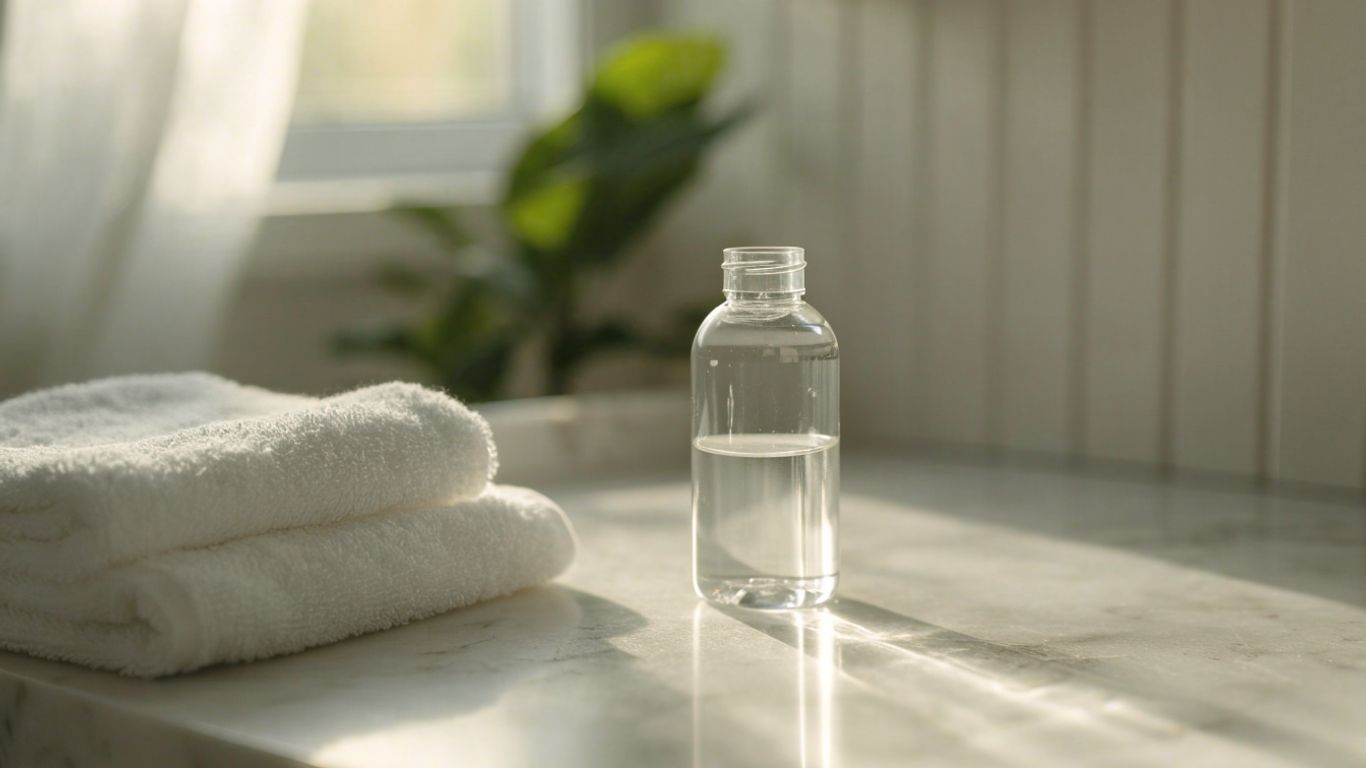
Water-based formulas for versatility and easy cleanup
Water-based lubricants are often a practical place to start because they rinse away with water and are generally compatible with many condom and toy materials, subject to product instructions. They may dry out sooner than other formulas, so you might need to apply more during use. Arousellube’s water-based, edible personal lubricants fit this formula category, according to the brand’s description. Confirm the label for use-specific directions rather than assuming all water-based products are identical.
Silicone-based formulas for longer-lasting glide
Silicone-based formulas tend to last longer than water-based options and are not usually rinsed away as easily with water. That can be convenient when you prefer not to reapply as often, though cleanup may take more effort. Compatibility with sex toys can vary by material and product, so check both labels before use. “Natural” is not a reliable way to identify whether a formula contains silicone; look at its ingredient and base information.
Oil-based options and their limitations
Oil-based lubricants can feel slick and may last for a while, but they have an important limitation: oils can damage latex barriers. Household oils also are not formulated or labeled specifically for intimate use, so they may not be a predictable choice. If you are considering an oil-based product, check its instructions and the condom manufacturer’s guidance first. When latex condoms are involved, choose a lubricant specifically labeled as compatible instead.
Matching texture and duration to the activity
The best texture is the one that feels comfortable and works with the materials and barriers involved. This comparison gives a broad sense of the trade-offs, but the product label takes priority because formulas can vary.
| Formula base | General feel or duration | Practical consideration |
|---|---|---|
| Water-based | Often lighter and may need reapplication | Usually easy to rinse away; check material compatibility |
| Silicone-based | Often longer-lasting | Check compatibility with the specific toy material |
| Oil-based | Often slick and persistent | Oil can weaken latex barriers |
| Plant-derived blend | Varies by formula | Check the base, ingredients, and directions |
Use the table as a starting point, not a substitute for product instructions. If you are switching formulas or trying a product for a new activity, begin with a small amount and pause if it feels uncomfortable.
Check compatibility with condoms and sex toys
A lubricant can feel comfortable and still be unsuitable for a particular condom or toy. Compatibility depends on the lubricant’s base and the material of the item it will touch. Read the directions on both products before use, especially if you are using a barrier method or a toy made from a material with specific care requirements. If the instructions are unclear, ask the manufacturer rather than guessing.
Which formulas work with latex condoms
Many water-based and silicone-based lubricants are made to be used with latex condoms, but verify that the specific product says it is compatible. Check the condom packaging as well as the lubricant label, since product directions are the most relevant guide for that pairing. Do not treat “natural” or “organic” as a compatibility claim. If you cannot confirm that a lubricant is suitable for latex, choose one that is clearly labeled for that use.
Why oil can weaken latex
Oil can weaken latex, which may make a latex condom more likely to tear or fail. This applies to oil-based lubricants and household oils, even when an oil is marketed as natural. If you use latex condoms, avoid oil-based products and follow the condom manufacturer’s instructions. When in doubt, switch to a lubricant explicitly labeled as compatible with latex.
How to check lubricant and toy material compatibility
Toy materials differ, and a lubricant that works with one material may not be recommended for another. Check the toy’s care instructions for compatible lubricant types, then compare them with the lubricant label. For a broader overview of choosing a formula and checking compatibility, see this natural lubricant selection guide. If you cannot find clear guidance for a particular toy, contact its manufacturer before use.
When to follow manufacturer guidance
Manufacturer instructions matter when a product has specific warnings or limitations, including instructions about condoms, toys, storage, or intended use. A general rule about a lubricant base cannot account for every product formulation or material. Keep the packaging or instructions accessible if you need to check them later. If two sets of directions seem to conflict, pause and seek clarification rather than taking a chance.
Review ingredients and potential sensitivities
The ingredient list can help you avoid substances that have bothered you before and decide whether a formula fits your preferences. It is worth looking beyond front-label terms such as “natural,” “gentle,” or “sensitive.” Arousellube describes its personal lubricants as made with natural ingredients; for any product, including those, check the full label for the details that matter to your own sensitivities. If you are uncertain about a recurring reaction, a health professional can help you consider possible causes.
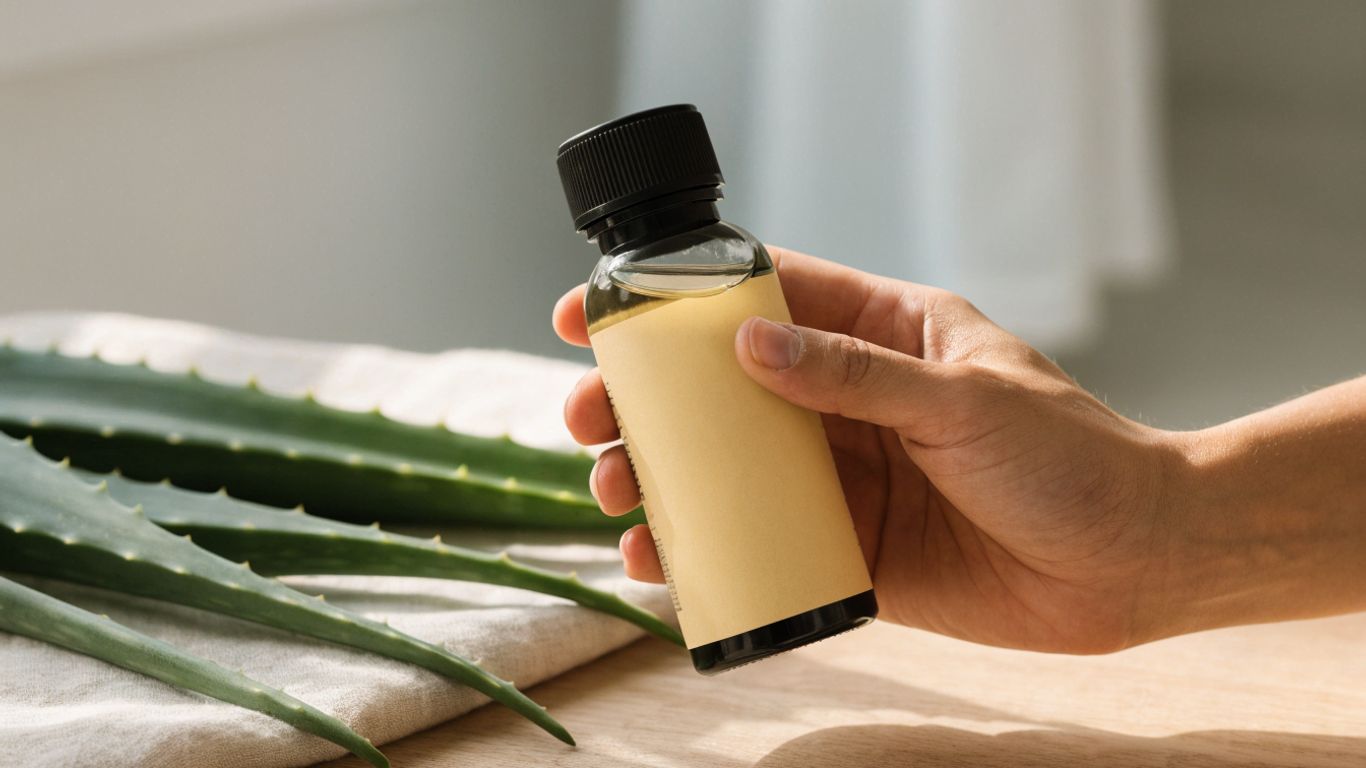
Fragrances, flavors, and warming additives
Fragrances and flavors can make a product more appealing to some people, but they may be a source of irritation for others. Warming or tingling additives can also feel uncomfortable, particularly if you have sensitive skin or tissue. If you are prone to reactions, consider a simpler formula without those extras. Stop using a product if it causes burning, itching, swelling, or other discomfort.
Glycerin and other ingredients to consider
People sometimes seek out products without a specific ingredient, but there is no single ingredient rule that works for everyone. Glycerin, preservatives, botanical extracts, and other components can appear in different formulas; whether a particular one suits you depends on your own history and the product’s directions. If a clinician has advised you to avoid an ingredient, check the label carefully. If you are unsure what a name means, consult the manufacturer or a healthcare professional.
How to read the full ingredient list
Look for the complete list rather than relying on a short description or a “free from” claim. These simple checks can make label-reading more useful:
- Scan the full list for ingredients you already know you react to.
- Check whether fragrance, flavor, or sensation-altering additives are included.
- Read the directions and warnings, including any compatibility details.
- Contact the manufacturer if an ingredient or instruction is unclear.
Once you have checked the label, compare the product with your own needs and past experiences. A short ingredient list may be easier for you to review, but it does not guarantee that a formula will be irritation-free.
Patch testing and stopping use if irritation occurs
A small patch test on external skin may help you notice a reaction, but it cannot guarantee that a product will be comfortable on more sensitive intimate tissue. Follow any directions on the package and avoid applying a product to irritated or broken skin. Stop using it if you notice burning, itching, redness, or swelling. If the reaction is severe, persists, or keeps returning, seek medical advice.
Use and store lubricant safely
Use the product as directed and pay attention to how it feels as you go. There is no universal amount that suits every person or activity, and reapplication may be needed depending on the formula. Arousellube describes its personal lubricants as water-based and edible, but that does not replace reading the package directions or checking compatibility with condoms and toys. Keep the container clean and follow its storage instructions.
How much to apply and when to reapply
Start with a modest amount and add more if you want additional glide. Water-based formulas may need reapplication as they dry, while other bases can feel different over time. Follow the label’s directions, and do not continue if the product causes discomfort. Arousing comfort is not something to push through; pause, wipe away the product if needed, and reassess.
Keeping the container clean
Use clean hands when handling the product and avoid touching the opening directly to skin or other surfaces. Close the cap securely after use, and do not share a container in a way that could transfer germs. If the packaging is damaged or the product appears or smells different from when it was opened, stop using it and check the manufacturer’s advice. Clean handling is a small habit that helps keep the product in good condition.
Checking expiration dates and storage instructions
Check the expiration date and any period-after-opening guidance on the package. Store the container as directed, away from conditions the manufacturer advises against, such as excessive heat or direct sunlight. If the label gives a storage range or other specific instruction, follow it rather than relying on a general rule. When the product is past its date or its condition has changed, replace it.
When to seek medical advice about discomfort
Brief discomfort can be a sign that a product or activity is not right for you, so stop using the lubricant and notice whether symptoms improve. Get medical advice for persistent burning, pain, swelling, unusual discharge, sores, or symptoms that return repeatedly. These symptoms can have causes beyond lubricant sensitivity, and a clinician can help evaluate them. Seek urgent care for a severe reaction or rapidly worsening symptoms.
Compare common natural lubricant alternatives
Some people consider household ingredients or other readily available substances when they want a natural-feeling lubricant. But “natural” is not the same as purpose-made, and a substitute may not have clear use instructions or compatibility information. Consider what you need from a product and whether its label addresses intimate use, barriers, and toys. A general discussion of household lubricant alternatives can also help explain why common substitutes may not be a good fit.
Aloe-based products formulated for intimate use
Aloe may be included in products formulated for intimate use, but the presence of aloe alone does not tell you what else is in the formula or how it behaves. Check the full ingredient list, directions, and compatibility information as you would for any lubricant. A product specifically formulated for intimate use gives you labeling to review, unlike an unmarked ingredient taken straight from a household container. If you have reacted to aloe or related ingredients before, avoid them.
Coconut oil and other household oils
Coconut oil and other household oils are not automatically suitable substitutes for a purpose-made lubricant. Oils can weaken latex, and household products may not provide the instructions or compatibility details you need. They can also leave residue and may not suit everyone’s skin. If you use latex barriers, avoid oils and follow the barrier manufacturer’s guidance.
Saliva and water as short-lived alternatives
Saliva and water do not provide lasting glide and may require frequent replenishment. They are not a dependable replacement when you need sustained lubrication, and they do not come with the same product directions as a formulated lubricant. If dryness or friction is uncomfortable, stop and consider a product labeled for intimate use. Seek advice from a healthcare professional if discomfort continues.
Why purpose-made products may be more predictable
Purpose-made lubricants generally come with ingredient information, directions, and—in some cases—specific compatibility guidance. That makes it easier to compare the formula with your preferences and the condoms or toys you plan to use. It does not mean every product will suit every person, so check the label and pay attention to your body. Choose the option that feels comfortable and fits your practical needs.
Conclusion
Choosing a natural personal lubricant is less about trusting a label and more about finding a formula that feels comfortable, has clear ingredients and directions, and fits the condoms or toys you use. Read the packaging, start cautiously if a product is new to you, and stop if irritation occurs. If discomfort persists, a healthcare professional can help you decide what to do next.
Frequently Asked Questions
Does “natural” mean a lubricant is safer?
No. “Natural” does not guarantee that a formula will be free of irritants or suitable for everyone. Check the ingredients, directions, and compatibility information.
Are natural lubricants safe to use with condoms?
It depends on the formula and the condom material. Check both product labels, and do not use oil-based lubricants with latex condoms.
Can I use a natural lubricant with sex toys?
That depends on the lubricant base and the toy material. Review the care instructions for the toy and the lubricant label before using them together.
Can plant-based ingredients cause irritation?
Yes. People can react to plant extracts, oils, fragrances, and other ingredients. Stop using a product if it causes burning, itching, or swelling.
How often should I reapply lubricant?
Reapply as needed according to comfort and product directions. Some formulas may dry sooner than others, so follow the label and add more only if it feels right.
Can I use coconut oil as a personal lubricant?
Household oils may not be formulated for intimate use, and oil can weaken latex condoms. Check barrier and product instructions before considering an oil-based option.
When should I seek medical advice about lubricant-related discomfort?
Seek medical advice if discomfort is severe, persistent, or recurrent, or if you notice symptoms such as pain, swelling, sores, or unusual discharge. A clinician can help assess possible causes.


