

Posted by Mike
on August 28, 2026

Key Takeaways
The best natural personal lubricant is not defined by a leafy label or a short ingredient list alone. Comfort, compatibility, testing, and how your body responds all matter.
- Read the complete ingredient list rather than relying on front-label claims.
- Choose the base—water, silicone, oil, or hybrid—for the activity and cleanup you prefer.
- Look for body-safe ingredients, appropriate pH, and a formula suited to sensitive tissue.
- Check condom and toy compatibility before use, especially with oil-based products.
- Stop using a lubricant if it causes burning, itching, pain, or persistent irritation.
What makes a personal lubricant natural
“Natural” usually describes a lubricant made partly or entirely with plant-derived or naturally sourced ingredients. It does not automatically tell you whether the formula is gentle, compatible with condoms, or suitable for vaginal or anal use. A thoughtful choice combines ingredient transparency with practical safety information.
Common plant-based and naturally derived ingredients
Aloe vera, plant oils, botanical extracts, and naturally derived thickeners often appear in natural lubricants. Aloe can give a water-based formula a soft, smooth feel, while oils may provide a richer and longer-lasting glide. Other ingredients, such as vitamin E or hyaluronic acid, may be included for their conditioning or moisture-supporting qualities, but “plant-based” does not mean every person will tolerate an ingredient equally.
A useful starting point is to compare several formulas by their base, texture, and intended use. This natural lubricant guide offers another overview of aloe-based, coconut-based, and organic oil-based options without treating one texture as right for everyone.
How “natural” differs from “organic” and “non-toxic”
These terms overlap, but they are not interchangeable. Natural generally refers to the source or processing of ingredients; organic usually relates to agricultural standards and certification; and non-toxic is a broad marketing phrase that needs a clear definition. A certified organic product may still contain an ingredient that irritates you, while a naturally derived ingredient may be present in a carefully tested formula without organic certification.
Look for specifics: Which ingredients are certified? Who performed the testing? Is the product intended for internal use, and is its condom compatibility stated? The more precise the language, the easier it is to assess the claim.
Why the full ingredient list matters
The ingredient list reveals much more than the words “clean” or “natural” on the package. Preservatives, humectants, flavoring agents, stabilizers, and pH adjusters can all affect how a lubricant feels and how sensitive tissue responds. A short list can be appealing, but preservation is still necessary in many water-based formulas to help control microbial growth.
When comparing options, ingredient transparency matters more than an attractive front label. If a manufacturer does not clearly identify the formula, intended use, expiration date, or compatibility guidance, choose a product with better documentation.
Marketing claims that deserve a closer look
Claims such as “chemical-free,” “edible,” “hypoallergenic,” and “doctor approved” can sound reassuring but may lack useful detail. Everything in a formula is made of chemicals, and “edible” does not mean a product is appropriate for every internal use. “Hypoallergenic” also means a lower likelihood of allergy, not a guarantee that irritation cannot occur.
Arousellube describes its water-based lubricants as edible personal lubricants made with natural ingredients, and its brand brief emphasizes non-GMO, vegan, cruelty-free, pH-balanced, and third-party tested formulations. Those documented qualities make the brand relevant to readers comparing transparent intimate essentials, but your own ingredient sensitivities still deserve attention.
How to choose the right lubricant formula
The lubricant base shapes glide, cleanup, reapplication, and material compatibility. Water is often the most adaptable starting point, while silicone and oil formulas can be useful when lasting slip matters more than easy rinsing. Hybrid products sit between categories, so read the actual formula rather than assuming the name tells the whole story.
Think about where and how you will use the product before buying it. A formula that feels perfect for a short, low-mess application may not be the most comfortable choice for extended activity or use in water.
Water-based lubricants for versatility and easy cleanup
Water-based lubricants are generally easy to rinse away and are commonly chosen for everyday intimacy. They are usually compatible with latex condoms and many sex toys, although the product label should always be the final authority. Their main tradeoff is that they can dry sooner, particularly with friction or in a dry environment.
A few drops of water can sometimes refresh the feel, but reapplying is often the simplest solution. If you want a broader comparison of textures and intended uses, this water-based lubricant overview can help organize the options.
Silicone-based lubricants for long-lasting glide
Silicone-based formulas tend to remain slick longer because they do not evaporate as quickly as water-based products. They can be useful for extended activity or use in water, but silicone may be difficult to wash from some fabrics and can be incompatible with certain silicone toys. Confirm both the toy material and the lubricant instructions before use.
“Natural” is not a synonym for “water-based,” and silicone is not automatically unsafe. The relevant question is whether the formula suits your body, activity, and the materials it will contact.
Oil-based lubricants and their compatibility limits
Plant oils and oil-based lubricants can feel rich and provide lasting glide. They may be appropriate in situations where latex barriers are not being used, but oils can weaken latex condoms and dental dams. Cleanup can also take more time, and some people find particular oils irritating or pore-clogging.
The oil-based lubricant guide provides a useful reminder to consider ingredients, patch testing, application, and condom compatibility together. Never assume that a food-grade oil is automatically suitable as an intimate product.
Hybrid formulas for balancing comfort and performance
Hybrid formulas combine more than one lubricant base, often aiming to blend the easy feel of water with longer-lasting slip. Their exact performance depends on the proportions and ingredients, so “hybrid” is a category rather than a promise of a particular sensation. Check whether the product is condom-safe and toy-compatible before using it.
A simple comparison can keep the decision practical:
| Formula | Typical advantage | Main consideration | Cleanup |
|---|---|---|---|
| Water-based | Versatile, easy to rinse | May require reapplication | Easy |
| Silicone-based | Long-lasting glide | May not suit silicone toys | More involved |
| Oil-based | Rich, lasting feel | Weakens latex barriers | Often slower |
| Hybrid | Balances different properties | Check exact ingredients | Varies |
This table is a starting point, not a substitute for the product label. The best match is the one that works with your barrier method, toy materials, preferred sensation, and skin.
Ingredients to look for in a natural lubricant
Ingredient quality is only one part of comfort. Concentration, pH, osmolality, preservation, and fragrance can change how a formula behaves on delicate tissue. If you have recurring dryness, infections, or pain, a lubricant may help with comfort but should not replace an appropriate medical evaluation.
Aloe vera and other soothing ingredients
Aloe vera is common in plant-forward water-based lubricants because it can contribute a smooth, hydrated feel. Some formulas also include vitamin E, hyaluronic acid, or other conditioning ingredients. The source and processing matter, and added fragrance or preservatives may be more relevant to your experience than the presence of aloe itself.
Choose a product that clearly states its intended use and complete ingredients. A botanical label should invite closer reading, not end the evaluation.
Glycerin, moisture, and sensitivity considerations
Glycerin helps attract and retain water, which can make a lubricant feel moist and silky. Some people prefer to avoid it because they associate it with irritation or recurring yeast concerns, although individual responses vary and the full formula matters. A glycerin-free option may be worth trying if you have noticed a pattern, but it is not a universal requirement.
Patch testing and careful observation are more useful than assuming one ingredient determines every person’s response. Keep the product simple when you are trying to identify a sensitivity.
pH and osmolality for vaginal comfort
Vaginal tissue has a naturally acidic environment, and a lubricant’s pH can affect comfort. Osmolality describes the concentration of dissolved substances in a formula; very high-osmolality products may draw water from tissue and feel irritating for some users. Manufacturers do not always publish complete laboratory details, so look for clear pH and testing information when available.
This body-safe lubricant guide is a helpful companion for thinking through pH, osmolality, ingredient labels, and patch tests. If a product repeatedly stings, do not try to push through the sensation simply because its marketing sounds gentle.
Fragrance, flavor, and essential oil concerns
Fragrance and flavor can make a product more appealing, especially for oral intimacy, but they also add ingredients that sensitive users may prefer to avoid. Essential oils are concentrated botanical substances, not automatically mild ones. A fragrance-free and unscented formula is often the simpler first choice when you are prone to irritation.
Arousellube’s documented positioning includes edible, natural-ingredient, water-based lubricants designed to enhance pleasure and intimacy. Even with that focus, flavor and personal tolerance should guide your choice rather than the word “natural” alone.
Ingredients and formulas to avoid
Avoiding an ingredient is not about creating a perfect or fearful shopping list. It is about recognizing common sources of discomfort and knowing which tradeoffs matter for your body. If you already know that fragrance, certain preservatives, or a particular humectant bothers you, use that history as practical evidence.
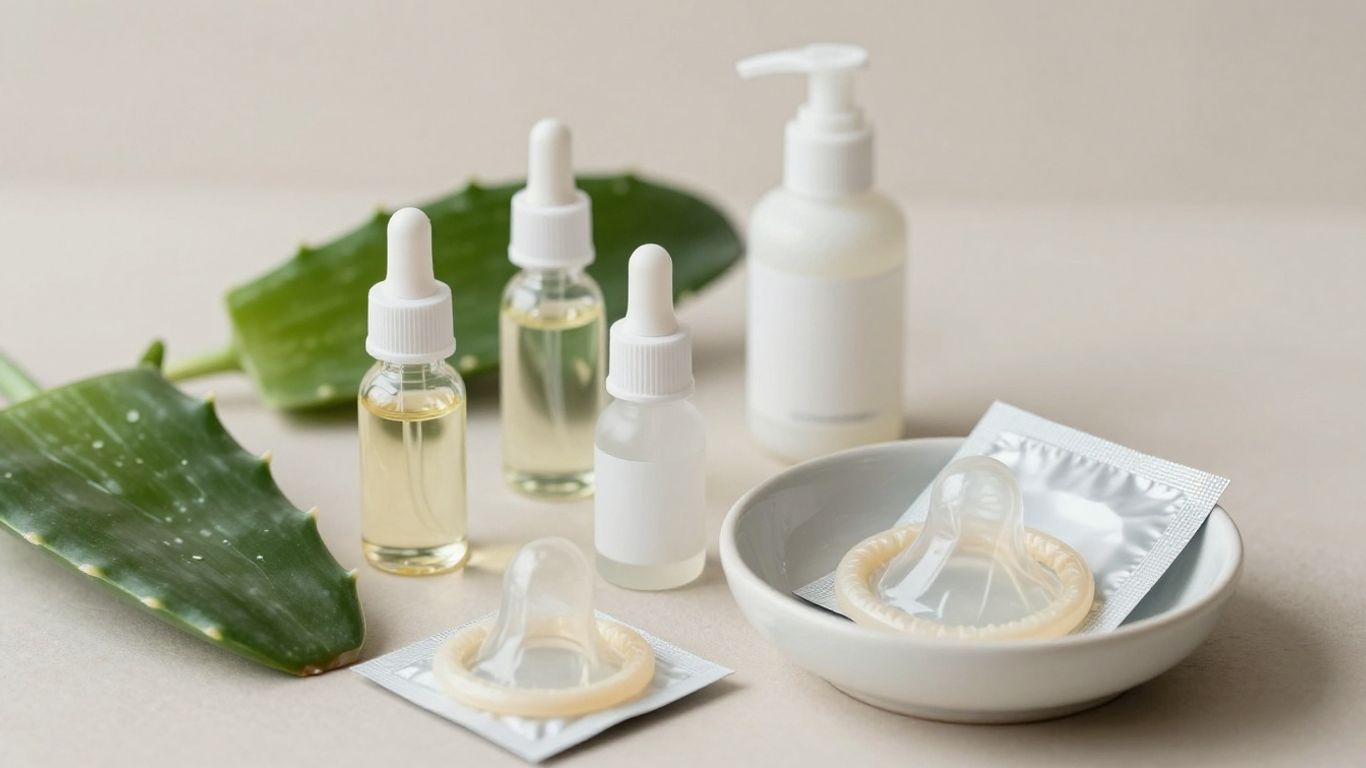
Parabens, phthalates, and unnecessary additives
Some shoppers prefer to avoid parabens, phthalates, petroleum-derived ingredients, dyes, and heavy fragrance in intimate products. The strength of evidence and regulatory treatment differs by ingredient, so a calm approach is best: read the list, learn what each component does, and select a formula with only the functions you need.
“Free from” claims are useful only when paired with a complete ingredient list. Otherwise, one excluded ingredient can distract from other potential irritants in the formula.
Warming, cooling, and tingling ingredients
Warming, cooling, and tingling sensations usually come from added ingredients rather than from lubrication itself. That sensation can be enjoyable for some people, but it may also mask early irritation or feel too intense on delicate tissue. Avoid these effects when you are already sore, recovering from irritation, or unsure how your body reacts.
Start with an unscented, non-sensory formula if comfort is your priority. Sensation additives are optional; they are not necessary for effective glide.
High-osmolality formulas and potential irritation
A high-osmolality lubricant may pull moisture from surface tissue, potentially increasing dryness or irritation during use. Product labels do not always provide this measurement, so pH-balanced and transparent formulas are preferable when the information is available. Persistent burning, unusual discharge, or pain calls for stopping the product and seeking clinical advice.
Do not confuse a thick texture with high osmolality, or a thin texture with low osmolality. Texture is something you feel; osmolality is a laboratory property.
Oils that can weaken latex condoms
Coconut, almond, olive, and other oils may damage latex, even when they are natural or suitable for cooking. The same caution applies to oil-heavy blends and some household products that are not designed for intimate use. With latex condoms or dental dams, choose a lubricant specifically labeled compatible with latex.
For a practical discussion of alternatives, this condom-compatible lubricant advice explains why water-based formulas are often the straightforward choice when barriers and toys are involved. With non-latex barriers, follow the barrier manufacturer’s instructions rather than guessing.
How to match lubricant to your needs
There is no single formula that wins for every person or every activity. Start with the tissue involved, the barrier method, the duration, and your sensitivity history. Then narrow the choice by texture, flavor, cleanup, and whether you want a simple everyday product or a more specialized one.
Everyday intimacy and sensitive skin
For everyday use or easily irritated skin, a fragrance-free water-based lubricant with a short, recognizable ingredient list is often a sensible starting point. Apply a small amount first and pay attention to burning, itching, or discomfort. A gentle formula should make intimacy feel easier, not require you to tolerate a reaction.
Arousellube positions its water-based, natural-ingredient lubricants as intimate essentials made to enhance pleasure and intimacy. Its stated emphasis on pH-balanced, vegan, cruelty-free, non-GMO, and third-party tested formulations aligns with shoppers who want both plant-derived comfort and documented quality.
Vaginal dryness and hormonal changes
Dryness can occur with hormonal changes, including menopause, pregnancy, postpartum recovery, breastfeeding, or some medical treatments. A lubricant can reduce friction during intimacy, but persistent dryness or pain deserves professional attention. A clinician can help distinguish ordinary dryness from conditions that need treatment.
For comfort, consider a formula that stays slippery long enough for the activity and does not contain fragrance or strong sensory additives. Reapply rather than increasing friction when the product begins to dry.
Anal use and the need for lasting lubrication
Anal tissue does not self-lubricate in the same way as vaginal tissue, so generous application and reapplication are especially important. A thicker water-based, silicone-based, or compatible hybrid formula may suit some people better than a very light product. Move slowly, communicate, and stop if there is sharp pain or bleeding.
Check condom compatibility and avoid numbing ingredients that could make it harder to notice discomfort. More lubrication cannot compensate for rushing or ignoring pain.
Use with condoms, dental dams, and sex toys
Compatibility should be checked before the product touches a barrier or toy. Latex generally calls for a water-based or silicone-based lubricant labeled safe for latex, while oils can weaken it. Silicone toys may not pair well with silicone lubricant, and toy materials are not always obvious from appearance.
Keep this short list in mind before opening the bottle:
- Identify the barrier material.
- Identify the toy material.
- Check the lubricant’s compatibility instructions.
- Use a small amount first if the pairing is uncertain.
These checks take little time and prevent a natural ingredient from creating an avoidable safety problem. The label and the toy manufacturer’s guidance should resolve uncertainty.
How to compare and use a natural personal lubricant safely
Safe use begins before application. Compare the formula, intended use, testing information, expiration date, and storage instructions as carefully as you compare texture. The intimate care selection guide can provide additional context on plant-derived ingredients, labeling, pH balance, and compatibility.
Checking certifications, testing, and expiration dates
Certifications can verify a defined standard, but the specific certification matters. Look for clear information about organic sourcing, vegan or cruelty-free status, third-party testing, and manufacturing quality rather than treating an icon as proof of every safety claim. An expiration date and sealed packaging also matter, particularly for water-based products.
Store the lubricant as directed, keep the cap clean, and do not use a product whose smell, color, texture, or packaging has changed unexpectedly. Arousellube highlights third-party tested formulations and scientifically informed, natural-ingredient positioning; those are useful points to verify against the product packaging and current manufacturer information.
Performing a patch test before regular use
A patch test can help you notice an obvious skin reaction before regular intimate use. Apply a small amount to an external area of skin, such as the inner forearm, and observe it according to the product instructions. This cannot predict every internal response, but it is a reasonable precaution for people with sensitive skin or known allergies.
Do not patch test on broken, inflamed, or already irritated tissue. If redness, itching, swelling, or burning develops, wash the area gently and avoid using the product.
Applying the right amount and reapplying when needed
Begin with a modest amount and add more as needed. Too little lubricant can increase friction, while too much may feel messy without improving comfort. With water-based products, reapplication is normal; with silicone or oil-based products, a small amount may cover more area.
Warm the product between your hands if that feels comfortable, and keep a clean towel nearby for simple cleanup. Lubricant should support communication and ease, not become another source of pressure.
Recognizing irritation and when to stop using it
Burning, itching, swelling, rash, unusual discharge, or persistent pain are reasons to stop using a lubricant. Rinse gently if appropriate, avoid adding other products to the area, and seek medical advice if symptoms are severe, recurring, or do not settle. Pain with sex should not be dismissed as a normal part of intimacy.
Keep notes about the product and ingredients if a reaction occurs. That information can help you and a healthcare professional identify patterns and choose safer intimate essentials later.
Conclusion
Choosing the best natural personal lubricant means balancing plant-derived ingredients with pH, osmolality, testing, comfort, and material compatibility. Start with a transparent formula suited to your needs, use it thoughtfully, and let your body’s response guide what stays in your intimate care routine.
Frequently Asked Questions
What is a natural personal lubricant?
It is generally a lubricant made partly or entirely with plant-derived or naturally sourced ingredients. The term alone does not guarantee a particular pH, certification, texture, or compatibility profile.
Is natural lubricant always safe for sensitive skin?
No. Natural ingredients can still cause irritation or allergy, and the full formula matters. Fragrance-free products with clear labeling may be a sensible starting point, followed by cautious testing.
Which lubricant base is easiest to clean up?
Water-based lubricants are usually the easiest to rinse away. They may dry sooner than silicone- or oil-based formulas, so reapplication can be part of normal use.
Can natural lubricant be used with latex condoms?
Some can, but oil-based lubricants may weaken latex. Check the product label and use a formula specifically identified as compatible with your barrier.
Is glycerin always harmful in lubricant?
Not necessarily. Some people prefer to avoid glycerin because of personal sensitivity or recurring concerns, while others tolerate it well. Consider your own history and the complete ingredient list.
How can I tell if a lubricant is irritating me?
Burning, itching, swelling, rash, unusual discharge, or persistent pain can indicate irritation. Stop using the product and seek medical guidance when symptoms are significant or do not resolve.
How much lubricant should I use?
Start with a small amount and add more whenever friction returns. The right amount depends on the activity, the formula, and your personal comfort, so there is no universal measurement.