

Posted by Mike
on September 30, 2026

Key Takeaways
Water-based lubricant gel can help reduce friction, but the right texture and ingredients depend on personal comfort and the product’s directions.
- Water-based formulas may be easier to wash away, but some people need to reapply them.
- Gel and thinner formulas can feel different; choose by comfort rather than name alone.
- Read the ingredient list and look for fragrance or other additives you may prefer to avoid.
- Check the lubricant label, condom packaging, and toy maker’s instructions for compatibility.
- Stop using a product if irritation develops, and follow its storage and expiration guidance.
What water-based personal lubricant is
A water-based personal lubricant uses water as a main part of its formula and is designed to reduce friction. The word “gel” describes a texture, which can range from relatively fluid to thicker and more gel-like. Water-based options are one category of lubricant; details such as feel, ingredients, and intended use vary from product to product.
How water-based formulas work
Lubricant adds slip between surfaces where friction is uncomfortable, and water-based formulas use water as a key ingredient. It supplements natural moisture rather than treating the cause of ongoing dryness. Arousellube offers water-based, edible personal lubricants made with natural ingredients; as with any product, read its label and directions to decide whether it fits your needs. For a broader overview of formula types and use, see this guide to water-based lubricant basics.
How gel texture differs from thinner lubricants
Texture affects how a lubricant feels and how easily it spreads. A gel may seem more substantial in the hand, while a thinner formula may spread more readily; neither texture is automatically right for everyone. This simple comparison can help frame what to look for, though the feel of individual products varies.
| Texture | What it may feel like | What to consider |
|---|---|---|
| Thinner water-based formula | More fluid and easy to spread | Whether you prefer a lighter feel |
| Gel texture | More substantial to the touch | Whether you prefer a thicker feel |
| Either texture | Slippery while present | Whether you need to reapply |
The table is a starting point, not a performance guarantee. A small amount used according to the package directions can help you judge whether the texture feels comfortable.
What water-based lubricant can and cannot do
A water-based lubricant can reduce friction while it is present, but it does not necessarily prevent friction from returning. It also cannot diagnose or resolve persistent dryness, pain, or irritation. If discomfort keeps happening, consider pausing the activity and speaking with a healthcare professional rather than relying on lubricant alone.
Benefits and limitations to consider
Many people choose water-based lubricant because it can be convenient to clean up and comes in a range of textures. But no formula is a perfect match for every body or situation, and comfort can change from one use to another. A little attention to feel, cleanup, and reapplication can help set realistic expectations.
Why easy cleanup appeals to many users
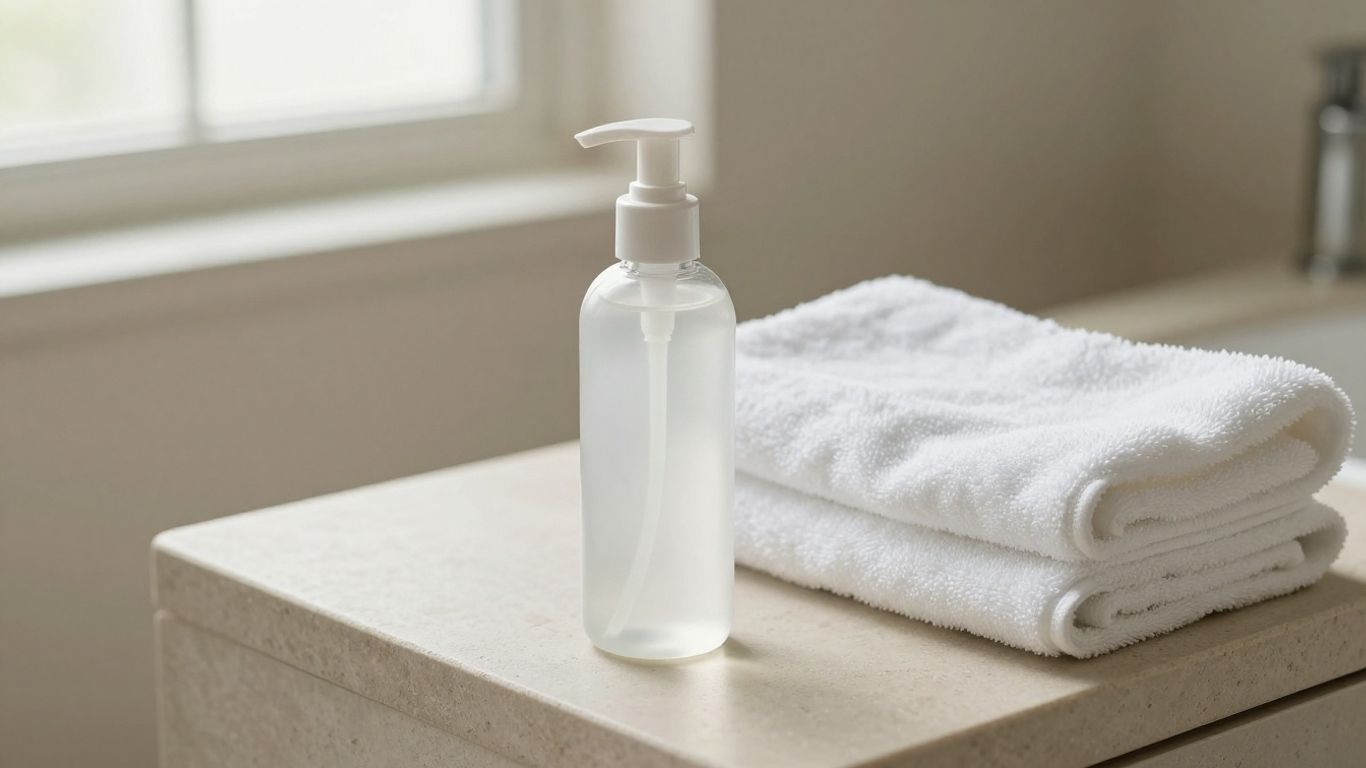
Water-based products are often relatively easy to rinse away with water, which can make cleanup feel simpler. The actual experience depends on the particular formula and where it is used, so follow the product’s directions. If easy cleanup matters to you, it can be one point to weigh alongside texture and ingredients.
When reapplication may be needed
Some water-based lubricants may start to feel less slippery as they dry or absorb, so additional product may be useful if friction returns. The timing is individual; there is no need to wait for a set interval if the glide no longer feels comfortable. Think of reapplication as a response to how things feel, not a rule tied to the clock.
How personal preferences affect comfort
Comfort is personal: one person may prefer a light feel, while another may want a thicker gel. A product that works well in one situation may not feel the same in another, so take time to notice how your body responds. For more background on comparing labels and formulas, this water-based lubricant selection guide offers another general point of reference.
How to choose a formula
A label can tell you more than the product name alone: it can identify ingredients, describe intended use, and give directions. If you have sensitive skin or have reacted to products before, it may help to choose a formula with a short, clearly listed ingredient panel. Arousellube describes its lubricants as made with natural ingredients, but “natural” by itself does not determine whether a product will suit a particular person.
Check the ingredient list for potential irritants
Scan the full ingredient list rather than relying only on the front label, and consider products you already know your body tolerates. If you are unsure about an ingredient, a healthcare professional can help you assess a concern. These simple checks can keep the choice focused on your own needs:
- Look for a complete ingredient list on the package.
- Consider whether you have reacted to any listed ingredients before.
- Follow the label’s instructions for use and any cautions.
- Stop using the product if discomfort or irritation develops.
These steps are a practical starting point, not a way to predict every reaction. When researching, keep the subject of a page in view: guides to tattoo cartridges, recommendation letters, motions to vacate, or hospitality consultants answer different questions, while sexual communication guidance covers another part of intimate well-being.
Consider fragrance, flavor, and warming additives
Fragrance, flavor, and warming ingredients can change how a lubricant feels or tastes, and some people prefer to avoid them. Check the ingredient panel and directions, especially if you have experienced sensitivity before. Arousellube makes edible personal lubricants; if considering any flavored product, use it only as directed on its label.
Compare gel consistency and packaging
Packaging can affect how easy a product is to dispense and keep clean, while the stated texture can help you decide what to try. Compare labels for intended use, ingredients, and storage directions rather than assuming two products described as gels will feel identical. A small, easy-to-control amount can also make it simpler to start gradually.
Check compatibility with condoms and sex toys
Compatibility depends on the particular lubricant, condom, and toy materials, so check the directions for each item. Water-based formulas are commonly used with latex condoms, but the product label is the place to confirm a specific formula. Arousellube describes its formulas as pH-balanced and third-party tested; those details do not replace compatibility instructions from a condom or toy manufacturer.
Using water-based lubricant with latex condoms
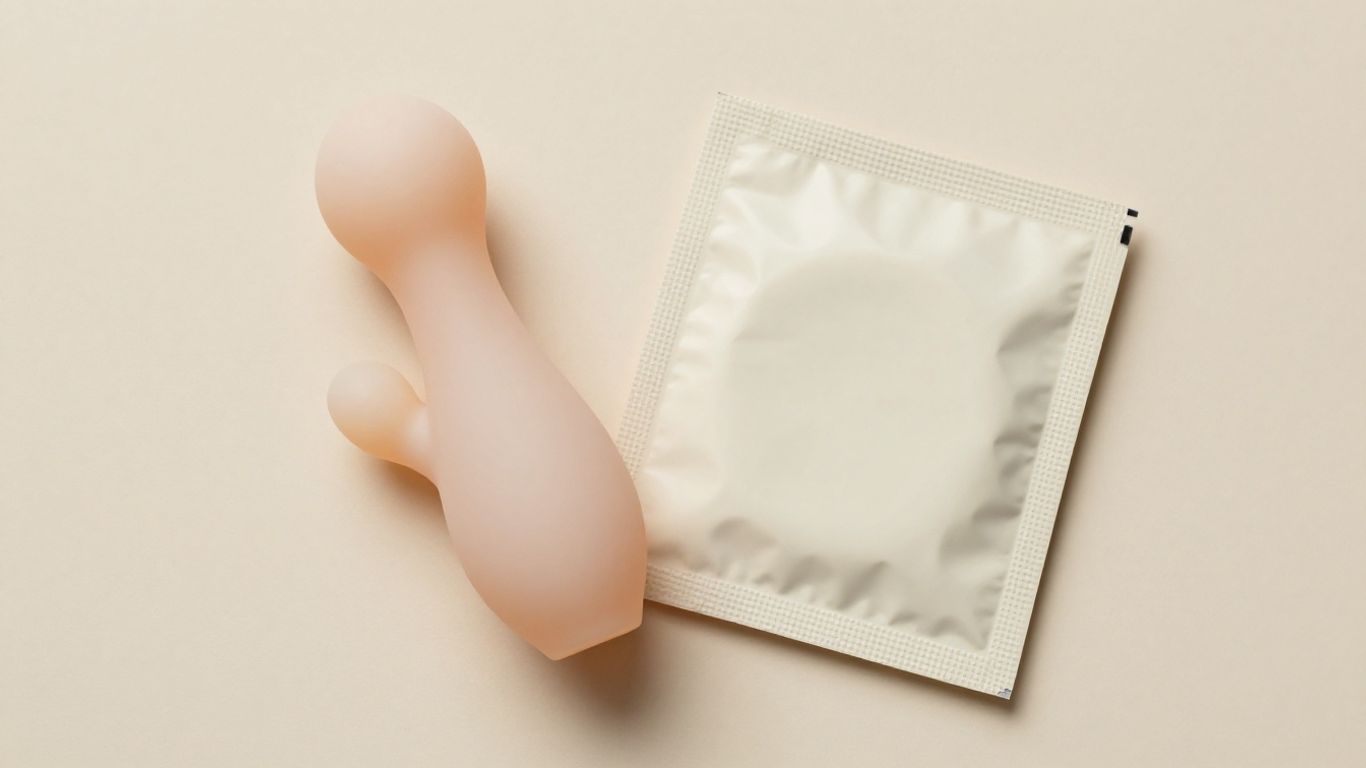
Water-based lubricants are generally considered compatible with latex condoms, but check the lubricant label and condom packaging for specific directions. Use the condom as directed, and do not assume that every personal-care product is suitable for use with it. If a package gives a warning or you are uncertain, follow the manufacturer’s guidance.
Checking guidance for other condom materials
Condoms made from different materials may have different compatibility instructions. Read the condom packaging and lubricant directions together, and follow the more specific guidance if they differ. When the material or label is unclear, contact the manufacturer rather than guessing.
Protecting silicone toys by checking manufacturer instructions
Water-based lubricant is often a practical option with sex toys, but materials and care instructions vary. Check the toy maker’s guidance before use, particularly for silicone toys, and clean the toy as directed afterward. If the instructions do not answer your question, the manufacturer can clarify what is suitable for that product.
How to apply and reapply lubricant
Using lubricant can be simple: follow the directions and pay attention to whether the amount feels comfortable. Start with a little, then add more if friction returns. This personal lubricant application guide covers additional general pointers on choosing an amount and reapplying.
Start with a small amount
Apply a small amount according to the product directions, then notice how it feels. If you need more, add it gradually rather than assuming a large amount is necessary. The appropriate amount varies with the product and your preference.
Add more when friction or dryness returns
If the glide fades or friction becomes uncomfortable, pause and reapply as directed. There is no universal schedule: let comfort guide you. If discomfort continues even after reapplication, stop and reassess rather than pushing through pain.
A short demonstration can be useful for seeing general application steps, but a video does not replace the product label or a healthcare professional’s advice about persistent symptoms.
Follow product directions for intimate use
Use a lubricant only in the ways described on its packaging. Directions may cover where it is intended to be used, how to apply it, and any warnings or limitations. If a use is not addressed, check with the manufacturer or a qualified healthcare professional.
Watch for irritation and store it properly
Even a product that seems suitable at first may not feel right for everyone. Pay attention to new or worsening discomfort, keep the container clean, and store it according to the label. Arousal and comfort matter, but they do not make it necessary to continue using a product that irritates you.
Stop using the product if irritation develops
If burning, itching, swelling, or other irritation develops, stop using the lubricant and rinse the area gently with water if appropriate. If symptoms are severe, persist, or concern you, seek medical advice. Do not assume that a product is suitable simply because it is labeled natural or intended for intimate use.
Keep the container clean and closed
Avoid touching the opening to skin or other surfaces, and close the container after use. Clean hands and a closed cap help keep the product in good condition. Follow any package instructions for handling and cleanup.
Follow storage instructions and check the expiration date
Store the lubricant as directed on its package and check the expiration date before use. Heat, light, or other conditions may matter for some products, so use the manufacturer’s specific guidance. Discard the product if it is expired or its appearance or smell has changed unexpectedly.
Conclusion
A water-based gel can be a useful way to reduce friction, but the best choice is the one whose texture, ingredients, and directions work for you. Read the label, check condom and toy guidance, reapply when comfort calls for it, and stop if irritation develops.
Frequently Asked Questions
What is a water-based personal lubricant?
It is a lubricant made with water as a key ingredient and intended to reduce friction. Formulas and textures vary, so check the label for details.
Does water-based gel need to be reapplied?
Sometimes. If the glide fades or friction returns, pause and reapply according to the product directions.
Is water-based lubricant easy to wash off?
Many water-based formulas rinse away with water, though cleanup can vary by product. Follow its instructions.
Can water-based lubricant be used with latex condoms?
Water-based formulas are generally considered compatible with latex condoms, but check both packages for product-specific instructions.
Can I use water-based lubricant with a sex toy?
Often, but toy materials and care guidance vary. Check the toy maker’s instructions before use.
Should I choose a fragrance-free lubricant?
If you prefer to avoid fragrance or have experienced sensitivity, a fragrance-free option may be worth considering. Review the full ingredient list.
What should I do if lubricant causes irritation?
Stop using it. Rinse gently if appropriate, and seek medical advice if symptoms are severe, persistent, or concerning.





































































