

Posted by Mike
on July 23, 2026

Key Takeaways
- Lubricants are essential for reducing friction and enhancing overall comfort during intimate experiences.
- Selecting the correct base, such as water or silicone, is key to material compatibility.
- Patch testing new products ensures you avoid potential skin sensitivities or allergic reactions.
- Proper application techniques prevent wasting product and ensure a longer-lasting, smoother glide.
- Keeping your chosen formula stored correctly at room temperature maintains its shelf life and effectiveness.
Choosing the right lubricant gel for your needs
Finding the right product for your body is a foundational step in your self-care routine. Whether you are addressing natural dryness or simply seeking to improve your overall comfort, the market offers a variety of formulations that cater to different preferences. Taking the time to understand your options allows you to make informed decisions that enhance your pleasure and confidence.
Identifying base types: water, silicone, and oil
Understanding the fundamental components of your lubricant helps you select the best choice for your personal activities. Many users prefer water-based lubricants for their versatility, as they are generally easy to clean and compatible with most barrier methods. While some people enjoy the long-lasting performance of silicone, others may find oil-based alternatives better suited for specific tactile experiences, though you should avoid using oils with latex.
Matching lubricant to your toy material
Compatibility is a crucial factor when using tools for self-exploration or couple play. Most silicone toys require a water-based lubricant to avoid damaging the surface, as silicone-based gels can potentially break down the material over time. Referencing best personal lubricants can provide clarity on what pairs safely with your favorite items, ensuring their longevity and your safety while enhancing your sexual wellness throughout your routine.
Considering specific skin sensitivities
Your intimate skin is highly absorbent and delicate, making ingredient transparency a priority for comfortable and safe use. If you have reactive skin, natural aloe vera lubricant from brands like Arousellube offers a gentle, pH-balanced approach that avoids common irritants like glycerin or parabens, effectively soothing the area while remaining compatible with your body's natural chemistry.
Step-by-step application guide
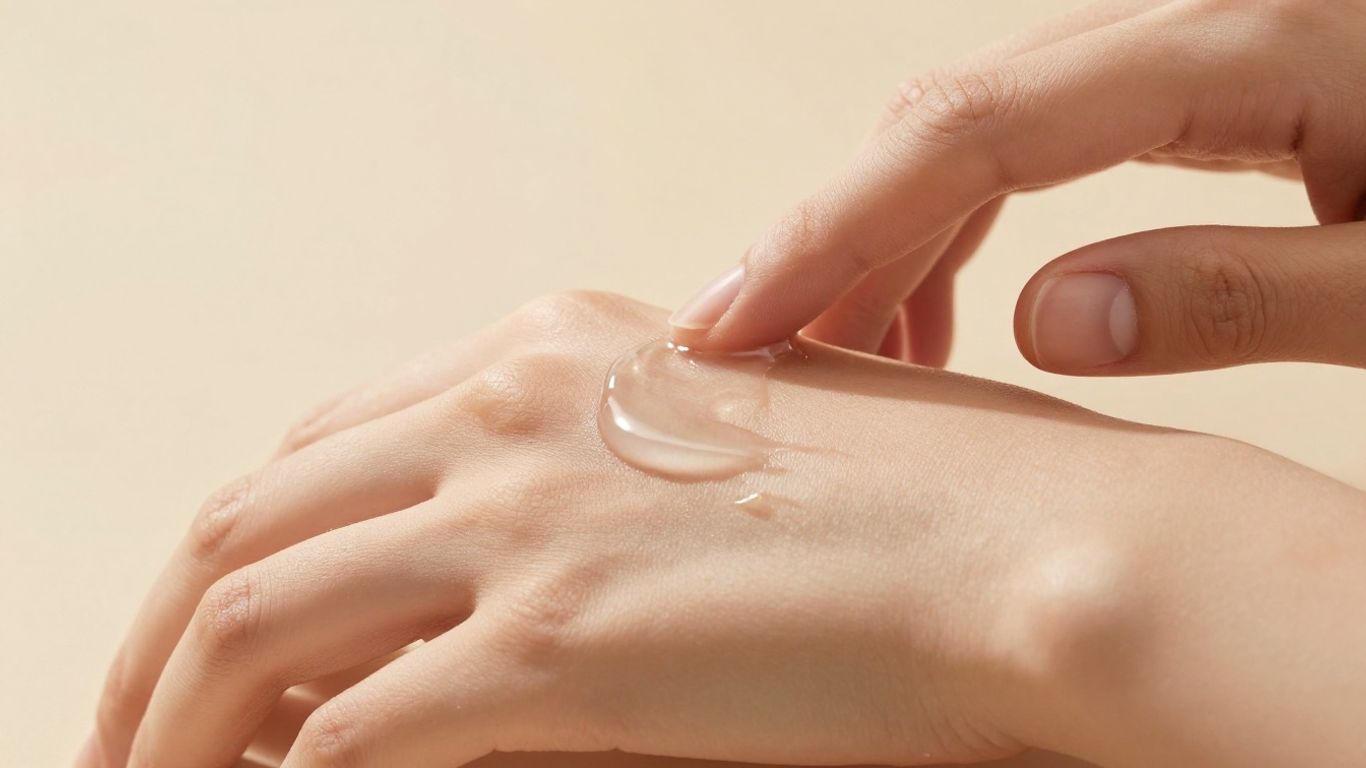
Applying lubricant should be an intuitive part of your intimate ritual, designed to maximize comfort without rushing the process. By taking a thoughtful approach to how and when you apply the gel, you can create a far more seamless experience that builds anticipation. The goal is to establish a natural glide that mimics your body’s own response to arousal.
Preparing the area before application
Before you start, ensure your skin is clean and dry to allow the formula to sit properly on the surface. Taking a moment to relax allows your body to reach a receptive state, which often makes the application feel more natural. You can use these first-time user tips to ensure you are comfortable with the pressure and texture before beginning any activity.
Ideal amount of gel to start with
Many users make the mistake of using too much or too little right away, so it is best to begin with a small, nickel-sized amount. You can always add more as your session progresses, but starting small allows you to gauge the viscosity and sensation without creating a mess. Think of it as enhancing the moment rather than saturating it.
Techniques for manual application
Warm the gel between your hands for a few seconds before applying it directly to the desired areas. This prevents the startling feeling of a cold gel and aligns the product closer to your body's natural temperature. Use gentle, circular motions to spread it evenly, ensuring full coverage for maximum comfort.
Reapplication strategies during intimacy
If you notice the friction increasing or the glide fading, simply pause to reapply a small drop. Keep the bottle within arm's reach so you can transition back to your activity without breaking the rhythm. Periodic reapplications ensure that everything stays comfortable from start to finish.
Tips for different types of sexual activity
Successfully incorporating lubrication into your bedroom routine depends largely on the type of activity you choose. Whether you are focusing on partnered intercourse or engaging in solo exploration, the right technique changes how the lubricant interacts with your movements. Applying the correct amount of personal lubricants keeps the experience fluid and comfortable for everyone involved.
Adjusting application for vaginal intercourse
For vaginal activities, focus on applying the gel both externally and slightly internally to ensure long-lasting comfort. The key is to reduce any initial discomfort by creating a buffer that stays slippery throughout. This ensures that the focus remains on connection and sensation rather than physical irritation.
Optimal usage for anal play
Anal play requires a more generous amount of lubrication to account for the lack of natural self-lubrication in that area. A thicker, high-viscosity formula often works best, as it stays in place longer during periods of friction. Ensure you are using plenty of gel to maintain a soft and safe environment throughout the entire experience.
Using gel with compatible adult toys
Treating your toys with the same care as your body ensures long-lasting hygiene and better function. When using lubricants for masturbation, consider the material of the toy, as some formulas may cause long-term wear on porous materials. Using a dedicated, high-quality, water-based lubricant like the options offered by Arousellube allows you to protect your investment while maximizing the effectiveness of each play session.
Incorporating lubricant into solo sessions
Solo sessions are a perfect time to explore which textures and consistencies you prefer the most. You can track your preferences by noting how different gels feel during your private moments. Consider the following additions to your ritual:
- Apply a thin layer to your fingertips first to increase dexterity.
- Experiment with applying the gel to different zones to test sensitivity.
- Use a towel nearby to quickly manage excess gel if needed.
| Lubrication Type | Best Use Case | Primary Benefit |
|---|---|---|
| Water-Based | Toys and Condoms | Versatile, simple clean |
| Silicone-Based | Long-duration play | Lasts longer, very silky |
| Natural Oil | Skin massage | Nourishing and hydrating |
These simple adjustments can help you refine your technique and discover what truly enhances your personal satisfaction.
Common mistakes to avoid when using lubrication
Navigating the world of lubricants can be confusing, and many common errors are easily fixed with a little awareness. Recognizing these potential pitfalls helps you avoid discomfort and ensures your lubricant selection remains a source of pleasure rather than frustration. By avoiding ingredients or combinations that don't serve your body, you set yourself up for a much more reliable experience.
The risks of using incompatible product combinations
Mixing different base types can lead to a sticky texture that ruins the glide you were aiming for. For instance, combining oil-based products with water-based ones often results in an uneven consistency that dissipates quickly. Sticking to a single, high-quality formula or researching compatible pairings before you begin is the best way to maintain a smooth experience.
Avoiding heavily fragranced or flavored formulas
While scents and flavors can add excitement, they are also frequent sources of irritation for those with sensitive skin. Ingredients used to create these sensations can occasionally disrupt your internal pH balance. If you are prone to sensitivity, opt for neutral formulas and save the flavored options for occasions when you know your body will react well to them.
Overlooking temperature effects on comfort
Applying a cold, room-temperature gel to sensitive areas can be jarring and actually inhibit arousal. Keeping your lubricant in a warm, dry spot or warming a small amount in your palm before application makes a significant difference. It turns a functional step into a more attentive and pleasurable part of the process.
Preventing excess residue through smart application
Excessive use often leads to a buildup that feels sticky or uncomfortable by the end of your session. Instead of applying large amounts at once, focus on "layering" smaller amounts as you need them. This strategy keeps surfaces smooth without the need for excessive cleanup afterward.
Safety considerations and ingredient awareness
Your intimate health should be the highest priority when choosing items for your bedroom. While most products on the market are designed with safety in mind, taking an active role in reading labels and understanding what you are using is essential. Making clean intimate choices allows you to enjoy your time more fully without worrying about potential reactions or discomfort.
Performing a patch test for new brands
Before using a new lubricant full-scale, apply a small amount to the inside of your wrist or elbow. Wait about 30 minutes to see if any redness or itching occurs. This simple habit from Arousellube allows you to gauge how your body responds to the specific ingredients before using the product on more sensitive tissue.
Understanding common irritants like glycerin or parabens
Many conventional lubricants contain glycerin, a sugar-derived ingredient that can contribute to yeast infections or irritation in sensitive individuals. Parabens are also frequent additives used as preservatives but are avoided by many seeking a cleaner experience. Choosing formulas that are free from these can significantly reduce the risk of irritation.
Checking compatibility with barrier methods
Always ensure that your lubricant is safe for use with condoms or other barrier methods. Some formulas, particularly those containing actual oil-based ingredients, can weaken latex and lead to breakage. Stick to water-based gels when using condoms to ensure both comfort and safety are maintained throughout your activity.
Knowing when to discontinue use due to irritation
Pay attention to your body’s signals. If you experience burning, itching, or any unusual sensation that persists, wash the area gently with mild soap and water and stop using the product immediately. It is always better to prioritize your comfort over finishing a session with a product that does not agree with you.
Cleaning and maintenance after use
Maintaining your hygiene routine after intimacy ensures that your experience remains positive until the very end. Residual gel can sometimes attract dust or create a film on the skin if left too long, so a quick cleanup is always a good idea. Knowing how to store your products also keeps them effective for as long as possible.
Proper hygiene routines post-application
After activities are finished, use warm water and a mild, fragrance-free cleanser to wash away any remaining product. Taking care of your skin ensures that you stay fresh and free from irritation caused by dried residue. This simple ritual is a form of self-respect after intimacy.
Removing residual gel from skin and fabric
If you find yourself with excess gel on clothing or bedding, most water-based formulas wash away easily in the laundry. Avoid using harsh chemicals or excessive heat, which could set any residue. For your skin, a quick wipe with a clean, damp cloth is often sufficient to regain a comfortable feeling.
Storing your lubricant gel to maintain shelf life
Keep your products in a cool, dry place away from direct sunlight, such as a drawer or cabinet. Exposure to heat and light can degrade the quality of ingredients over time, potentially altering the texture and effectiveness. Properly closing the cap after every use also prevents evaporation and contamination.
Recognizing signs of expired or degraded product
A change in color, a sour or off-putting odor, or a significant change in texture—like becoming clumpy or separating—are all signs that your product should be replaced. Even if it hasn't reached its exact expiration date, trust your senses. If it doesn't look or smell right, it is time to discard it.
Conclusion
Learning how to effectively incorporate a lubricant into your routine is a simple way to elevate your intimate life and prioritize your own comfort. Whether you are exploring solo or with a partner, finding what works best for your body turns routine moments into more pleasurable and confident experiences. Embrace the variety of options available, stay mindful of your skin's needs, and always keep an open mind about what makes your intimacy feel authentic and enjoyable.
Frequently Asked Questions
Can I use household items like oil or lotion as a lubricant?
No, you should avoid common household items like hand lotion or cooking oils, as they are not designed for intimate use and can contain additives that cause irritation or infections. Additionally, oil-based items can damage latex condoms and silicone toys, leading to potential structural failure.
Does lubricant affect the effectiveness of condoms?
Water-based lubricants are generally safe to use with latex condoms, but you should avoid any lubricants that contain organic oils or petroleum jelly. These materials can break down latex, which increases the likelihood of a condom failing during use, so always check the label for compatibility.
How often should I reapply lubricant during sex?
There is no fixed frequency, as it depends on your own body and the intensity of the activity. Reapply whenever you notice friction increasing or feel a decrease in natural glide; listening to your body’s need for moisture is the best way to maintain a comfortable experience.
Can lubricant help if I experience dryness during menopause?
Yes, lubricants are an effective way to supplement the decline in natural moisture that often occurs due to hormonal changes. Many people utilize high-quality lubricants specifically to restore comfort during intimacy and reduce the irritation associated with tissue dryness.
What is the difference between personal lubricants and massage gels?
Personal lubricants are formulated specifically to mimic the body's natural fluids and reduce friction during intercourse or toy use. Massage gels are often thicker, designed for skin-to-skin touch, and may contain additives not suited for internal use; it is best to stick to products specifically labeled for personal intimacy.
How do I know if a lubricant is pH-balanced?
Look for labels that explicitly mention a pH-balanced or skin-neutral formula. These are designed to harmonize with your body’s natural environment, minimizing the risk of bacterial imbalance or inflammation, especially for those with sensitive vaginal flora.
Will using lubricant stop me from producing my own natural fluid?
No, using lubricant does not interfere with your body's natural physiological response to arousal. Instead, it serves as a helpful addition to assist with comfort and pleasure, allowing you to reach an intimate state without the pressure of needing to be perfectly hydrated all on your own.





































































