

Posted by Mike
on October 16, 2026

Key Takeaways
The right personal lubricant depends on the activity, the materials involved, and what feels comfortable for your body. A little label-checking can help you choose and use it with more confidence.
- Water-, silicone-, and oil-based formulas have different textures and practical considerations.
- Check condom and toy compatibility on the product label before use.
- Review ingredients and stop using a lubricant if it causes irritation.
- Start with a small amount and add more if friction returns.
- Follow package directions for storage and cleanup, and ask a health professional about persistent symptoms.
Understand the main types of personal lubricant
Personal lubricants can reduce friction during sexual activity, but formulas differ in feel, cleanup, and compatibility. There is no single type that suits every person or situation; preferences and product labels both matter. A formula comparison guide can be a useful companion as you weigh those details.
Water-based formulas and their everyday uses
Water-based formulas are a common starting point because they tend to rinse away with water and may work with many condoms and toys, subject to the product label. They can dry during use, so you may need to add more if friction returns. Arousellube offers water-based, edible personal lubricants made with natural ingredients; check the specific package for its ingredients and directions. For a broader overview of how personal lubricants work, consider how reducing friction fits your own comfort and preferences.
Here is a simple comparison of the main formula types and a few practical considerations:
| Formula type | What to consider | Cleanup |
|---|---|---|
| Water-based | May need reapplication if it dries; check the label for compatibility | Often rinses with water |
| Silicone-based | Can feel different from water-based formulas; check toy compatibility | May take more effort to rinse away |
| Oil-based | Check condom compatibility carefully, especially with latex | May leave residue on fabric or surfaces |
These are general distinctions, not a substitute for the product’s instructions. The label can clarify whether a particular formula suits your condoms, toys, and intended use.
Silicone-based formulas and when they may be suitable
Silicone-based lubricants can be an option when you prefer a different texture or want a formula that does not dry in the same way as a water-based one. Their compatibility with sex toys varies by material and product, so check both manufacturers’ directions before combining them. If cleanup matters to you, consider that silicone residue may take more effort to remove than a water-based formula.
Oil-based formulas and important limitations
Oil-based lubricants may not be compatible with latex condoms because oils can weaken latex. They can also be harder to clean from fabrics or surfaces, and some toys may have material-specific restrictions. If you are considering an oil-based formula, review the package carefully and choose another option if the label does not clearly support your intended use.
Match lubricant to condoms and sex toys
A lubricant that feels comfortable may still be a poor match for a particular condom or toy. Materials and formulas interact differently, so check compatibility before use rather than relying on a general rule. A moment with the packaging can prevent an avoidable mismatch.
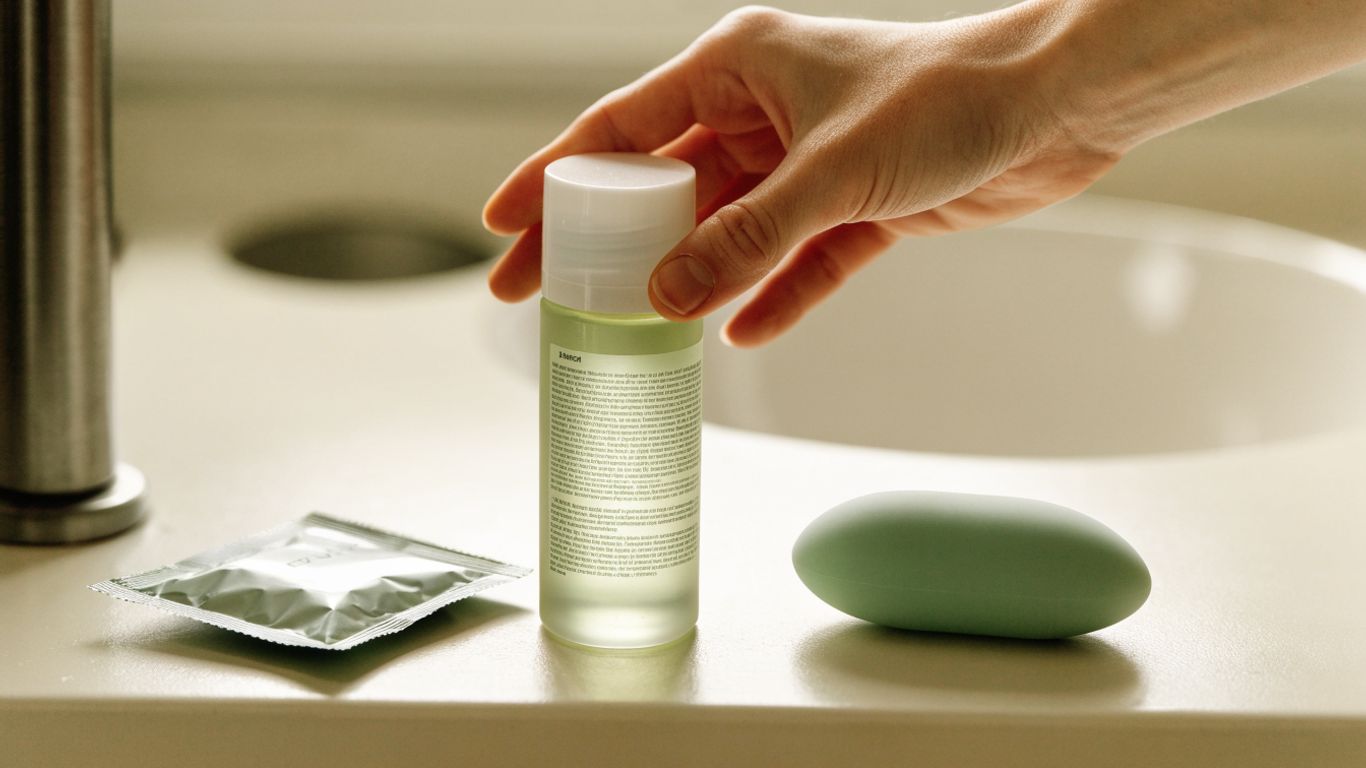
Check compatibility with latex condoms
Oil-based products can weaken latex condoms, which may increase the chance of breakage. If you use latex, look for a lubricant whose label says it is compatible, and follow the condom directions as well. Water-based formulas are often used with latex condoms, but the product label remains the best guide for the specific item in your hand.
Consider the material of your sex toys
Toy materials vary, and some may not be suited to every lubricant. In particular, check the toy manufacturer’s instructions before using a silicone-based lubricant with a silicone toy. When the material or guidance is unclear, pause and ask the manufacturer or a pharmacist rather than guessing.
Read product labels before combining products
Labels help answer the practical questions that general advice cannot: which materials a formula suits, how it should be used, and how to clean it up. Look at both products’ directions when using a lubricant with a condom or toy. If the information is missing or confusing, choose a clearly compatible product or get professional guidance first.
Choose a formula for comfort and sensitivity
Comfort is personal, and a lubricant that works well for someone else may not feel right for you. Ingredients, added fragrance, flavor, and other formula features can all shape the experience. If you have reacted to personal-care products before, take time to review the label and introduce a new formula cautiously.
Review ingredients if you have sensitive skin
Read the full ingredient list, especially if you have a history of sensitivity or know you react to particular ingredients. Arousellube offers edible, water-based personal lubricants made with natural ingredients, but natural ingredients can still affect people differently; review the product’s own label before use. The phrase natural does not mean irritation-proof—your individual response matters more than a broad description.
When comparing products, it can help to look for these details on the package:
- The complete ingredient list.
- Whether fragrance or flavor has been added.
- Directions for use and any stated cautions.
- Storage guidance and the expiration date.
Use those details to narrow your options rather than assuming that a particular ingredient category guarantees comfort. If you have a known allergy, ask a clinician or pharmacist about ingredients you are unsure of.
Recognize common irritants and added ingredients
Fragrance, flavor, and other additions may be less suitable for some people, especially if they are prone to irritation. Pay attention to how a product feels, not just to claims on the front of the package. If you have recurring sensitivity, a clinician can help you consider whether an ingredient or another factor may be involved.
Stop using a product if it causes irritation
Stop using a lubricant if you notice burning, itching, swelling, or other irritation after applying it. Rinse the area gently according to the label, and avoid trying to cover the discomfort by adding more product. If symptoms persist, return, or feel severe, contact a health professional for advice.
Apply personal lubricant comfortably
Using lubricant does not need to be complicated. Start with a modest amount, notice how it feels, and adjust as needed. Arousellube describes its products as designed to enhance pleasure and intimacy; whichever formula you choose, follow its package directions and let your comfort guide the amount.

Start with a small amount and add as needed
Apply a small amount to the area or item indicated by the product directions, then pause to see whether it provides enough glide. You can add more gradually if needed instead of starting with more than feels comfortable. Keep the label nearby if the product has specific instructions for where or how to apply it.
Reapply when friction returns
Some formulas may dry or feel less slippery over time, while others may suit a longer stretch of activity. If friction returns, pause and reapply according to the directions rather than pushing through discomfort. If repeated reapplication does not help, consider whether a different formula or professional advice may be appropriate.
Use lubricant with solo or partnered sexual activity
Personal lubricant can be used during solo or partnered sexual activity when the product directions support that use. If you are using condoms or toys, check compatibility before applying it. Keep communication simple and practical: ask what feels comfortable, adjust the amount, and stop if either person experiences irritation or pain.
Store and clean up lubricant
Good storage and cleanup are part of using a product as directed. Heat, moisture, and an open or damaged container may affect product condition, so follow the package guidance rather than relying on assumptions. Cleanup also varies by formula and by the surfaces it touches.
Follow the package directions for storage
Keep the container closed when it is not in use and store it according to the label. If the package gives a temperature range or other specific instruction, follow it. Avoid transferring the product into another container unless the manufacturer says that is suitable.
Check the expiration date and product condition
Check the expiration date before use, particularly if the container has been stored for a long time. Do not use a product if its packaging is damaged or if its appearance, texture, or smell has changed unexpectedly. When in doubt, replace it rather than taking a chance on an altered product.
Rinse away residue according to the label
Use the package directions to clean skin, toys, and other surfaces after use. Water-based products often rinse away with water, while some other formulas may leave residue or need a different cleanup approach. Check toy instructions as well, since the care guidance depends on the material.
Know when to ask a health professional
A lubricant can help reduce friction, but it does not explain every cause of discomfort. Repeated irritation, ongoing pain, or unusual symptoms deserve attention, especially if they continue after you stop using a product. A clinician or pharmacist can help you sort through product questions and decide what advice is appropriate.
Discuss recurring discomfort or irritation
If irritation keeps returning, note which products you have used and when symptoms occur. Share the ingredient labels with a health professional if you can. They can help you consider whether the product, an ingredient, or another issue might be contributing, without relying on guesswork.
Seek advice about persistent pain or unusual symptoms
Contact a clinician about pain that persists, keeps returning, or interferes with daily life or sexual activity. Seek timely medical advice for unusual symptoms, such as unexplained bleeding, sores, or discharge. A lubricant is not a substitute for evaluation when symptoms have another cause.
Ask a pharmacist or clinician about product compatibility
A pharmacist or clinician can help you interpret ingredient information or discuss whether a product is appropriate alongside a condom, toy, or other personal-care item. Bring the packaging or a clear photo of its label if possible. For questions involving a toy, the manufacturer’s care instructions may also help clarify material compatibility.
Conclusion
Choosing a personal lubricant is a practical mix of formula, compatibility, and individual comfort. Read the label, start with a small amount, and stop if irritation develops; if pain or unusual symptoms persist, ask a health professional for guidance.
Frequently Asked Questions
What is personal lubricant used for?
Personal lubricant is used to reduce friction during sexual activity and may make contact more comfortable. Follow the product directions and stop using it if it causes irritation.
Which type of lubricant is easiest to clean up?
Water-based formulas often rinse away with water, though cleanup depends on the product and the surface. Check the label for specific instructions.
Can I use oil-based lubricant with a latex condom?
Oil-based lubricants can weaken latex condoms. Check the condom and lubricant labels and choose a product specifically identified as compatible.
Is silicone-based lubricant safe to use with every sex toy?
No single answer applies to every toy. Compatibility depends on the toy’s material and the product, so check both manufacturers’ instructions before use.
How much lubricant should I apply?
Start with a small amount and add more if you need it. Follow the package directions and adjust based on comfort.
What should I do if lubricant causes irritation?
Stop using it and rinse the area according to the product directions. If the irritation continues, returns, or feels severe, contact a health professional.
When should I ask a health professional about discomfort?
Seek advice for persistent or recurring pain, ongoing irritation, or unusual symptoms. A clinician can help assess what may be causing them and suggest appropriate next steps.





































































