

Posted by Mike
on September 06, 2026

Key Takeaways
Oil-based lubricant can provide a rich, lasting glide, but the formula must match your body, condoms, toys, and intended activity.
- Oil can weaken latex and polyisoprene condoms, so check the barrier material first.
- Simple, fragrance-free formulas are often easier to assess when skin is sensitive.
- Plant oils and purpose-made blends can differ in texture, cleanup, stability, and additives.
- Patch testing and careful application help reduce the chance of irritation.
- Store the product cleanly, watch for changes, and stop using it if discomfort develops.
What oil-based personal lubricant is
An oil-based personal lubricant is a slippery formula made primarily with oils, butters, or a blend of both. Unlike water-based products, it does not evaporate or dry in quite the same way, so many people enjoy a denser glide that lasts through extended contact. The trade-off is that oil can affect some condoms and sex-toy materials, making compatibility a central part of choosing one.
How oil-based formulas differ from water- and silicone-based lubricants
Oil-based formulas tend to feel rich and cushiony, while water-based options usually feel lighter and are easier to rinse away. Silicone-based lubricants can also offer lasting glide and are generally water-resistant, but their ingredients and toy compatibility need separate checking. A useful comparison of lubricant bases can help you narrow the choice according to activity, cleanup preferences, and barrier use.
The best option is not determined by texture alone. Consider whether you need a formula for intimate contact, massage, toy play, or a combination of uses, then check the label for material warnings.
Common ingredients and texture variations
Common oil-based ingredients include coconut, sunflower, olive, almond, jojoba, and other plant oils, along with richer ingredients such as cocoa or shea butter. A formula may be thin and fluid, creamy and spreadable, or dense enough to soften between warm fingertips. “Natural” describes an ingredient source, not automatically its suitability for every intimate use.
Some blends contain antioxidants or botanical extracts to help preserve the formula or change its feel. Others include fragrance, flavor, or essential oils, which can be less comfortable on delicate tissue. Read the complete ingredient list rather than relying only on the front label.
Why people choose oil-based lubricant
People often choose oil for its substantial glide, low need for reapplication, and versatility as a massage oil. It can feel especially comfortable when friction is the main concern and when there is no latex barrier involved. Still, a lasting texture does not make every oil suitable for internal use, so the intended-use directions matter.
For broader background on dryness, friction, and lubricant choice, this guide to vaginal dryness and lubricant differences offers useful context. Persistent pain, burning, or dryness deserves medical attention rather than repeated experimentation with products.
How long oil-based lubricant typically lasts
Oil-based lubricant often lasts longer than water-based lubricant because it does not dry down as quickly. How long it remains comfortable depends on the amount used, the formula’s viscosity, natural moisture, friction, and whether skin or fabric absorbs some of it. Reapply whenever the glide becomes less comfortable; there is no need to wait for a fixed interval.
A longer-lasting formula can also mean more cleanup afterward. That is a practical consideration, not a defect, especially when choosing between a light oil and a buttery blend.
How to choose the right formula
Choosing a personal lubricant oil based starts with the activity and ends with the ingredient list. Think about whether the product will touch external skin, vaginal or anal tissue, a condom, or a toy. A short, transparent formula is often easier to evaluate, particularly if you already know that your skin reacts to fragrance or botanical extracts.
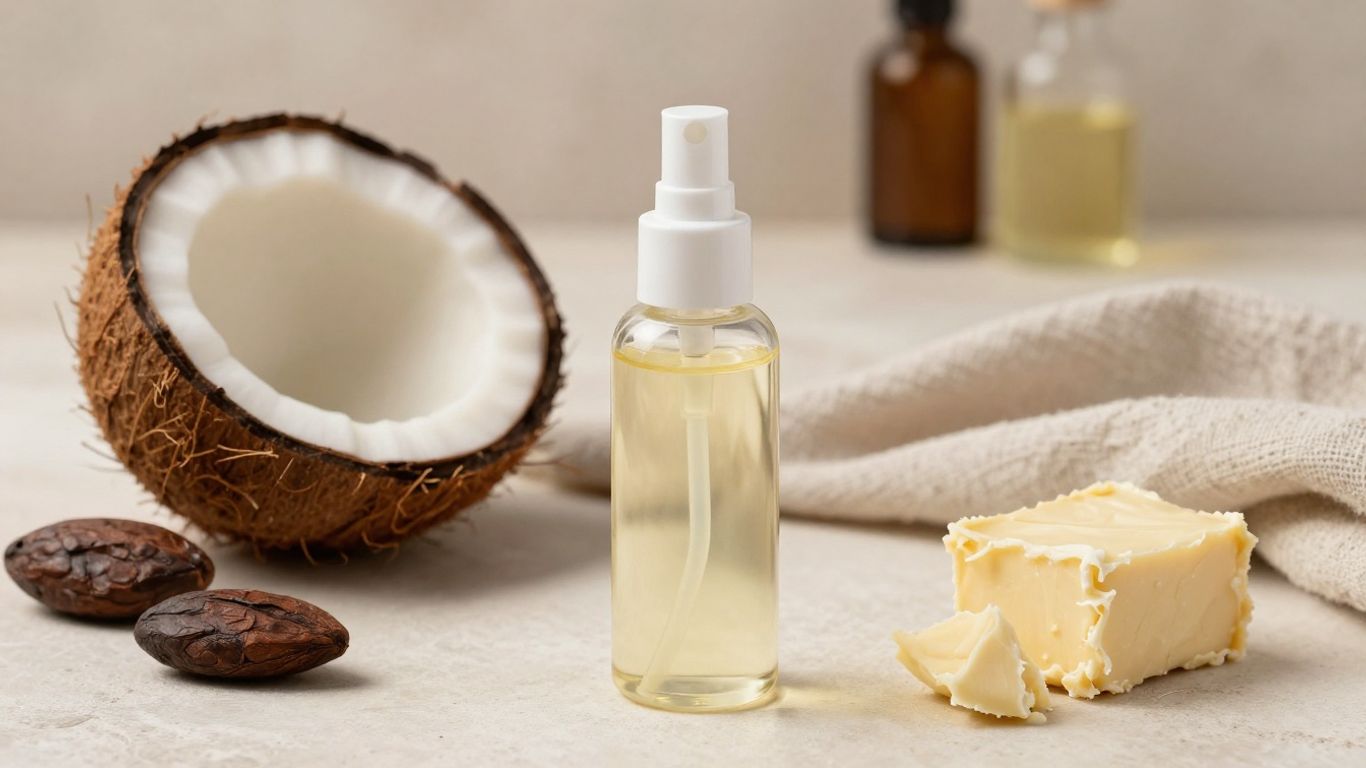
Natural oils versus purpose-made lubricant blends
A single plant oil may feel familiar, but a purpose-made intimate blend is typically developed for a particular texture, spread, and use case. Oils used in the kitchen may not have the same purity, preservation, or tissue-compatibility considerations as a product made for intimate contact. Avoid assuming that edible or household means body-safe in every context.
A blend may also separate slightly with temperature changes. Follow the label rather than improvising with heating, dilution, or added ingredients.
Fragrance, flavor, and added botanical ingredients
Fragrance and flavor can make a product appealing, yet they may also introduce ingredients that sensitive tissue does not tolerate well. Essential oils, menthol, warming agents, and concentrated botanical extracts deserve particular caution around the vulva, vagina, anus, and any mucosal tissue. When comfort is the priority, fragrance-free is often the simpler starting point.
If you prefer a natural product, look for clear ingredient names and meaningful use directions. The term “organic” alone does not explain how a formula behaves with condoms, toys, or internal tissue.
Ingredients that may irritate sensitive skin
Potential irritants vary from person to person. Fragrance, essential oils, alcohol, strong flavoring agents, and unfamiliar preservatives can all be reasons to proceed slowly, especially if the skin is already reactive. A body-safe lubricant ingredient guide provides a useful framework for reading labels without treating marketing language as a safety guarantee.
A product that feels fine on one person may sting another. Your body’s response matters more than a reassuring claim on the package, so discontinue a formula that causes burning, itching, swelling, or persistent redness.
How to assess consistency, cleanup, and shelf life
Before buying, consider whether you want a light oil that spreads quickly or a thicker formula that stays in place. Check the expiration date, storage directions, container design, and any warning about heat or separation. Cleanup is usually easier with warm water and cleanser, but fabrics may need pre-treatment because oil can leave a mark.
The following quick comparison keeps the practical differences in view:
| Choice to assess | What to look for | Main practical question |
|---|---|---|
| Texture | Thin oil, cream, or butter-rich blend | Will it spread and stay where needed? |
| Ingredients | Short, recognizable, clearly listed formula | Could any additive bother sensitive skin? |
| Packaging | Clean dispenser, secure cap, clear expiry date | Can it be used without contamination? |
| Cleanup | Directions for skin, fabric, and surfaces | Am I comfortable with the likely mess? |
These details are easy to overlook when a product sounds luxurious. They often determine whether the lubricant feels convenient after the first use as well as during it.
Compatibility with condoms and sex toys
Compatibility is the safety checkpoint that should come before application. Oil can interact with certain barrier materials and may also damage some toy surfaces, even when the lubricant itself feels gentle. When in doubt, use the manufacturer’s material guidance or choose a different base.
Why oil-based lubricant can weaken latex condoms
Oil can break down latex, making a condom more likely to tear or fail. This can increase the risk of pregnancy and sexually transmitted infections, so oil-based lubricant should not be used with latex condoms. The same caution commonly applies to polyisoprene barriers; check the package rather than guessing from appearance.
If a latex condom is part of the plan, choose a condom-compatible lubricant base instead. Do not try to solve the problem by using less oil, because even a small amount may affect the material.
Condom materials that may be compatible
Some condoms made from materials such as polyurethane or nitrile may be compatible with oil, but compatibility depends on the specific product and its instructions. Confirm both the lubricant label and the condom packaging before use. A barrier that is oil-compatible still needs to be used correctly and checked for damage.
When pregnancy or STI prevention is important, treat compatibility information as essential rather than optional. If the packaging is unclear, select a lubricant known to work with the barrier you have.
Checking toy materials before use
Sex toys vary widely: silicone, glass, metal, hard plastic, elastomer, rubber, and blends can respond differently to oils. Porous materials may absorb lubricant and are harder to clean completely, while some soft materials can become sticky or degrade. Check the toy maker’s instructions before applying oil.
A small external test is not a reliable substitute for material guidance, but it may reveal obvious surface changes. Stop if the toy becomes tacky, cloudy, swollen, or otherwise altered.
When to choose a different lubricant base
Choose another base when you need latex or polyisoprene condoms, when a toy maker warns against oil, or when easy rinsing is a priority. Water-based lubricant is often the simplest all-purpose option, while silicone-based lubricant may suit people who want water resistance and longer glide, subject to toy compatibility.
Arousellube offers water-based, edible personal lubricants made with natural ingredients for people who prefer that kind of formula. Its stated purpose is to enhance pleasure and intimacy, but any product should still be checked against your own sensitivities and the materials you plan to use.
How to use oil-based lubricant safely
Safe use is mostly about starting gently, using enough product, and paying attention to the skin. Apply a small amount first, spread it where needed, and add more if friction returns. Keep the container clean and avoid sharing product in a way that could transfer bacteria between bodies or surfaces.
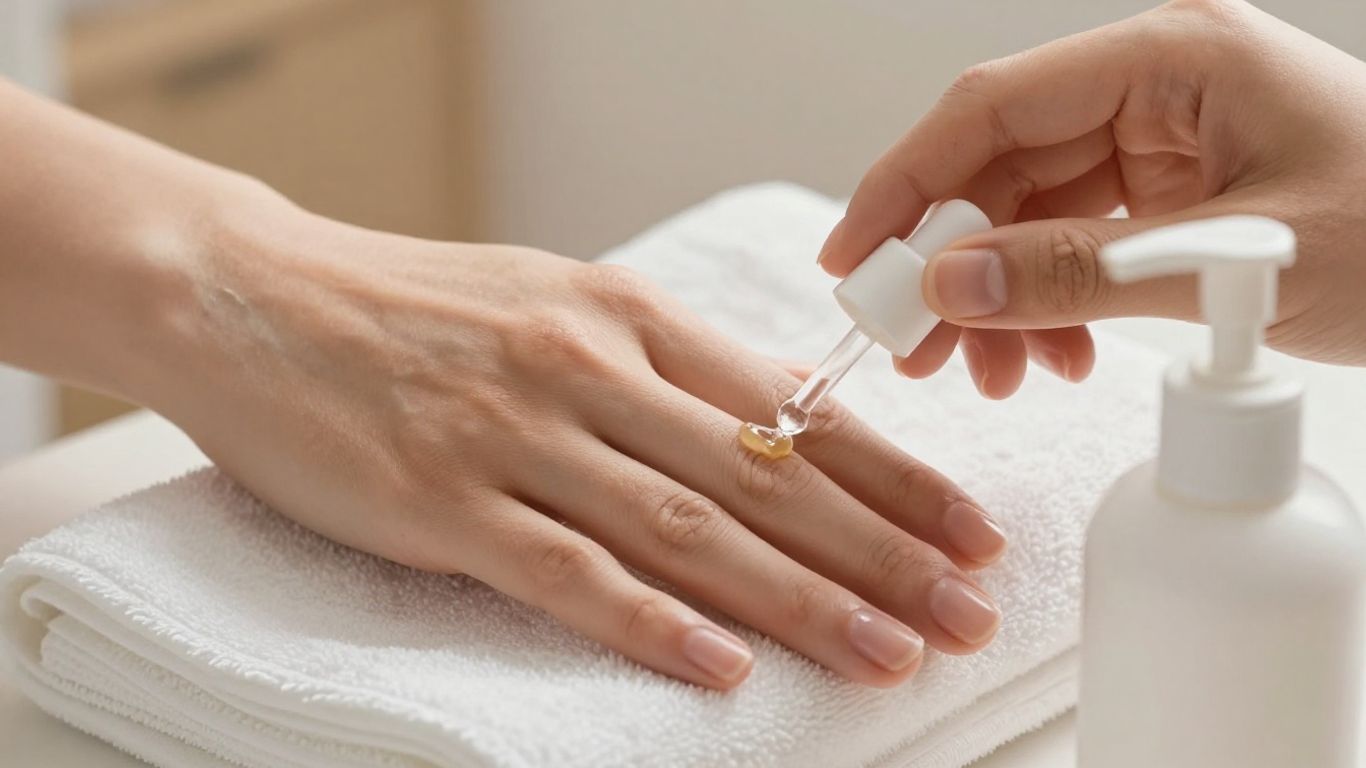
Applying the right amount and adding more as needed
Warm a small amount between clean fingertips if the texture is thick, then apply it to external skin, the intended body area, or a compatible toy. There is no universal “correct” quantity; comfort and reduced friction are better guides than a measured number. Add more gradually instead of beginning with a large amount that may create unnecessary mess.
Avoid applying oil to a latex condom or assuming that lubrication outside the barrier will not reach it. If a condom is needed, use a compatible product from the start.
Testing a new product on sensitive skin
Patch testing can help identify an obvious skin reaction before a product is used for intimate contact. Place a small amount on an external, less sensitive area such as the inner forearm, then wait according to the product’s directions and watch for redness, itching, or burning. This cannot predict every internal reaction, but it is a sensible first screen.
Try only one new product at a time so that any reaction is easier to trace. A product that passes a patch test can still be unsuitable for mucosal tissue.
Avoiding contact with irritated or broken skin
Do not apply lubricant to cuts, open sores, active rashes, or severely irritated tissue unless a healthcare professional has advised you to do so. Oil may increase discomfort or make it harder to assess what is causing the irritation. Pause sexual activity when friction is painful rather than trying to cover the pain with more lubricant.
If symptoms recur, seek medical advice. Lubricant can reduce friction, but it does not treat infections, skin conditions, or unexplained pain.
Cleaning skin, fabrics, and surfaces afterward
Wipe away excess product, then wash skin with warm water and a mild, unscented cleanser if needed. Do not scrub delicate tissue or use harsh soaps to chase every trace of oil. For fabrics, blot rather than rubbing, apply a suitable pre-treatment, and launder according to the care label.
Arouse the cleanup routine around the product’s texture: a thin oil may rinse fairly easily, while a butter-rich blend may need more patience. A short video on using personal lubricant safely can complement written instructions, especially for first-time users.
Benefits and limitations for different uses
Oil-based lubricant can be a comfortable choice when lasting glide and a rich feel matter more than quick cleanup. It is not a universal formula, though. The same quality that makes oil appealing for massage or extended contact can create problems with barriers, toys, and fabrics.
When oil-based lubricant works well for vaginal sex
For vaginal sex without latex or polyisoprene condoms, oil may provide a smooth, cushioning feel and reduce friction over a longer period. Some people appreciate not having to reapply as often as they might with water-based formulas. Use only a product intended for intimate contact and stop if it causes burning, itching, odor changes, or unusual discharge.
If dryness continues despite lubricant, consider discussing it with a healthcare professional. Lubrication can improve comfort during activity but may not address hormonal changes, medication effects, infection, or another underlying cause.
Considerations for anal play
Anal tissue does not self-lubricate in the same way as the vagina, so adequate lubrication and slow, communicative pacing are important. Oil may offer a lasting glide, but barrier and toy compatibility still apply. Use a product intended for the area, avoid moving a toy from anus to vagina without cleaning or changing barriers, and stop if there is sharp pain or bleeding.
For anal play with condoms, verify the material before choosing oil. If the information is unclear, a condom-compatible alternative is the safer practical choice.
Using oil-based lubricant with massage
Oil-based formulas often work naturally for massage because they spread across skin and remain slippery for longer. Keep the product away from eyes, irritated skin, and areas where the label does not recommend use. If the oil will later be used for intimate contact, choose one made for that purpose rather than assuming every massage oil is suitable.
A towel can protect bedding, and a small amount usually goes further than expected. Apply more only when the skin begins to drag.
Situations where water- or silicone-based lubricant may be better
A different base may be preferable when you need latex protection, want quick cleanup, are using a toy with oil warnings, or dislike a heavier finish. Water-based products are usually versatile and easy to wash away, while silicone-based formulas may offer lasting glide in wet settings, depending on the product and toy material.
Arousellube makes water-based, edible personal lubricants with natural ingredients, giving readers seeking a water-based option another formula category to consider. Arousellube’s stated focus is enhancing pleasure and intimacy; as with any lubricant, read the label and confirm that it matches the activity.
Storage, hygiene, and troubleshooting
Good storage protects both the formula and the person using it. Keep the container closed, use clean hands, and follow the stated temperature and expiry guidance. If the product changes noticeably or causes discomfort, do not try to rescue it by adding water, another oil, or fragrance.
Preventing contamination during application
Wash your hands before use and avoid touching the dispenser tip to skin, toys, towels, or other surfaces. Do not pour unused lubricant back into the container. If several people use the same product, a pump or squeeze bottle is generally more hygienic than repeatedly dipping fingers into an open jar.
Clean compatible toys according to their instructions before storing them. Keep the lubricant container separate from dirty laundry and bathroom surfaces that collect residue.
Storing lubricant to protect its quality
Store oil-based lubricant in a cool, dry place away from direct sunlight and strong heat. Keep the cap or pump closed to limit air exposure and dust. Some formulas may soften, thicken, or separate with temperature changes, so follow the label’s directions before deciding whether a texture shift is normal.
Do not leave the container in a hot car or beside a radiator. Proper storage can help preserve the smell, color, and feel the manufacturer intended.
Recognizing changes in smell, color, or texture
A sour, rancid, or otherwise unusual smell is a reason to discard an oil-based product. Also watch for unexpected discoloration, persistent separation, gritty particles, mold, or a sticky texture that was not present before. A small temperature-related change may reverse at room temperature, but a product that still seems wrong should not be used.
When uncertain, compare the product with its original appearance and check the expiry date. The cost of replacing it is lower than the risk of using a spoiled or contaminated formula.
What to do if irritation or discomfort occurs
Stop using the lubricant and gently rinse the area with lukewarm water if burning, itching, swelling, or pain develops. Avoid adding soaps, fragrances, or other products that could make the reaction harder to assess. Seek medical care promptly for severe swelling, breathing difficulty, extensive rash, significant bleeding, or symptoms that do not settle.
Arousellube emphasizes body-safe ingredients and natural components in its product positioning, but no formula is right for every body. Personal response remains the most useful guide, especially when symptoms persist.
Conclusion
Oil-based lubricant can offer a rich, lasting glide for intimate contact or massage when its ingredients, intended use, and material compatibility are clear. Choose thoughtfully, avoid oil with latex or polyisoprene condoms, patch test new formulas, and treat irritation as a signal to stop rather than push through.
Frequently Asked Questions
Is oil-based lubricant safe to use with latex condoms?
No. Oil can weaken latex and increase the chance of condom failure, so choose a condom-compatible lubricant instead.
Can oil-based lubricant be used with sex toys?
It depends on the toy material and the manufacturer’s instructions. Check compatibility before use, especially with porous or soft toys.
Does oil-based lubricant last longer than water-based lubricant?
It often lasts longer because it does not dry as quickly, but duration varies with the formula, activity, friction, and the amount applied.
Can cooking oil be used as personal lubricant?
A kitchen oil is not automatically suitable for intimate use. Purpose-made products provide clearer directions and ingredient information for the intended application.
Should I patch test an oil-based lubricant?
Patch testing on an external area can help identify an obvious skin reaction, although it cannot guarantee that the product will be comfortable on sensitive internal tissue.
How should oil-based lubricant be cleaned off?
Use a soft cloth or tissue to remove excess, then wash skin gently with warm water and mild cleanser if needed. Treat fabric stains according to the care label.
When should I stop using an oil-based lubricant?
Stop if it causes burning, itching, swelling, pain, unusual discharge, or a persistent change in comfort. Discard it if its smell, color, texture, or appearance has changed unexpectedly.





































































