

Posted by Mike
on August 01, 2026

Key Takeaways
Oil-based lubricant can provide a smooth, durable glide, but it requires more careful compatibility checks than water-based formulas. The right choice depends on ingredients, barriers, skin sensitivity, cleanup, and the activity you have in mind.
- Oil-based formulas usually last longer but can leave residue.
- Oil can weaken latex condoms and some latex barriers.
- Simple, fragrance-free ingredients are often easier on sensitive skin.
- Patch testing and label checking can prevent avoidable irritation.
- Water-based or silicone-based lubricant may be safer for some needs.
What oil-based personal lubricant is and how it works
An oil-based personal lubricant uses oils, butters, or petroleum-derived ingredients to reduce friction between skin and another surface. Unlike water, oil does not evaporate as quickly, so the glide can feel rich and lasting. That quality can be appealing, although it also makes cleanup and material compatibility part of the decision.
Common ingredients and textures
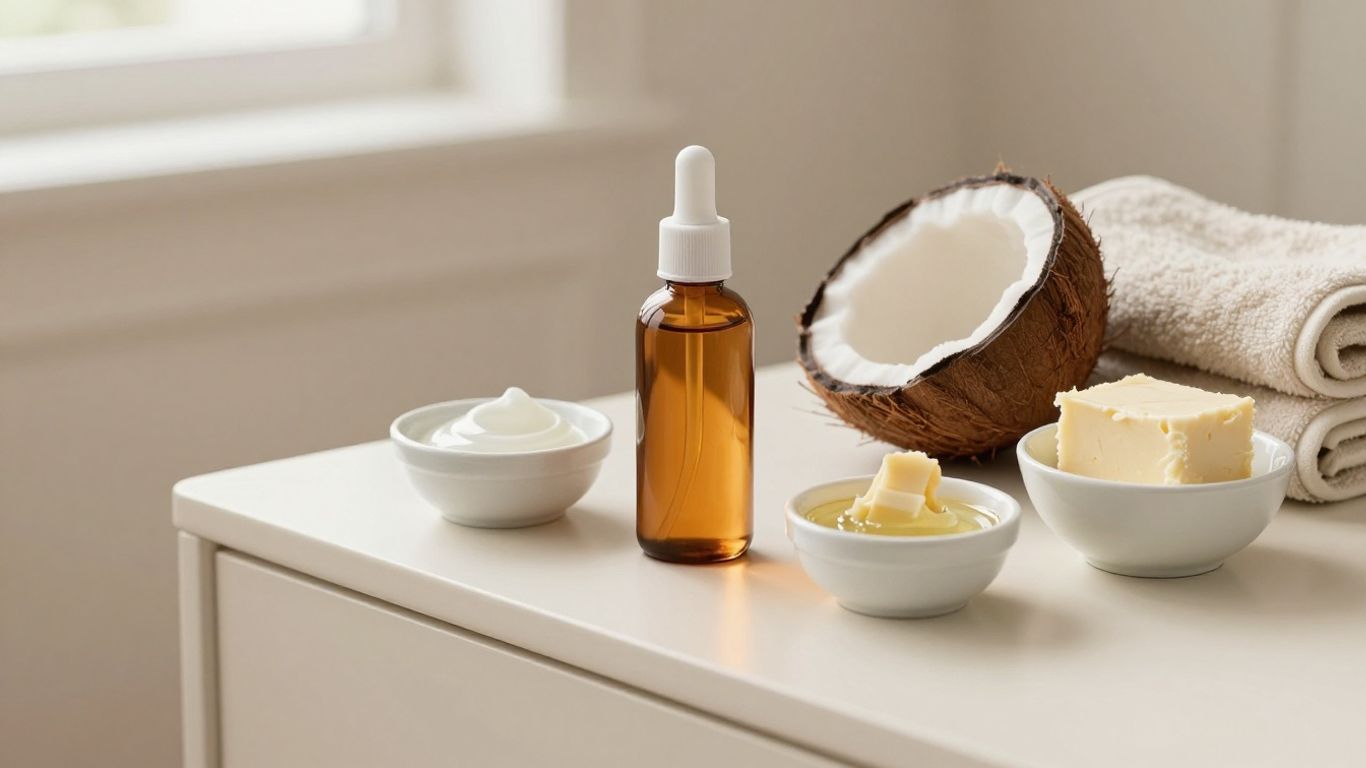
Common formulas may contain coconut, almond, jojoba, olive, or other plant oils, along with shea or cocoa butter. Some use mineral oil or petroleum jelly, while others blend several emollients for a creamier texture. The finished product may feel silky, dense, balm-like, or noticeably greasy depending on the ingredient balance.
A botanical ingredient is not automatically suitable for intimate use. For example, information about olive oil for dogs concerns feeding and veterinary considerations, not topical intimate application, so a household oil should never be treated as a tested personal lubricant simply because it is plant-derived.
How it differs from water-based and silicone-based formulas
Water-based lubricant is usually lightweight, easy to rinse away, and broadly compatible with condoms and toys, though it may need reapplication as moisture fades. Silicone-based lubricant tends to last longer and can work well in water, but it may not suit every silicone toy. Oil-based lubricant generally offers a more cushiony feel and stays on the skin longer, with greater restrictions around latex.
The formula’s texture also affects sensation. A thin oil may spread quickly, while a butter-rich product can create a more protective layer over dry skin. A general personal lubricant buying guide can help compare base types, viscosity, pH considerations, and intended use before you focus on a single formula.
Where oil-based lubricant performs best
Oil-based lubricant can be useful for external massage, masturbation, and activities where latex barriers are not involved. Its persistent glide may also suit people who dislike the tacky feeling some water-based products develop as they dry. Keep the product away from eyes, broken skin, and any barrier material unless the label specifically confirms compatibility.
Intended use matters more than a marketing phrase such as “natural.” A lubricant made for intimate contact should identify its ingredients and directions clearly; massage oil or cooking oil is not necessarily formulated, tested, or preserved for internal use.
Why it lasts longer without frequent reapplication
Oil forms a water-resistant film rather than soaking into the skin or evaporating quickly. That film can reduce the need to pause and add more product, especially during extended external activity. However, lasting longer does not mean applying an unlimited amount is better.
Too much product can increase mess, transfer to fabrics, or make it harder to notice irritation. Start with a small amount, allow it to spread, and add only what is needed for comfortable movement.
How to choose the right oil-based formula
Choosing an oil-based formula is partly an ingredient exercise and partly a practical one. Look for a product made specifically as a personal lubricant, then consider whether you need external glide, internal use, massage, or toy compatibility. A clear label is more useful than a vague promise about being “clean” or “natural.”
Body-safe ingredients to look for
Favor short, transparent ingredient lists and ingredients you already know your skin tolerates. A product may include plant oils, butters, or skin-conditioning agents, yet the full formula still matters because preservatives, flavorings, and essential oils can change tolerability.
Arousellube offers water-based, edible personal lubricants made with natural ingredients, which may be a useful alternative for readers who want plant-derived comfort without choosing an oil-based formula. Whatever the base, pH-balanced formulas and third-party tested production can add useful reassurance, but they do not replace reading the actual ingredient list.
Fragrance, flavor, and other additives to approach carefully
Fragrance, flavor, warming agents, cooling agents, and essential oils may make a product feel more appealing, but they can also irritate delicate tissue. “Natural” fragrance is still fragrance, and a pleasant scent does not tell you whether the product suits your body.
When evaluating an aromatic ingredient, avoid borrowing conclusions from unrelated material, such as Terpinolene’s sensory profile, which discusses a compound in cannabis and other natural settings rather than intimate lubricant safety. For sensitive skin, an unscented formula with fewer extras is often the more conservative starting point.
Plant-based oils versus petroleum-based ingredients
Plant-based and petroleum-based ingredients behave differently, but neither category alone proves that a lubricant is right for you. Plant oils may feel nourishing and spreadable, while petroleum-derived ingredients can be thicker and more occlusive. The manufacturing standard, intended use, purity, and full ingredient list matter more than the source category by itself.
Do not use a product on intimate tissue merely because it is already in the bathroom. Baby oil and petroleum jelly, for instance, may create problems with latex, residue, or irritation; a separate guide to baby oil and sexual lubrication explains why convenience is not the same as compatibility.
Choosing a formula for sensitive skin
If your skin reacts easily, choose the simplest formula you can find and test it on a small external area first. Avoid products with fragrance, strong botanical extracts, or warming and cooling sensations until you know how your body responds. If you have recurring discomfort, dryness, or infections, a clinician can help identify causes that lubricant alone will not address.
Sensitivity can also change over time because of hormones, medication, illness, or friction. A product that once felt comfortable may become irritating later, so treat new symptoms as information rather than something to push through.
Condom and contraceptive compatibility
Barrier compatibility is the most important safety check before using an oil-based personal lubricant. The issue is not simply whether the lubricant feels good; it is whether the oil changes the barrier’s strength or surface. Read both labels before application, and use a different base when the information is unclear.
Why oils can weaken latex condoms
Many oils can degrade natural rubber latex, making a condom more likely to break or slip. The damage may not be visible, and adding more lubricant does not correct it. For that reason, oil-based lubricant should not be paired with latex condoms unless the manufacturer explicitly states that the exact combination is safe.
This precaution applies to household oils as well as commercial lubricants. The question is not whether the oil is edible or organic; it is whether the barrier maker has confirmed compatibility.
Safer options with polyurethane and polyisoprene condoms
Polyurethane condoms are generally designed for use with oil-based products, while polyisoprene products may have different instructions. Materials and formulations vary, so do not assume that one non-latex condom has the same compatibility as another.
Check the condom package and the lubricant label together. If either one warns against oil or fails to identify the relevant material, choose a lubricant and barrier combination with clear instructions instead.
Compatibility with dental dams and other barriers
Dental dams and other latex barriers can face the same oil-related weakening as condoms. This includes barriers used for oral sex and some medical or sexual-health products made from natural rubber latex. A barrier’s shape does not make it immune to the properties of the lubricant.
When using a non-latex barrier, confirm its material rather than relying on its color, thickness, or brand family. If the material is unknown, a water-based lubricant is the less complicated choice.
How to check product and condom labels
Look for the lubricant base, barrier material, warnings, and any statement about compatibility. Packaging language such as “condom safe” should be read alongside the exact type of condom, since a claim may not apply to every material.
The following quick check keeps the decision practical:
- Identify whether the barrier is latex, polyurethane, polyisoprene, or another material.
- Read the lubricant’s compatibility warning and directions.
- Check whether the intended activity requires a dental dam or another barrier.
- Replace the product choice if either label is vague or contradictory.
These steps take less time than dealing with a broken barrier, and they also reduce guesswork when trying a new formula.
Using oil-based lubricant comfortably and safely
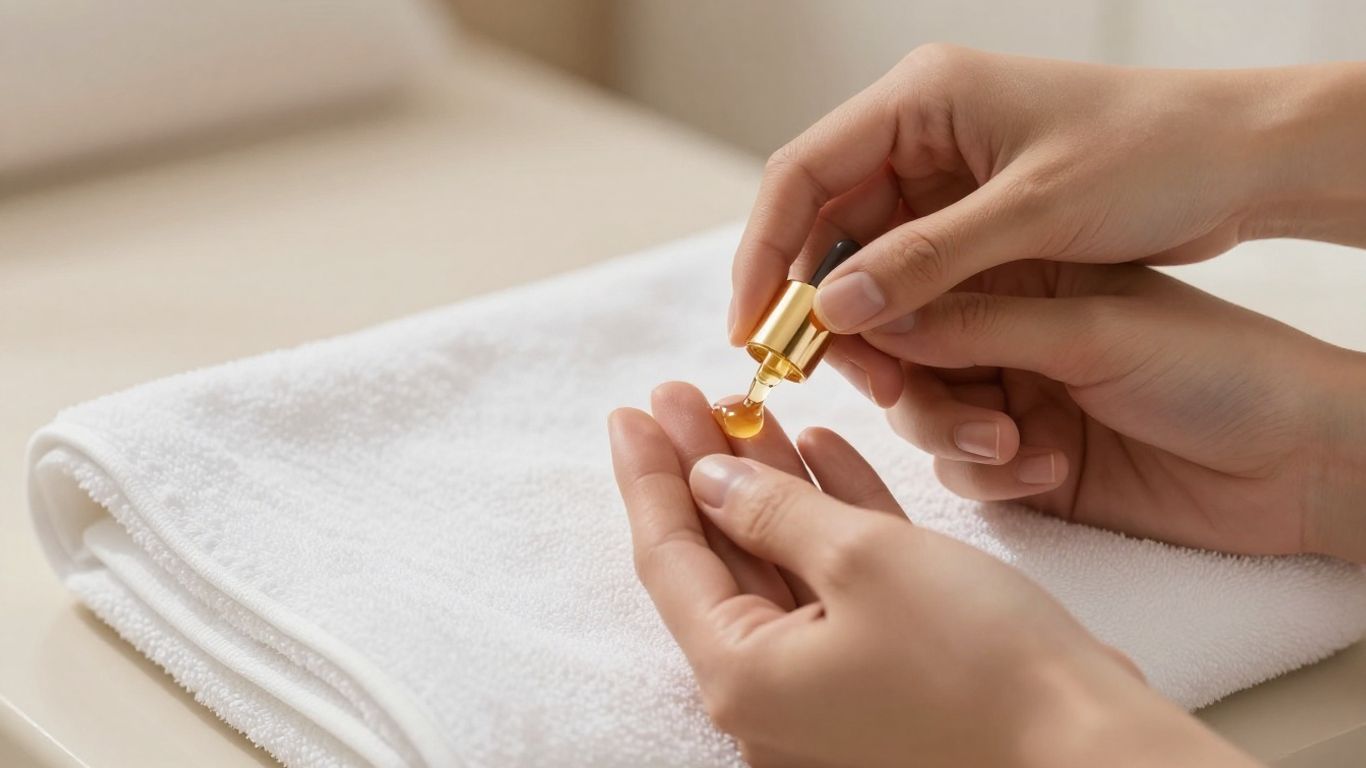
Comfort begins with preparation, not with applying the largest amount possible. Wash your hands, check the product’s condition, and keep a clean towel nearby if the formula is particularly rich. Begin slowly so you can notice how the texture feels before adding more.
How much to apply and when to reapply
Start with a small drop or thin layer and spread it over the intended external area. Add more gradually if friction returns, rather than coating everything at once. Oil-based formulas often need less reapplication than water-based products, but comfort remains the guide.
A little experimentation helps you find the right amount for your skin and activity. If the product begins to feel sticky, overly warm, or uncomfortable, stop adding more and reassess the formula.
Patch testing before intimate use
Apply a small amount to an external area of intact skin and wait to see whether redness, itching, burning, or swelling develops. A patch test cannot predict every internal reaction, but it may reveal sensitivity to a particular oil, fragrance, or preservative.
Do not patch-test on irritated, broken, or recently shaved skin. If the test causes a reaction, wash the area gently and do not use the product for intimate contact.
Avoiding irritation and unwanted residue
Use clean hands and avoid transferring the product from one body area to another without washing. Keep oil away from eyes and mucous membranes that the product is not designed for. Residue can also collect in skin folds, so gentle post-use cleaning is worthwhile.
For readers comparing textures, a guide to choosing natural personal lubricants offers another way to think about ingredients, formula type, and toy or latex compatibility. The goal is not the most luxurious texture on paper; it is a formula your body and routine can comfortably tolerate.
When to stop using the product
Stop if you notice burning, persistent itching, unusual swelling, rash, pain, or discomfort that continues after washing. Do not try to mask those symptoms by adding more lubricant or switching immediately to a scented product.
Seek medical advice for severe symptoms, repeated reactions, unusual discharge, sores, or pain that does not resolve. A lubricant can reduce friction, but it cannot diagnose or treat an infection or an underlying skin condition.
Cleaning and protecting skin, fabrics, and toys
Oil’s staying power is useful during activity, but it can also make cleanup more deliberate. Plan for a warm washcloth, mild cleanser, and washable towel if you are using the product on bedding or clothing. Cleaning promptly can reduce residue and make stains less likely to set.
Removing oil from skin after use
Wipe away excess oil first, then wash with lukewarm water and a mild, fragrance-free cleanser. Avoid aggressive scrubbing, which can create the irritation you were trying to prevent. Pat dry rather than rubbing sensitive tissue.
If the product was used internally and you experience discomfort afterward, do not use harsh soaps or douches to remove it. The body does not need abrasive cleaning, and those products may disturb the skin’s natural balance.
Preventing stains on sheets and clothing
Use a washable towel or a protective cover when applying a generous amount of oil. Treat fabric as soon as practical with a small amount of detergent appropriate for the material, and follow the garment or bedding care instructions.
Heat can set some oily marks, so check the fabric before placing it in a hot dryer. A trial on an inconspicuous area is sensible for delicate or dyed materials.
Cleaning compatible sex toys
Follow the toy manufacturer’s cleaning directions and confirm that the toy material is compatible with oil. Washable, nonporous materials may have clearer care instructions, while porous materials can retain product and odors.
If the label does not address oil compatibility, use a water-based lubricant with that toy instead. When in doubt, protecting the toy’s material is more sensible than testing it with an unverified formula.
Materials that may break down with oil
Latex is the clearest material concern, but other soft or porous materials may also react differently to oils. A product described as rubber, elastomer, jelly, or soft plastic deserves a careful compatibility check before use.
Do not infer safety from appearance. A toy that looks like silicone may be made from a blend or coating, so the manufacturer’s material information should take priority.
Potential risks and better alternatives
Oil-based lubricant is not inherently wrong, but it is less forgiving when barriers, sensitive tissue, or easy cleanup are priorities. The best formula is the one that fits the activity and does not create a new problem. If you are uncertain, choose the option with the clearest safety information.
When oil-based lubricant may increase irritation
Oil can trap moisture and residue against the skin, and added fragrance or essential oils may cause burning or itching. Some people also find that a rich, occlusive texture does not suit their vaginal or vulval tissue. Repeated symptoms deserve attention rather than repeated product trials.
Arousellube offers water-based, edible personal lubricants made with natural ingredients for people who prefer a different base and a lighter cleanup routine. That does not make every water-based product suitable for every person, but it illustrates why formula type should be selected around individual comfort.
Considerations for vaginal and anal use
For vaginal use, pay attention to irritation, pH-related comfort, and any change in symptoms after use. For anal use, lubrication is especially relevant because the tissue does not self-lubricate in the same way, but barrier compatibility and gentle application remain essential.
Use plenty of lubricant, proceed gradually, and stop when there is pain. Oil does not remove the need for a condom or other barrier, and it should never be paired with latex unless compatibility is explicitly confirmed.
When to choose water-based lubricant instead
Water-based lubricant is often the straightforward choice when you need latex compatibility, easy washing, or broad toy compatibility. It can also be preferable for people who dislike oily residue or want a lighter texture. Some formulas dry during longer activity, but reapplication is simple.
Arousellube offers water-based, edible personal lubricants made with natural ingredients, aligned with a preference for plant-derived comfort and an accessible cleanup routine. Compare the label rather than assuming that every water-based formula has the same ingredients or feel.
When silicone-based lubricant may be a better fit
Silicone-based lubricant may suit extended activity or water-based settings because it generally remains on the skin longer than water-based gel. It still needs to be checked against the specific toy material, and it may not be the preferred texture for everyone.
The useful comparison is practical: oil for rich, persistent glide; water for easy cleanup and versatility; silicone for durable glide with its own material checks. A personal lubricant should make intimacy more comfortable, not introduce uncertainty about barriers, toys, or skin.
Related reading can be useful when a concern falls outside lubricant selection. For example, mold testing in Las Vegas addresses environmental exposure rather than intimate products, while an attention span test explores task-dependent focus; neither should be used to judge lubricant safety. Likewise, joint gel ingredients and personal terpene information concern different applications, not intimate tissue.
Conclusion
Choosing a personal lubricant oil based formula comes down to matching the ingredients, texture, barrier, toy, and cleanup demands to your own comfort. Start with a product made for intimate use, patch-test when appropriate, read every compatibility warning, and switch to water-based or silicone-based lubricant when those options better support safety and convenience.
Frequently Asked Questions
Is oil-based personal lubricant safe?
It can be safe for some people when it is made for intimate use and used according to its label. Check ingredients, patch-test externally, and avoid combining it with latex barriers unless compatibility is explicitly confirmed.
Can I use oil-based lubricant with latex condoms?
Generally, no. Many oils weaken natural rubber latex, even when the damage is not visible. Use a lubricant specifically confirmed as compatible with the barrier material.
Is coconut oil a personal lubricant?
Coconut oil is sometimes used as a lubricant, but household coconut oil is not automatically tested or formulated for intimate use. It is also not appropriate with latex condoms and may irritate some people.
Does oil-based lubricant cause infections?
It may not suit everyone, and residue or irritation can contribute to discomfort for some users. Stop if symptoms develop and seek clinical advice for persistent itching, pain, unusual discharge, or odor.
How do I wash off oil-based lubricant?
Wipe away excess oil, then use lukewarm water and a mild cleanser on external skin. Avoid scrubbing or douching, particularly if the tissue feels irritated.
Can oil-based lubricant be used with sex toys?
Only if the toy manufacturer confirms compatibility with the lubricant and material. When the material is unknown, choose a water-based formula instead of risking damage to a soft or porous toy.
What is the best alternative to oil-based lubricant?
Water-based lubricant is often the easiest general alternative because it is simple to clean and commonly compatible with barriers and toys. Silicone-based lubricant may be preferable when longer-lasting glide is the priority, provided the toy label allows it.





































































